 ultimate-guide
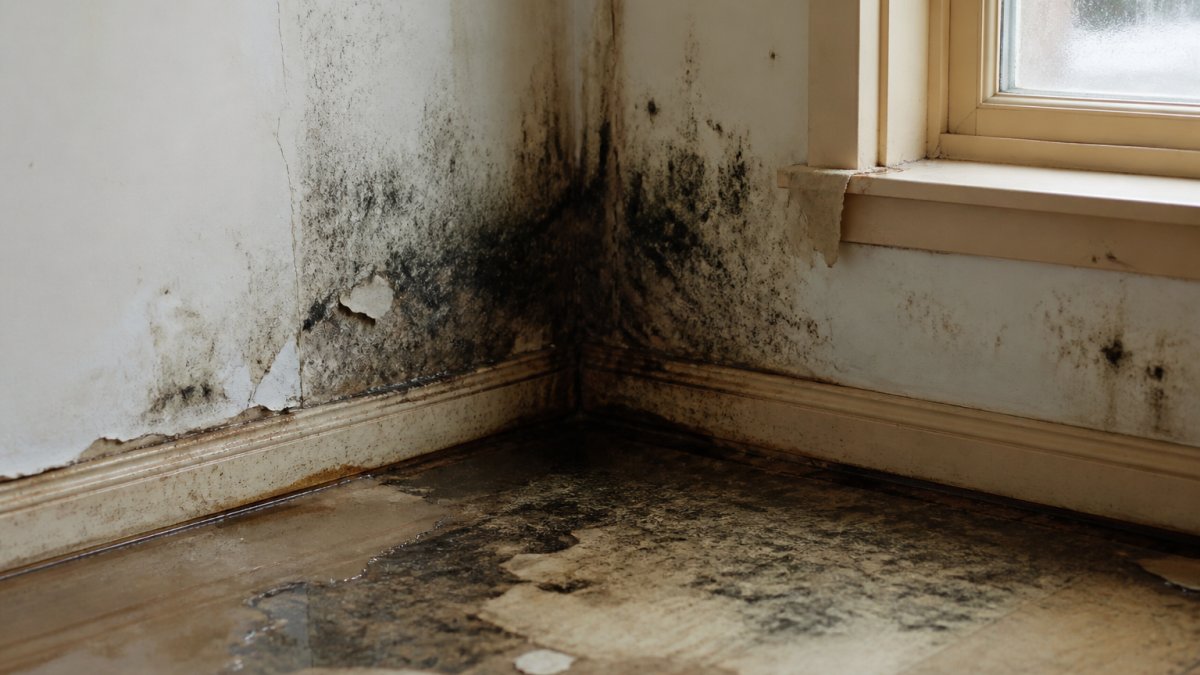
What Happens if Water Damage Is Left Untreated
Table of Contents
- How Long Does It Take for Water Damage to Happen
- Structural Damage and Foundation Compromise
- Mold Growth and Air Quality Risks
- Signs of Hidden Water Damage You Must Check
- Electrical Hazards and Safety Assessment
- The Water Damage Restoration Process and Your Next Steps
- Creating a Water Damage Report Template for Insurance
- Why Untreated Water Damage Costs More Over Time
- Frequently Asked Questions
Last Updated: October 21, 2026
How Long Does It Take for Water Damage to Happen
Water damage doesn't follow a convenient timeline. What happens if water damage is left untreated depends on several factors: the volume of water, the materials affected, humidity levels, and temperature. But here's what matters most: the clock starts the moment water enters your home or building.
In the first 24 hours, water begins soaking into drywall, insulation, and subflooring. You might not see obvious damage yet, but moisture is already penetrating. By 48 hours, mold spores start germinating in wet materials. After 72 hours, structural compromise becomes measurable. Left unaddressed beyond this point, untreated water damage accelerates into serious problems.
The reason timing is critical: early intervention stops the damage progression. Late intervention means you're managing consequences, not preventing them. According to FEMA guidance on water damage recovery, the first 48 hours determine whether restoration is straightforward or complicated.
At AFC Cleaning & Restoration, we've responded to emergencies at 2 AM and 2 PM, timing doesn't change the urgency. What does change is the scope of work required. A basement flood addressed within 24 hours stays contained. The same flood ignored for a week spreads through framing, electrical systems, and structural elements.
Structural Damage and Foundation Compromise
Structural damage from untreated water is progressive and often invisible until it's severe. Water weakens the materials that hold your building together. Wood framing absorbs moisture and loses load-bearing capacity. Concrete foundations develop cracks as water pressure builds from inside and outside.
The progression is predictable. In week one, wood becomes saturated but appears intact. In week two, wood begins to swell and warp, creating visible gaps in framing. By week three, wood rot begins, the wood becomes soft, spongy, and structurally unreliable.
What most homeowners miss: structural damage doesn't announce itself loudly. You won't hear a crack form. You notice it when a floor feels bouncy, a door won't close properly, or a wall shows a new separation line. By then, water damage has compromised the building for weeks or months.
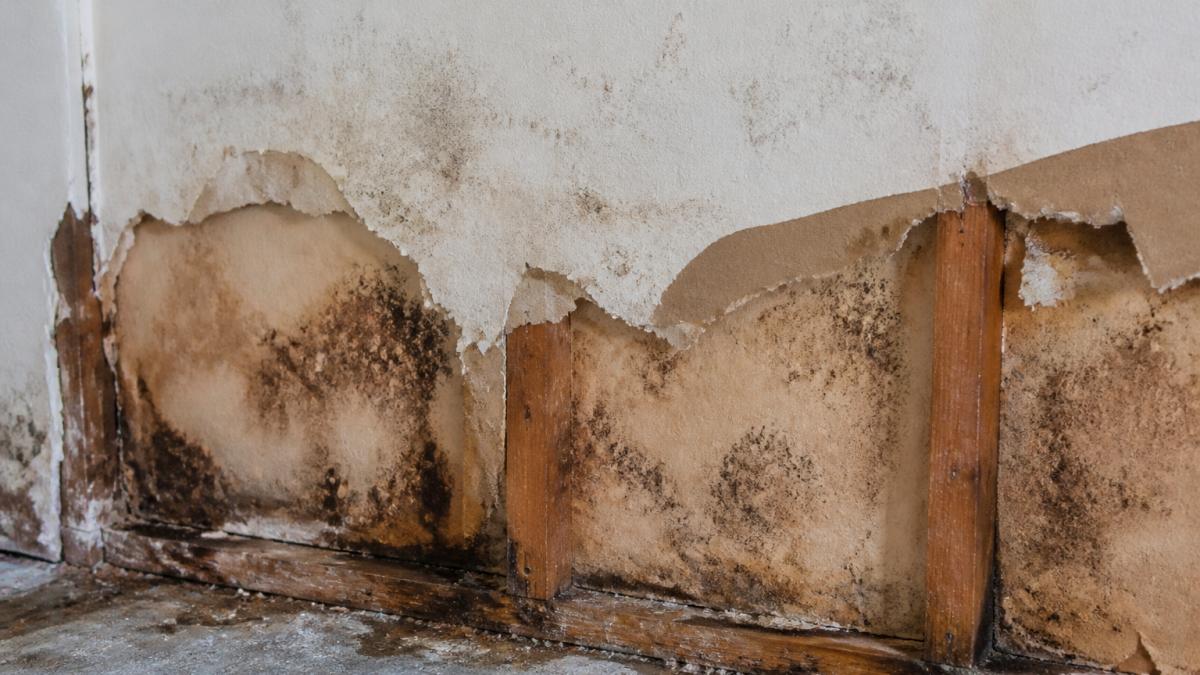
The financial impact matters. A water-damaged home with weakened framing becomes difficult to insure, harder to sell, and expensive to repair. Structural repairs run far higher than water removal and drying. This is where untreated water damage becomes a financial crisis, not just an inconvenience.
Mold Growth and Air Quality Risks
Mold thrives in moisture. The moment water intrusion happens, mold colonization begins. Within 24-48 hours, mold spores germinate in damp materials. Within one week, visible mold growth appears on surfaces. After two weeks, mold spreads through hidden spaces: inside walls, under flooring, within insulation.
What happens if water damage is left untreated includes aggressive mold proliferation. Mold releases spores and mycotoxins into the air. These circulate through HVAC systems, spreading contamination to other rooms. Occupants develop respiratory symptoms: coughing, wheezing, sinus congestion.
The problem compounds because mold hides. Surface mold is visible and concerning. Hidden mold inside walls, under subflooring, and within HVAC ducts is the real threat. You can't see it, but you can smell it, a musty odor signals mold colonization in concealed spaces.
Black mold, the term people fear most, is actually less common than other mold types. But Category 3 water, contaminated water from sewage, flooding, or standing water, absolutely supports aggressive mold growth. This water contains bacteria and pathogens.
Research from CDC guidance on mold in buildings confirms that mold exposure in damp indoor environments increases respiratory symptoms and asthma exacerbation. Untreated water damage creates exactly these conditions.
Signs of Hidden Water Damage You Must Check
Hidden moisture is the real danger. Visible water stains and wet spots are obvious. The water that soaked into walls, attics, crawl spaces, and behind baseboards is what causes long-term problems.
Start in the basement or crawl space. Look for water stains on foundation walls, efflorescence (white mineral deposits), and soft spots in concrete. Check for standing water or seepage along the base of walls.
Move to the first floor. Check under sinks for soft subflooring or discoloration. Look at baseboards for water stains or warping. Inspect HVAC ducts and ductwork for moisture or mold growth.
Check the attic if water entered from the roof. Look for water stains on rafters, sheathing, and insulation. Feel insulation for dampness. Check for mold growth on framing. Roof leaks often go unnoticed until mold appears.
Inspect walls from the inside. Tap on drywall, it sounds hollow when dry, dull when wet. Look for soft spots, discoloration, or bulging. Check electrical outlets and light switches for moisture or discoloration.
Room-by-room inspection checklist:
- Basement: foundation cracks, efflorescence, soft concrete, musty smell, standing water
- Crawl space: standing water, wet soil, mold on framing, soft wood
- Kitchen: soft flooring under sink, discolored cabinets, mold in cabinet corners
- Bathrooms: soft flooring around toilet or tub, mold in grout, water stains on ceiling
- Laundry room: soft flooring around washer/dryer, discolored walls, musty odor
- HVAC closet: moisture on ducts, mold growth, water stains on equipment
- Attic: water stains on rafters, wet insulation, mold on sheathing
AFC Cleaning & Restoration performs moisture mapping with specialized equipment to detect hidden water that visual inspection misses. Moisture meters and thermal imaging reveal moisture inside walls, under flooring, and in concealed spaces.
Electrical Hazards and Safety Assessment
Water and electricity create immediate danger. Untreated water damage leaves electrical systems compromised and hazardous. This isn't a minor inconvenience, it's a safety crisis.
When water reaches electrical wiring, outlets, or panels, the risk is electrocution. Wet electrical systems also create fire hazards. Corroded wiring, damaged insulation, and moisture in electrical boxes all increase fire risk.
The problem worsens over time. Saltwater from flooding accelerates corrosion of electrical components. Freshwater that seeps into walls gradually corrodes wiring and connections.
Here's what you must do: turn off power to affected areas immediately. Do not attempt repairs yourself. Call a licensed electrician to assess electrical damage. According to National Electrical Code standards, all electrical work in water-damaged areas requires professional assessment and repair.
The cost of electrical restoration varies based on damage extent. But the cost of not addressing it, house fire, electrocution, or ongoing electrical problems, is far higher. This is where untreated water damage becomes a genuine safety emergency.
AFC Cleaning & Restoration coordinates with licensed electricians to ensure electrical systems are safe before restoration work proceeds. We don't touch electrical systems ourselves, that's professional electrician work. But we identify the problem and connect you with qualified professionals.
The Water Damage Restoration Process and Your Next Steps
Professional water damage restoration follows a systematic process. Understanding these steps helps you know what to expect and why timing matters.
Step 1: Emergency Response and Assessment (Hours 1-4) Professional teams arrive quickly. They assess water source, volume, and contamination level. They identify which materials are salvageable and which need removal.
Step 2: Water Removal (Hours 4-24) Pumps and industrial vacuums extract standing water. Dehumidifiers and air movers begin drying. This phase is critical, the longer water sits, the more damage occurs.
Step 3: Drying and Dehumidification (Days 2-7) Continuous monitoring ensures materials dry completely. Moisture meters track drying progress. Dehumidifiers and air movers run 24/7.
Step 4: Mold Prevention and Remediation Antimicrobial treatments prevent mold growth. If mold has already appeared, professional remediation removes it. This includes removal of contaminated materials, HVAC cleaning, and air quality testing.
Step 5: Restoration and Reconstruction Damaged materials are replaced. Drywall, flooring, insulation, and framing are restored. Final inspections confirm the property is safe and dry. Documentation is prepared for insurance claims.
The entire process takes days to weeks, depending on damage severity. What happens if water damage is left untreated is that steps 2-4 become far more complex and expensive.
Creating a Water Damage Report Template for Insurance
Insurance claims require documentation. A water damage report template helps you organize information your insurance company needs. This documentation protects your claim and speeds approval.
Your report should include:
- Date and time water damage occurred
- Water source (burst pipe, roof leak, flooding, sewage backup)
- Affected areas and room-by-room damage description
- Photos and video of all damaged areas
- List of damaged items and estimated replacement value
- Professional assessment reports from contractors
- Receipts for emergency services and temporary repairs
- Proof of previous maintenance (to show the damage wasn't caused by neglect)
Take photos and video immediately. Document standing water, wet materials, damaged belongings, and structural damage. These images support your claim. Include wide shots showing the overall damage and close-ups showing specific items.
Get written estimates from professional restoration companies. Insurance companies want professional assessments, not homeowner estimates. These reports document the scope of damage and recommended restoration steps. AFC Cleaning & Restoration provides detailed damage assessments and restoration estimates that insurance companies accept.
Keep all receipts and documentation. If you hire contractors for emergency water removal or temporary repairs, keep invoices. These are claimable expenses. Your insurance company will ask for proof of all costs.
Submit your claim promptly. Most insurance policies require notification within a specific timeframe. Delays can complicate claims. Provide your documentation package with the claim to speed processing.
Why Untreated Water Damage Costs More Over Time
The financial reality is stark: untreated water damage escalates in cost exponentially.
Here's why costs multiply. Early intervention means water removal, drying, and monitoring. This is straightforward restoration.
Structural damage compounds costs. A water-damaged subfloor costs $3,000-$8,000 to replace. But if that moisture spreads to framing, the cost jumps to $15,000-$30,000.
Mold remediation adds another layer of cost. Professional mold removal, air quality testing, and HVAC cleaning run $2,000-$10,000 depending on extent.
Insurance coverage also becomes complicated. Some policies cover water damage from specific sources but not others. Delays in reporting can affect coverage.
Property value suffers. A home with a history of water damage, even if professionally restored, carries a stigma. Buyers worry about recurring problems. Appraisals reflect this concern.
The bottom line: what happens if water damage is left untreated is financial escalation. Every day of delay increases costs, complicates repairs, and reduces recovery options.
AFC Cleaning & Restoration operates 24/7 specifically because timing matters. When water damage happens at 3 AM on Sunday, waiting until Monday means 24 additional hours of damage progression.
Water damage is a time-sensitive emergency. The first 24-48 hours determine whether restoration is straightforward or complicated.
Frequently Asked Questions
How long does it take for water damage to happen?
Damage begins within hours. Drywall absorbs water immediately, wood swelling starts within 24 hours, and mold can appear in 24-48 hours under the right conditions. Structural deterioration accelerates after 72 hours of continuous moisture. The faster you act, the smaller the scope and cost of restoration. Untreated water damage left for weeks or months causes irreversible wood rot, foundation cracks, and widespread mold that requires professional remediation.
What are the signs of hidden water damage I should look for?
Check for soft spots in walls or floors, musty odors, water stains on ceilings or baseboards, and peeling paint. Look behind appliances, under sinks, and in crawl spaces. Sagging drywall, rust on metal fixtures, and discolored insulation are red flags. Use a moisture meter if available. Hidden moisture often hides behind walls and under flooring, where it causes the most damage. If you suspect water intrusion, call a professional for a safety assessment before mold spreads.
Can water damage make my home unsafe to live in?
Yes. Untreated water damage creates multiple hazards: electrical faults from water intrusion, mold spores that trigger respiratory issues, weakened structural framing that poses collapse risk, and contaminated water exposure if the source is gray water or black water. Compromised insulation reduces fire safety. A professional safety assessment determines whether the home is habitable and what remediation is needed before occupancy resumes.
How do I document water damage for my insurance claim?
Take photos and video of all affected areas before cleanup begins. Note the water source, date discovered, and materials damaged. Record room-by-room observations including water stains, discoloration, and odors. Create a detailed inventory listing damaged items and estimated replacement costs. Keep receipts for any emergency mitigation you perform. Document the timeline of discovery and any professional assessments. This documentation supports your claim and helps restoration professionals understand the full scope of damage.