 how-to
Is Water Mitigation Covered by Homeowners Insurance?
Table of Contents
- Is Water Mitigation Covered by Homeowners Insurance?
- Does Homeowners Insurance Cover Burst Pipes and Sudden Water Damage?
- Water Damage Exclusions and What Insurance Won't Pay For
- How to File a Water Damage Insurance Claim
- Water Damage Insurance Claim Documentation: What You Need
- Water Mitigation vs. Water Damage Restoration: Coverage and Costs
- Frequently Asked Questions
Last Updated: October 21, 2026
Is Water Mitigation Covered by Homeowners Insurance?
Water damage strikes fast. A burst pipe at 2 AM, a roof leak during heavy rain, an appliance malfunction, and suddenly you're facing thousands of dollars in damage.
The answer depends on the cause and your policy. Is water mitigation covered by homeowners insurance? Only if the damage is a covered peril.
Here's what you need to know before calling your insurer or a mitigation contractor.
The Coverage Verdict: It Depends on the Cause
Your homeowners insurance typically covers water mitigation costs only when the water damage itself is a covered peril.
A burst pipe? Covered. A backed-up sewer line? Usually not, unless you have sewer backup coverage. Flooding from heavy rain? Not covered; that requires separate flood insurance.
The pattern is clear: your policy's language determines whether mitigation costs are yours or the insurer's.
Emergency Mitigation vs. Long-Term Restoration
Your insurance company treats these differently, and your costs depend on the difference.
Restoration is the rebuilding that follows: replacing materials, repainting, reinstalling flooring. It takes weeks or months and costs far more than mitigation.
Most policies that cover the initial water damage also cover reasonable mitigation costs to prevent further loss.
However, if the water damage itself isn't covered under your policy, the mitigation costs won't be covered either.
Does Homeowners Insurance Cover Burst Pipes and Sudden Water Damage?
Sudden and Accidental Water Damage
Yes, in most cases. Standard homeowners insurance covers sudden and accidental water damage: a pipe bursting and flooding your basement, a water heater failing without warning, a toilet overflowing.
But "sudden" means happening without warning or expectation. A pipe leaking slowly for six months is gradual. A roof missing shingles for a year that finally lets water in during a storm is still gradual, because the cause was the missing shingles, not the storm.
Common Covered Causes
These are the water damage scenarios most homeowners policies will cover:
- Burst pipes, frozen pipes, corrosion, manufacturing defect, or sudden failure
- Water heater failure, rupture or sudden leak from a failed tank
- Appliance leaks, washing machine hose rupture, dishwasher malfunction, refrigerator ice maker line failure
Each qualifies as sudden and accidental: the damage happened without warning and wasn't caused by neglect or maintenance failure.
When responding to these emergencies, the first step is documenting everything for the claim. Photos of the water source, affected areas, and damage progression separate approved claims from denied ones.
Water Damage Exclusions and What Insurance Won't Pay For
Gradual Leaks and Maintenance Neglect
This is where most water damage claims fail. Policies explicitly exclude damage from gradual leaks, slow seepage, and lack of maintenance.
A roof leak developing for months? Not covered. A basement seeping water through known foundation cracks every rain? Not covered.
The logic: these are losses you could have prevented with reasonable maintenance and inspection.
This exclusion applies even if the final event seems sudden.
Flooding and Groundwater Seepage
Flooding is one of the most common water damage scenarios, and one of the most commonly excluded from standard homeowners insurance.
Water damage from flooding, whether heavy rain, overflowing rivers, storm surge, or groundwater seepage, is almost never covered by a standard homeowners policy.
Groundwater seepage into your basement or crawlspace is also typically excluded as a maintenance issue, not a sudden loss.
Sewer and Drain Backups
Sewer and drain backups are excluded from most standard homeowners policies, a major gap for older plumbing or areas with aging municipal infrastructure.
If your sewer line backs up and floods your basement with sewage, your standard policy won't cover it.
The same applies to drain backups inside your home, like a kitchen sink flooding your cabinets, unless you have specific backup coverage.
How to File a Water Damage Insurance Claim
Immediate Steps After Water Damage
The moment you discover water damage, your actions matter for your claim. Here's what to do first:
-
Stop the water source, Turn off the main water valve if the damage is from plumbing. Turn off the HVAC system to prevent mold spread. Open windows for ventilation if safe.
-
Document everything with photos and video, Capture the water source, affected areas, and extent of damage in wide shots and close-ups. Video shows scope more clearly. Do this before cleanup.
-
Protect your belongings, Move undamaged items away from the water and separate wet from dry. Don't throw anything away yet; your adjuster may need to see it.
-
Call your insurance company, Report the claim as soon as possible. Most policies require prompt notice. Have your policy number ready.
-
Call a mitigation contractor, For significant damage, call a professional immediately. The faster mitigation begins, the less secondary damage like mold develops. We're available 24/7 for emergency response.
Contacting Your Insurance Company
When you call your insurance company, be prepared with:
- Your policy number
- The date and time the damage was discovered
- How the damage occurred
Your insurer will assign a claim number and schedule an adjuster to determine whether the damage is covered and estimate repair costs.
Be honest and detailed. Exaggerating damage or misrepresenting the cause will result in denial and could expose you to fraud charges; adjusters know when something doesn't add up.
Water Damage Insurance Claim Documentation: What You Need
Photographs and Video Evidence
Photos and video are your strongest evidence in a water damage claim, showing exactly what happened and the extent of damage.
Take photos of:
- The water source (the burst pipe, the failed appliance, the roof damage)
- The affected areas, walls, flooring, furniture, belongings
- The water line, where the water reached on walls and materials
Video is particularly valuable for showing three-dimensional scope and details photos miss. Walk through the affected area while recording, narrating what you see.
Timestamp your photos if your camera or phone does this automatically; date and time stamps add credibility.
Receipts and Professional Estimates
Your insurer will want to know what things cost. Gather:
- Receipts for any items damaged or destroyed
- Receipts for any emergency supplies purchased (fans, dehumidifiers, tarps)
- Professional estimates for mitigation and restoration work
Without original receipts, credit card or bank records can substitute. For items with no records, research replacement cost online and document it.
Professional estimates from licensed contractors carry significant weight with adjusters. When a professional provides a mitigation estimate, it becomes part of your claim documentation, showing costs are reasonable and market-based.
Water Mitigation vs. Water Damage Restoration: Coverage and Costs
What Mitigation Covers
Water mitigation is the emergency response phase. It includes:
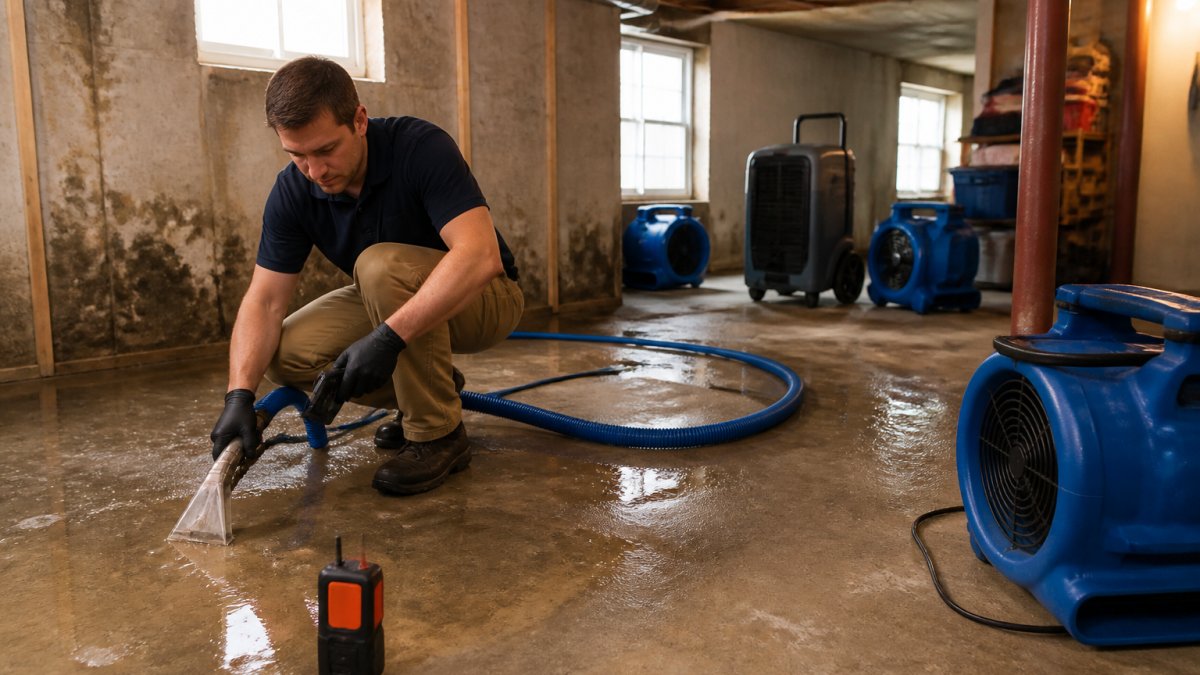
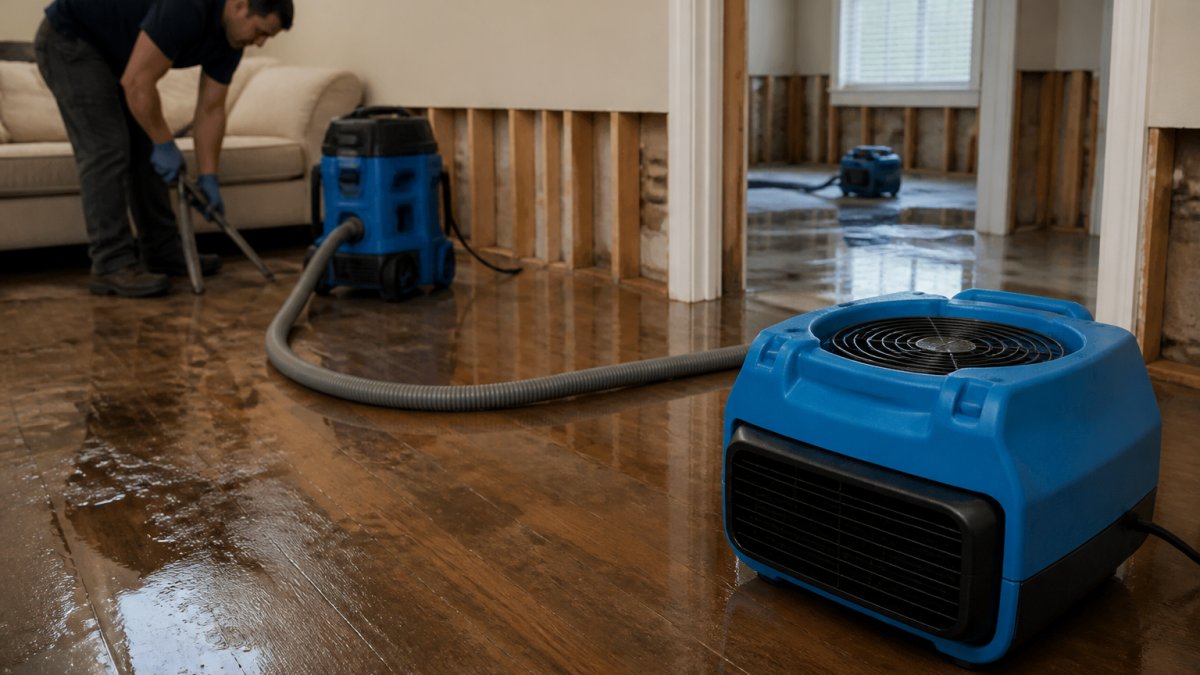
- Water extraction, removing standing water using pumps and vacuums
- Drying, using air movers and dehumidifiers to dry affected materials and spaces
- Dehumidification, removing moisture from the air to prevent mold growth
Mitigation typically happens within the first 24 to 72 hours to stop damage from spreading and prevent secondary damage like mold.
(https://www.afcclean.com/contact-us).Frequently Asked Questions
Is water mitigation covered by homeowners insurance?
Water mitigation coverage depends on the cause of the water damage. If water damage results from a covered peril, such as a burst pipe, appliance malfunction, or roof leak, most homeowners insurance policies will cover the costs of emergency mitigation, including water extraction and drying. However, if the damage stems from a policy exclusion like flooding, gradual leaks, or maintenance neglect, mitigation costs typically won't be covered. Review your specific policy and contact your insurer immediately after discovering water damage to confirm coverage.
Does homeowners insurance cover burst pipes and water damage from plumbing failures?
Yes, most homeowners insurance policies cover sudden water damage from burst pipes and other plumbing failures when they occur suddenly and accidentally. This includes water extraction, drying equipment, and structural repairs. However, coverage typically excludes damage from gradual leaks that result from poor maintenance. If a burst pipe causes secondary damage, such as mold, your policy may cover mitigation but exclude mold remediation unless you have additional coverage. Always document the cause and notify your insurer promptly.
What documentation do I need for a water damage insurance claim?
Gather photographs and video of all damaged areas, including standing water and affected belongings. Keep receipts for any emergency repairs, mitigation services, or temporary protective measures. Obtain written estimates from contractors before starting work. Document the date and time of the damage, the cause of loss, and any steps you took to prevent further damage. Your insurance adjuster will also inspect the property and may request your policy details and proof of occupancy. Detailed documentation strengthens your claim and helps ensure faster approval.
What is the difference between water mitigation and water damage restoration?
Water mitigation includes emergency response activities: stopping the water source, extracting standing water, removing wet materials, and running drying equipment to prevent secondary damage like mold. Water damage restoration involves rebuilding and replacing damaged structures, flooring, drywall, and personal property. Most homeowners insurance policies cover mitigation costs when the cause is a covered peril, but restoration costs are covered separately under dwelling or personal property coverage. Mitigation typically happens first and is critical to preventing costlier restoration work later.
Will my homeowners insurance cover mold if it develops after water damage?
Standard homeowners insurance policies exclude mold damage resulting from water damage, even if the original water damage was covered. Some insurers offer mold coverage as an add-on endorsement, usually capped at $5,000 to $10,000. Preventing mold is critical: prompt mitigation, thorough drying, and removal of contaminated materials reduce mold risk significantly. If mold does develop, you may need to file a separate claim or pay out-of-pocket for remediation. Always ask your insurer about mold coverage options when reviewing your policy.