 ultimate-guide
Does Homeowners Insurance Cover Mold Removal? 2026 Guide
Table of Contents
- Does Homeowners Insurance Cover Mold Removal? The Short Answer
- Covered Perils: Sudden and Accidental vs. Gradual Damage
- Mold Remediation Cost: What to Expect and How It's Covered
- How to File a Mold Insurance Claim: Step-by-Step
- Hiring Professional Mold Removal Services: What to Look For
- Preventative Maintenance Tips to Avoid Future Mold Issues
- Conclusion: Know Your Policy Before You Need It
- Frequently Asked Questions
Last Updated: September 6, 2026
Does Homeowners Insurance Cover Mold Removal? The Short Answer
The short answer to does homeowners insurance cover mold removal is yes, but only when the mold is the direct result of a "covered peril," such as sudden and accidental water damage from a burst pipe or fire suppression. If the mold grew because of long-term neglect, high humidity, or gradual seepage, your standard policy will almost certainly deny the claim.
Before you file a claim, you need to understand that mold itself is rarely the named peril. It is a secondary condition caused by water. Your policy responds to the water event, and the mold remediation is covered only as a direct consequence of that event. Most standard homeowners policies, including the widely used ISO HO-3 form, treat fungus, mold, and mildew as excluded losses unless they result from a specifically listed cause of loss. The Insurance Information Institute's guide on mold coverage explains that coverage hinges entirely on the source of the moisture.
Covered Perils: Sudden and Accidental vs. Gradual Damage
The line between what is covered and what is not comes down to two words: sudden and accidental. A pipe that bursts at 2 AM, flooding your kitchen, is a classic covered peril. The resulting mold that develops in the soaked drywall is typically covered because it stems directly from that sudden event. The same logic applies to a washing machine supply line that snaps while you are at work, or a storm that drives rain through a damaged roof.
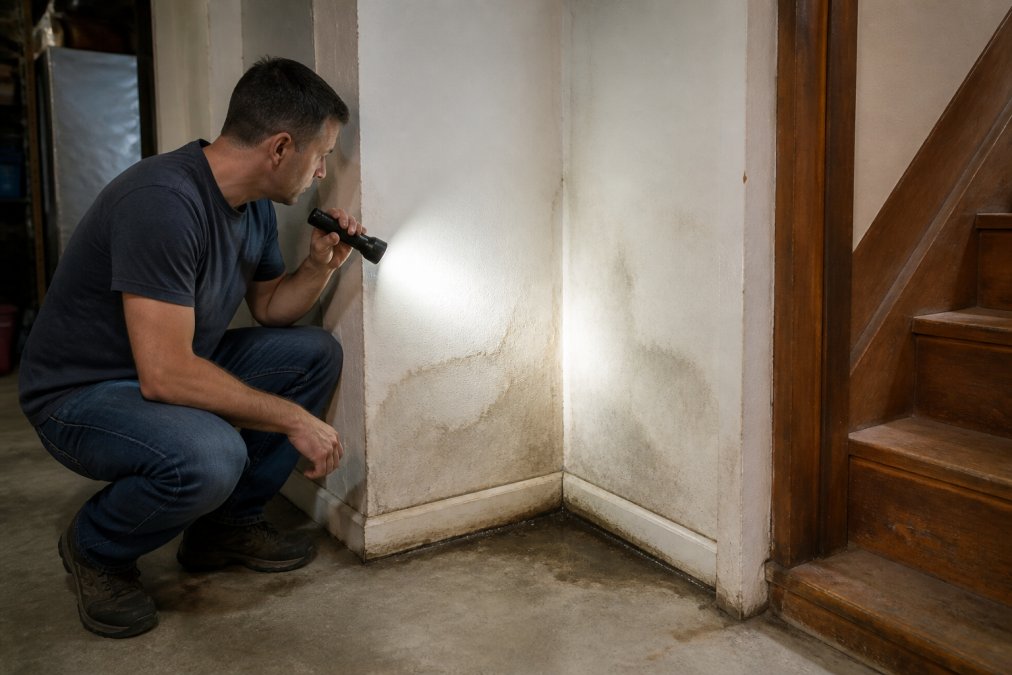
Gradual damage tells a different story. A slow leak behind a wall, humidity buildup in an unventilated crawl space, or condensation from an HVAC system are all considered maintenance issues. Insurers argue these conditions are preventable and detectable over time, so claims are denied because the cause was not sudden or accidental.
When Mold Remediation Is Covered
Mold remediation is covered when it is a direct result of a covered water loss. If your insurer approves a claim for a burst pipe, they will typically pay to remove the affected drywall, treat the studs, and address any mold that formed in the immediate aftermath. Coverage generally extends to the cost of cleaning, the removal of contaminated materials, and the restoration of the affected area up to your policy limits.
Common Exclusions in Homeowners Policies
Your policy contains specific exclusions that you should know before a problem arises. Flooding from outside sources requires separate flood insurance through the National Flood Insurance Program. Sewer backups are typically excluded unless you have purchased a specific endorsement. Long-term leaks, seepage through foundations, and condensation are almost universally excluded. The Federal Emergency Management Agency's flood insurance resources clarify that standard homeowners policies do not cover flood damage, which is a leading cause of mold in many regions.
Mold Remediation Cost: What to Expect and How It's Covered
The cost of mold remediation varies dramatically based on the extent of contamination. A small patch on a bathroom ceiling might cost a few hundred dollars, while contamination in wall cavities or HVAC systems can run into the thousands. When your claim is approved, your insurer pays up to your policy limits, minus your deductible. Many policies place a specific sublimit on mold coverage, often lower than the overall dwelling coverage, so review your declarations page.
If your claim is denied because the damage was gradual, you are responsible for the full cost of remediation. This is where the value of a professional assessment becomes clear. A certified technician can determine the scope of the problem and provide documentation that may help you appeal the decision. The Environmental Protection Agency's mold remediation guidance offers a useful overview of the steps involved in proper mold cleanup, which can help you understand what a professional should be doing.
How to File a Mold Insurance Claim: Step-by-Step
Filing a successful mold claim requires a methodical approach. Missing a step can cost you the entire claim. Here is the exact sequence most adjusters expect.
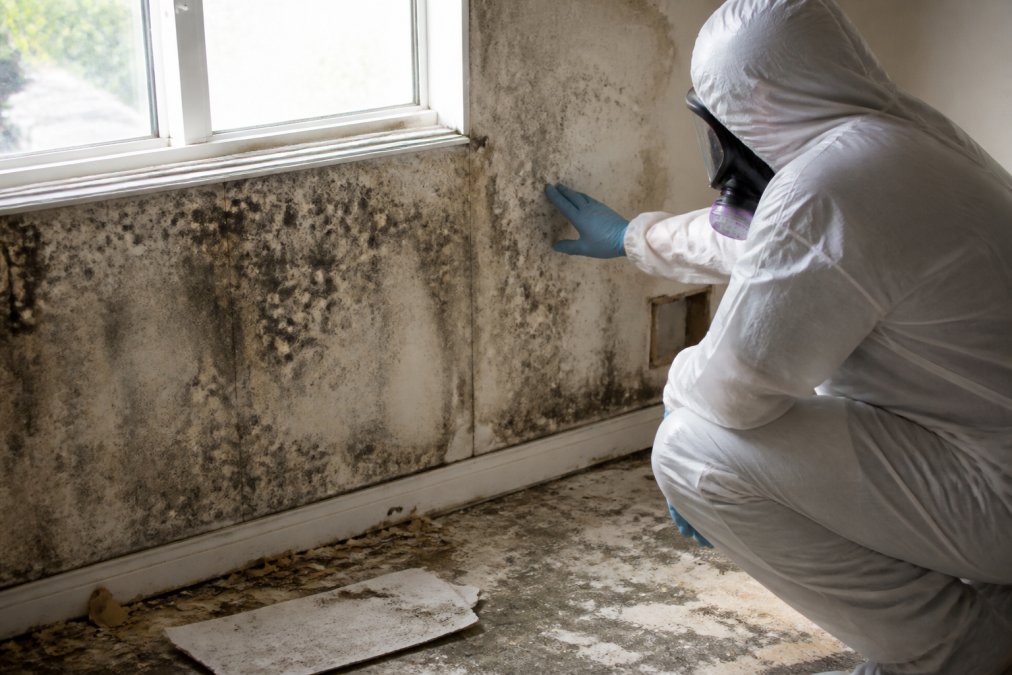
- Document the damage immediately. Take photos and videos of the water source and any visible mold before you touch anything. Capture wide shots and close-ups, and include a timestamped object (like a newspaper or your phone's clock) in frame. This evidence establishes the timeline.
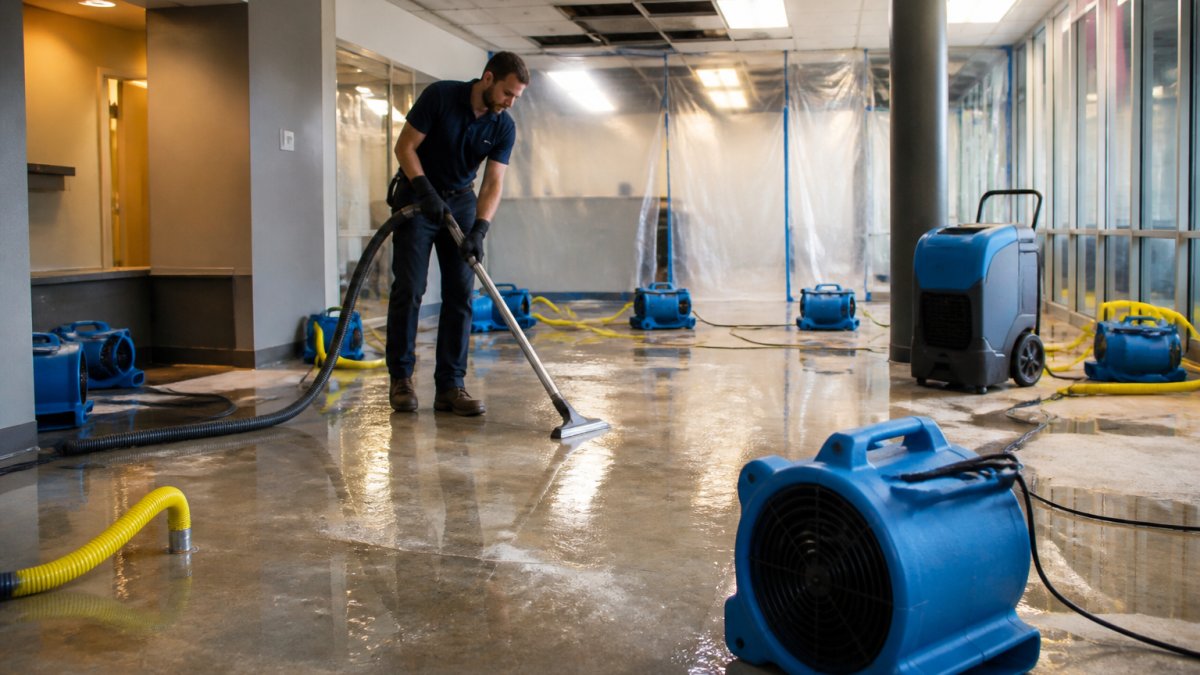
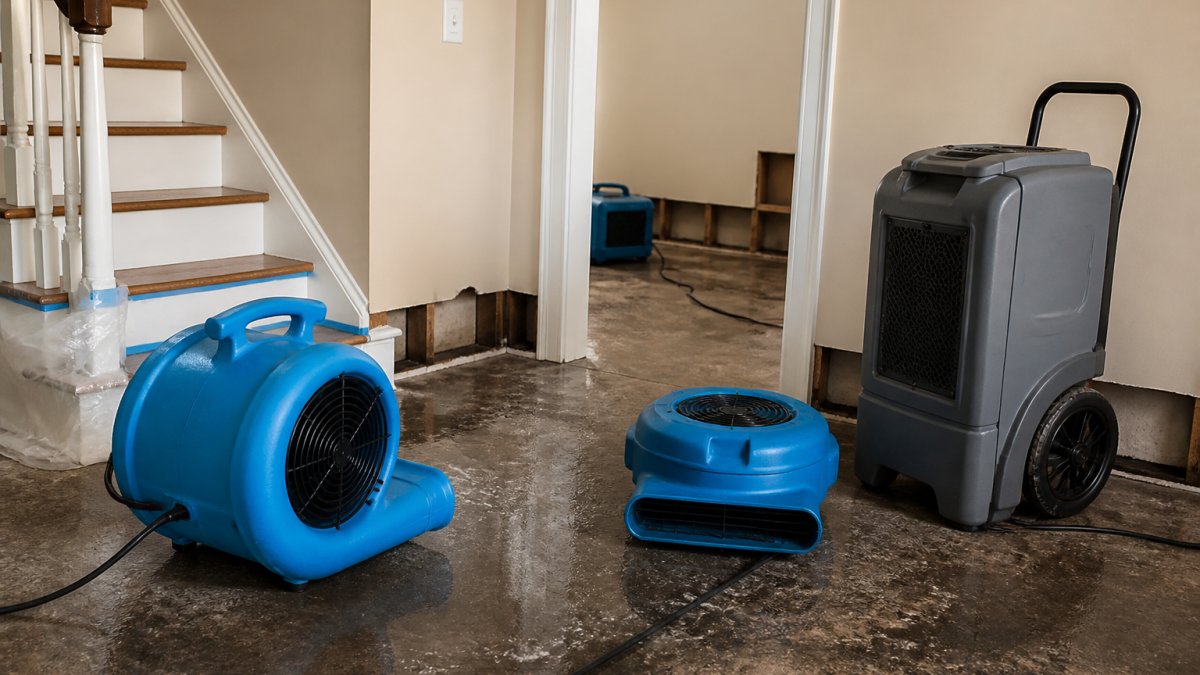
- Mitigate further damage. Stop the water source if you can do so safely, and remove standing water. Insurers expect you to take reasonable steps to prevent additional damage. Keep every receipt for shop vacs, fans, dehumidifiers, or emergency plumbing calls, these are reimbursable under most policies.
- Contact your insurer promptly. Most policies require you to report a loss within a reasonable timeframe, often 24 to 72 hours. Call your agent or the claims hotline, and note the claim number and the adjuster's name. Ask specifically: "Does my policy have a mold sublimit, and does this claim trigger it?"
- File a proof of loss form. This is a formal, sworn statement of the damage and its cause. Be accurate and complete. Under the standard ISO HO-3 form, you typically have 60 days from the date of loss to submit this form, though state laws may extend or shorten that window. Missing this deadline can void your claim.
- Keep every receipt. Track all expenses related to mitigation, temporary repairs, and any professional assessments. This includes hotel stays if your home is uninhabitable, most policies cover "loss of use" under Coverage D.
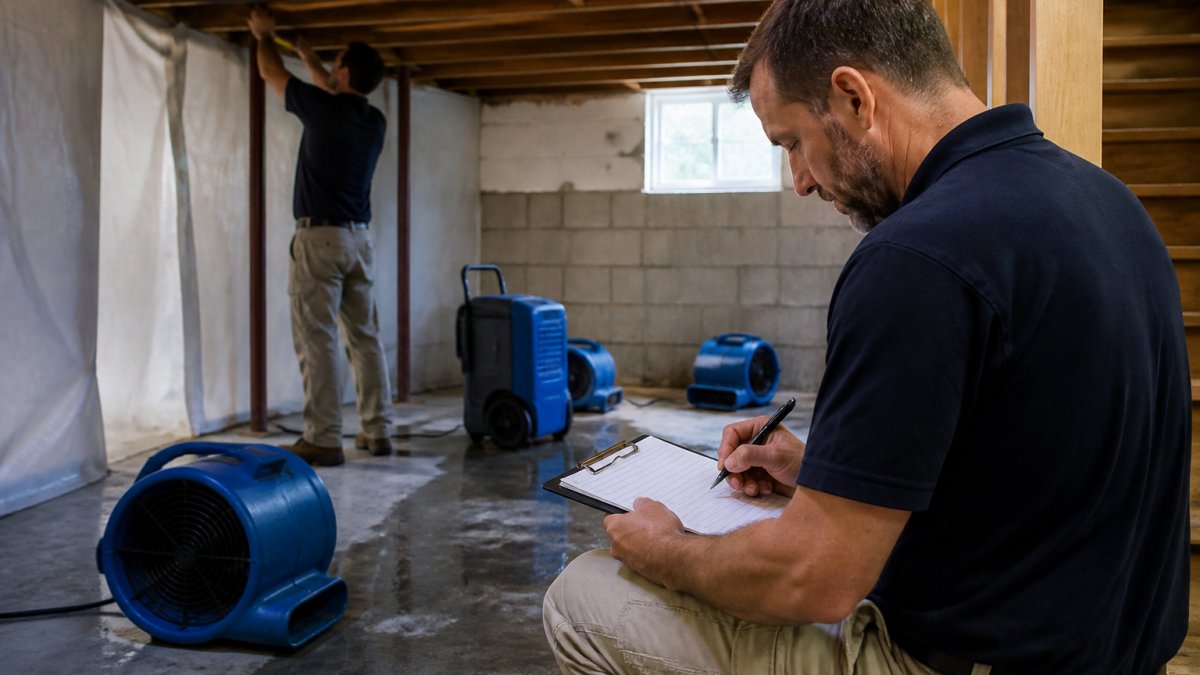
- Work with a restoration professional. A certified company can provide the detailed documentation insurers require, including moisture readings, drying logs, and a scoped remediation plan.
When to Bring in a Public Adjuster
A public adjuster is a licensed professional who works exclusively for you, not the insurance company. They are permitted in most states to negotiate your settlement, interpret your policy's language, and prepare a detailed claim on your behalf.
Public adjusters are typically paid a percentage of the final settlement, commonly 5% to 15% in most states, though some states cap this fee. They are most valuable when your claim is large, complex, or initially denied, and can often identify coverage you didn't know existed, such as the cost of testing or temporary relocation.
If your claim is denied because the insurer classifies the damage as gradual, a public adjuster can help you appeal by reviewing your policy's wording, your maintenance records, and the timeline of the leak, often finding evidence that the water event was more sudden than the insurer acknowledges.
State-Specific Claim Rules You Should Know
Your state's insurance department sets rules that affect how mold claims are handled. A few patterns are common across the country:
- Texas requires insurers to offer a specific mold endorsement on homeowners policies, but you must opt in and pay an additional premium. Without it, mold coverage is limited to what results from a covered water peril.
- California mandates that insurers provide a notice of your right to file a claim for mold damage, and the state caps attorney fees in bad-faith disputes, which can affect your leverage.
- Florida has a "match" provision that may require insurers to replace entire sections of flooring or drywall if a partial repair is visibly mismatched, a detail that matters when mold damages one wall of an open-plan room.
Before you file, check your state's insurance department website for a consumer guide on mold claims. Many states also offer free mediation or appraisal if you and your insurer disagree on the settlement amount.
Documentation Checklist for Your Claim
Thorough documentation is the difference between an approved claim and a denied one. Your file should include time-stamped photos of the water source and mold growth, receipts for emergency mitigation supplies, a detailed written description of when and how the damage occurred, and any communication with your insurer in writing. If you hire a restoration company, their assessment report and remediation plan become key evidence.
Hiring Professional Mold Removal Services: What to Look For
When you need professional mold removal, the right contractor will do more than spray bleach on a wall. The wrong one can cost you your claim, your health, and thousands of dollars in rework.
Credentials That Matter (and One That Doesn't)
Look for a company with IICRC certification (Institute of Inspection, Cleaning and Restoration Certification), which indicates formal training in water damage restoration and mold remediation. Specifically, ask for technicians with the AMRT (Applied Microbial Remediation Technician) credential, the industry standard for mold work.
Do not be impressed by a company that claims to be "licensed" for mold remediation, most states do not license mold contractors at all. Instead, verify that they carry general liability insurance and workers' compensation coverage. Ask for their certificate of insurance and call the issuing agency to confirm it is active.
The Process: What a Professional Should Actually Do
A reputable firm will follow the EPA's mold remediation guidelines and the IICRC S520 standard. Their process should include:
- Containment. They must isolate the affected area with plastic sheeting and negative air pressure machines before any demolition begins. If they start tearing out drywall without containment, spores will spread throughout your home.
- HEPA filtration. They should run HEPA-filtered air scrubbers to capture airborne spores. Ask how many air changes per hour they plan for the containment zone, the IICRC standard recommends 4 to 6 air changes per hour.
- Removal and cleaning. Contaminated porous materials (drywall, insulation, carpet) must be bagged and removed. Non-porous surfaces (studs, concrete) should be HEPA-vacuumed and wiped with an antimicrobial solution.
- Post-remediation verification. A professional will not declare the job done without testing. This may involve visual inspection, moisture readings, and either surface sampling or air sampling. Ask for a clearance report, a third-party lab result showing spore counts are within normal range. If they skip this step, you have no proof the mold is gone.
Why the Right Contractor Protects Your Insurance Claim
Restoration is not just about cleaning; it is about producing the documentation your insurer requires. A firm that handles both residential and commercial properties brings a deeper understanding of different policy structures and claim requirements. They will document the moisture source, the extent of contamination, and the drying process with photos and moisture logs, the documentation your adjuster uses to approve the scope of work.
A common red flag is a contractor who tells you to "just file the claim and we'll handle the insurance company." Legitimate firms will work with your adjuster, but they will not negotiate your settlement or pressure you into unnecessary work to inflate the bill. If a contractor suggests you claim more damage than actually exists, that is insurance fraud, and you will bear the legal consequences.
The Hidden Cost of Choosing Cheap
Mold remediation is not a commodity. A low bid often means the contractor will skip containment, reuse contaminated materials, or skip post-remediation testing. The result is that mold returns within months, and your insurance company will deny a second claim because the first remediation was inadequate.
AFC Cleaning & Restoration, serving the Kansas City area since 2003, employs IICRC-certified technicians available 24/7, 365 days a year, with the equipment and crew to handle properties of any size. We follow industry standards and provide documentation for your claim.
Preventative Maintenance Tips to Avoid Future Mold Issues
Prevention is always cheaper than remediation. Fix plumbing leaks as soon as they are detected, even small drips behind cabinets. Ensure your gutters and downspouts direct water away from your foundation. Vent bathrooms and kitchens to the outside, and run exhaust fans during and after showers or cooking. Maintain indoor humidity below 60 percent, ideally between 30 and 50 percent, using dehumidifiers in basements and crawl spaces.
Regular inspection is your best defense. Check under sinks, around toilets, and behind appliances for signs of moisture. Look at your roof and attic for leaks after heavy storms. The Centers for Disease Control and Prevention's mold prevention guidance emphasizes that controlling moisture is the key to preventing mold growth. A proactive approach protects both your health and your property value.
Conclusion: Know Your Policy Before You Need It
The answer to whether homeowners insurance covers mold removal is never simple, and it always depends on the cause of the moisture. The best time to understand your coverage is before water damage occurs. Review your policy's exclusions, note any mold sublimits, and know your deductible. If you discover mold after a sudden water event, act quickly, document everything, and contact a certified restoration professional who can support your claim.
When water damage strikes, you need a partner who responds immediately and handles the job correctly the first time. AFC Cleaning & Restoration provides rapid, IICRC-certified remediation for homes and businesses across the greater Kansas City area, restoring your property to its pre-disaster condition. Contact us today for a professional assessment and the peace of mind that comes with knowing your property is in capable hands.
Frequently Asked Questions
How do I get homeowners insurance to pay for mold remediation?
To get coverage, you must prove the mold resulted from a covered peril, like sudden and accidental water damage from a burst pipe. Start by documenting the damage with photos, then file a claim promptly with your insurer. An adjuster will inspect the property to determine the cause. If the mold stems from gradual damage, like a long-term leak, your claim will likely be denied. Hiring an IICRC-certified professional to document the source and provide remediation estimates strengthens your case.
Does standard homeowners insurance cover mold caused by a leak?
It depends on the leak's cause. If a sudden, accidental event like a burst pipe or an appliance overflow causes the leak, resulting mold removal coverage is often included, though limits may apply. However, if the leak is due to gradual damage, poor maintenance, or long-term seepage, standard policies typically exclude mold coverage. Review your policy's exclusions and consider adding a mold endorsement or rider for broader protection, especially if you live in a humid climate.
What is the difference between mold damage and water damage in insurance claims?
Water damage refers to the immediate harm from water intrusion, like soaked drywall or flooring, and is often covered when caused by a sudden, accidental peril. Mold damage is the resulting fungal growth that develops over time. Insurers treat these separately: they may cover the water removal and drying but cap or exclude the mold remediation. Your policy might offer limited mold coverage, often around $10,000, or require a separate endorsement. Document both types of damage separately in your claim.
Will my rates increase after a mold claim?
Filing any claim can lead to higher premiums, though the increase depends on your insurer, claim history, and state regulations. A mold claim tied to a covered water damage event may be treated like any other water claim. However, if you have multiple claims, you could face non-renewal. Before filing, get a remediation estimate to see if the cost exceeds your deductible. For minor issues, paying out of pocket might be more cost-effective than risking a rate increase.
Should I tell my insurance company about mold?
Yes, you should report mold to your insurance company, especially if you believe it resulted from a covered peril. Failing to disclose known mold damage could void your coverage or lead to a denied claim later. Even if you are unsure about coverage, a claim allows an adjuster to assess the cause. Be honest about what you see; hiding the extent of the damage can be considered fraud. If the mold is minor and clearly from neglect, consult a professional before filing to avoid an unnecessary claim on your record.