 how-to
Avoiding Surprise Bills for Restoration: 2026 Guide
Table of Contents
- What Is the No Surprises Act and How Does It Protect You?
- Emergency vs. Non-Emergency Services: What the Law Covers
- How to Identify a Surprise Bill and What to Do Next
- Does Homeowners Insurance Cover Mold Removal and Water Damage?
- Questions to Ask Restoration Companies Before Hiring
- How to Read a Restoration Service Contract
- Preventing Surprise Bills for Restoration: A Checklist for Scheduled Procedures
- What the No Surprises Act Does Not Cover
- Frequently Asked Questions
Last Updated: September 25, 2026
What Is the No Surprises Act and How Does It Protect You?
The No Surprises Act is a federal law that protects patients from unexpected medical bills when they receive care from out-of-network providers in certain situations. It took effect in 2022 and applies to most health plans.
Who Is Protected Under the Law?
Protection covers people enrolled in most health plans, including employer coverage and ACA marketplace plans. It also extends to uninsured and self-pay patients, who gain access to Good Faith Estimates before care.
What Services Are Covered?
Emergency services sit at the center of the law. So do non-emergency services from out-of-network providers at in-network facilities. Air ambulance services also fall under protection.
Emergency vs. Non-Emergency Services: What the Law Covers
Emergency care gets the strongest protection. You cannot be balance billed for emergency services, even at an out-of-network facility. That means no surprise charges beyond your deductible, copayment, or coinsurance.
How to Identify a Surprise Bill and What to Do Next
A surprise bill is any charge from an out-of-network provider you did not knowingly choose. It often arrives weeks after service, when you assumed insurance covered everything. Under the No Surprises Act, the bill itself is not the problem, the problem is that most people pay it before they check whether it was legal.
Watch for these warning signs:
- A bill from a provider you never selected (radiologist, anesthesiologist, lab, pathologist)
- Charges above your expected in-network cost-sharing
- Services billed separately that you thought were bundled
- A total that does not match your Good Faith Estimate
- A bill arriving after your insurer already issued an explanation of benefits (EOB) showing a different patient responsibility
Steps to Take If You Receive a Surprise Bill
- Do not pay immediately. Paying can be treated as accepting the charge. Review every line first.
- Request an itemized bill, not a summary. You want CPT and diagnosis codes, dates, provider names, and NPI numbers.
- Pull your EOB from your insurer's portal. Compare the allowed amount, the in-network cost-sharing, and the patient responsibility line by line.
- Call your insurer and ask one specific question: "Is this claim protected under the No Surprises Act?" Get the representative's name and a reference number.
- If the charge violates the law, file a dispute with your insurer in writing and keep a copy.
- If the provider keeps billing you, send a written notice citing the No Surprises Act and request that they stop. Keep a copy.
Navigating the Appeals Process
Paper trail that wins appeals:
- Log every call: date, time, representative name, reference number
- Send disputes in writing (portal message or certified mail), not just by phone
- Keep copies of the itemized bill, the EOB, the Good Faith Estimate, and every letter
- Note the deadline for each stage on a calendar the day you receive the denial
If your insurer and the provider both refuse to resolve it, you can file a complaint with the Centers for Medicare & Medicaid Services No Surprises Act complaint portal or your state's department of insurance. Complaints do not replace an appeal, but they create a record and often trigger a faster response.
Documentation wins appeals. Memory does not.
Does Homeowners Insurance Cover Mold Removal and Water Damage?
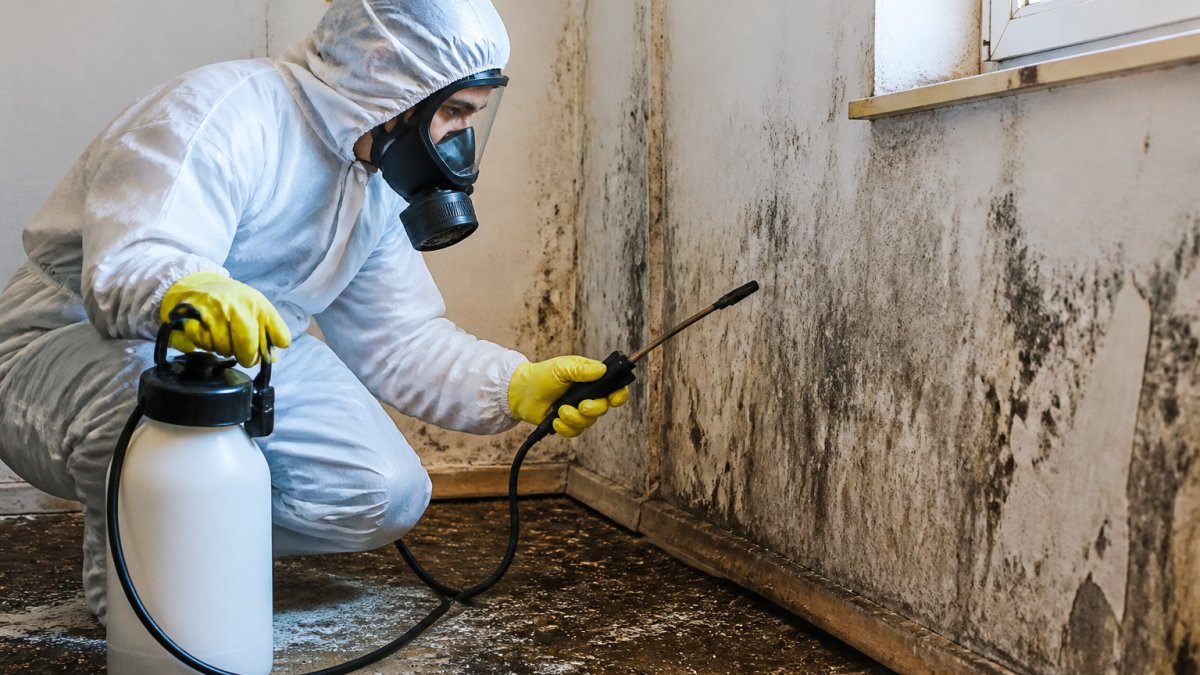
Homeowners insurance usually covers mold removal and water damage when the cause is sudden and accidental. A burst pipe or storm damage typically qualifies. Long-term neglect usually does not.
Questions to Ask Restoration Companies Before Hiring
Ask these questions before you sign anything. The answers tell you whether a company is transparent or setting you up for a surprise.
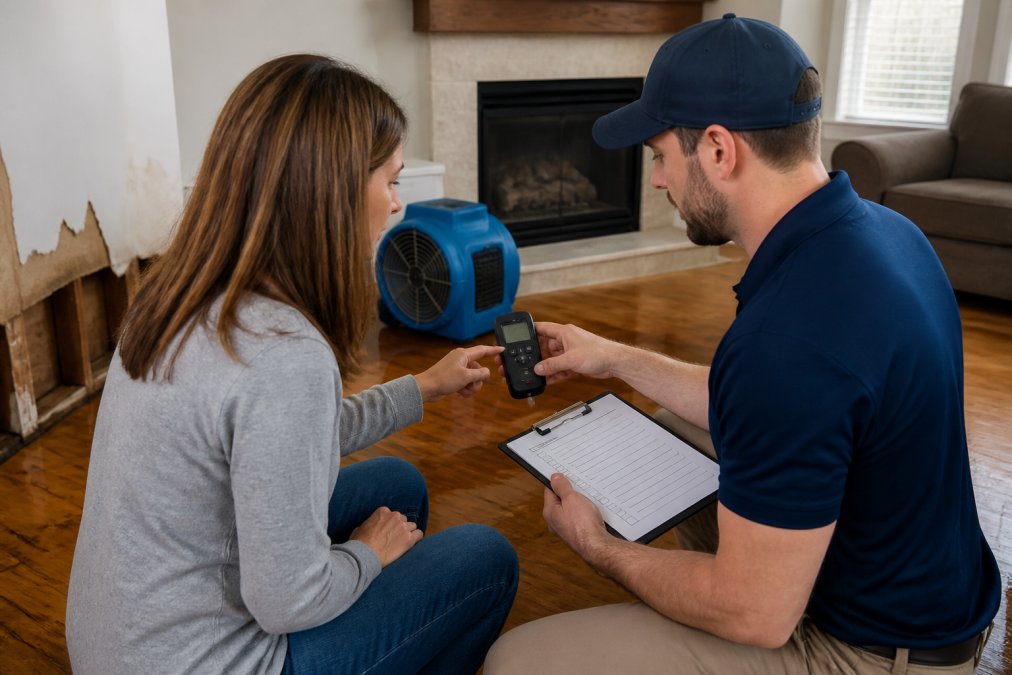
- Do you provide a written, itemized estimate before work begins?
- Are you IICRC certified, and can I see proof?
- Will you bill my insurance directly, or do I pay upfront?
- What is not included in this estimate?
- How do you handle costs if the damage is worse than expected?
- Do you charge for emergency response or after-hours calls?
How to Read a Restoration Service Contract
A restoration service contract should spell out scope, price, and change order rules. If it doesn't, ask for a revised version.
Look for these sections:
- Scope of work: exactly what gets fixed
- Payment terms: who pays, when, and how
- Change orders: how new costs get approved
- Insurance coordination: who talks to your adjuster
- Completion timeline: when the work ends
Preventing Surprise Bills for Restoration: A Checklist for Scheduled Procedures
- Get at least two written estimates
- Confirm the company's certifications and insurance
- Request a Good Faith Estimate of costs in writing
- Review your homeowners policy for mold and water limits
- Ask how change orders get approved
- Confirm who handles insurance paperwork
- Keep every document in one folder
This checklist is the core of avoiding surprise bills for restoration. Prevention beats dispute every time.
What the No Surprises Act Does Not Cover
The No Surprises Act does not cover home repair, restoration, or contractor services. It applies to medical billing, not property work. That is the first thing to understand, and the second is that "not covered by federal law" does not mean "no protection."
- Your homeowners or property insurance policy, the contract that defines what is covered, what is excluded, and what limits apply.
- Your written contract with the restoration company, the scope, price, and change-order rules you agreed to.
- State and local consumer protection law, which varies widely and can add requirements the federal law never touches.
How State Law Interacts With Federal Law
The No Surprises Act is a federal floor for medical billing. It does not preempt stronger state protections, and it does not create any protection for property work. For restoration, the relevant rules are almost entirely state-level.
A common pattern across many states:
- Written estimate requirements. Some states require a written estimate for home repair or restoration above a set dollar threshold before work begins. The threshold and the required contents vary.
- Right to cancel. Many states give homeowners a short cancellation window (often three business days) for contracts signed at the home, sometimes longer after a declared disaster.
- Change-order rules. Some states require written, signed approval before a contractor performs work beyond the original scope.
- Insurance claim deadlines. States regulate how long an insurer has to acknowledge, investigate, and pay a claim, and how long you have to file.
- Public adjuster rules. If you hire someone to negotiate your claim, most states license and regulate that role separately from the contractor.
Where the Gaps Actually Bite
- Scope creep. Work discovered after demolition (hidden mold, rotted subfloor, compromised framing) that was not in the original estimate. If your contract does not require written change orders, you can be billed for every discovery.
- Insurance shortfalls. Your policy may cap mold remediation at a sublimit, often a fraction of your dwelling coverage, and deny slow-leak water damage entirely. The restoration company still expects to be paid for the difference.
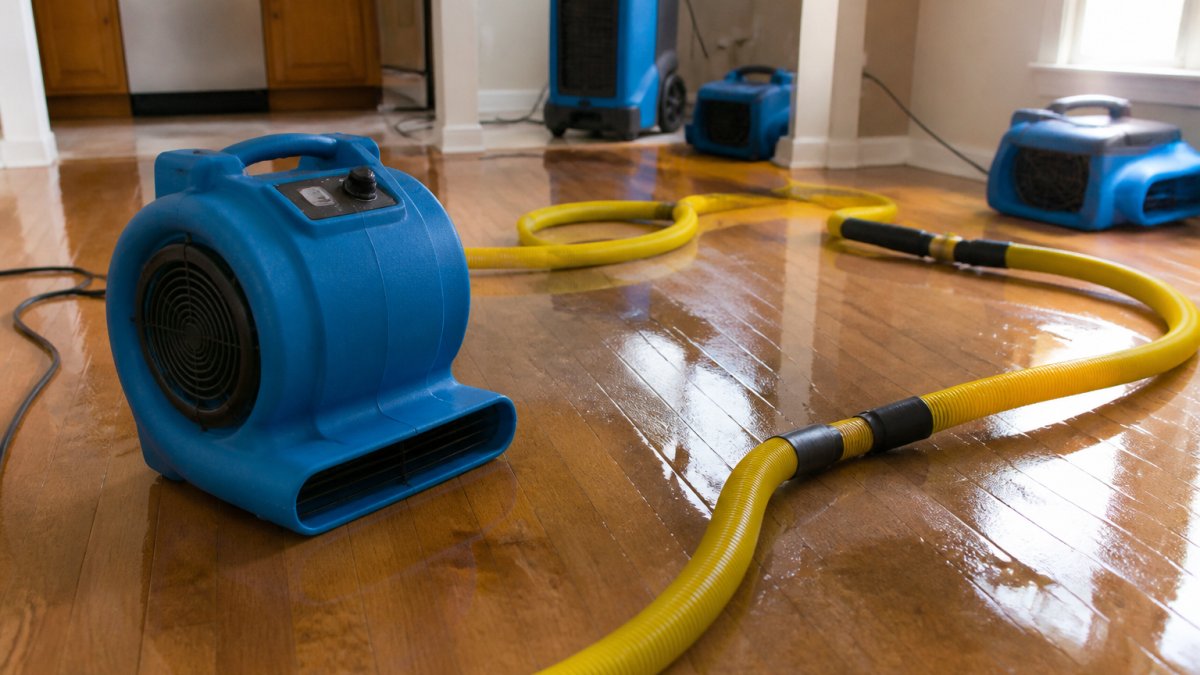
- Emergency work without paperwork. Water extraction at 2 a.m. often starts before any estimate is signed. That is exactly when an open-ended authorization form becomes a blank check.
| Situation | Federal Protection | Your Best Move |
|---|---|---|
| Emergency medical care | Yes | Pay only in-network cost-sharing |
| Scheduled medical care | Partial | Request a Good Faith Estimate |
| Emergency restoration | No | Get a written estimate fast, even if work has started |
| Scheduled restoration | No | Use the pre-work checklist and confirm state rules |
The pattern is clear. Where federal law is silent, your state's rules, your insurance policy, and your written contract are your shield, and none of them work if you have not read them.
Frequently Asked Questions
What should be included in a professional restoration estimate?
A professional restoration estimate should include a detailed scope of work, itemized costs for labor and materials, equipment usage fees, and a timeline. It must also specify whether the estimate is binding or non-binding. For scheduled procedures, requesting a Good Faith Estimate helps you understand potential costs and avoid unexpected expenses. Always ask if the estimate covers hidden damage like mold behind walls.
Does homeowners insurance cover mold removal and water damage?
Homeowners insurance typically covers water damage from sudden events like burst pipes. However, mold removal coverage is often limited or excluded unless it results directly from a covered peril. Most policies cap mold remediation at a specific dollar amount, such as $10,000. If the mold stems from neglected maintenance or flooding, it is usually not covered. Review your policy's exclusions and consider a rider for mold coverage if you live in a high-risk area.
How can I verify if a restoration company is reputable?
Verify a restoration company by checking for IICRC certifications, which indicate technicians meet industry standards for water damage and mold remediation. Ask for proof of insurance and a physical business address. Read online reviews and request references from recent local jobs. A reputable company will provide a written contract, never demand full payment upfront, and explain the process clearly. Avoid any contractor who pressures you to sign immediately or offers to waive your deductible.
How do I handle a dispute over a restoration bill?
If you receive a surprise bill for restoration, first request an itemized statement and compare it to your original estimate and contract. Contact the restoration company in writing to explain the discrepancy. If you used insurance, file an appeal with your insurer. You can also file a complaint with your state's consumer protection agency. Keep detailed records of all communication and payments to support your case.
Water damage and mold never wait for a convenient moment, and neither should your protection against unexpected costs. AFC Cleaning & Restoration has served the greater Kansas City area since 2003 with IICRC-certified technicians available 24/7, 365 days a year. We provide written estimates, coordinate directly with your insurance, and handle both residential and commercial projects of any size. Get started with AFC Cleaning & Restoration and restore your property without the billing surprises.