 how-to
Restoration Vendor SLA Tips: A 2026 Guide
Table of Contents
- What a Restoration Vendor Service Level Agreement Is
- Why Your Restoration Vendor SLA Matters
- Emergency Restoration Response Time Standards You Should Require
- Restoration Vendor Performance Metrics That Drive Results
- Roles, Responsibilities, and Shared Accountability
- Restoration SLA Template: Key Clauses and Coverage Areas
- Vendor Escalation Process Template and Remedies
- How to Negotiate and Review Your Restoration SLA
- Frequently Asked Questions
Last Updated: October 17, 2026
What a Restoration Vendor Service Level Agreement Is
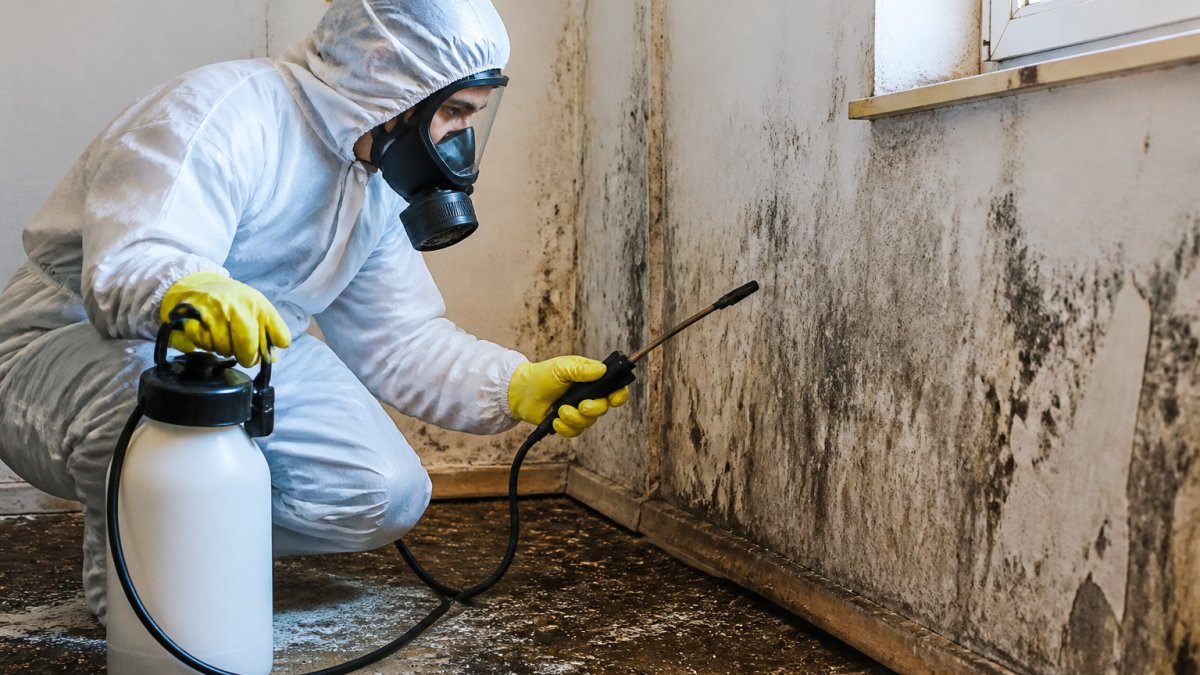
Think of an SLA as your insurance policy against poor service. When a pipe bursts at 2 AM or mold appears in your walls, you need to know: Will someone pick up the phone?
Without a clear SLA, you're left guessing whether your vendor will show up on time or disappear mid-project. A solid restoration vendor SLA protects both you and the vendor by setting realistic expectations upfront.
Why Your Restoration Vendor SLA Matters
An SLA isn't just paperwork. It's your legal protection when things go wrong. Here's what happens without one:
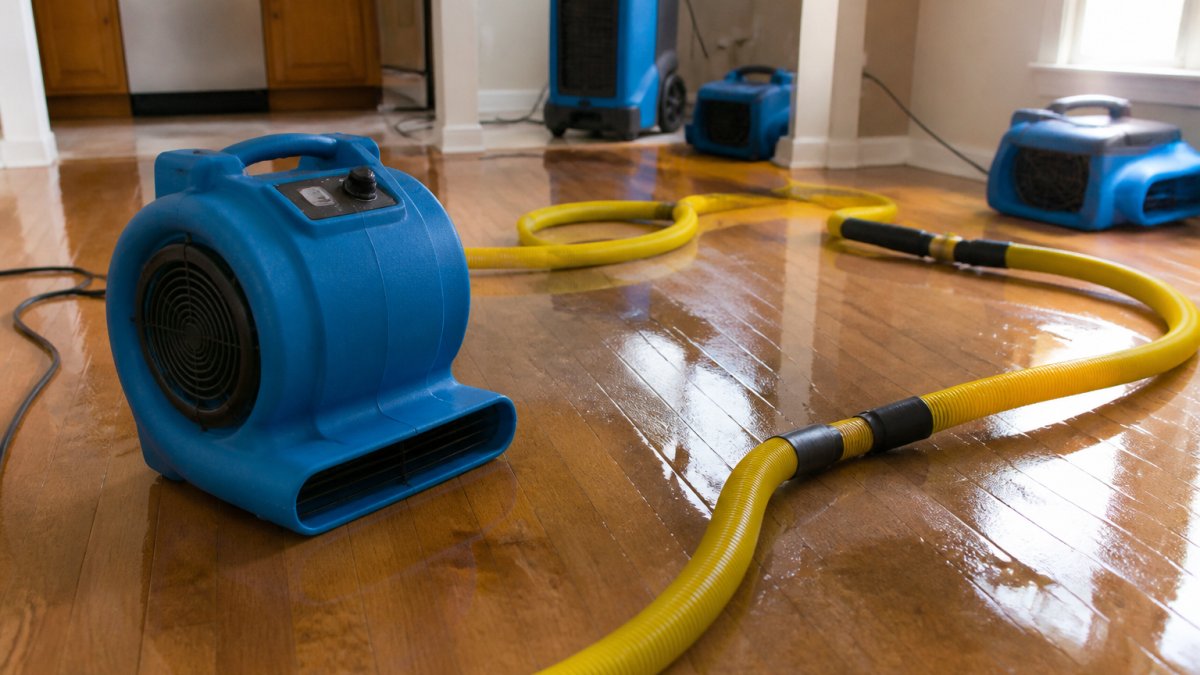
- You call for emergency water removal at midnight. The company says "we'll be there soon." Soon could mean 6 hours or 2 days.
- Mold remediation takes longer than expected. You have no recourse because nothing was in writing.
- The insurance company questions the work quality. You can't prove the vendor met industry standards.
- Bills arrive with surprise charges you never agreed to.
A clear restoration vendor SLA prevents all of this. It defines performance metrics, response times, and what you'll pay. More importantly, it holds the vendor accountable.
For commercial properties, an SLA is non-negotiable. Building managers need to know that a restoration vendor can handle surge capacity during peak seasons. Facility managers need documentation that proves compliance with building codes and insurance requirements.
The best SLAs also address restoration-specific concerns that generic vendor contracts miss: incident severity tiers, after-hours availability, geographic coverage for multi-location properties, and quality assurance measures that prevent mold from returning.
Emergency Restoration Response Time Standards You Should Require
Response time is where most restoration SLAs fall short. Generic "24-hour response" language doesn't cut it in a real emergency. Your SLA needs specific response windows tied to incident severity.
Incident Severity Tiers and Response Windows
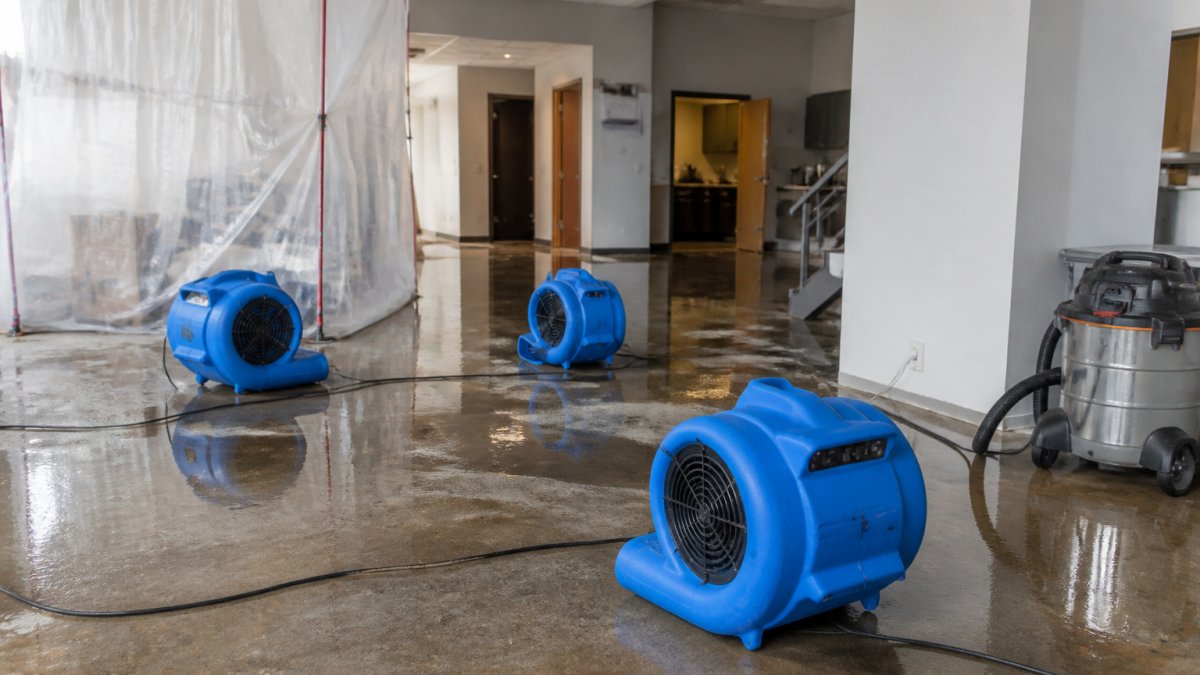
Not every water damage situation is the same. A small leak in a storage closet needs attention within 24 hours. A basement flood affecting multiple rooms needs someone on-site within 4 hours. A commercial HVAC system failure affecting occupied floors needs response within 1-2 hours.
Your restoration vendor SLA should include a severity matrix that looks something like this:
| Severity Level | Situation | Required Response Time | Arrival Window |
|---|---|---|---|
| Critical | Active water intrusion, occupied areas affected, safety risk | 1-2 hours | Same day, any time |
| High | Significant water damage, potential mold spread, business disruption | 4 hours | Same business day |
| Medium | Contained water damage, non-occupied areas, limited spread risk | 8-12 hours | Next business day |
| Low | Minor moisture, no active intrusion, assessment only | 24-48 hours | Within 2 business days |
This tiered approach ensures your vendor knows exactly what's expected. It also protects the vendor from unrealistic demands for low-priority situations.
After-Hours and Geographic Coverage
Here's what most guides miss: response time means nothing if the vendor doesn't have crews available when you need them. A restoration vendor SLA must specify:
- 24/7 availability. Can you reach someone at 3 AM on a Sunday? Will they send a crew or just take a message?
- Geographic coverage. If you manage properties across multiple counties, does the vendor service all of them? What about surge capacity if multiple properties need work simultaneously?
- Dedicated emergency line. Is there a dedicated phone number for emergencies, or do you get routed to a general line where you wait on hold?
- Backup vendors. What happens if the primary vendor is overwhelmed? Will they coordinate with a backup?
AFC Cleaning & Restoration maintains 24/7 availability across the greater Kansas City region with IICRC-certified technicians ready to respond. But not every vendor has this capacity. Make sure your SLA explicitly addresses availability gaps.
Restoration Vendor Performance Metrics That Drive Results
Metrics separate vendors who deliver from vendors who cut corners. Your SLA should define exactly how performance is measured.
Quality and Outcome Measures
Response time and arrival time tell you nothing about quality. You need outcome-based metrics that prove the work actually fixes the problem.
Quality measures should include:
- Moisture readings. Water damage isn't truly remediated until moisture levels return to normal. Your SLA should require post-project moisture testing with documented results.
- Mold prevention standards. If mold remediation is part of the scope, require IICRC compliance testing. Mold that returns six months later is a failed remediation.
- Pre-disaster condition restoration. Define what "restored to pre-disaster condition" actually means. Does it include cosmetic repairs? Painting? Flooring replacement? Get specifics in writing.
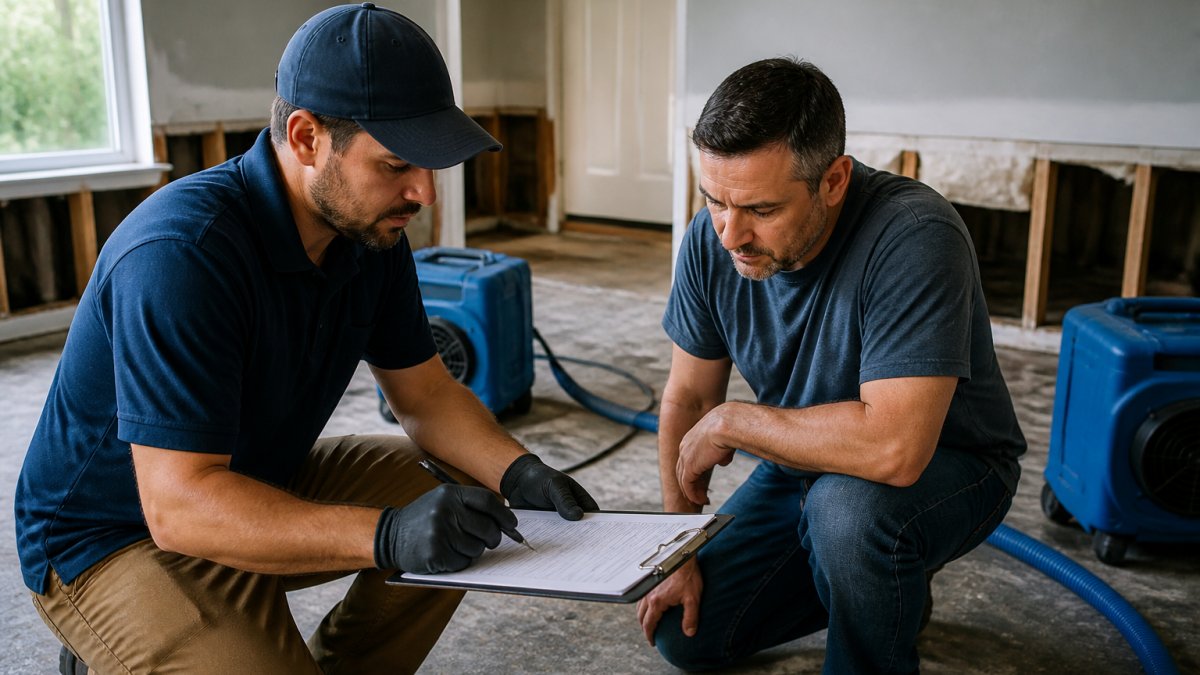
- Customer satisfaction verification. Include a post-project inspection where you verify the work meets agreed standards before final payment.
These measures protect you from vendors who rush through jobs just to move to the next client.
Service Delivery and Monitoring
Monitoring ensures the vendor stays on track throughout the project. Your restoration vendor SLA should require:
- Weekly progress reports. For multi-week projects, the vendor should provide written updates on work completed, timeline adjustments, and any issues encountered.
- Site access and documentation. The vendor must provide photos, invoices, and work logs that document exactly what was done.
- Insurance and regulatory compliance. If the project involves hazardous materials or structural work, the vendor must provide proof of proper licensing and insurance.
- Change order process. If scope changes, the vendor must provide a written change order before proceeding. No surprise charges.
Roles, Responsibilities, and Shared Accountability
A strong restoration vendor SLA divides responsibilities clearly. This prevents finger-pointing when problems arise.
Vendor responsibilities typically include:
- Responding within agreed timeframes
- Using industry-standard equipment and methods
- Providing certified technicians
- Maintaining proper insurance and licensing
- Documenting all work with photos and reports
- Coordinating with insurance adjusters
- Managing project timeline and budget
Your responsibilities typically include:
- Providing access to affected areas
- Supplying information about the property (layout, materials, previous damage)
- Coordinating with insurance companies
- Making timely decisions about scope changes
- Providing feedback during the project
- Approving final work before payment
Shared responsibilities include:
- Safety protocols and site security
- Communication with insurance adjusters
- Compliance with local building codes
- Documentation and record-keeping
The best restoration vendor SLAs spell out exactly who does what. This prevents the common scenario where the vendor waits for you to contact the insurance company while you assume they're handling it.
Restoration SLA Template: Key Clauses and Coverage Areas
A solid template gives you a starting point. You'll customize it based on your specific needs, but these sections should appear in every restoration vendor SLA.
Scope of Work and Service Definitions
Never assume the vendor knows what you want included. Define it explicitly:
- What types of damage are covered? (Water, mold, fire, structural, etc.)
- What's included in remediation? (Removal, cleaning, restoration, replacement, disposal)
- What's excluded? (Cosmetic upgrades, pre-existing damage, code violations)
- What about contents? (Does the vendor handle furniture, equipment, documents?)
- Environmental and safety requirements (hazmat handling, lead-safe practices, OSHA compliance)
Insurance and Claims Coordination
This is where most restoration vendor SLAs break down. Insurance coordination is complex, and unclear responsibility leads to denied claims.
Your SLA should specify:
- Who contacts the insurance company? You, the vendor, or both?
- Who manages the adjuster relationship? Who schedules inspections? Who provides documentation?
- What happens if the insurance company disputes the scope? Does the vendor adjust the estimate? Do they stop work and wait?
- How are insurance payments handled? Does the vendor wait for the check, or do they invoice you directly?
- What if insurance doesn't cover the full cost? Are you responsible for the difference?
These details matter. A vendor who won't coordinate with insurance creates headaches. A vendor who understands the claims process saves you weeks of back-and-forth.
Vendor Escalation Process Template and Remedies
Problems happen. The question is: what's your recourse when the vendor misses targets or delivers poor quality?
Escalation Procedures and Issue Severity Matrix
Your SLA should include a clear escalation path:
- First contact: Notify the project manager in writing (email with timestamp).
- Response requirement: The project manager must respond within 24 hours.
- Resolution timeline: Minor issues (5 business days), significant issues (48 hours), critical issues (immediate).
- Escalation trigger: If the project manager doesn't resolve the issue, escalate to the operations director.
- Final escalation: If still unresolved, escalate to executive leadership or invoke remedies.
Tie escalation to specific triggers:
- Missing response time commitments
- Quality issues that don't meet agreed standards
- Failure to provide documentation or progress reports
- Budget overruns without approved change orders
- Safety violations or regulatory non-compliance
Service Credits and Compensation
What happens when the vendor fails? Your SLA should specify remedies:
- Service credits: For every day the project extends beyond the agreed timeline, reduce the invoice by X% (typically 1-2% per day).
- Rework at no charge: If quality issues are found during inspection, the vendor reworks the affected areas at no additional cost.
- Insurance claim support: If the vendor's failure results in an insurance claim denial, the vendor covers the cost of remediation.
- Termination for cause: If the vendor misses critical deadlines or delivers unsafe work, you can terminate the contract and hire a replacement vendor.
These remedies incentivize the vendor to meet their commitments.
How to Negotiate and Review Your Restoration SLA
Most vendors will provide a standard SLA template. Don't accept it as-is. Here's how to negotiate effectively:
Start with specificity. Generic language like "prompt response" and "quality work" is worthless. Replace it with numbers: "2-hour response for critical incidents," "moisture levels below 12% post-remediation," "project completion within 10 business days."
Address your pain points. If you've had bad experiences with previous vendors, write those lessons into the SLA. If you manage multiple properties, require geographic coverage.
Get certifications in writing. Don't assume the vendor has IICRC certification or proper licensing.
Schedule regular reviews. A restoration vendor SLA isn't a one-time document. Review performance quarterly.
Include performance metrics. Tie renewal or rate increases to meeting specific targets: response time compliance, customer satisfaction scores, quality assurance test results, insurance claim coordination success rates.
The strongest SLAs are living documents that evolve as your needs change. A vendor who's willing to negotiate and adjust is a vendor worth keeping.
When disaster strikes your property, you don't have time to figure out whether your vendor will actually show up. With IICRC-certified technicians available 24/7, we know how to deliver on service commitments. Contact AFC Cleaning & Restoration today to discuss an SLA that fits your property's needs.
Frequently Asked Questions
What should a restoration vendor service level agreement include?
A restoration vendor SLA should define scope of work, emergency response times by severity tier, performance metrics (uptime, resolution time), roles and responsibilities for both vendor and client, monitoring and reporting cadence, escalation procedures, service credits or remedies for missed targets, insurance coordination, and exclusions or limitations. Include specific metrics like 1-hour arrival for critical water damage and 24-hour initial assessment for non-emergency mold. The SLA should also address after-hours availability, geographic coverage, and surge capacity for large-scale events.
How quickly should a restoration vendor respond to an emergency?
Response time depends on incident severity. For critical emergencies (active flooding, structural risk), expect arrival within 1-2 hours of notification, 24/7. For urgent issues (contained water damage, suspected mold), aim for 4-8 hours. Non-emergency work may allow 24-48 hours. Your SLA should specify response windows by severity tier, define what 'response' means (phone acknowledgment vs. on-site arrival), and confirm 24/7 availability year-round. Verify the vendor has crews stationed geographically close enough to meet these targets.
What performance metrics should property managers use for restoration vendors?
Track response time compliance (percentage of calls answered within target window), on-site arrival time, initial assessment completion time, project completion time versus estimate, rework or callback rate, insurance claim approval rate, customer satisfaction scores, and safety incident frequency. Include quality measures such as post-remediation mold testing results and moisture readings. Establish a review cadence (monthly for active contracts, quarterly for ongoing relationships) and set minimum thresholds: for example, 95% on-time response, zero safety violations, and less than 5% rework. Tie performance to service credits or contract renewal.
What should a vendor escalation process include?
Define severity tiers (critical, urgent, standard) with corresponding escalation timelines. Critical issues should escalate to a supervisor within 2 hours and to management within 4 hours if unresolved. Include contact names and numbers for each escalation level, specify what triggers escalation (missed response time, quality complaint, safety concern), and outline resolution expectations. Document all escalations in writing. Include a clause for third-party mediation or dispute resolution if the vendor fails to resolve within the SLA window. Require the vendor to provide a written root-cause analysis for every escalation.