 how-to
When to Hire Professional Mold Remediators
Table of Contents
- Signs You Need Professional Mold Remediators
- Professional Mold Remediation vs. DIY
- How to Assess a Mold Problem Before Calling
- Questions to Ask a Mold Remediation Company
- Mold Remediation Company Certifications to Verify
- How Long Does Mold Remediation Take
- The Remediation Process and What to Expect
- Frequently Asked Questions
Last Updated: October 19, 2026
Signs You Need Professional Mold Remediators
Knowing when to call in professionals versus tackling mold yourself is the difference between solving a problem and creating a bigger one. We've seen countless cases where homeowners waited too long or tried a DIY approach that made things worse. The truth is simple: some mold situations demand expert intervention.
Mold area exceeds 10 square feet
When mold covers more than 10 square feet, you've crossed the threshold where professional mold remediators become necessary rather than optional (the EPA).
A single square foot might seem manageable. But mold rarely stays confined to one spot. It spreads through walls, under flooring, and into HVAC systems.
Professional remediators use negative air pressure equipment and HEPA filtration to prevent cross-contamination during removal. They contain the work zone so spores don't migrate to clean areas. This containment is nearly impossible to achieve with household equipment.
Mold in HVAC systems or hidden spaces
HVAC mold contamination is a red flag that demands professional intervention immediately. Your heating and cooling system circulates air throughout your entire property.
Hidden mold behind walls, under carpeting, or above ceiling tiles also requires professional assessment and remediation. You can't see these areas, which means you can't know how extensive the problem is.
Attempting to clean hidden mold yourself risks leaving contaminated material in place. When mold returns within weeks or months, you've wasted time and money on a temporary fix.
Health symptoms in occupants
When people in your home or building start experiencing respiratory irritation, allergic reactions, or other health symptoms linked to mold exposure, professional remediation becomes urgent. Common symptoms include persistent coughing, wheezing, nasal congestion, and skin irritation (the CDC).
The presence of health symptoms tells you the mold problem is significant enough to affect indoor air quality. This isn't something to monitor or delay.
Health concerns also create legal and insurance documentation needs. Professional remediators maintain records that support insurance claims and demonstrate that remediation was handled properly.
Professional Mold Remediation vs. DIY
The core difference between hiring professional mold remediators and doing it yourself comes down to containment, equipment, and expertise. Understanding these differences helps you make the right choice for your situation.
What you can handle yourself
Small, isolated mold patches on hard surfaces can sometimes be cleaned without professional help (the EPA).
For these small jobs, use a detergent solution and a stiff brush. Wear gloves and eye protection. Ensure good ventilation by opening windows. Dry the area thoroughly afterward.
However, many homeowners overestimate what they can safely handle. Even "small" mold problems often hide behind walls or under flooring. Once you start cleaning, you risk disturbing spores and spreading contamination.
Why professionals prevent cross-contamination
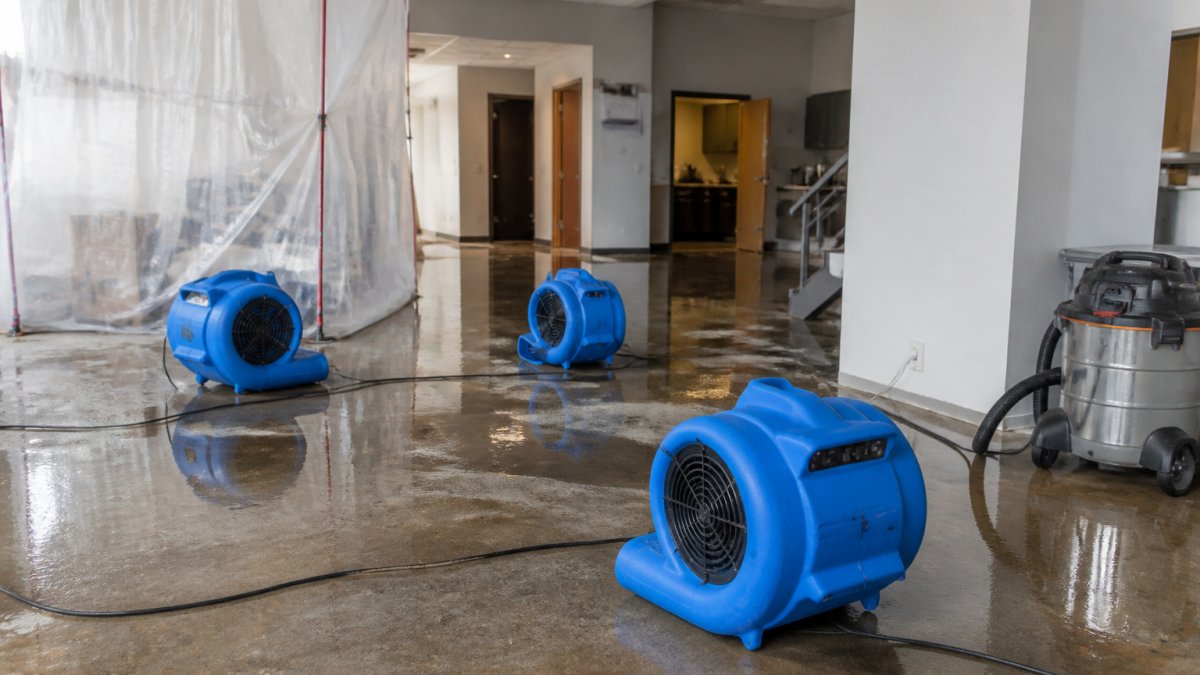
Professional remediators use containment barriers, negative air pressure, and HEPA filtration to isolate the work zone. They set up plastic sheeting and seal doorways so contaminated air can't escape into clean areas.
This setup prevents spores from traveling through your home during removal. DIY cleaning without containment spreads mold spores into adjacent rooms, HVAC ducts, and other areas.
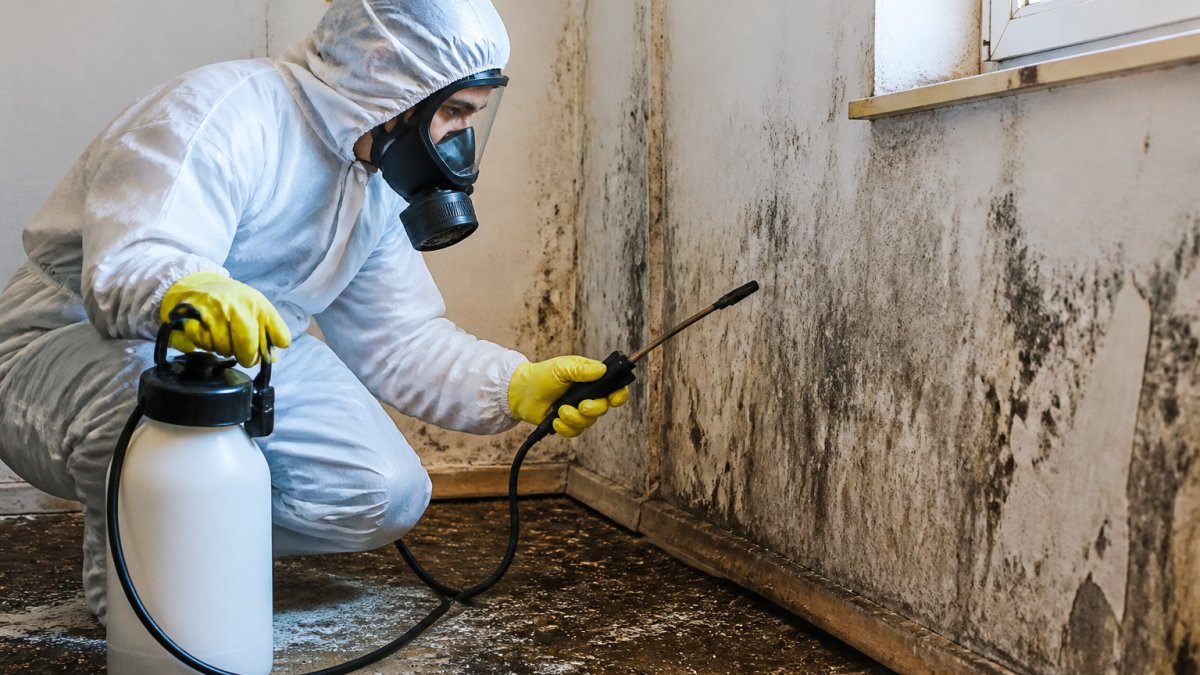
Professional remediators also use personal protective equipment including respirators, gloves, and protective clothing. They follow industry standards for safe mold removal.
How to Assess a Mold Problem Before Calling
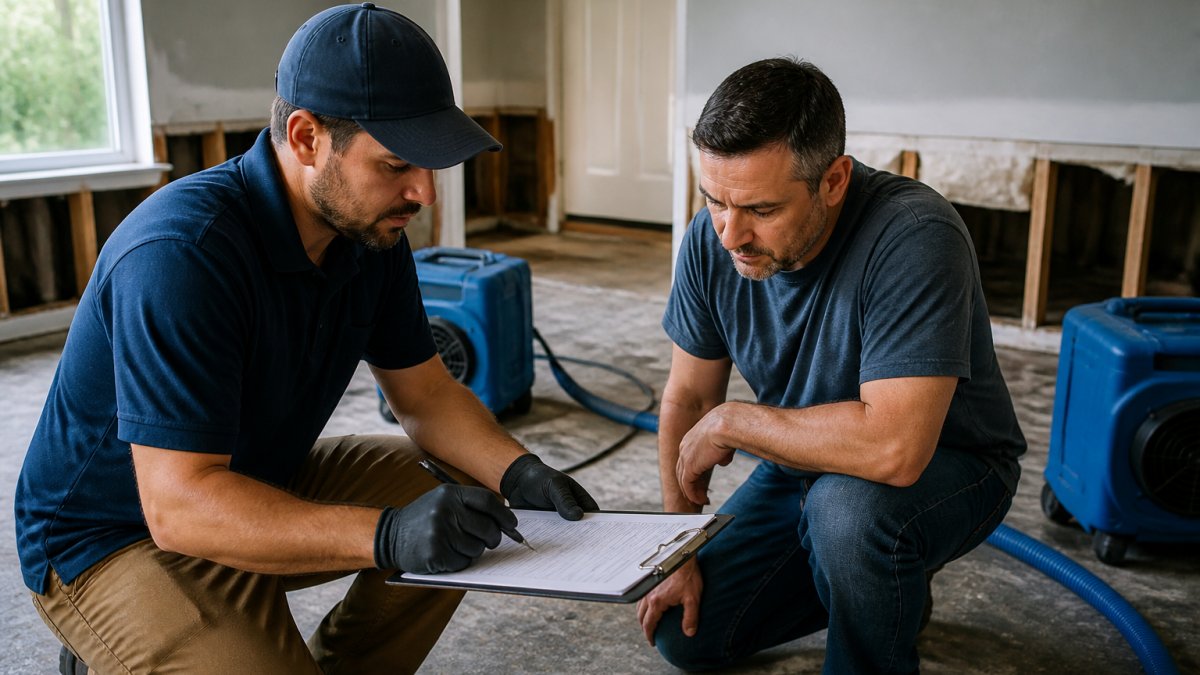
Before contacting professional mold remediators, conduct a basic assessment. This helps you describe the situation accurately and determines urgency.
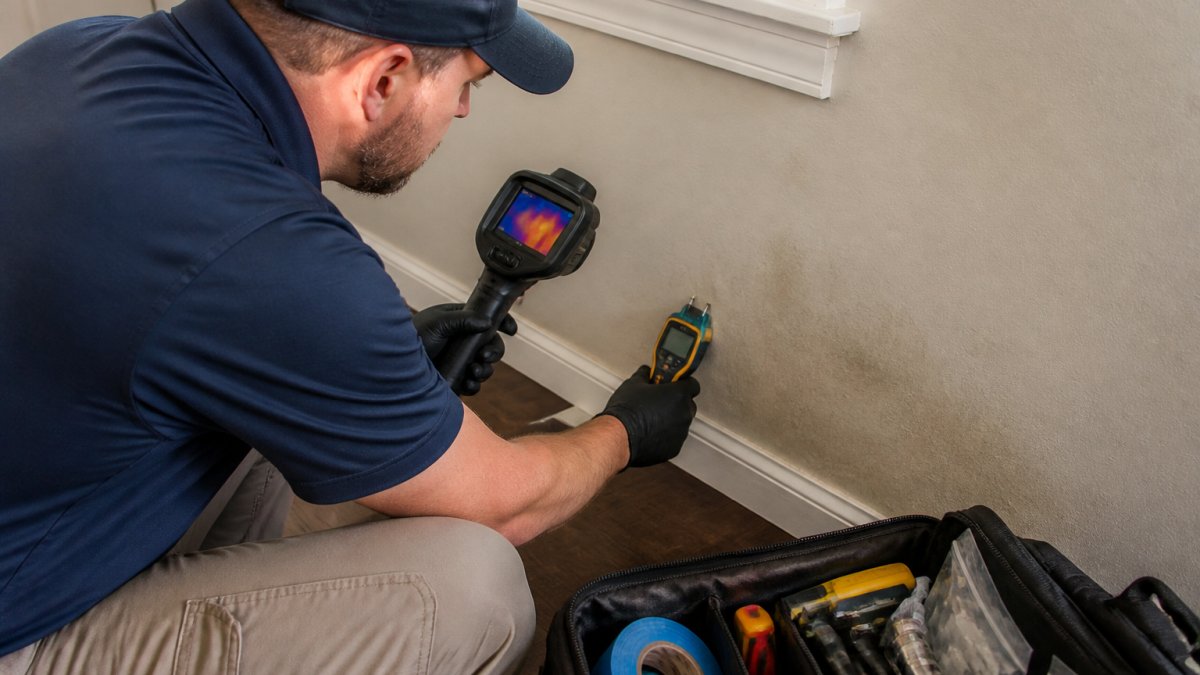
Visual inspection and moisture sources
Start by looking for visible mold growth. Check bathrooms, basements, crawl spaces, and areas with water damage history.
Identify the moisture source. Is there active water leaking? Does condensation form on windows or pipes? Is the area recently flooded?
Look for water stains on walls or ceilings. These indicate past water intrusion and suggest moisture problems that may have created hidden mold.
Document what you find with photos. Note the approximate size of visible mold patches. Record any water damage, leaks, or moisture sources.
When to request mold testing or air sampling
Mold testing and air sampling help determine contamination levels and identify mold species. However, testing isn't always necessary. If visible mold is obvious and moisture sources are clear, professional remediators can proceed with remediation based on visual assessment.
Testing becomes valuable when:
- You're unsure whether visible growth is actually mold
- You suspect hidden contamination but can't locate it
- You need documentation for insurance or legal purposes
- Previous remediation may not have been successful
Professional remediators can recommend whether testing makes sense for your situation. They perform visual inspections first, then determine if air sampling or surface sampling would add useful information. Post-remediation clearance testing verifies that remediation was successful before occupants return.
Questions to Ask a Mold Remediation Company
When contacting professional mold remediators, ask specific questions that reveal their expertise and approach.
Certifications and training credentials
Ask whether technicians hold IICRC certification. The Institute of Inspection, Cleaning and Restoration Certification sets industry standards for remediation work.
Request information about ongoing training. Remediation practices evolve as research advances. Companies committed to quality maintain current certifications and participate in continuing education.
Ask how long the company has been performing mold remediation. Experience matters. Teams that have handled hundreds of jobs understand complications and edge cases that newer companies might miss.
Scope of work and containment procedures
Ask for a detailed written scope of work before remediation begins. This document should specify:
- Exactly which areas will be addressed
- What containment measures will be used
- Which materials will be removed versus cleaned
- How moisture sources will be corrected
- Timeline for completion
A clear scope prevents surprises and ensures you understand what's included. Professional remediators provide written estimates that break down the work into specific tasks.
Ask how they'll establish containment. Will they use negative air pressure equipment? How will they prevent spores from migrating to other areas? What personal protective equipment will technicians wear?
Post-remediation clearance testing
Ask whether clearance testing is included in their remediation proposal. After work is complete, professional remediators should perform air sampling to verify that mold levels have returned to normal. This testing confirms remediation was successful.
Clearance testing typically involves collecting air samples from the remediated area and comparing them to samples from unaffected areas. Laboratory analysis determines spore counts.
Ask whether they'll provide written clearance documentation. This report supports insurance claims and provides peace of mind that the problem is truly resolved.
Mold Remediation Company Certifications to Verify
Before hiring professional mold remediators, verify their credentials. Certifications and licensing provide assurance that they meet industry standards.
IICRC certification and what it means
IICRC certification demonstrates that remediators have studied mold assessment and remediation protocols. Certified professionals understand how to identify mold, assess contamination levels, contain affected areas, and verify successful remediation.
The certification requires passing an exam covering mold biology, health effects, assessment procedures, remediation protocols, and documentation standards. Certified remediators stay current through continuing education credits.
When hiring professional mold remediators, ask to see IICRC credentials. Verify certifications directly through the IICRC website if needed. Certification provides confidence that the company follows established industry standards.
State licensing and insurance requirements
Check whether your state requires mold remediation licensing. Requirements vary by location. Some states mandate licenses for remediation contractors. Others have less formal oversight.
Contact your state's licensing board to verify a company's status. Ask whether they hold any violations or complaints.
Insurance is equally important. Professional mold remediators should carry liability insurance and workers' compensation coverage. Liability insurance protects you if the company causes damage during remediation.
Ask for proof of insurance before work begins. Verify coverage amounts are adequate for the scope of work.
How Long Does Mold Remediation Take
The timeline for mold remediation depends on contamination size, location, and complexity.
Timeline from assessment to clearance
A typical mold remediation project follows this sequence:
- Assessment and scope development: 1-2 days
- Containment setup: 1 day
- Removal and cleaning: 1-5 days depending on size
- Drying and moisture correction: 1-3 days
- Clearance testing: 1 day
- Final verification: 1 day
Small projects affecting less than 100 square feet might complete in 3-5 days. Larger contamination or projects involving structural material removal take longer. Some jobs extend over 2-3 weeks if extensive drying or repairs are needed.
Professional mold remediators provide timeline estimates during the assessment phase. They factor in weather, material availability, and the specific contamination pattern.
Factors that affect remediation duration
Contamination extent is the primary factor. Larger affected areas require more time for removal, cleaning, and verification.
Moisture sources affect timing. If a roof leak or plumbing problem continues during remediation, the work can't be completed until the water intrusion stops.
Material type matters too. Porous materials like drywall or insulation often require removal. Non-porous materials can usually be cleaned and retained.
Weather impacts drying time. Humidity and temperature affect how quickly materials dry after cleaning. Remediation companies factor seasonal conditions into their timeline estimates.
The Remediation Process and What to Expect
Understanding what happens during mold remediation helps you prepare and know what to expect.
Containment and negative air pressure setup
Professional mold remediators begin by establishing containment. They seal off the affected area with plastic sheeting and seal seams with duct tape. Doorways receive special attention to prevent spore migration between areas.
Negative air pressure equipment is positioned to pull air from the containment zone and exhaust it outside through HEPA filters.
Technicians wear personal protective equipment including respirators, gloves, and protective clothing. This protects them from mold spore exposure during removal work.
Removal, cleaning, and source correction
Once containment is established, contaminated materials are removed carefully. Porous materials like damp drywall or insulation are usually removed entirely. Non-porous surfaces are cleaned with appropriate antimicrobial solutions.
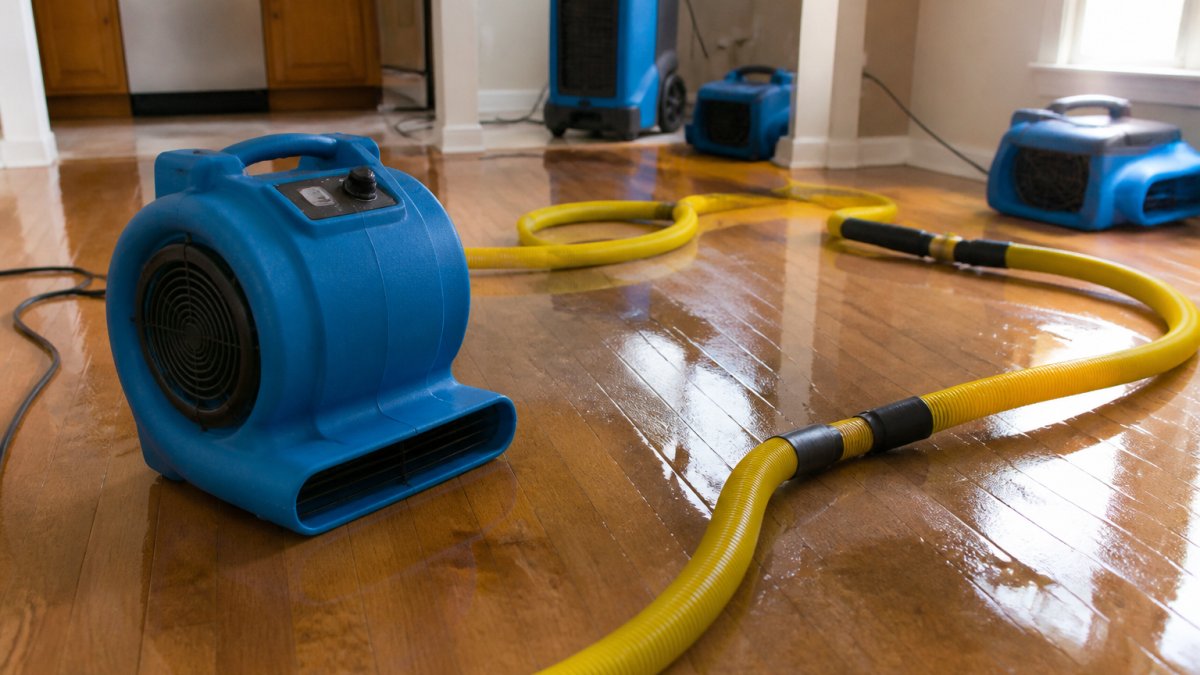
Surfaces are wiped down and dried thoroughly. Moisture must be eliminated or mold returns. Dehumidifiers and air movers assist the drying process.
Simultaneously, moisture sources are corrected. Leaks are repaired. Ventilation is improved. Humidity is controlled. These corrections prevent recurrence.
Insurance documentation and occupant safety
Professional remediators maintain detailed documentation of all work performed. Photos show before, during, and after conditions. Work logs record what was removed, cleaned, and corrected. This documentation supports insurance claims.
Before occupants return, clearance testing verifies that remediation was successful. Air samples confirm mold levels are normal. Written clearance reports provide proof that the property is safe.
Occupant safety is paramount throughout remediation. Professional remediators minimize disruption and ensure that people aren't exposed to contaminated areas during work. They communicate timelines clearly so occupants can plan accordingly.
Mold problems that grow beyond small, isolated patches demand professional expertise. We assess contamination thoroughly, establish proper containment, and verify successful remediation with clearance testing. Contact AFC Cleaning & Restoration for expert assessment and rapid remediation.
Frequently Asked Questions
When should you hire a professional for mold remediation?
Hire professional mold remediators when mold covers more than 10 square feet, appears in HVAC systems or hidden spaces, or when occupants experience respiratory symptoms or allergic reactions. Professionals are also necessary after significant water damage, when moisture sources cannot be identified, or if you lack proper containment equipment. Attempting large-scale removal yourself risks cross-contamination and incomplete remediation.
What certifications should a mold remediation company have?
Look for IICRC (Institute of Inspection, Cleaning and Restoration Certification) credentials, which indicate training in mold assessment and remediation standards. Verify state licensing where required, current insurance coverage, and certifications in water restoration (WRT) or applied structural drying (ASD). Ask for references and proof of training.
How long does professional mold remediation take?
Timeline varies based on mold extent, affected area size, and moisture source complexity. Small areas may require 1-3 days; larger projects typically take 1-2 weeks. Assessment and post-remediation clearance testing add time. Drying porous materials can extend the process. Your remediation company should provide a written scope of work with estimated duration before starting work, and explain factors that could affect the timeline.
Does homeowners insurance cover mold removal?
Coverage depends on the cause and your specific policy. Mold from sudden water damage (burst pipe, storm) is often covered; mold from neglected maintenance or condensation typically is not. Review your policy or contact your insurer before hiring. Professional remediators can provide documentation for insurance claims. Many companies offer written estimates and coordinate with insurers, which helps streamline the claims process.