 how-to
Emergency Flood Cleanup Kansas City: 7-Step Guide
Table of Contents
- What Counts as an Emergency Flood Cleanup in Kansas City
- Step 1: Shut Off Water and Power Before You Touch Anything
- Step 2: Document the Damage for Your Insurance Claim
- Step 3: Water Extraction and Structural Drying
- Step 4: How to Prevent Mold After Water Damage
- Step 5: Sanitization and Air Quality Testing
- Step 6: Basement Flood Cleanup Tips for Kansas City Homes
- Step 7: Understanding Water Damage Restoration Cost
- Frequently Asked Questions
Last Updated: September 11, 2026
What Counts as an Emergency Flood Cleanup in Kansas City
Emergency flood cleanup in Kansas City is the immediate removal of standing water, drying of structural materials, and sanitization after flooding, a burst pipe, or sewage backup. It becomes an emergency when water is still entering, contaminated, or when mold risk begins within 24 to 48 hours.
AFC Cleaning & Restoration has handled these calls across the metro since 2003, and the pattern rarely changes: the first hour decides how expensive the job gets.
The critical distinction is water category. Clean water from a supply line is Category 1; gray water from a washing machine or dishwasher is Category 2. Category 3 water, or black water, comes from sewage, river flooding, or ground surface water, and carries contaminants that make DIY cleanup unsafe.
Step 1: Shut Off Water and Power Before You Touch Anything
Safety comes before salvage. Shut off the main water supply if the source is a broken pipe, then cut power to affected areas at the breaker panel, but only from dry ground.
If the panel is in the flooded space, leave it alone and call an electrician or your restoration crew. Water and live circuits are a fatal combination.
- Shut off the water main first, then the breaker
- Never wade into standing water near outlets or appliances
- Photograph the breaker panel position before flipping anything
- Keep children and pets out of the affected zone entirely
Once the source is stopped and power is safe, the clock on water damage mitigation starts. Every hour of standing water raises the odds of mold growth prevention becoming full remediation.
Step 2: Document the Damage for Your Insurance Claim
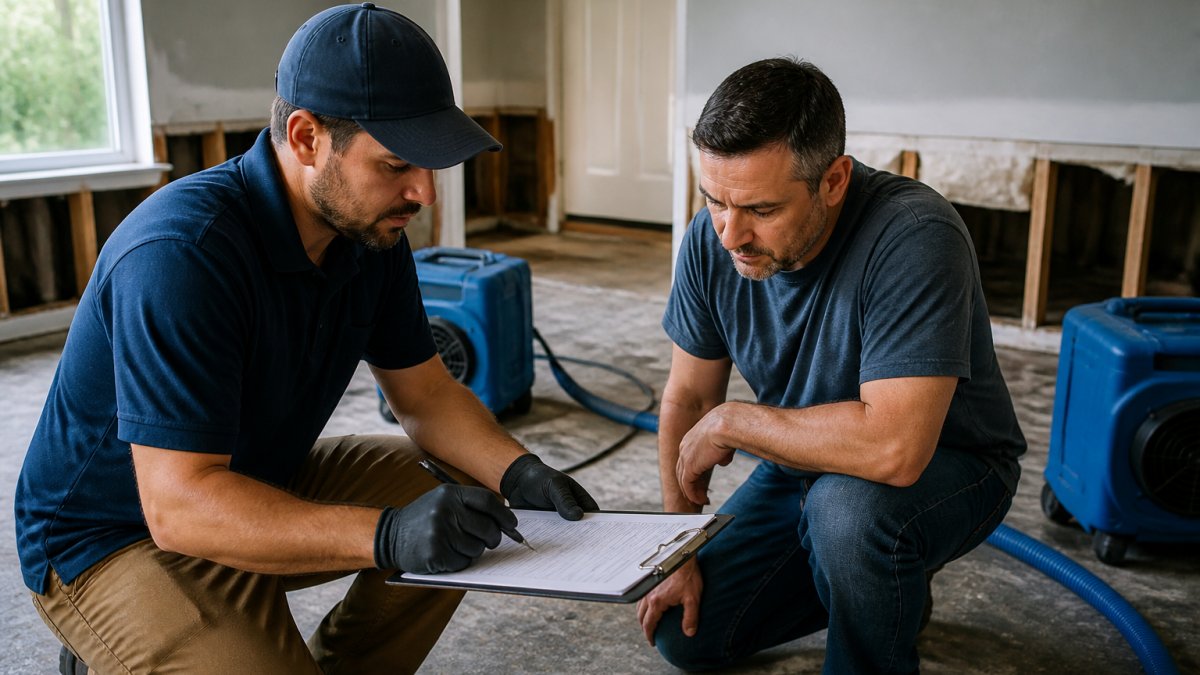
Your insurance claim lives or dies on documentation, and the window is short. Before anything gets moved or dried, photograph and video every affected room from multiple angles.
Insurance adjusters work from evidence. A flood damage assessment with clear photos, a written inventory, and receipts moves a claim forward far faster than a verbal description.
- Wide shots of each room showing waterline height
- Close-ups of damaged furniture, electronics, and flooring
- Photos of the water source if you can identify it
- A written list of every damaged item with approximate age and value
Keep every damaged item until the adjuster has seen it or approved disposal. Throwing out waterlogged furniture before documentation is one of the most common and costly mistakes we see.
Step 3: Water Extraction and Structural Drying
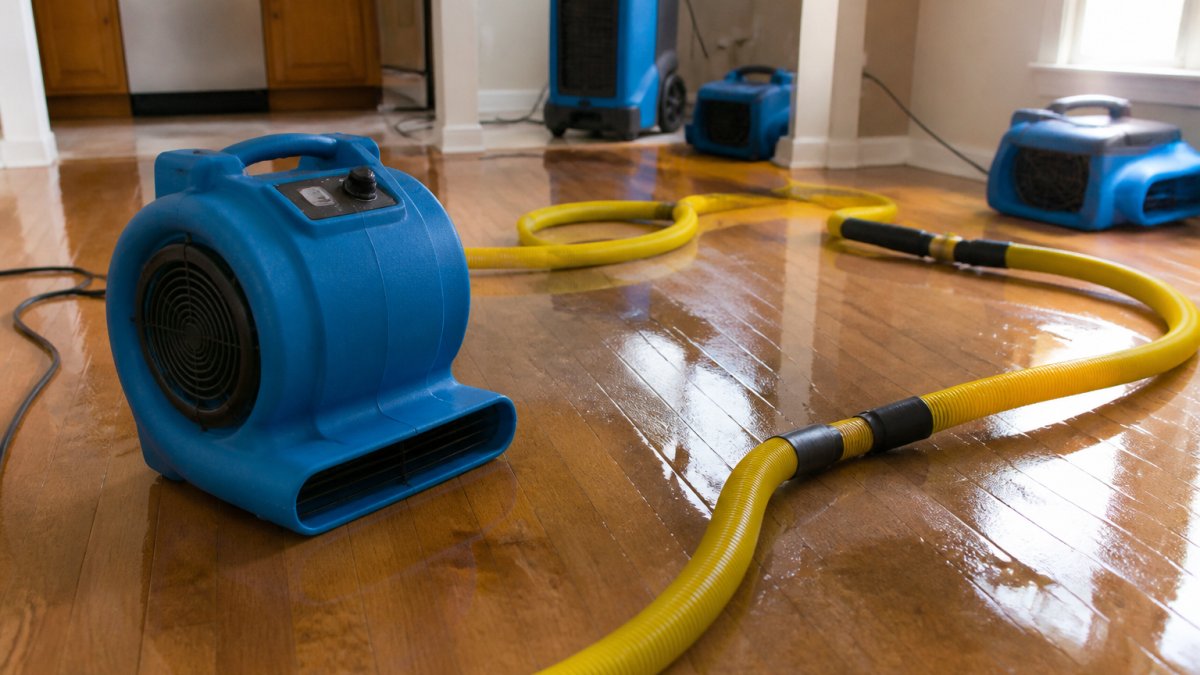
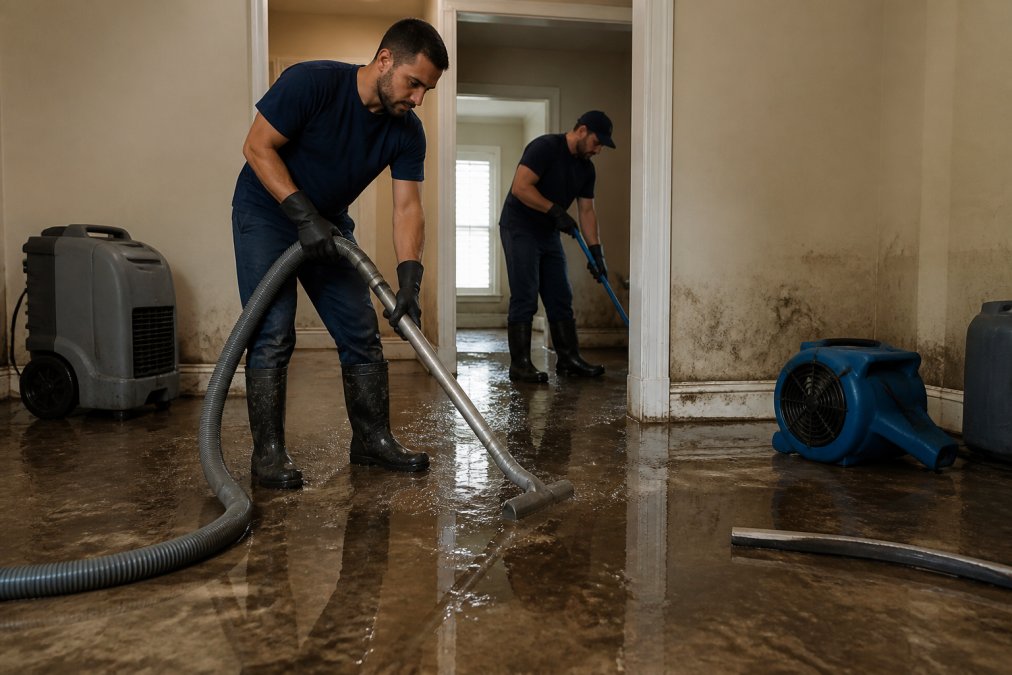
Water extraction and structural drying is the mechanical removal of standing water followed by controlled evaporation of moisture trapped in floors, walls, and framing. This phase separates a property that dries in three days from one that stays wet for weeks.
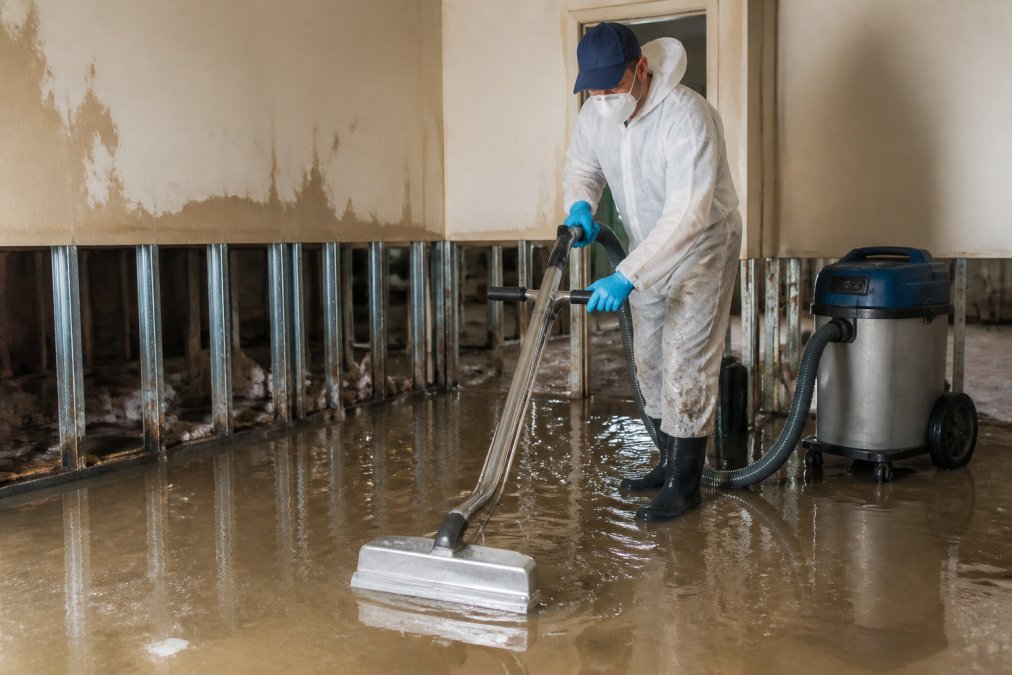
Truck-mounted extractors pull hundreds of gallons quickly, but the visible water is only part of the problem. Subfloor drying and dehumidification handle what you cannot see. Technicians use thermal imaging and a hygrometer to map moisture behind walls and under flooring, a process called moisture mapping.
According to the IICRC's standards for water damage restoration, the drying phase should be monitored and documented daily, because materials that read dry on the surface can hold moisture deep in the assembly.
That is the part most homeowners get wrong: a floor that feels dry can still be feeding mold underneath.
Step 4: How to Prevent Mold After Water Damage
Mold prevention after water damage comes down to speed and moisture control, not bleach. Mold can begin colonizing wet materials within 24 to 48 hours, so drying must start the same day, not the same week.
The CDC guidance on mold after flooding is clear that the priority is removing the moisture source and drying affected materials completely, since mold cannot grow without sustained dampness.
- Keep indoor humidity low with dehumidifiers and air movement
- Remove and discard porous materials that stayed wet beyond 48 hours
- Dry hard surfaces thoroughly before rebuilding
- Run air quality testing if you smell mustiness after drying
Porous materials are the hard call. Carpet padding, ceiling tiles, and wet drywall usually cannot be saved once contaminated. Trying to dry them to save money is how a small cleanup becomes a mold remediation job six months later.
Step 5: Sanitization and Air Quality Testing
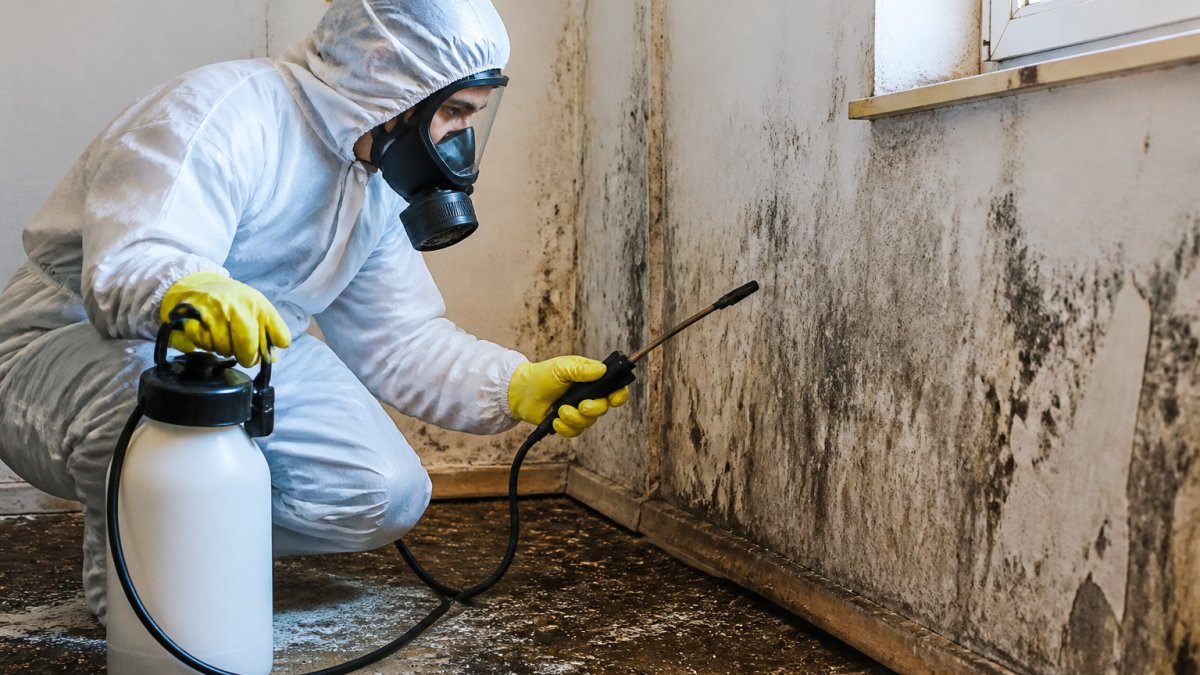
Sanitization and air quality testing confirm the space is safe to occupy, not just dry. After extraction and drying, every surface that contacted contaminated water needs decontamination with professional-grade products, and the air itself needs verification.
Sewage cleanup and Category 3 events demand the most aggressive treatment. Technicians remove contaminated materials, apply antimicrobial agents, and use air scrubbers with HEPA filtration to capture airborne spores and particulates.
Air quality testing then measures what remains. If spore counts come back elevated, the job is not finished, no matter how clean the space looks.
For commercial properties, this step is not optional. A retail floor or office that reopens with hidden contamination risks occupant health and liability far beyond the cost of testing.
Step 6: Basement Flood Cleanup Tips for Kansas City Homes
Basement flooding here follows predictable patterns tied to geography. The metro sits at the confluence of the Missouri River and the Kansas River, surrounded by steep bluffs and flat, clay-heavy bottomland. Fast runoff from the bluffs and slow absorption in the clay is why basements take on water before homeowners realize a storm drain has backed up.
Where basement flooding concentrates in the metro:
- The river bottoms. Low-lying areas along the Missouri River and the Kansas River flood first when either river crests, and flat ground means water spreads wide rather than draining away.
- Creek corridors. Turkey Creek, Brush Creek, and smaller tributaries through the urban core rise fast after heavy rain, and nearby properties see repeated basement and crawl space intrusion.
- Older neighborhoods with combined sewers. In parts of the urban core, stormwater and sanitary sewage share the same pipe. During heavy rain, that pipe surcharges and backs up through floor drains and basement fixtures, a Category 3 event, not clean water.
- Bluff-adjacent and hillside properties. Runoff from higher ground finds the path of least resistance, often a foundation drain, a window well, or a driveway sloping toward the house.
- Anywhere with a failed sump pump. A pump that loses power during a storm is one of the most common single points of failure in a finished basement.
How the source changes the cleanup:
- Sewer backup through a floor drain is Category 3. Everything the water touched is contaminated: porous materials come out, hard surfaces get antimicrobial treatment, and the space gets HEPA air scrubbing before it is considered safe.
- A failed sump pump during a storm is often Category 1 or 2, depending on what the water crossed on its way in. If it came up through a clean pit onto a finished floor, drying in place may be possible; if it crossed a dirty crawl space first, treat it as contaminated.
- Foundation cracks and window wells usually produce Category 1 or 2 intrusion, but volume can still be significant, and water often wicks into the wall assembly behind the finished surface.
- River or creek flooding is Category 3 by default. Ground surface water carries soil, organic matter, and whatever it picked up along the way.
What to do in the first hour:
- Do not enter a flooded basement if the water level is near outlets, appliances, or the electrical panel. Call an electrician or your restoration crew first.
- If you can safely reach the breaker panel on dry ground, cut power to the affected area.
- Photograph the waterline on walls and any damaged belongings before moving anything.
- Do not run a shop vac on Category 3 water without proper protective equipment; the aerosolized contaminants are a health risk.
- Get air movement and dehumidification started as soon as the space is safe, because mold can begin colonizing wet materials within 24 to 48 hours.
Prevention that actually pays off:
- A battery-backup sump pump, so a storm-related power outage does not leave the pit unmanaged.
- A backwater valve on the floor drain, which can stop a municipal sewer surcharge from entering the basement.
- Grading and downspout extensions that move roof water at least several feet away from the foundation.
- A documented cleanup plan with your restoration company's number saved before you need it.
The FEMA flood maps and risk data show that flood risk varies block by block across the metro, and properties outside mapped high-risk zones still flood regularly. If your basement has taken on water once, it will likely happen again, so a battery-backup sump pump and a documented cleanup plan are worth the investment.
Step 7: Understanding Water Damage Restoration Cost
Water damage restoration cost depends on the water category, the square footage affected, how long the water sat, and whether materials can be dried or must be replaced. No honest contractor quotes a firm number before seeing the property, but here is how the money actually breaks down.
The four cost drivers, in order of impact:
- Water category. Category 1 (clean supply line) is cheapest because materials can often be dried in place. Category 2 (gray water from appliances or tubs) requires antimicrobial treatment. Category 3 (sewage, river, or ground surface water) is most expensive because contaminated porous materials, carpet, pad, drywall, insulation, must be removed and disposed of, not dried.
- Square footage and affected assemblies. A single room with a wet carpet is a different job than a finished basement with wet drywall, wet framing, and a wet subfloor. Cost scales with how many material layers got wet, not just how big the puddle was.
- Time elapsed. Water that sat for 24 hours is a drying job. Water that sat for a week is a drying job plus mold remediation, which typically adds a separate scope of work and a separate line on the invoice.
- Access and demolition. A crawl space, a finished basement with built-in cabinetry, or a room packed with furniture all add labor hours before drying equipment can even be placed.
How the invoice is usually structured:
- Emergency response and assessment, the initial call-out, moisture mapping, and written scope.
- Water extraction, charged by volume removed or by area, using truck-mounted or portable extractors.
- Structural drying, air movers and dehumidifiers charged by the day per unit, plus daily monitoring visits.
- Demolition and disposal, removal of unsalvageable materials, dumpster, and haul-away.
- Cleaning and sanitization, antimicrobial application, HEPA air scrubbing, and odor treatment.
- Mold remediation, only if mold is present or develops; containment, removal, and clearance testing.
- Reconstruction, drywall, flooring, paint, and trim, which is often a separate contract from the mitigation work.
Insurance vs. out-of-pocket. Most homeowner policies cover sudden and accidental discharge, a burst pipe, a failed water heater, an appliance supply line. Standard homeowner policies typically do not cover flood, which is water that enters from outside the home (rising creeks, storm surge, surface water). Flood coverage is a separate policy, usually through the National Flood Insurance Program or a private flood carrier. That distinction matters because the cleanup scope and the claim process differ depending on which policy applies.
What you can do to keep the number down:
- Call the same day. Every 24 hours of delay increases the odds that drying turns into removal.
- Move furniture and belongings off wet flooring before the crew arrives, it is labor you can do safely.
- Do not run your home HVAC system if you suspect contaminated water; it spreads spores through the house.
- Photograph everything before anything is moved, and keep damaged items until the adjuster has seen them or approved disposal.
- Ask for a written scope of work and a written estimate before work begins, and ask whether monitoring visits are included or billed separately.
Because pricing depends on so many variables, the only reliable figure is a written estimate after an on-site water damage inspection. AFC Cleaning & Restoration provides that estimate before work begins, and our team communicates directly with your insurance company so you are not stuck coordinating the claim yourself.
If you are weighing whether to handle it yourself, the honest threshold is this: clean water, a small area, and less than 24 hours means you may manage. Contaminated water, a finished basement, or any delay past a day means calling a professional is cheaper than the mold problem you would otherwise inherit.
Emergency water removal is a race against mold, and the properties that recover fastest are the ones where someone made the right call in the first hour.
Frequently Asked Questions
How much does flood remediation cost in Kansas City?
The water damage restoration cost depends on the category of water, the square footage affected, and how long the water sat before extraction. Category 1 clean water in a small area costs far less than Category 3 black water that requires sewage cleanup and decontamination. Most homeowners insurance policies cover sudden water damage, so your out-of-pocket expense often comes down to your deductible. AFC Cleaning & Restoration provides a written estimate before any work begins, so you know the full scope upfront. Contact them for a quote specific to your property.
How long does emergency flood cleanup take from start to finish?
A typical residential flood cleanup takes three to five days for extraction and structural drying, though Category 3 water or large commercial losses can run longer. The timeline depends on how quickly water is removed, how many rooms are affected, and whether subfloor drying or cavity drying is needed. Technicians use moisture mapping, thermal imaging, and hygrometers to confirm the structure is dry before removing equipment. Rushing this stage is the most common reason mold returns weeks later.
Does homeowners insurance cover flood damage from a burst pipe or sump pump failure?
Most homeowners insurance policies cover sudden and accidental water damage, including burst pipes and appliance failures. Sump pump overflow coverage usually requires a separate endorsement. Flood damage from rising groundwater or surface flooding typically requires a separate flood insurance policy through the National Flood Insurance Program. AFC Cleaning & Restoration documents the loss with photos, moisture readings, and a detailed scope of work, then communicates directly with your adjuster to support the claim.
What should I do first when my basement floods at 2 AM?
Do not enter standing water if you can see or suspect it has reached electrical outlets, the panel, or appliances. Shut off power at the breaker only if you can reach the panel without wading through water. Then call a 24/7 emergency flood cleanup company. While you wait, move valuables off the floor and take photos for your insurance claim. Do not run a household shop vac in deep water, and do not turn on HVAC systems that may have been submerged. Professional water extraction should begin within hours to limit secondary damage.