 how-to
Hiring 24-Hour Restoration Services: A 2026 Guide
Table of Contents
- Why 24-Hour Restoration Services Matter in an Emergency
- How to Choose a Restoration Company That Fits Your Needs
- Questions to Ask a Restoration Contractor Before Hiring
- Understanding the Restoration Company Insurance Claim Process
- Emergency Water Damage Restoration: What to Do Before the Crew Arrives
- Red Flags: How to Avoid Restoration Contractor Scams
- Frequently Asked Questions
Last Updated: October 16, 2026
Why 24-Hour Restoration Services Matter in an Emergency
When disaster strikes your home or business, timing is everything. Water, fire, mold, or storm damage doesn't wait for business hours, and neither should your response. Hiring 24-hour restoration services is critical because the first few hours determine whether you salvage your property or watch damage compound.
At AFC Cleaning & Restoration, we know emergencies don't follow a schedule. A pipe burst at 2 AM or a basement flood after midnight demands immediate professional intervention.
What sets 24-hour restoration services apart is availability, expertise, and speed. A true 24-hour company maintains emergency dispatch centers, keeps crews on standby, and deploys IICRC-certified technicians around the clock with equipment and a plan to stop damage progression immediately.
This guide covers how to evaluate, hire, and work with 24-hour restoration services, including questions to ask, red flags to watch for, and the insurance claim process.
How to Choose a Restoration Company That Fits Your Needs
Not all restoration companies are equal, and not all claims to offer 24-hour service are genuine. Some answer phones at 3 AM but can't dispatch a crew until morning. Others are certified for residential work but lack the equipment for large commercial projects. Choosing the right restoration company means verifying three critical factors: credentials, actual availability, and relevant experience.
Verify IICRC Certification and Licensing
The Institute of Inspection, Cleaning and Restoration Certification (IICRC) sets the industry standard for restoration technician training. Certified technicians complete formal coursework in water damage restoration, mold remediation, and fire and smoke cleanup, pass exams, and maintain continuing education credits.
Ask for proof of IICRC certification for the technicians handling your project, and verify it covers your damage type, a company may hold Water Restoration Technician (WRT) certification but lack fire credentials. Licensing varies by state and locality; many states require a contractor's license, so verify current licensing through your state's department of professional regulation.
Look also for advanced certifications like ASD (Applied Structural Drying) or CCRN (Certified Control Restoration Network). Ask directly: "Are all your technicians IICRC-certified? Can you provide proof?" Hesitation or vague answers are a red flag.
Confirm Actual 24/7 Availability
"We're available 24/7" is easy to claim but harder to confirm. A company with genuine 24-hour availability maintains a round-the-clock dispatch center, keeps crews on rotation or on-call, and can dispatch within a specific timeframe.
Call the emergency line late at night or early morning: does a real person answer, or do you get voicemail? Ask, "If I call at 2 AM with a water emergency, how long until a crew arrives?" A credible company gives a specific timeframe and explains its dispatch process. Ask whether equipment is staged and ready or assembled after your call, ready equipment means faster response.
For commercial properties, confirm the company has crews large enough to handle your facility size. A company with five technicians may struggle to service a 50,000-square-foot commercial building. Ask about their crew capacity and whether they can scale up for larger projects.
Check Experience with Your Damage Type
Water damage restoration, mold remediation, fire cleanup, and storm damage each require different equipment, techniques, and expertise. A company experienced in residential water damage may lack the industrial-grade equipment for a commercial HVAC system or large-building basement flooding.
Ask directly: "Have you handled cases like mine?" Request references from similar projects, homeowners with comparable basement flooding, or commercial references for facility managers. When you contact them, ask: Did the crew arrive on time? Did they communicate the scope and timeline clearly? Were there hidden costs after work began?
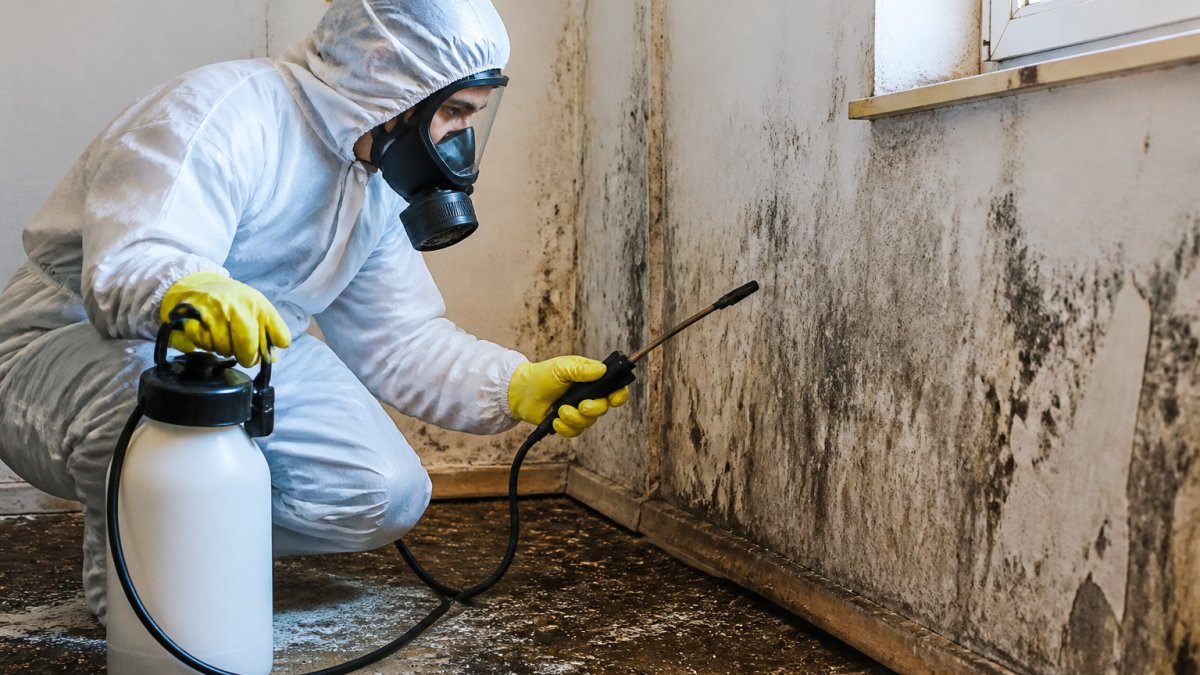
For mold, verify they understand containment and remediation standards. For fire, confirm smoke cleanup and odor removal experience. For flood damage, ensure they know the difference between clean, gray, and black water, each requires different protocols. A company that can't explain these distinctions isn't qualified.
Questions to Ask a Restoration Contractor Before Hiring
Before you authorize work, get answers to specific questions. These protect you from surprise costs, poor workmanship, and insurance disputes.
Response Time and Initial Assessment
Ask: "How quickly can you arrive at my property?" A genuine 24-hour restoration company should give you a specific timeframe. "We'll be there when we can" is not.
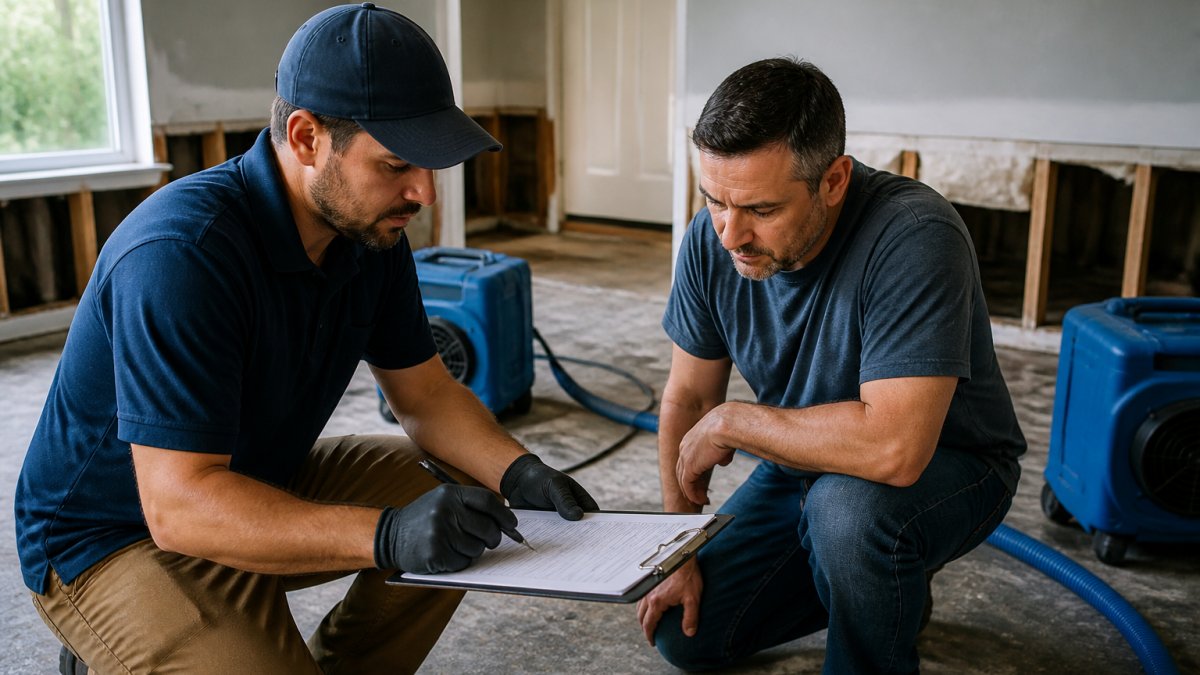
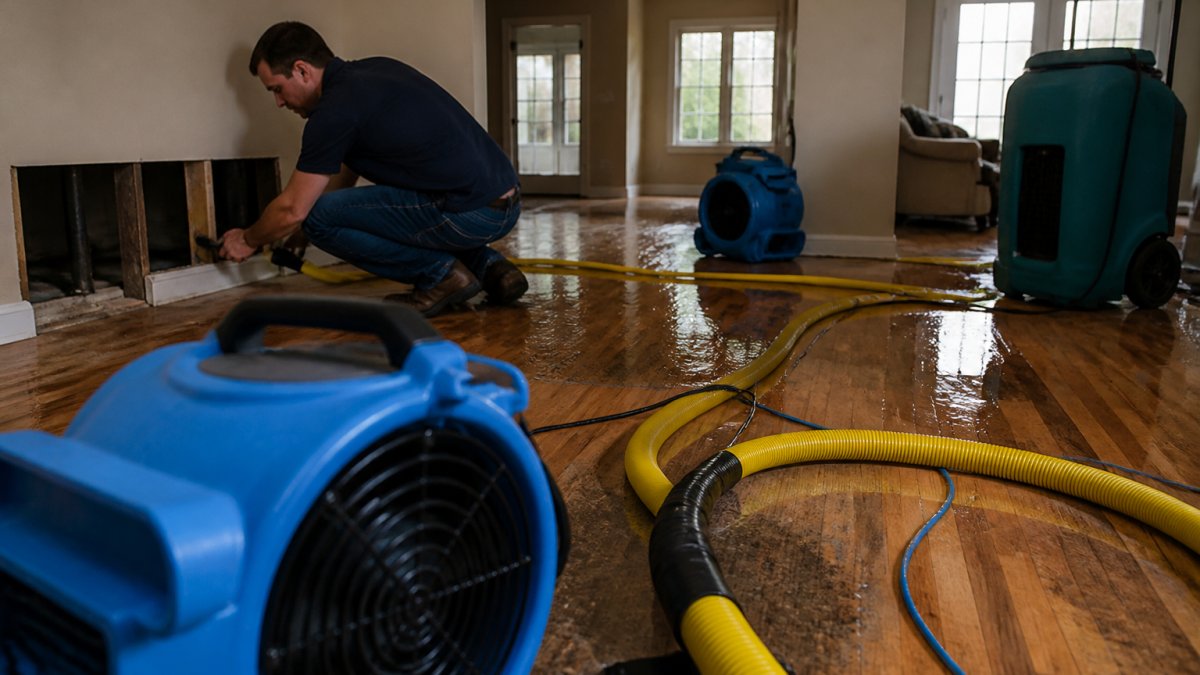
Ask: "What happens during your initial assessment?" A professional crew documents the damage with photos and notes, explains what they see, and outlines the scope, including what's visible versus hidden, like water behind walls, mold in crawl spaces, or smoke damage in HVAC systems.
Ask: "Will you provide a written estimate before starting work?" Legitimate restoration companies provide written estimates that detail the scope, timeline, and cost. If a company wants to start work before providing an estimate, walk away. An estimate protects both you and the company by creating a clear agreement on what will be done.
Scope, Timeline, and Cost Transparency
Ask: "What's included in your estimate?" It should break down labor, equipment, materials, and subcontractor costs, and specify what's included, for example, drying time only versus repairs and restoration.
Ask: "How long will this take?" Water removal might take days, drying weeks, and mold or fire cleanup longer. A credible company explains the timeline, why each phase takes time, and what happens if hidden damage extends it.
Ask: "What happens if the scope changes?" Damage assessment can reveal problems not visible initially. A wall that appears dry may have moisture inside. A room may need more extensive cleanup than expected. Ask how the company handles scope changes and whether they'll provide an updated estimate before proceeding.
Insurance Coordination and Payment Terms
Ask: "Do you work with insurance companies?" Most restoration work is covered by property insurance. An experienced company coordinates directly with your adjuster, provides required documentation, and handles the claims process efficiently.
Ask: "How do you handle payment?" Some require payment upfront, others bill insurance directly, and some take a deposit and bill insurance for the rest. Understand the structure before work begins, and ask what out-of-pocket costs you owe and when.
Ask: "What if my insurance denies the claim?" This is a worst-case scenario, but it happens. Ask how the company handles it. Will they work with you to appeal the denial? Will they negotiate a reduced rate? Understand your liability before authorizing work.
Understanding the Restoration Company Insurance Claim Process
Most restoration work is covered by property insurance, but the process isn't automatic. Understanding it prevents delays and disputes.
When you file a claim, your insurer assigns an adjuster who inspects the damage and determines coverage, that assessment drives the claim amount. An experienced restoration company knows what documentation the adjuster needs and provides it proactively.
Ask your restoration company: "What documentation will you provide for the claim?" They should supply before-and-after photos, itemized invoices, and detailed work descriptions to support your claim and prevent coverage disputes.
Policies have deductibles (what you pay out of pocket) and coverage limits (what the insurer pays). Ask your insurance agent about your specific coverage before authorizing work, a restoration company can explain what's likely covered, but your agent has the final word.
Timing matters: insurers expect prompt claims, and delays in filing or starting restoration can complicate them. Contact your insurance company and a restoration company the same day to protect your claim and prevent additional damage.
Emergency Water Damage Restoration: What to Do Before the Crew Arrives
The first few hours after water damage are critical. What you do before the crew arrives can limit damage and support restoration.
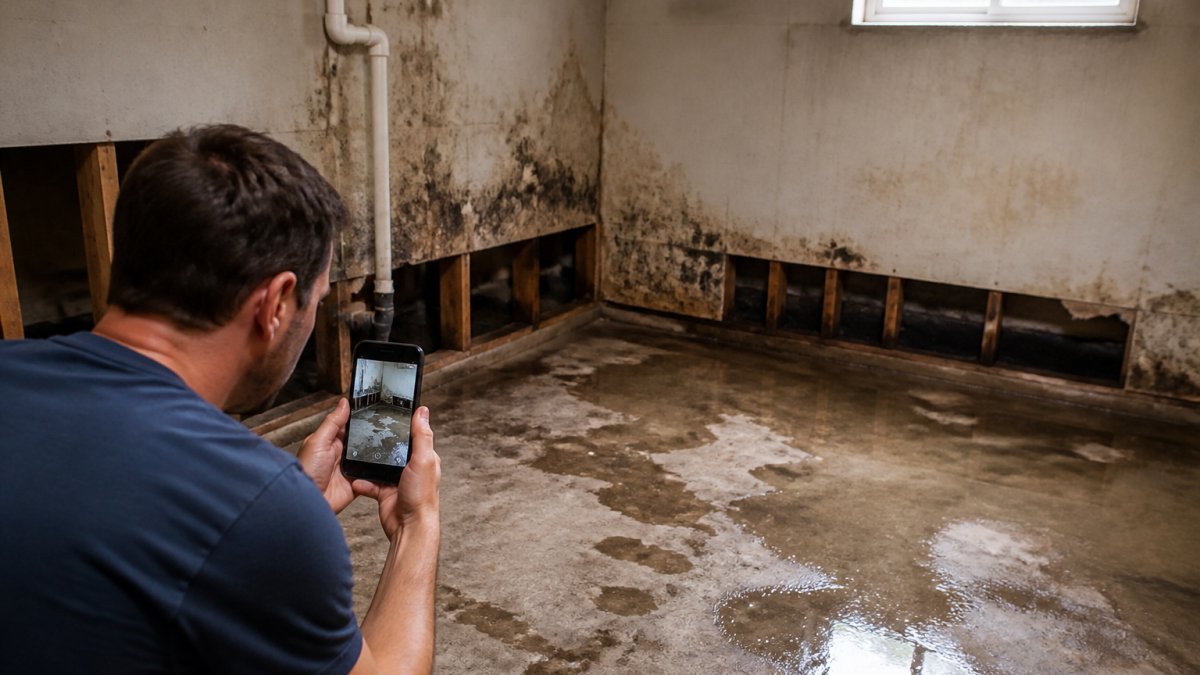
Stop the water source if it's safe: shut off the main valve for a burst pipe, or close windows and tarp openings to block rain.
Document the damage with photos and video of standing water, wet materials, and visible damage to support your insurance claim.
Remove standing water only if safe, a wet-dry vacuum handles shallow water.
Open windows and doors if weather permits to increase air circulation, slow mold growth, and begin drying. Turn off HVAC systems, which can spread contamination if water entered ductwork.
Don't move wet materials into unaffected areas. Wet drywall, carpeting, and insulation should stay put until the crew assesses them, since moving them spreads moisture and mold risk.
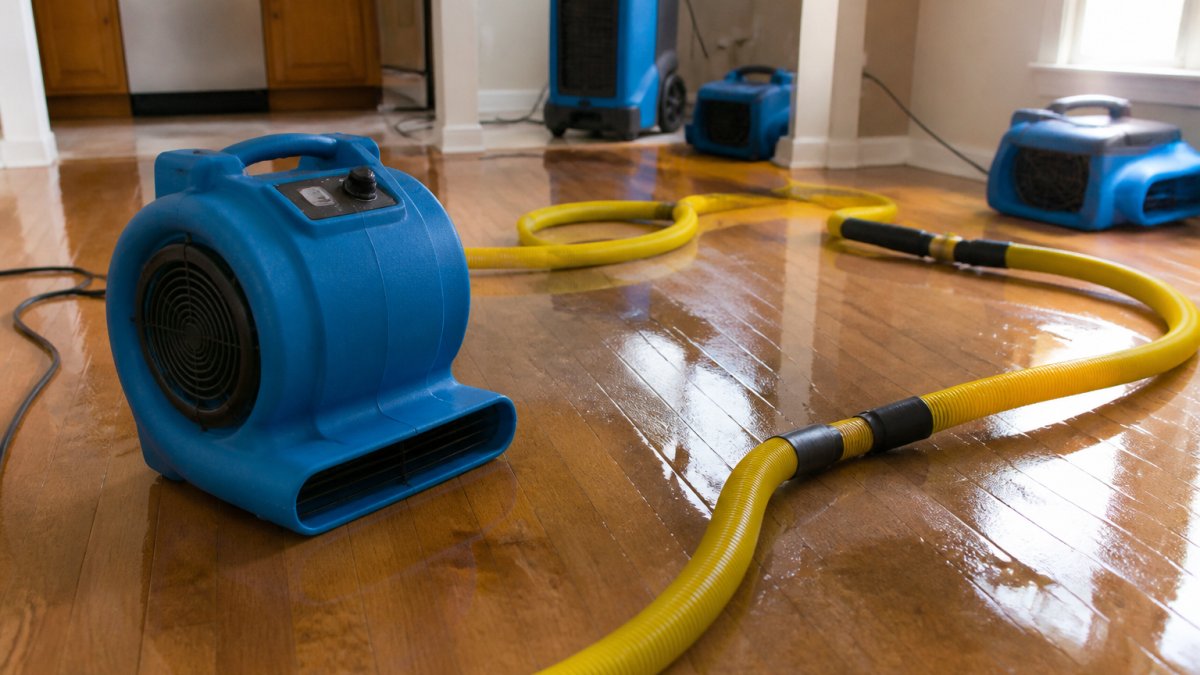
Call your insurance company and a restoration company immediately. The faster restoration starts, the better the outcome, professional drying equipment deployed within hours makes a measurable difference.
Red Flags: How to Avoid Restoration Contractor Scams
Disasters attract opportunists. Scammers pose as restoration contractors, offer fast work at low prices, then disappear after payment. Recognize the common red flags.
A company demanding full payment upfront is suspicious. Legitimate companies accept insurance payments or arrange payment terms, never hire a contractor demanding cash before work begins.
Pressure-selling services beyond your stated damage is a warning sign.
A company with no verifiable credentials, physical address, or online presence is risky. Check Google reviews, the Better Business Bureau, and your state's contractor licensing database, real companies are findable and reviewable.
A company that won't provide a written estimate before starting work is operating outside professional standards. Walk away. A written estimate is standard practice and protects you.
A company that discourages filing an insurance claim or suggests paying cash to avoid insurance involvement is engaging in fraud. Insurance fraud is illegal and you could face consequences, always file legitimate claims.
A company guaranteeing their work will never fail or that mold will never return is making impossible promises. Mold can return if moisture conditions persist.
When disaster strikes, your response in the first few hours determines your recovery. AFC Cleaning & Restoration provides expert emergency restoration services across residential and commercial properties, available around the clock with crews ready to respond immediately.
| Factor | What to Verify | Red Flag |
|---|---|---|
| Certification | IICRC credentials for your damage type | Company cannot provide proof |
| Availability | Specific response time at odd hours | Vague answers or voicemail only |
| Experience | References from similar projects | No relevant project history |
| Estimate | Written scope, timeline, and cost | Verbal estimate or pressure to start immediately |
| Insurance | Direct coordination with adjuster | Company discourages filing claims |
| Payment | Clear terms before work begins | Demand for full payment upfront |
Frequently Asked Questions
How quickly should a 24-hour restoration services company respond to my emergency call?
A true 24-hour restoration company should acknowledge your call within 15-30 minutes and dispatch a team within 1-2 hours of your initial contact, depending on their current workload and your location. Ask the contractor directly what their average response time is and whether that's a guarantee or an estimate. Verify they have dispatch staff available at night and on weekends, not just an answering service that takes messages.
What credentials should I verify before hiring a restoration contractor?
Ask to see IICRC (Institute of Inspection, Cleaning and Restoration Certification) credentials for technicians who will handle water damage, mold removal, or fire cleanup. Request proof of licensing in your state, workers' compensation insurance, and general liability coverage. Don't accept verbal assurance, ask for documentation. Verify credentials directly on the IICRC website if possible, and confirm they're current and held by the individuals who will work on your property.
Will my homeowners insurance cover emergency water damage restoration services?
Most homeowners insurance policies cover sudden water damage (burst pipes, storms) but exclude gradual damage or flooding. Coverage varies widely by policy and insurer. Contact your insurance company before or immediately after hiring a contractor, and provide them with the restoration company's estimate. Ask your insurer which contractors they prefer to work with and whether they'll coordinate payment directly. The restoration company should be able to work with your insurer's adjuster to document damage and justify costs.
How do I know a restoration contractor won't just hide mold behind the walls instead of fixing it properly?
Request a written scope of work that specifies how they'll detect hidden moisture (thermal imaging, moisture meters), what areas they'll inspect, and how they'll prevent mold regrowth. Ask whether they offer a warranty on their work and what it covers. Insist on a final moisture inspection before they close up walls. Request references from past clients with similar damage, and ask those references whether mold returned after the work was completed.