 how-to
How to File a Basement Flood Insurance Claim
Table of Contents
- What to Do After a Basement Flood
- Basement Flood Damage Documentation
- Water Removal and Drying the Basement
- Flood Insurance Claim Checklist
- How Long Does a Flood Insurance Claim Take
- Salvaging or Replacing Flooded Basement Flooring
- Preventing Mold and Addressing Moisture
- Preventing Future Basement Flooding
- Frequently Asked Questions
Last Updated: October 10, 2026
What to Do After a Basement Flood
A basement flood creates immediate stress and urgent decisions. Your first priority is safety. Your second is documentation. Your third is filing a basement flood insurance claim before water damage worsens and becomes harder to prove.
This guide from AFC Cleaning & Restoration walks you through each step. The process matters, how you respond in the first 24 hours directly affects your insurance payout and your ability to salvage flooring and structure.
Immediate Safety Steps Before Entering
Never enter a flooded basement until you've confirmed it's safe. Standing water can hide hazards. Contaminated floodwater carries serious health risks.
Turn off electricity to the basement at the main panel. Floodwater conducts electricity. Do not touch switches, outlets, or appliances while water is present. If you can't reach the panel safely, call a licensed electrician.
Check for structural damage before stepping down. Look for cracks in walls, sagging ceilings, or tilting support posts. These mean the basement may not be stable. Leave the space and call a professional.
Wear protective gear when you do enter:
- Rubber boots rated for contaminated water
- Rubber gloves
- An N95 mask
- Eye protection
Floodwater often contains sewage, chemicals, and bacteria. Assume it's contaminated until proven otherwise. Wash thoroughly after any contact.
Assess the Extent of Flooding and Damage
Document water levels before you remove anything. Take photos of the waterline on walls. Measure the depth in multiple spots. This visual record proves the severity to your insurance company.
Check which materials got wet. Drywall absorbs water and swells. Flooring buckles and warps. Insulation loses effectiveness. Wooden studs and joists may rot if not dried quickly.
Look at the subfloor beneath any finished flooring. If the subfloor is wet, the flooring above it cannot dry from underneath.
Test moisture levels with a moisture meter if you have one. Readings above 20% indicate the material is still saturated. Readings below 12% suggest the material may be salvageable.
Basement Flood Damage Documentation
Documentation is your proof. Insurance companies pay claims based on what you can show them. Photos, videos, and detailed inventories create the evidence your claim needs.
Photographing and Recording Damage
Take photos and video before you remove anything. Capture the water level, stained walls, and wet flooring. Show the full scope of the basement.
Photograph each damaged item individually. Close-ups show condition clearly. Wide shots show how much area is affected.
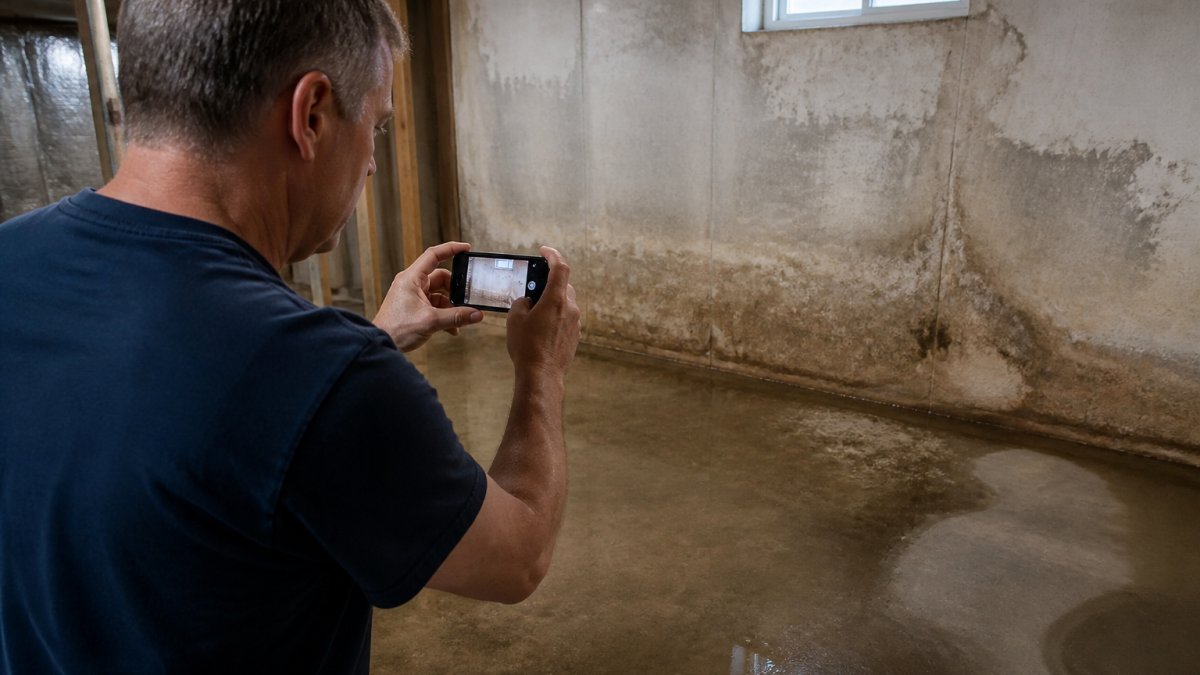
Record the date and time on each photo. Include reference objects in photos so scale is clear. A ruler or coin helps show how deep stains go.
Video is powerful. Walk through the basement slowly. Narrate what you see. Describe the damage, the water level, and affected areas.
Creating a Detailed Inventory
List every damaged item. Include furniture, appliances, flooring, and materials. Write down the original purchase price if you remember it.
For flooring, note the type, age, and condition before the flood. Hardwood flooring that's 15 years old has less value than new carpet. Your insurer needs to know what was there.
Document structural damage. List any cracks, warping, or rot. Note which walls and areas are affected. Measure the square footage of damaged flooring.
Create a spreadsheet or written list:
- Item name
- Room location
- Estimated replacement cost
- Original purchase date
- Photos taken (yes/no)
Store this list in multiple places. Email it to yourself. Keep a printed copy. Back it up to cloud storage. If your home is damaged further, you still have the record.
Water Removal and Drying the Basement
Standing water must be removed quickly. Every day it sits increases mold risk and damage to structure and flooring.
Use a pump or wet/dry vacuum to extract standing water. Pump water away from the foundation. Do not pump it back toward the house.
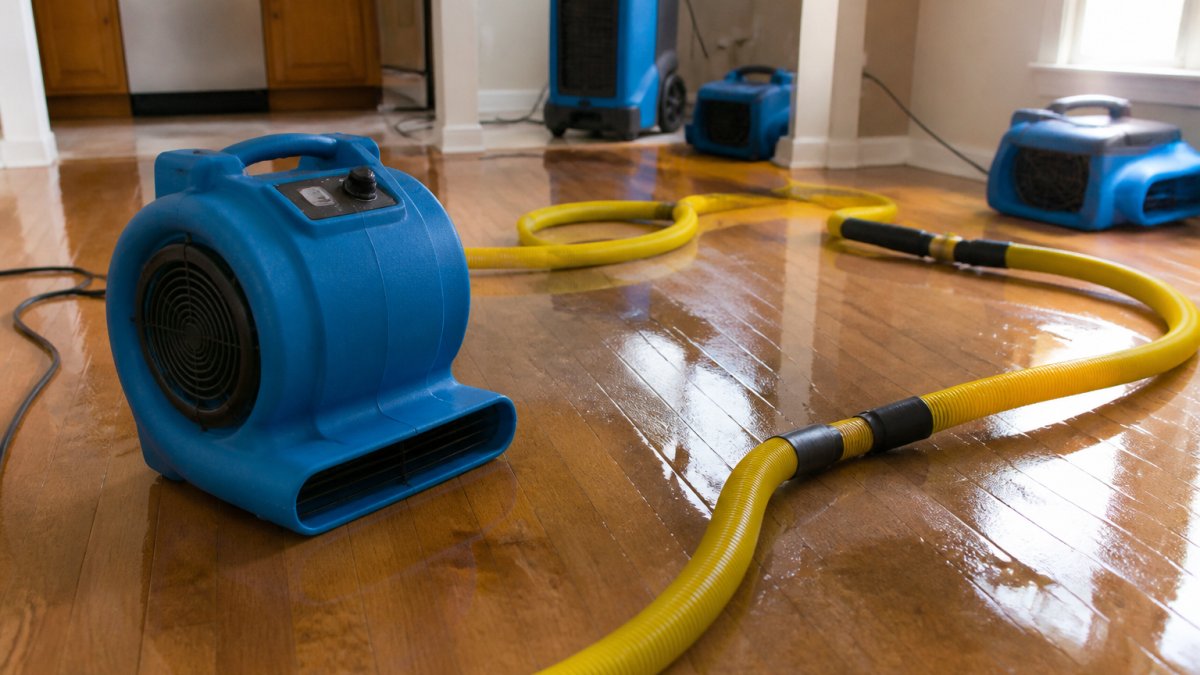
After water removal, focus on drying. Open windows if humidity outside is lower than inside. Run dehumidifiers continuously. Position fans to move air across wet surfaces.
Drying takes time. Concrete floors dry faster than wood. Drywall can take weeks. The subfloor beneath flooring often takes 7-14 days to dry completely.
Check moisture levels daily. Use a moisture meter on walls, floors, and subfloors.
Flood Insurance Claim Checklist
Your insurance company needs specific documents to process your claim. Gather these before you call them.
Documents You'll Need to Gather
Collect your insurance policy and the declaration page. Know your coverage limits and deductible. Some policies exclude basement flooding. Check yours.
Gather all photos and video from the damage assessment. Print the best photos. Write captions describing what each shows.
Bring your detailed inventory list. Include replacement costs for each item. Get quotes from contractors for structural repairs and flooring replacement.
Collect receipts for any emergency work you've done. If you hired a water removal company or bought supplies, keep those invoices. Many policies cover emergency mitigation.
Document the water source. Was it heavy rain, a burst pipe, or backed-up sewer? Flood insurance covers rain and natural water. Standard homeowner's insurance covers burst pipes. Sewer backup is often excluded.
Step-by-Step Filing Process
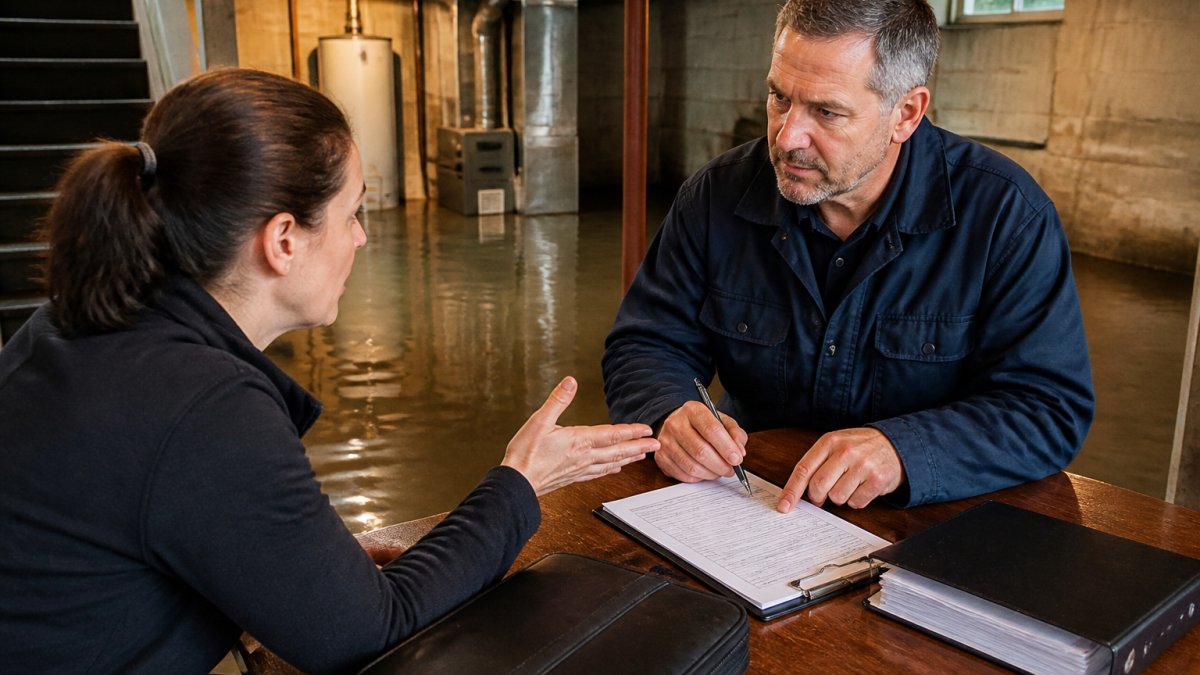
Call your insurance company within 48 hours of the flood. Report the loss immediately. Delays can complicate claims.
Describe the damage clearly. Explain the water source. Tell them what you've already done to prevent further damage.
Ask for a claim number. Use it on all documents you send.
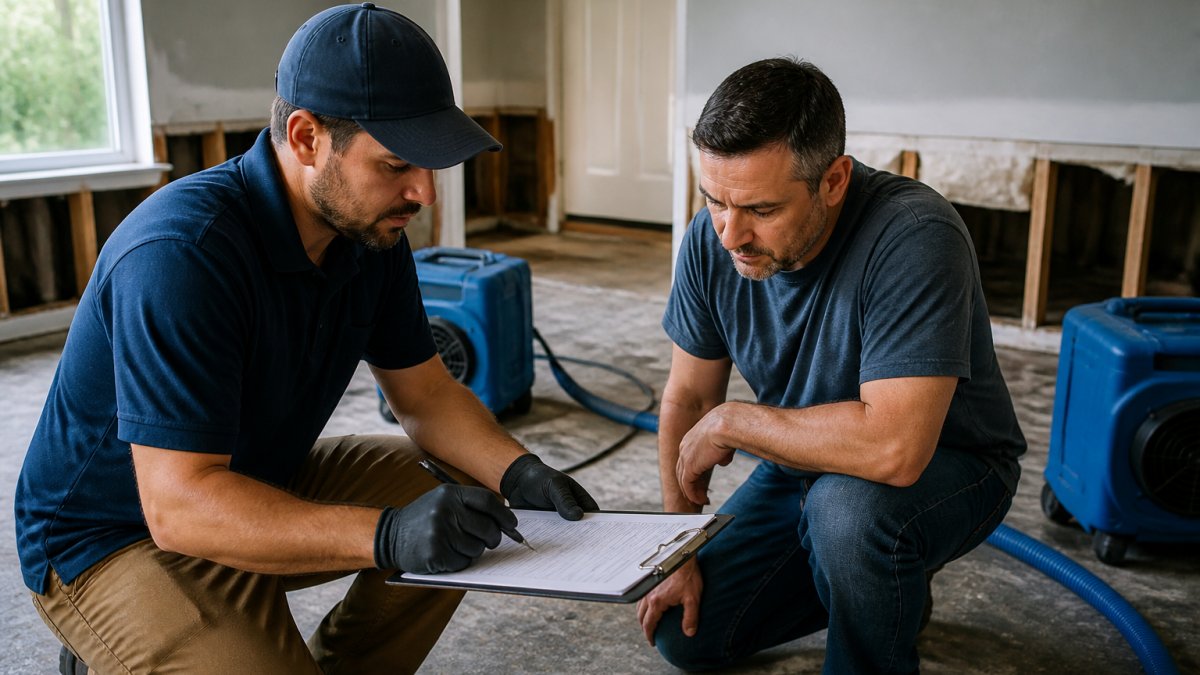
Schedule the insurance adjuster's inspection. The adjuster will visit to assess damage and estimate repair costs. Be present during the inspection. Point out all damage.
Submit your claim packet. Include the completed claim form, photos, inventory, contractor quotes, and receipts. Email or mail it according to your insurer's instructions.
Follow up weekly. Ask about claim status. Keep a log of all communications. Insurance companies process claims faster when you stay engaged.
How Long Does a Flood Insurance Claim Take
Most flood insurance claims take 30-90 days from filing to settlement. Complex claims with structural damage take longer.
The timeline depends on several factors:
- How quickly you file
- How complete your documentation is
- The extent of damage
- Whether the adjuster needs a second inspection
- How busy your insurance company is during flood season
Your first 48 hours matter most. File quickly. Provide complete documentation. Respond fast to adjuster requests. This accelerates the process.
Salvaging or Replacing Flooded Basement Flooring
The biggest decision after basement flooding is whether to salvage or replace your flooring. This choice depends on the material, the water source, and how quickly you dried it.
How Different Flooring Materials Respond to Water
Hardwood flooring absorbs water and swells. Even after drying, it often buckles or cups. Most hardwood cannot be saved after basement flooding. Replacement is usually necessary.
Laminate flooring delaminates when wet. The layers separate. Once delaminated, it cannot be repaired. Replace it.
Vinyl plank flooring (LVP) resists water better than wood or laminate.
Tile flooring itself resists water. But tile sits on mortar and grout, which absorb water.
Carpet absorbs and holds water. It dries slowly and becomes a mold breeding ground. After basement flooding, carpet almost always needs replacement.
Concrete floors dry relatively quickly if they're sealed. Unsealed concrete absorbs water deeply. Drying can take weeks. Even then, moisture may remain trapped inside the concrete.
Inspecting the Subfloor and Determining Salvageability
The subfloor is the hidden layer beneath your flooring. It determines whether any finished flooring can be saved.
Check the subfloor moisture level with a moisture meter. Readings above 20% mean the subfloor is still saturated. It cannot support new flooring until it dries.
Look for rot, soft spots, or visible mold on wood subfloors. These mean the subfloor must be replaced. Structural integrity is compromised.
If the subfloor is wet, increase drying efforts. Run dehumidifiers. Increase air circulation. Raise the temperature if possible. Warm, dry air speeds drying.
Retest the subfloor every 3-5 days. When moisture readings drop below 12%, the subfloor is dry enough to accept new flooring.
Replacement Timeline and Decision Process
Make the replacement decision based on three factors: material type, water source, and subfloor condition.
If the water was clean (burst pipe, not floodwater), and the subfloor dried within 7 days, vinyl plank flooring may be salvageable.
If the water was contaminated floodwater, replace all flooring. Mold risk is too high to salvage anything.
If the subfloor is wet, you must replace the flooring. Wet subfloors cannot support new flooring and create mold hazards.
Replacement typically takes 1-2 weeks after the subfloor is dry.
Budget for replacement costs. Vinyl plank flooring costs less than hardwood. Tile costs more. Labor adds significantly to total cost. Get multiple contractor quotes before deciding.
Preventing Mold and Addressing Moisture
Mold grows in wet, dark spaces. Basements are ideal for mold. After flooding, mold prevention is critical.
Keep humidity below 50% (the CDC). Run dehumidifiers for weeks after the flood. Even after water is gone, moisture lingers in walls and materials.
Increase air circulation. Open windows when outside humidity is lower. Run fans continuously. Air movement dries materials faster.
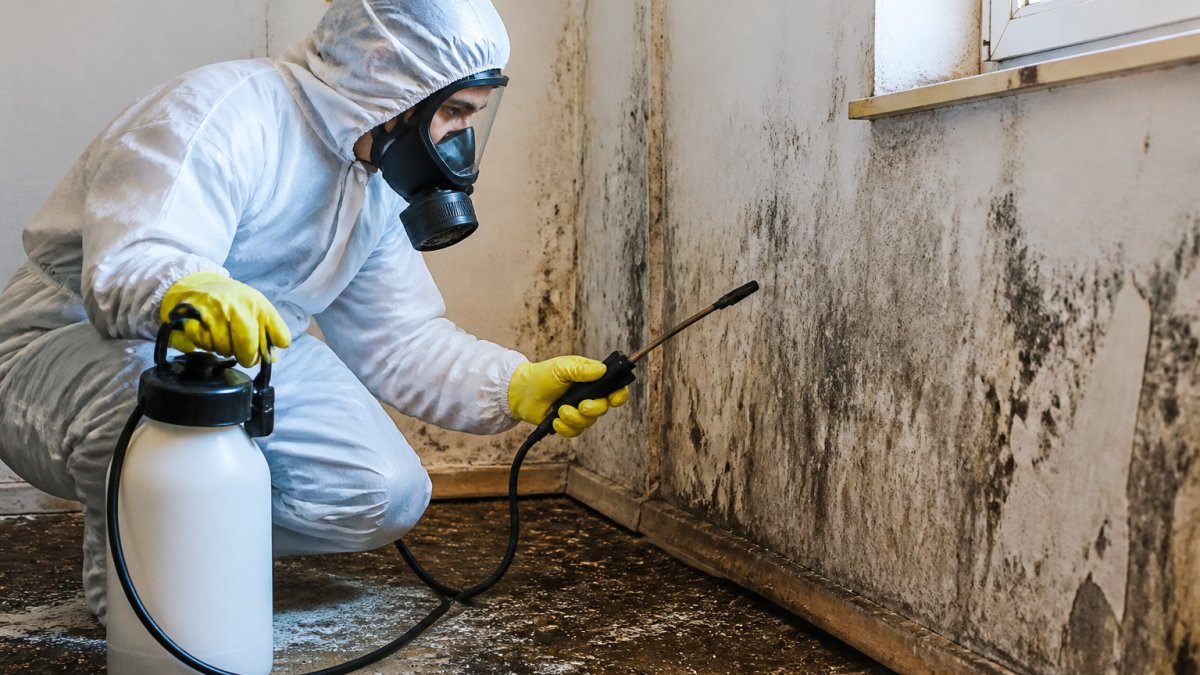
Clean all surfaces with a disinfectant. Floodwater leaves bacteria and contaminants. Disinfection reduces mold spores and health hazards.
Watch for mold growth. Black or green spots on walls or materials indicate mold. Mold smells musty.
AFC Cleaning & Restoration specializes in mold remediation after flooding. If mold appears, professional treatment is faster and more effective than DIY approaches.
Preventing Future Basement Flooding
Once you've dealt with one flood, prevent another.
Install a sump pump if you don't have one. Sump pumps remove water that accumulates around your foundation.
Grade soil away from the foundation. Water should flow away from the house, not toward it.
Install interior or exterior drain tile. Drain tile systems collect water before it enters the basement.
Seal cracks in the foundation. Small cracks allow water seepage. Larger cracks need professional repair.
Install a backup sump pump or battery backup.
Keep gutters and downspouts clear. Clogged gutters overflow and direct water toward the foundation. Clean gutters twice a year.
Consider flood vents or flood barriers for basement windows. These allow water to drain without entering the basement.
Basement flooding creates urgent pressure to act.
Frequently Asked Questions
What should I do first after my basement floods?
First, ensure your safety by turning off electrical power to the basement if it's safe to do so, and avoid entering standing water until you've assessed contamination. Document the damage with photographs and video before water removal begins. Contact your insurance company within 24-48 hours to report the claim. If the water is contaminated (from sewage or external floodwater), do not attempt cleanup yourself, hire a professional water damage restoration company. Begin water extraction and drying only after documentation is complete and your insurance adjuster has been notified.
Does homeowners insurance cover basement flooding?
Standard homeowners insurance does not cover flooding from external sources like heavy rain, overflowing rivers, or storm surge. However, if the flooding resulted from a covered peril (burst pipe, faulty sump pump, or plumbing failure inside your home), your homeowners policy may cover it. Flooding from ground seepage or groundwater requires separate flood insurance, which must be purchased through the National Flood Insurance Program (NFIP) or a private insurer. Review your policy or contact your agent to confirm what your coverage includes.
What documentation do I need for a basement flood insurance claim?
Gather photographs and video of all water damage, damaged flooring, and affected items. Create a detailed inventory of damaged property with purchase dates and estimated replacement costs. Keep receipts for any emergency water removal or temporary repairs. Document the water source (burst pipe, heavy rain, sump pump failure) with written details. Preserve damaged materials when possible for the adjuster to inspect. Collect your homeowners or flood insurance policy, proof of coverage, and any previous damage reports. Keep records of all communications with your insurance company, including dates, names, and claim numbers.
How long does a flood insurance claim take to process?
Most flood insurance claims are processed within 30-60 days from the date of filing, though complex claims may take longer. The timeline depends on the extent of damage, availability of the adjuster, and completeness of your documentation. Initial inspection typically occurs within 5-10 business days of filing. Once the adjuster completes their assessment, the insurance company has up to 30 days to make a determination. Delays can occur if additional documentation is needed or if the claim requires further investigation. Staying organized and responsive to your insurer's requests helps accelerate the process.