 how-to
How to Handle a 2AM Flood: Emergency Steps That Work
Table of Contents
- Your First 10 Minutes: A 2AM Flood Triage Checklist
- Steps to Take After Basement Flooding: Source, Shut-Off, and Stop the Flow
- Emergency Water Damage Restoration: When to Call a 24/7 Crew
- What to Do While You Wait for Help
- Documenting Damage for a Night-Time Insurance Claim
- The Water Damage Cleanup Timeline: Hour by Hour
- Frequently Asked Questions
Last Updated: September 26, 2026
Your First 10 Minutes: A 2AM Flood Triage Checklist
Water in your home at 2 a.m. is a crisis, and the first ten minutes decide how bad it gets. Knowing how to handle a 2am flood starts with one rule: people first, property second. At AFC Cleaning & Restoration, we have answered overnight emergency calls since 2003, and the homeowners who stay calm follow the same short checklist every time.
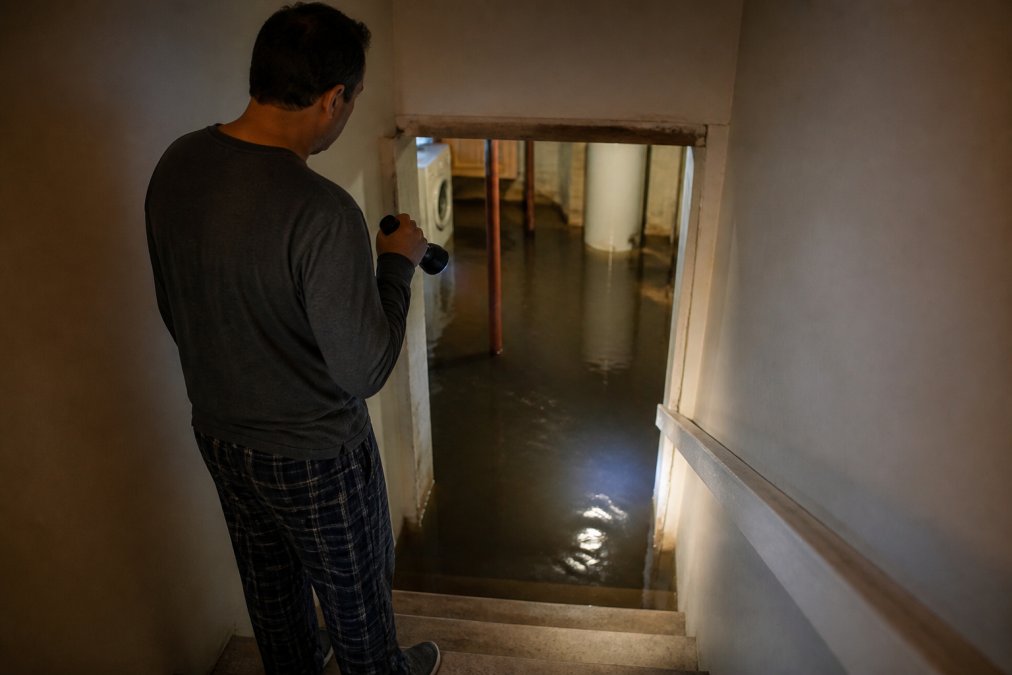
Here is your 2AM triage checklist:
- Wake everyone and move them to a safe, dry room
- Count heads and account for every person and pet
- Keep everyone out of the flooded area
- Kill the power only if you can reach the panel while standing on dry ground
- Call a 24/7 restoration line before you start moving belongings
Get People Out and Account for Everyone
Safety comes before any cleanup. Get everyone out of the flooded area and onto dry ground, then do a quick headcount.
- Wake children, older adults, and anyone who sleeps deeply
- Carry or guide anyone who cannot walk through water
- Grab pets and keep them leashed or crated
- Move to a room on a higher level if you have one
- Never let anyone wade into standing water to grab a phone or a laptop
Kill the Power Before You Touch the Water
Electricity and standing water are a deadly pair. If water is anywhere near outlets, appliances, or a basement floor, treat the whole area as live until you shut the power off.
- Stand on a dry surface before you touch the panel
- Never stand in water while flipping a breaker
- If the panel itself is wet or submerged, leave it alone and call for help
- Use a flashlight, not your phone light, so your hands stay free
- Warn everyone to stay away from the flooded zone until power is off
The Breaker Box Rule That Most Homeowners Get Wrong
This is the part almost every online guide skips, and it is the part that can kill you. The breaker panel is usually in the basement, the garage, or a utility closet, which means it is often in or near the very water you are trying to escape.
- If the panel is dry and you can reach it on dry ground: switch the main breaker to OFF before you do anything else. Kill the whole house, not just the basement circuit. Partial shut-offs leave live circuits you cannot see.
- If the panel is wet, submerged, or you would have to stand in water to reach it: do not touch it. Do not flip a single breaker. Call 911 or your utility's emergency line and tell them the panel is in standing water.
- If you are not sure whether the floor is dry: assume it is not. Water wicks under flooring and along joists, so a floor that looks dry at the top of the stairs can be soaked an inch away.
A few mechanisms worth knowing:
- Water conducts electricity, and even a few inches can carry current from a submerged outlet or appliance to your feet.
- A standard household circuit is 120 volts; a dryer, range, or HVAC circuit is 240 volts. Either is enough to cause cardiac arrest in the right conditions.
- GFCI outlets trip on ground faults, but they do not protect you from a panel that is already submerged.
- Rubber-soled shoes and rubber gloves reduce risk but do not make standing in water near live current safe. There is no safe way to wade to a live panel.
What Not to Do in the First 10 Minutes
- Do not wade in to save furniture, electronics, or paperwork
- Do not turn on lights or use a phone flashlight while standing in water
- Do not assume the water is clean, it may be sewage or gray water
- Do not start a shop vacuum or wet/dry vac near standing water
- Do not open the breaker panel if you smell burning or see scorch marks
Once people are safe and the power is handled, you can move on to finding the source and stopping the flow.
Steps to Take After Basement Flooding: Source, Shut-Off, and Stop the Flow
Once people are safe and the power is off, the next steps to take after basement flooding are simple: find the source, stop the flow, and keep the water from spreading. You cannot fix a flood you have not found.
Find Where the Water Is Coming From
Look before you touch. Water usually comes from one of four places, and each one needs a different response.
- Burst pipe or supply line: shut off the main valve right away
- Sump pump failure: check the pit and the discharge line outside
- Sewer backup: stop using all water in the house immediately
- Outside water: heavy rain, a flash flood, or a cracked foundation
Shut-Off Valves, Sump Pumps, and Manual Override
Knowing your shut-off valve saves thousands in damage. Find it before you need it, usually near the water meter or where the main line enters the house.
- Turn the main valve clockwise until it stops
- For a sump pump, check that the float is not stuck
- Try a manual override if the pump has one
- Reset the pump only after you clear the intake
- If the pump still will not run, expect water to keep rising
Emergency Water Damage Restoration: When to Call a 24/7 Crew
Call a professional when the water is more than a few centimeters deep, when it is contaminated, or when it has reached drywall, insulation, or carpet. Emergency water damage restoration is not a DIY job once water soaks into building materials.
Call right away if you see any of these:
- Sewage or gray water, which carries bacteria
- Water deeper than a shallow puddle across a whole room
- Water touching outlets, wiring, or your HVAC system
- Soaked drywall, carpet, or insulation
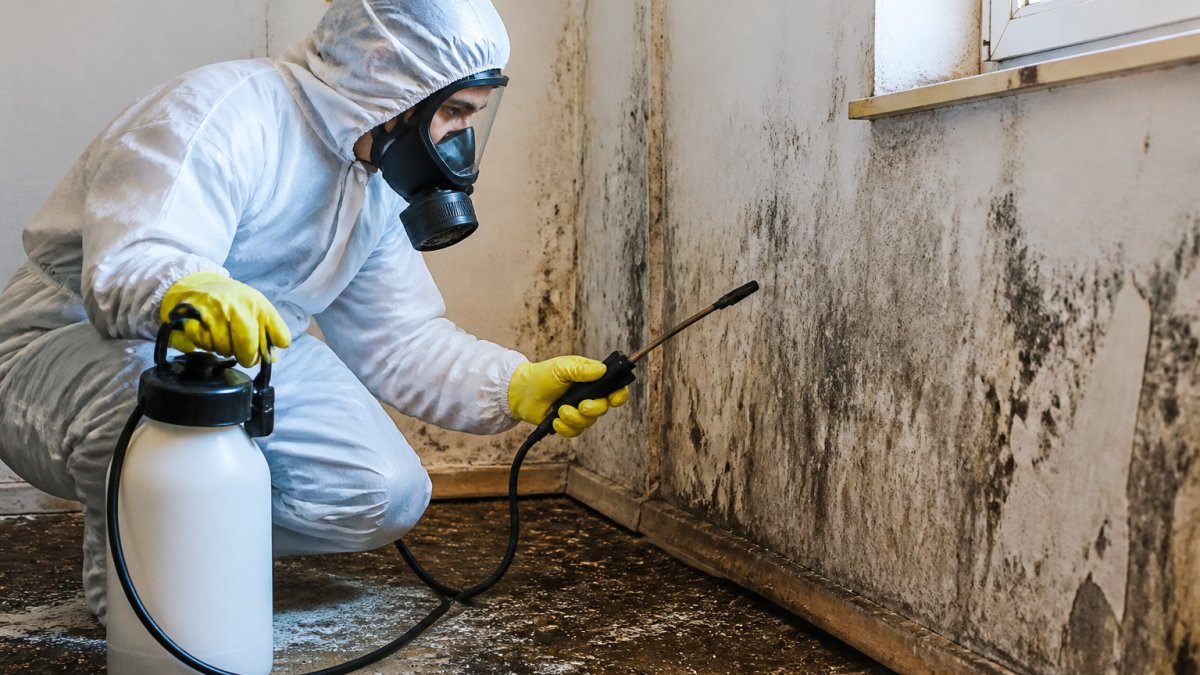
- Any sign of mold, or water that has sat for more than a day
What to Do While You Wait for Help
Use the wait time to slow the damage without putting yourself at risk. Small moves now prevent big repair bills later.
- Shut off the water and power if you have not already
- Move furniture, rugs, and electronics off wet floors
- Prop up wet cushions and separate them so air can reach them
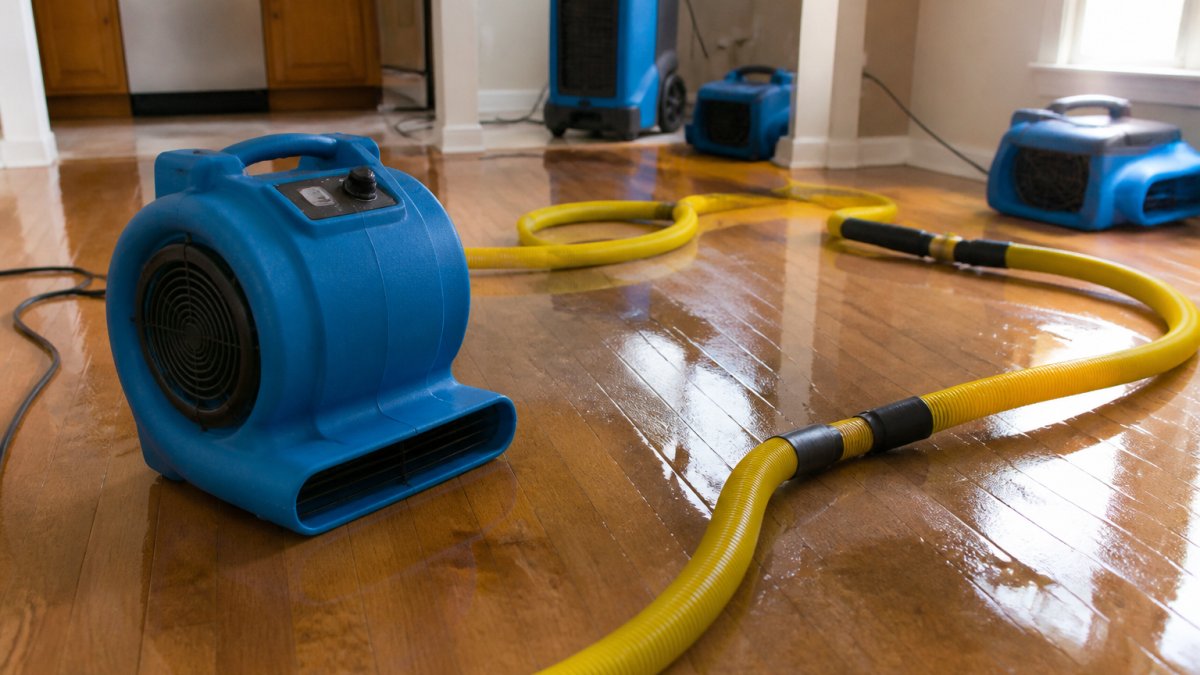
- Run fans and a dehumidifier only in dry, safe areas
- Do not use a shop vacuum near standing water
- Do not walk through contaminated water in bare feet
Documenting Damage for a Night-Time Insurance Claim
A strong insurance claim starts with good photos taken before anything is moved. Most policies require you to report damage promptly and to prevent further damage, so document first, then clean. The catch is that a 2 a.m. flood happens in the dark, and the photos you take at 2 a.m. are the ones your adjuster will rely on weeks later.
How to Document a Flood in the Dark
You do not need professional gear. You need light, a steady hand, and a system.
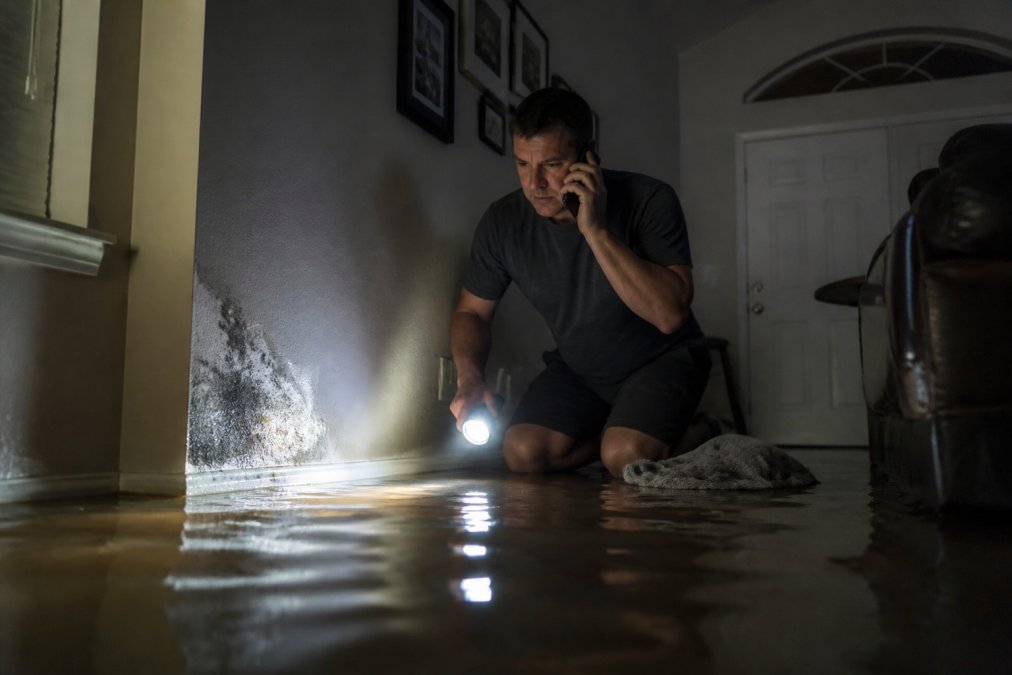
- Light the scene, not the lens. Use a flashlight or a work light aimed at the wall or floor from the side. A direct flash on a wet surface creates glare that hides the water line.
- Turn on every light that is safe to turn on. If the power is off, use battery lanterns or a phone flashlight held by a second person so your hands are free for the camera.
- Shoot wide, then close. Start with a wide shot of each room showing the doorway for context, then move in for close-ups of the water line on the wall, damaged items, and the source.
- Photograph the water line before it dries. That mark on the drywall is your best proof of how high the water reached, and it fades within a day as the wall dries.
- Include a reference object. A ruler, a tape measure, or even a standard sheet of paper next to the water line gives the adjuster scale.
- Film a slow walkthrough. A 60- to 90-second video with the lights on, narrating what you see, captures things a still photo misses.
- Timestamp everything. Most phone cameras embed the date and time automatically. Do not edit or crop the originals.
What to Capture Before You Move Anything
- Each flooded room from several angles, with the doorway visible
- Close-ups of damaged items and water lines on walls
- The source of the water, the burst pipe, the failed sump pump, the backed-up drain
- Appliances, HVAC equipment, and the water heater if they were touched by water
- Any standing water still on the floor, with a reference object for depth
- Serial numbers and model plates on damaged appliances and electronics
The Paper Trail That Survives the Night
Photos are only half the claim. The other half is the record you build while the event is fresh.
- List damaged items with rough ages and values, a phone note is fine, but write it the same night
- Keep receipts for any hotel, food, or supplies you buy because of the flood
- Save every text and email with your insurer, and note the date and time of each call
- Write down the name of every person you speak with and any claim number they give you
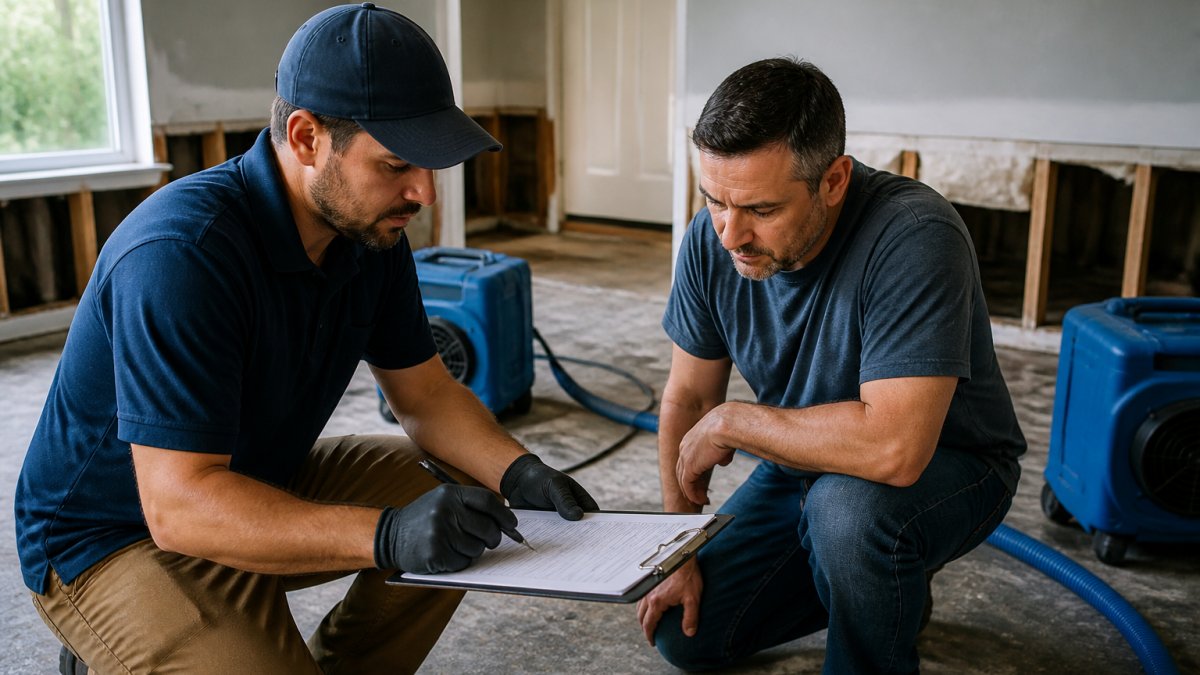
- If you hire a restoration crew, keep their invoice and their moisture readings
Reporting Deadlines and the Prompt-Notice Rule
Most homeowners policies require you to report a loss promptly, often within a set number of days, and the clock starts the night of the flood, not the morning after. Call your insurer's 24-hour claims line the same night if you can, even if you only leave a voicemail. The timestamp on that call is your proof that you gave prompt notice.
- Report the loss before you start major cleanup, if possible
- If you must clean to prevent further damage, photograph first and note what you removed
- Keep damaged items until the adjuster says you can throw them out, do not haul everything to the curb on night one
- Ask whether your policy covers temporary housing, and get the approval in writing before you book a hotel
The Water Damage Cleanup Timeline: Hour by Hour
The water damage cleanup timeline is predictable, and knowing it helps you plan. Speed matters because mold can start growing within a day or two of a flood.
| Timeframe | What Happens | Who Does It |
|---|---|---|
| First hour | Safety, shut-off, call for help | You |
| Hours 1-4 | Water extraction begins | Restoration crew |
| Days 1-3 | Drying and dehumidification | Restoration crew |
| Days 3-5 | Moisture checks and monitoring | Restoration crew |
| Week 1-2 | Repairs, drywall, flooring | Contractors |
| Week 2+ | Final walkthrough and mold check | Crew and you |
Frequently Asked Questions
What is the first thing to do when you discover indoor flooding at 2 AM?
Get everyone out of the flooded area first, then cut power at the main breaker only if you can reach it without stepping in water. Call a 24/7 restoration line from a dry room. Standing water can carry sewage, chemicals, and live current, so treat every flooded basement as unsafe until the power is off and a professional has assessed it.
How do you safely shut off electricity during a flood?
Stand on a dry surface and use a dry hand or a dry wooden stick to flip the main breaker. Never enter standing water to reach the panel. If the breaker box is in the flooded space, or if you see sparks, hear buzzing, or smell burning, leave it alone and call your utility company and a licensed electrician. Water and live current together are the leading cause of injury in night-time flood events.
Does homeowners insurance cover emergency water extraction?
Most standard policies cover sudden and accidental water damage, including emergency extraction, but exclude gradual leaks and outside surface flooding. That is why you document everything before cleanup starts: photos of standing water, the source, and damaged belongings. Call your insurer's 24-hour claims line the same night, and keep every receipt. An IICRC-certified restoration company can provide the moisture readings and reports your adjuster needs.
How long can water sit before mold grows?
Mold can begin colonizing wet drywall, carpet, and wood within 24 to 48 hours. That window is why the water damage cleanup timeline matters: extraction and dehumidification in the first day, structural drying over the next three to five days, and a final moisture check before any rebuild. If water sat longer than two days before you found it, ask for a mold assessment as part of the scope.
A flood at 2 a.m. feels overwhelming, but the right help turns a disaster into a repair. AFC Cleaning & Restoration has served the greater Kansas City area since 2003 with IICRC-certified technicians, 24/7 dispatch, and full support for both homes and commercial buildings. We handle water extraction, dehumidification, mold prevention, and insurance documentation so you are not facing it alone. Get started with AFC Cleaning & Restoration and get your property back to normal.