 how-to
How to Handle Insurance Water Claims: 7 Steps
Table of Contents
- Immediate Actions: Stop the Source and Prevent Further Damage
- Document Everything: Photography and Damage Inventory Before Cleanup
- Notify Your Insurance Company Promptly
- What to Say to an Insurance Adjuster About Water Damage
- How Long Does a Water Damage Insurance Claim Take
- Does Homeowners Insurance Cover Mold Removal
- Evaluating Repair Estimates and Settlement Offers
- What Happens If Your Claim Is Denied or Underpaid
- Frequently Asked Questions
Last Updated: October 12, 2026
Immediate Actions: Stop the Source and Prevent Further Damage
The first hours after discovering water damage are critical, and understanding how to handle insurance water claims starts with these immediate steps: stop the source and prevent further damage.
Stop the water at its source immediately. For a burst pipe, turn off your main water valve. For a roof leak, move valuables away from the affected area. For a leaking appliance, unplug it and shut off its water line if possible.
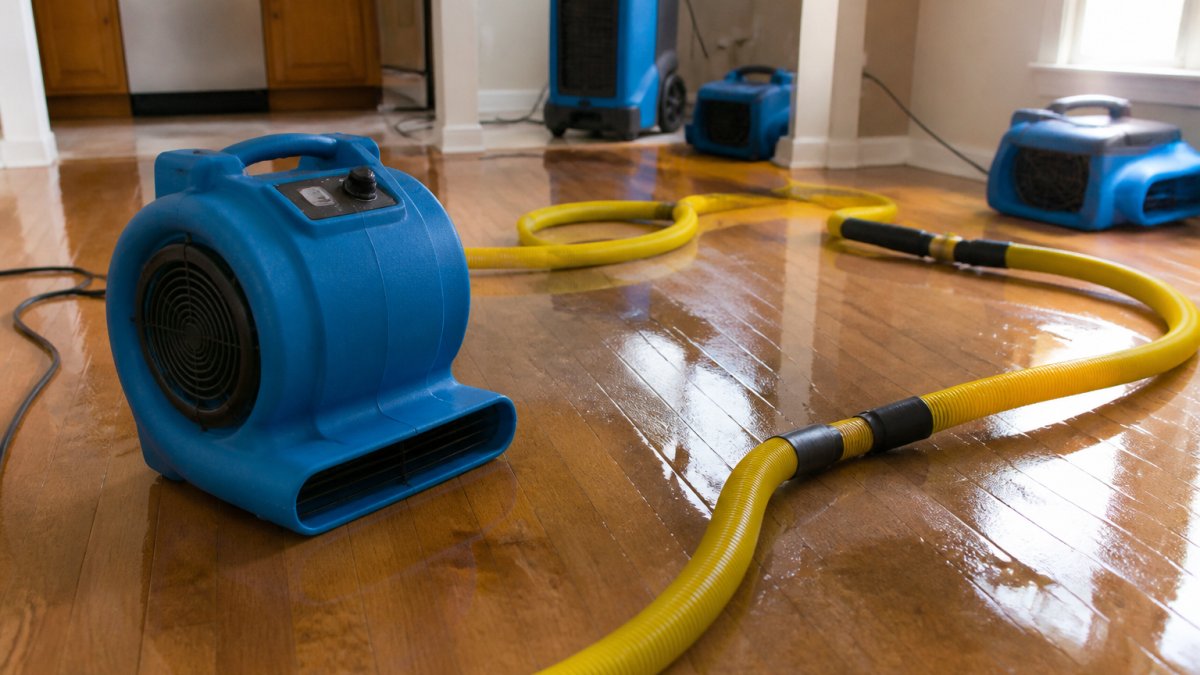
Next, remove standing water with towels, mops, or a wet vacuum, then open windows and doors and run fans to dry the area faster and prevent mold growth.
Document the water source before you clean. Take photos showing where the water came from, since your insurance company needs this to determine whether the damage is covered.
Move wet furniture, electronics, and belongings to a dry area, separating items that can dry from those that may be ruined. This protects your belongings and gives your adjuster a clear view of the damage.
Key actions to take immediately:
- Turn off the water main if a pipe burst
- Move standing water with towels or a wet vacuum
- Increase air circulation with fans and open windows
- Document the water source with photos
- Move wet items to a dry location
Document Everything: Photography and Damage Inventory Before Cleanup
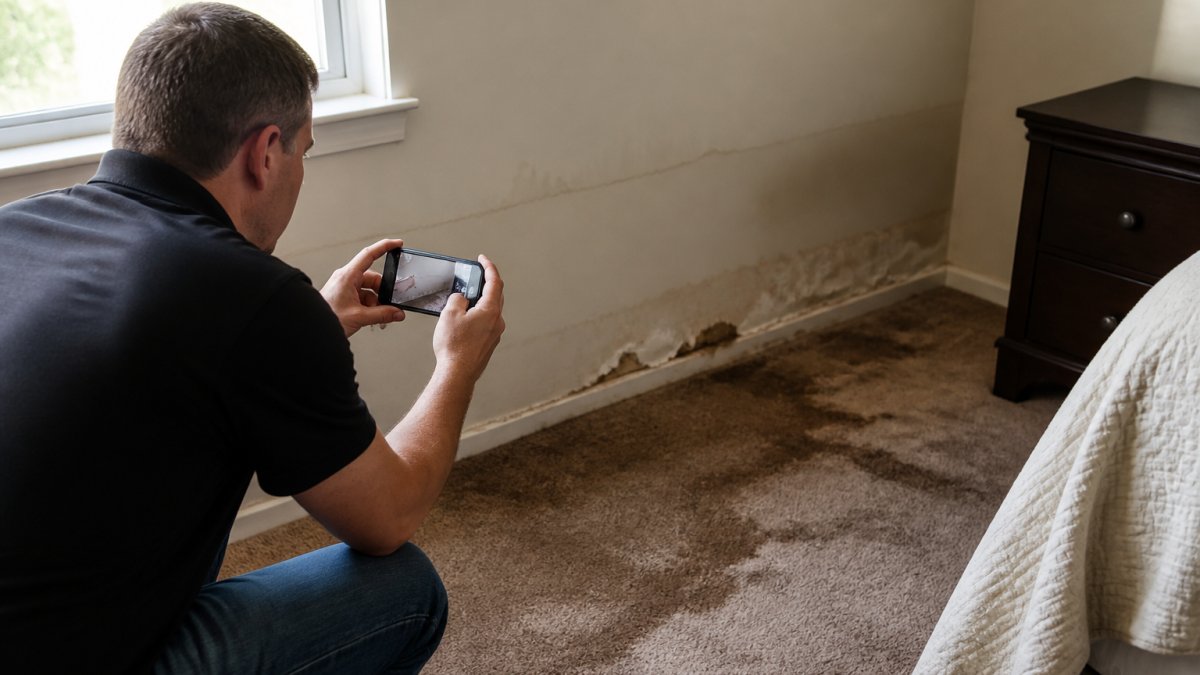
Documentation is your strongest evidence for an insurance claim, so photograph and record everything before cleanup.
Take wide shots showing the full scope of damage, then close-ups of water lines on walls, wet carpeting, damaged furniture, and any visible mold. Include the water source if it's still visible.
Record video too: walk through affected rooms slowly, narrating the damage and pointing out destroyed items. Video provides context still photos miss.
Create a detailed inventory of damaged items, listing each item's approximate age and pre-damage value. Be specific: "Sony 55-inch TV purchased in 2023" rather than just "television."
Keep all receipts and documentation, purchase receipts, credit card statements, and pre-damage photos, since insurers often ask for proof of ownership and value.
Store photos and videos in multiple locations, phone, email, and cloud storage, so your documentation survives if a device is damaged.
Documentation checklist:
- Wide-angle photos of each affected room
- Close-up photos of specific damage
- Video walkthrough with narration
- Detailed inventory of damaged items
- Purchase receipts and proof of value
- Photos stored in cloud storage and email
Notify Your Insurance Company Promptly
Contact your insurance company as soon as possible after discovering water damage. Most policies require prompt notification. Delaying notification could jeopardize your claim.
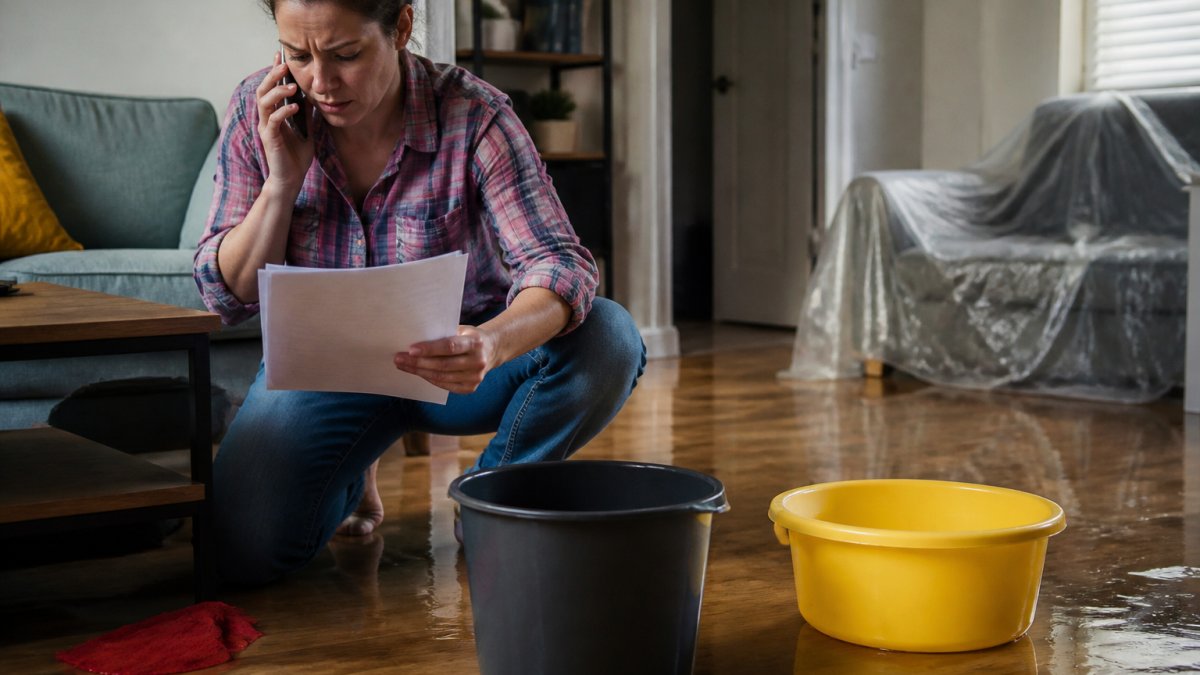
Call your insurance agent or the claims hotline on your policy documents with your policy number ready. Describe the damage, its cause, and the date and time you discovered it.
Ask what steps to take next; they will explain the claims process and whether you need emergency mitigation.
Request a claim number, which tracks your case through the entire process, and keep it accessible for all future communications.
Ask whether the water source is covered. Sudden, accidental causes like burst pipes are usually covered; flooding, gradual leaks, and poor maintenance are often excluded.
Understand your deductible, the amount you pay before coverage begins. Knowing it helps you anticipate out-of-pocket costs.
Steps for notifying your insurance company:
- Call within 24 hours of discovering damage
- Have your policy number ready
- Describe the damage and its cause clearly
- Request a claim number
- Ask about coverage and deductible
- Ask what mitigation steps are required
What to Say to an Insurance Adjuster About Water Damage
An insurance adjuster will inspect your property to assess damage and determine coverage. Prepare by organizing your documentation and knowing what they need.
Describe the timeline clearly: when you discovered the water damage and what you did immediately after, this is essential information for how to handle insurance water claims.
Explain the water source precisely, where a burst pipe was located and why it failed, what appliance leaked and how old it was, or the weather conditions and how outside water entered. The water source determines coverage.
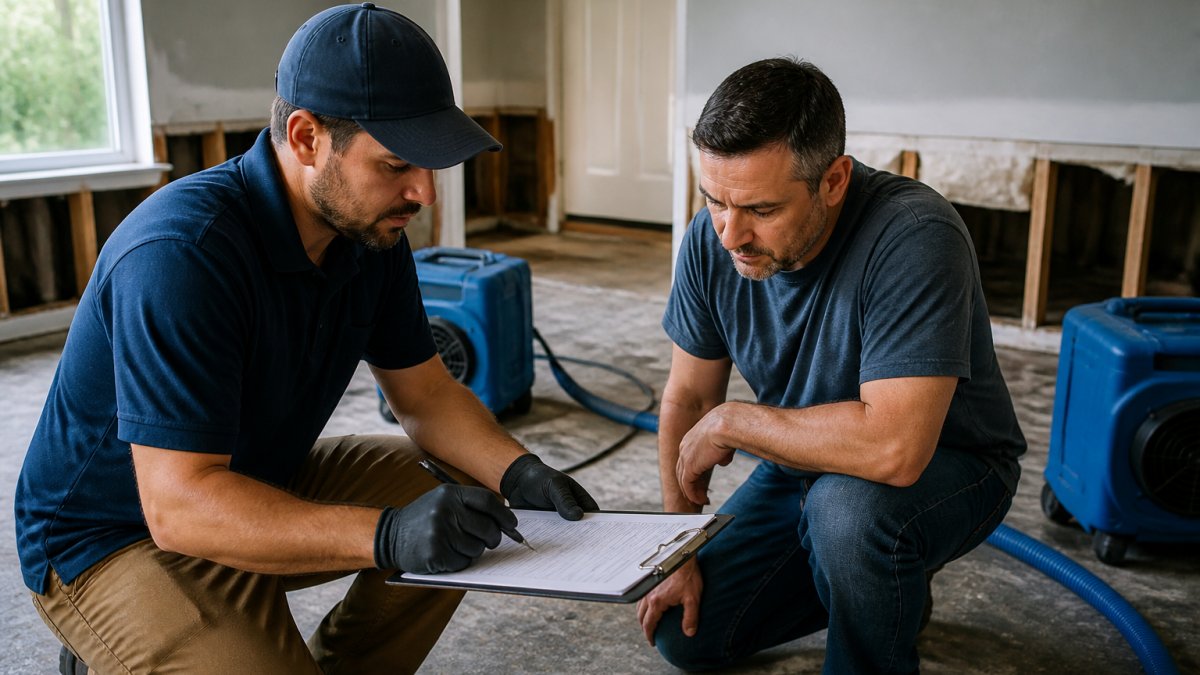
Show your documentation, walking the adjuster through your photos and video and pointing out specific damage areas and items.
List all damaged items from your inventory with purchase date and pre-damage value; the adjuster uses this to calculate the claim value.
Mention any hidden damage you suspect behind walls, under flooring, or in crawl spaces. The adjuster may recommend additional inspection or testing.
Ask questions about coverage. If the adjuster says something is not covered, ask why and understand the specific exclusion, which helps you decide whether to appeal.
Tips for speaking with an adjuster:
- Describe the timeline from discovery to present
- Explain the water source in detail
- Show all documentation and photos
- List every damaged item
- Mention suspected hidden damage
- Ask about coverage decisions you don't understand
How Long Does a Water Damage Insurance Claim Take
The timeline for a water damage insurance claim varies by damage complexity and insurer workload. Most claims take two to eight weeks.
First comes claim filing and initial review. After you notify your insurer, they assign a claim number and schedule an adjuster inspection, usually within three to five business days. The adjuster inspects your property and documents the damage.
Next comes the estimate and coverage determination phase. The insurance company reviews the adjuster's report and determines what is covered under your policy.
Then comes the repair estimate phase. You or the insurer obtains estimates from restoration companies; if you hire your own contractor, submit their estimate for approval. The insurer may hire its own estimator or accept your contractor's.
After approval, repair work begins. Once the insurer approves the estimate, hire a contractor to start. Repair time depends on severity: minor damage may take days, while structural repairs could take weeks or months.
Finally, the claim settles. After repairs are completed, the insurer processes payment, either paying your contractor directly or reimbursing you, typically within one to two weeks.
Timeline overview:
- Days 1-5: Report claim and schedule inspection
- Days 6-14: Adjuster inspection and coverage determination
- Days 15-28: Obtain and approve repair estimates
- Days 29+: Repair work and final settlement
Does Homeowners Insurance Cover Mold Removal
Mold coverage depends on the water damage cause and your policy wording. Most standard policies cover mold removal only if it results from covered water damage.
Water damage from sudden, accidental causes like burst pipes, appliance leaks, or roof leaks is usually covered, and mold removal from that damage is typically covered too.
Water damage from flooding is usually excluded from standard homeowners policies. If mold develops from flood damage, your standard policy likely will not cover mold removal.
Water damage from gradual leaks or poor maintenance is typically excluded. If mold develops from a slow leak you failed to repair, the insurer may deny coverage, arguing proper maintenance would have prevented it.
Coverage limits apply to mold removal. Even when mold is covered, your policy may have a specific mold coverage limit. Some policies limit mold coverage to five thousand or ten thousand dollars.
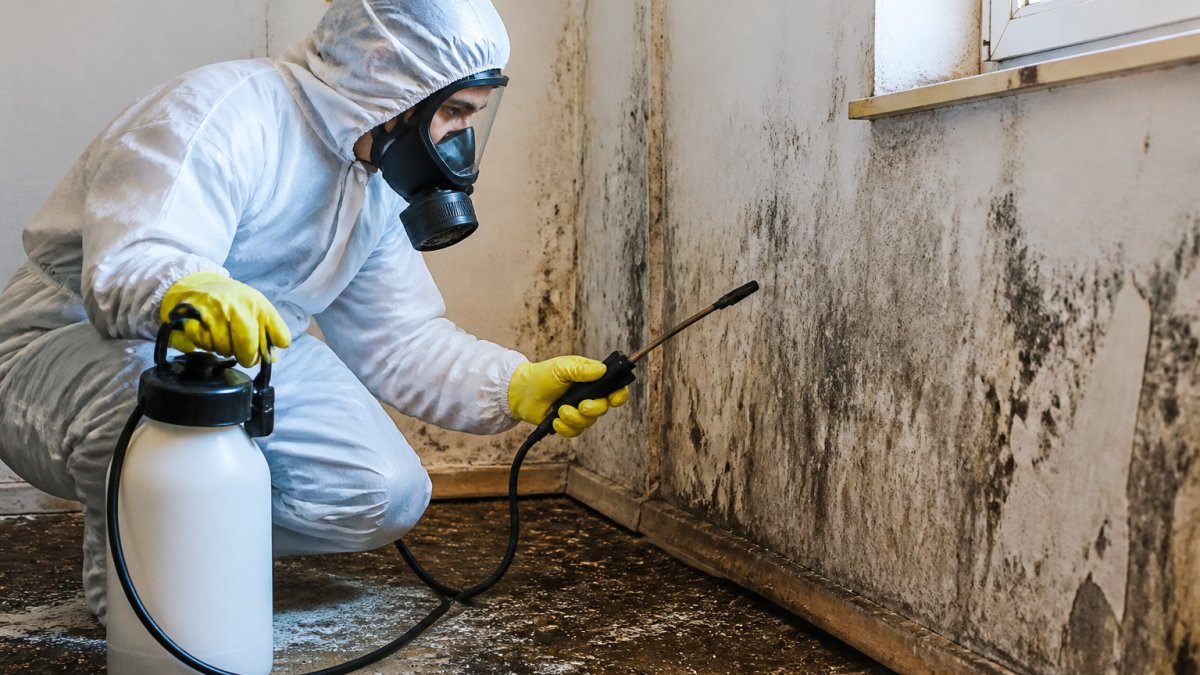
Professional mold remediation is essential. If mold develops, hire a certified mold remediation company. Do not attempt mold removal yourself. Professional companies have the equipment and expertise to remove mold safely and completely.
Mold coverage summary:
- Covered if mold results from covered water damage
- Not covered if water damage comes from flooding
- Not covered if water damage results from poor maintenance
- Subject to policy limits that vary by insurance company
- Professional remediation is necessary and usually covered
Evaluating Repair Estimates and Settlement Offers
After water damage, you will receive repair estimates from contractors. Evaluating them carefully helps you understand the true cost of repairs and identify fair settlement offers.
Request multiple estimates. Get estimates from at least two or three restoration companies. Different companies may estimate different repair costs based on their experience and methods.
Understand what each estimate includes.
Check for itemized details. A good estimate breaks down costs by service: water extraction costs, drying costs, mold remediation costs, and so on.
Compare estimates carefully. If one is significantly lower, ask why, it may mean the contractor plans to cut corners. Higher estimates may include extra services or better materials.
Verify contractor credentials. At AFC Cleaning & Restoration, our team holds IICRC certifications that verify our expertise in water damage restoration.
Negotiate with your insurer if needed. If their estimate seems low compared to your contractor estimates, explain the discrepancy and ask the adjuster to reconsider based on your contractor's findings.
Evaluation checklist:
- Obtain at least two or three estimates
- Verify all necessary work is included
- Look for itemized cost breakdown
- Compare estimates and understand differences
- Check contractor credentials and certifications
- Negotiate with insurance company if estimates differ significantly
What Happens If Your Claim Is Denied or Underpaid
Sometimes insurers deny water damage claims or offer settlements that seem too low. Knowing your options helps you respond effectively.
Review the denial letter carefully. The insurer must explain the denial, they may cite a policy exclusion, failure to mitigate, or missed notification requirements.
Check your policy language to see whether the denied damage is actually excluded.
Request a detailed explanation from your insurance company. Call your adjuster and ask for a detailed written explanation of the denial. Ask specific questions about policy exclusions they cited.
Consider hiring a public adjuster, who represents you in disputes, reviews your claim, gathers documentation, and negotiates on your behalf for a percentage of any settlement increase.
File a complaint with your state's insurance commissioner. If you believe your insurance company acted unfairly, you can file a complaint with your state's insurance regulator.
Appeal through your insurer's formal appeal process.
Consult an insurance attorney for significant claims or complex disputes.
Steps if your claim is denied or underpaid:
- Review the denial letter and understand the reason
- Check your policy language for the cited exclusion
- Request detailed written explanation from adjuster
- Consider hiring a public adjuster for large claims
- File complaint with state insurance commissioner
- Use formal appeal process through insurance company
- Consult insurance attorney for complex disputes
Water damage claims can feel overwhelming, but understanding the process makes it manageable. From stopping the water source to evaluating settlement offers, each step matters.
Frequently Asked Questions
What should I do first when I have water damage?
Stop the water source immediately if it's safe to do so, turn off the main water valve for burst pipes, or move items away from the leak source. Then remove standing water and open windows to improve air circulation. Document all damage with photographs and video before cleanup begins. Contact your insurance company within 24 hours to report the water damage claim. Avoid disturbing damaged materials until your adjuster has inspected the property, as this protects your coverage.
What should I document for a water damage insurance claim?
Create a water damage insurance claim documentation checklist that includes: photographs of all affected areas from multiple angles, video walkthroughs of damaged rooms, a written inventory of damaged personal property with purchase dates and estimated values, receipts for emergency repairs or cleanup supplies, and contact information for any contractors you call. Keep all original receipts for repairs, replacements, and mitigation services. Document the date and time the damage occurred and the source of the water. Store these records in a secure location separate from damaged materials.
How long does a water damage insurance claim take from start to finish?
The typical water damage insurance claim timeline spans 30 to 90 days, though complex claims can extend longer. Initial inspection by your adjuster usually occurs within 5 to 10 business days of notification. Once estimates are submitted, the insurance company typically responds within 10 to 15 days. Actual repairs and restoration can take 2 to 6 weeks depending on damage severity. State regulations require insurers to acknowledge claims within 5 days and provide a decision within 30 days in most cases, though additional investigation may extend this period.
Does homeowners insurance cover mold removal if it results from water damage?
Coverage for mold removal depends on your specific homeowners insurance policy and the cause of the water damage. Mold resulting from sudden and accidental water damage (burst pipe, roof leak) is typically covered. Mold from gradual leaks, poor maintenance, or flooding is usually excluded. Review your policy's water damage exclusions and mold coverage limits carefully. Some policies cap mold coverage at $5,000 to $10,000. Contact your insurance agent to clarify whether your policy covers mold remediation and any sub-limits that apply.