 how-to
How to Identify Mold Behind Walls: A Step-by-Step Guide
Table of Contents
- Why Identifying Hidden Mold Matters
- Signs of Mold Behind Drywall You Can See
- Detecting Mold by Smell and Moisture Clues
- How to Check for Mold Behind Walls Without Removing Drywall
- Mold Detection Tools for Walls
- Air Sampling and Spore Testing
- How to Get Rid of Mold Behind Walls
- When to Call a Professional Mold Inspector
- Frequently Asked Questions
Last Updated: October 10, 2026
Why Identifying Hidden Mold Matters
Learning how to identify mold behind walls is essential, as mold behind walls is one of the most dangerous problems a home can have.
Hidden mold thrives in wall cavities where moisture accumulates. It feeds on drywall, insulation, and wood framing. By the time you notice signs, the damage is often extensive.
The difference between catching it early and waiting too long can mean thousands of dollars in repairs. Early detection also prevents the spread to other areas of your home.
Signs of Mold Behind Drywall You Can See
Not all mold is hidden. Sometimes the wall itself shows you exactly where the problem is. Your job is learning to recognize these visible clues.
Discoloration and dark spots on walls
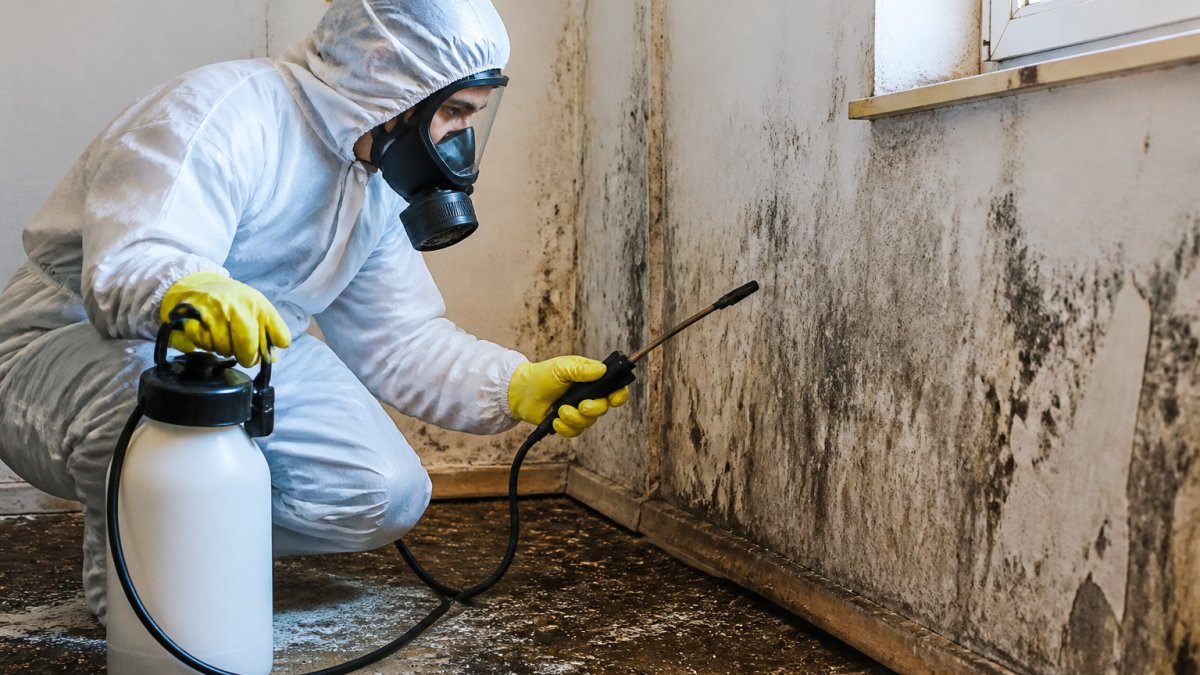
Dark patches or spots on drywall are often mold. The color varies, it can be black, green, brown, or even white. The spots may appear fuzzy or slimy.
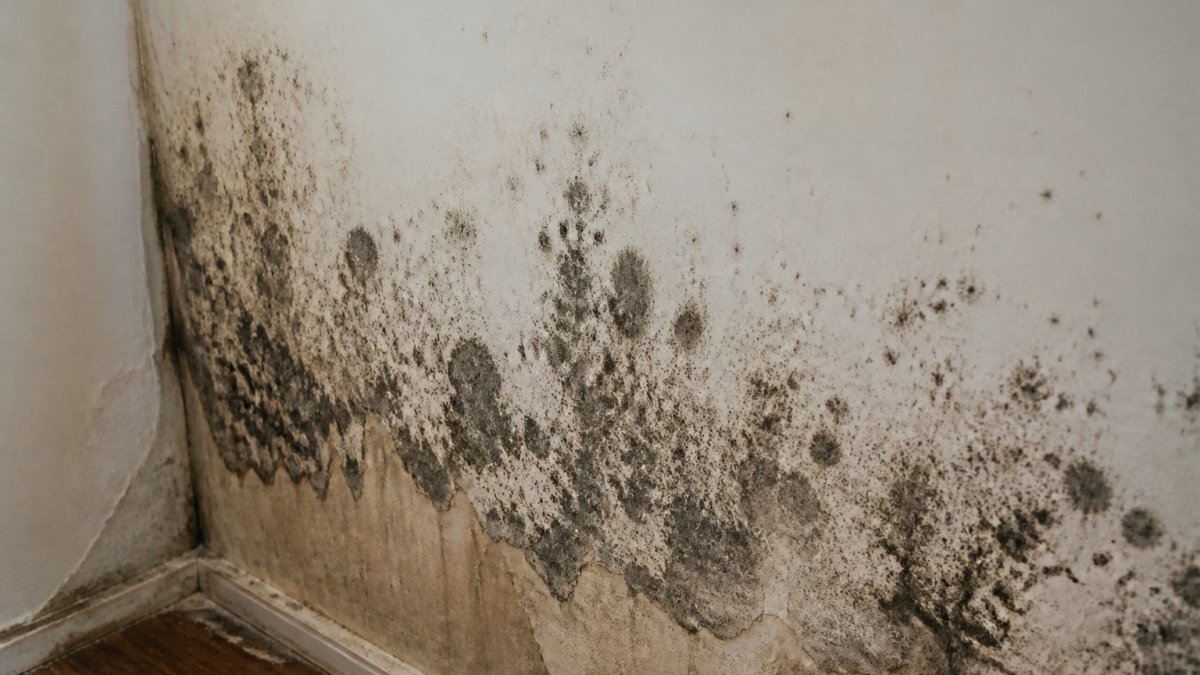
Mold behind drywall sometimes pushes through to the surface. You'll see it as small dark spots or larger patches. The appearance depends on the mold type and how long it's been growing.
Staining and water marks
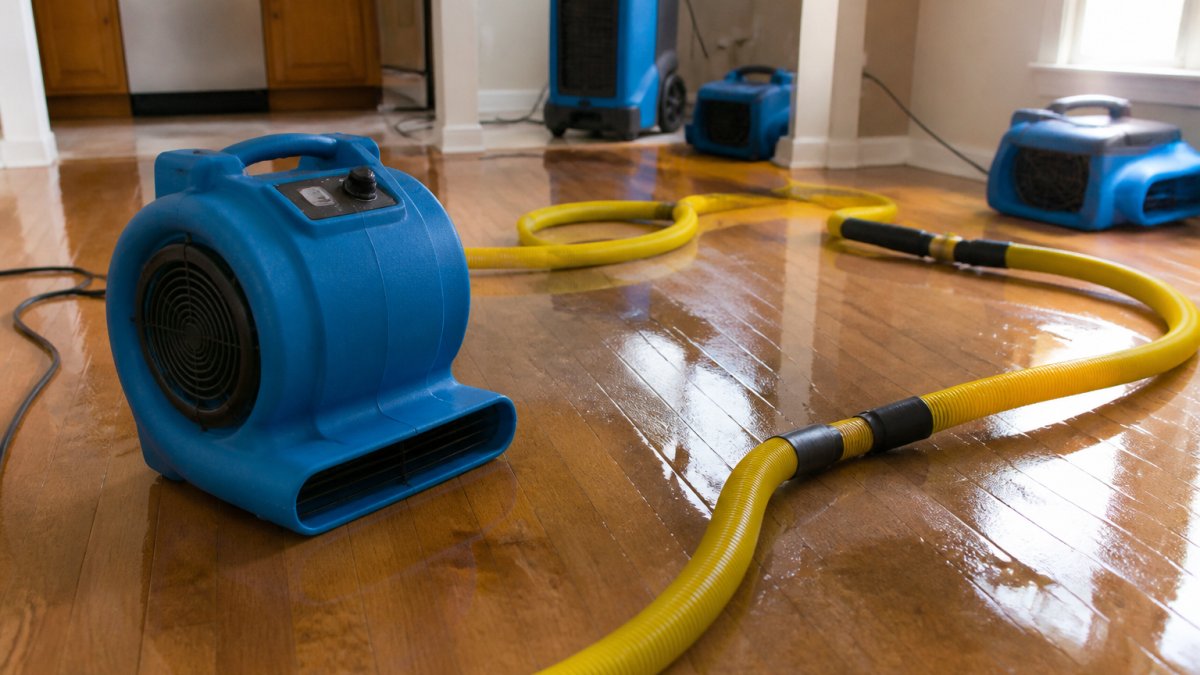
Water stains come before mold. Look for yellowish or brownish marks on drywall. These marks show where water has traveled. Mold often grows in these exact spots because the moisture is still present.
Staining patterns tell you where water intrusion is happening. A horizontal stain line usually means a leak from above. Vertical stains point to water running down from a higher point. Circular or irregular stains suggest standing water or condensation in that spot.
Warping, bubbling, or peeling paint
When drywall absorbs water, it swells and warps. Paint bubbles and peels because moisture pushes it away from the wall. These signs appear before visible mold growth, making them early warning indicators.
Run your hand across the wall. Does it feel soft or spongy? That's a sign of water damage. Drywall should feel firm and solid. Soft spots mean the material is breaking down. Mold is almost certainly present in that area.
Detecting Mold by Smell and Moisture Clues
Your nose and eyes can detect problems that tools might miss. Musty odors and moisture patterns are reliable early warning signs.
Musty odors and earthy smells
A musty smell is mold. Period. That earthy, damp odor means mold is actively growing somewhere in your home. The smell gets stronger near the source.
If you notice a musty odor in one room or area, that's your starting point. Mold produces volatile organic compounds (VOCs) that create that distinctive smell. The odor intensifies in humid conditions or after heavy rain. Trust your nose, if something smells off, investigate.
Water damage and dampness patterns
Look for signs of water intrusion. Check around windows, doors, and the base of exterior walls. These are common entry points for moisture.
Dampness patterns show you where water is traveling through your walls. A damp spot that appears after rain indicates active water intrusion. The moisture may be coming from a leak above, from outside seeping in, or from plumbing inside the wall.
Feel the wall with your hand. Is it cool or damp to the touch? That suggests moisture is present. Even if you don't see mold yet, that moisture will support mold growth.
How to Check for Mold Behind Walls Without Removing Drywall
You don't need to tear open your walls to investigate. Start with a systematic approach that preserves your home while gathering information.
Start with a visual inspection
Walk through your home methodically. Look for discoloration, water stains, peeling paint, or warping. Pay special attention to:
- Exterior walls, especially on the side that gets rain
- Areas below windows and doors
- Basement walls and crawl spaces
- Attic spaces where roof leaks occur
- Bathrooms and kitchens where humidity is high
- Around plumbing penetrations
Document what you find. Take photos of suspicious areas. Note the location, size, and appearance of any marks or stains. This record helps professionals understand the scope of the problem.
Check for water intrusion sources
Before mold grows, water must get into the wall. Identify where water is entering your home.
Check your roof for missing shingles or damage. Look at gutters and downspouts, are they clogged or damaged? Walk the perimeter of your home. Do you see cracks in the foundation? Is the grading sloped away from the house so water drains properly?
Inspect window and door frames. Caulk should be intact and flexible. Cracked or missing caulk lets water in. Check basement walls for efflorescence (white powder deposits) or water stains that indicate past or ongoing moisture problems.
Mold Detection Tools for Walls
Several tools help you detect moisture and mold without invasive inspection. Each has strengths and limitations.
Using a moisture meter to find hidden moisture
A moisture meter measures water content in drywall and wood. Higher readings indicate moisture that may support mold growth. These tools cost between $20 and $100 depending on quality.
How to use one: Press the meter against the wall. Take readings in multiple spots. Compare readings on damp-looking areas to readings on dry areas. A significant difference points to moisture problems.
Moisture meters are useful for confirming your suspicions. They're not perfect, they only measure the surface layer where the probes contact the wall.
Thermal imaging cameras and temperature anomalies
Thermal cameras show temperature differences in walls. Moisture creates temperature anomalies because wet materials conduct heat differently than dry ones. A cold spot on a wall may indicate moisture behind it.
These cameras cost $300 to $1,000 for consumer-grade models. Professional-grade thermal imaging equipment runs much higher. The technology is useful but requires interpretation, temperature differences can have other causes besides moisture.
Thermal imaging works best when there's a significant temperature difference between inside and outside. On cold days, moisture-laden areas show as cooler spots.
Borescope inspection for wall cavities
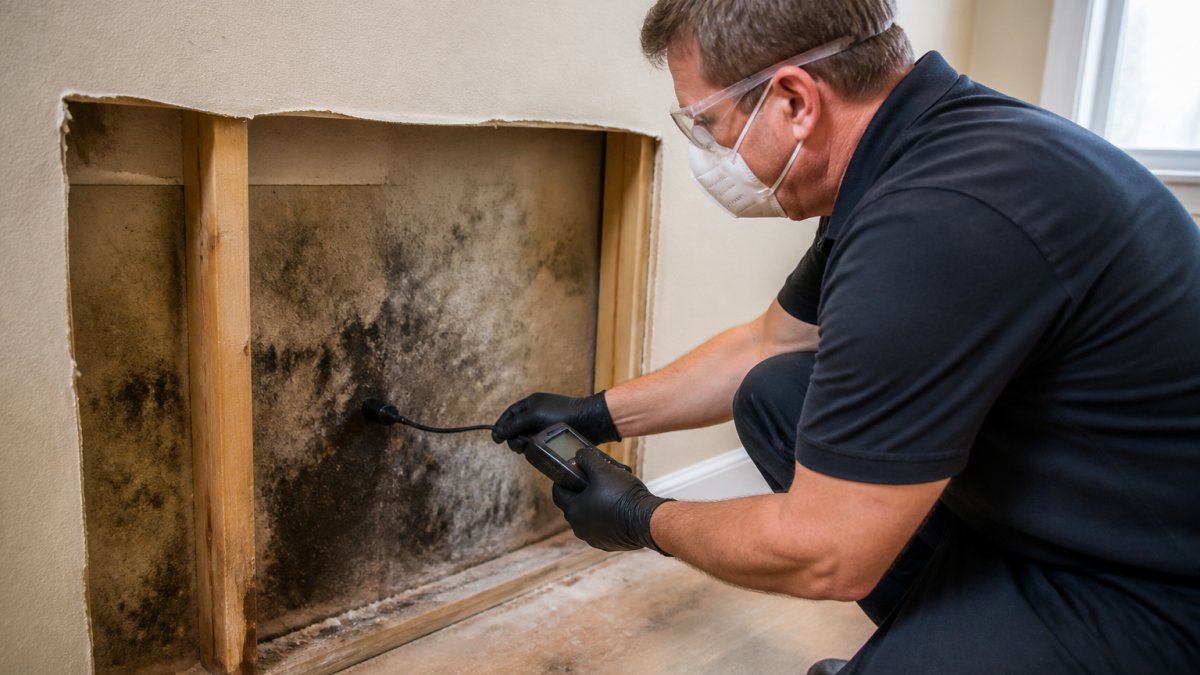
A borescope is a small camera on a flexible tube. You drill a small hole in the wall and insert the camera to see inside the cavity. This lets you inspect the space without opening the entire wall.
Borescopes cost $50 to $300. They show you what's actually growing inside the wall. You can see mold, water staining, and structural damage. The downside is that drilling holes creates entry points for moisture and requires patching afterward.
Understanding tool limitations
No tool is perfect. Moisture meters only read the surface. Thermal imaging requires temperature differences to work. Borescopes show you one small area at a time.
Tools are best used together. A moisture reading combined with visual signs and a musty smell creates a stronger case for investigation. If multiple indicators point to the same area, mold is likely present.
Don't rely on tools alone to make decisions. Use them to gather information, then combine that with what you see and smell. Professional inspectors use all these methods together to build a complete picture.
Air Sampling and Spore Testing
Air sampling collects mold spores from the air in your home. Lab analysis identifies the types and quantities of spores present.
Air sampling is useful when you suspect mold but can't find the source. High spore counts in one room suggest mold is growing there.
The limitation: air sampling doesn't tell you where the mold is located. High spore counts confirm mold is present, but you still need visual inspection to find it.
Professional mold inspectors often recommend air sampling combined with visual inspection. The sampling provides objective data. Visual inspection and moisture readings pinpoint the location.
How to Get Rid of Mold Behind Walls
Once you've identified mold, you need a removal plan. The approach depends on how much mold is present and where it's located.
When to attempt DIY removal
Small, surface-level mold on drywall can sometimes be cleaned by homeowners. If the mold covers less than 10 square feet and is only on the surface, you may handle it yourself.
Wear protective equipment: an N95 mask, gloves, and eye protection. Use a HEPA-filtered vacuum to avoid spreading spores. Spray the area with a mold-killing solution. Scrub the surface clean. Ensure the area dries completely afterward.
The critical step is stopping the moisture that allowed mold to grow in the first place. Without fixing the underlying water problem, mold returns within weeks.
When professional remediation is necessary
Mold behind drywall requires professional removal. If mold has penetrated into the wall cavity, the affected drywall must be removed and replaced. This isn't a surface cleaning, it's structural remediation.
Large mold problems (covering more than 10 square feet) also require professionals. Disturbing extensive mold growth releases spores throughout your home. Professionals use containment procedures and specialized equipment to prevent this.
Water damage restoration companies like AFC Cleaning & Restoration handle these situations. We also address the moisture source so mold doesn't return.
When to Call a Professional Mold Inspector
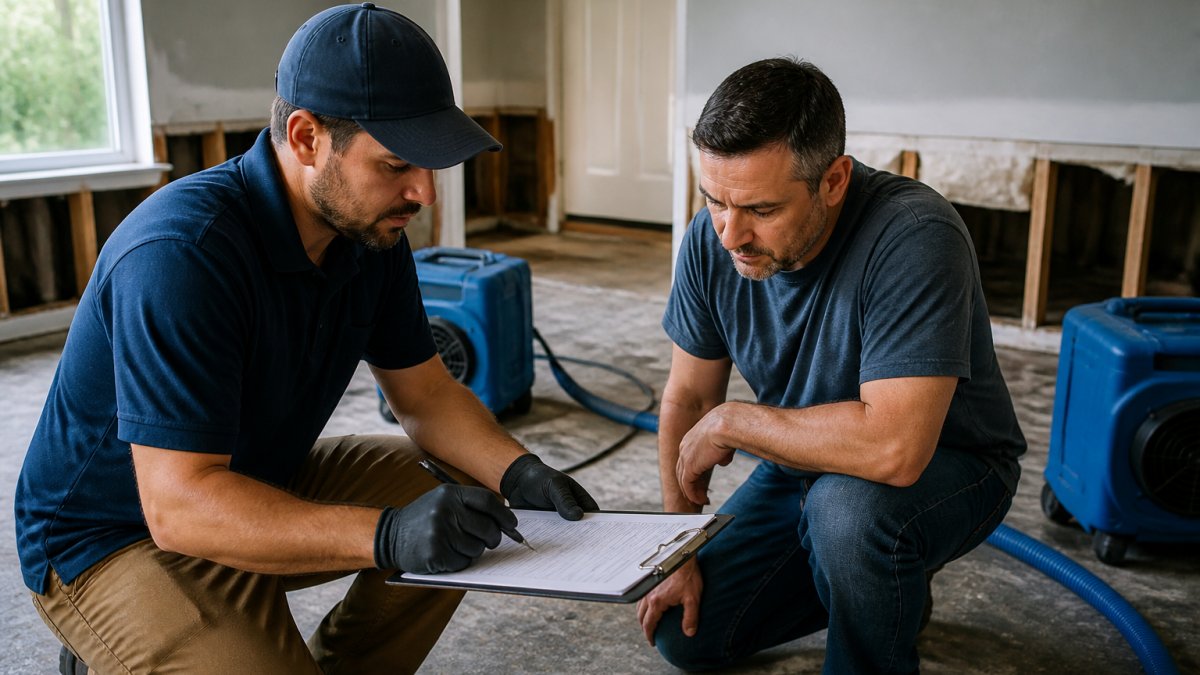
If you've found signs of mold or suspect hidden mold exists, a professional inspection provides certainty. Inspectors have training and equipment that homeowners don't have.
A professional inspection includes:
- Complete visual assessment of accessible areas
- Moisture meter readings to identify problem zones
- Air sampling if needed to confirm mold presence
- Recommendations for remediation
- Written report documenting findings
Choose an inspector who is certified. Look for credentials like IICRC (Institute of Inspection, Cleaning and Restoration Certification).
AFC Cleaning & Restoration offers professional mold inspection and remediation services. Our IICRC-certified technicians identify the full scope of the problem and create a remediation plan.
The cost of professional inspection varies based on your home's size and the inspection complexity.
Don't let hidden mold damage your home or your family's health.
Frequently Asked Questions
What does mold behind a wall smell like?
Mold behind walls typically produces a musty, earthy odor similar to damp soil or old wood. This smell often appears before visible signs emerge. If you notice a persistent musty odor in a specific room or near particular walls, especially after water damage or in humid areas, hidden mold in the wall cavity could be the source. The stronger the odor, the more extensive the mold growth may be.
Can you check for mold behind walls without opening them?
Yes. Start with visual inspection for discoloration, water stains, and peeling paint. Use a moisture meter to detect excess moisture in the wall (readings above 16% suggest potential mold risk). Thermal imaging cameras reveal temperature anomalies that indicate moisture trapped inside walls. Borescopes allow you to peer into wall cavities through small holes. However, these tools have limits, they confirm moisture but not always mold. Professional air sampling or cavity sampling provides definitive results without major wall removal.
How much does mold testing and inspection cost?
Pricing for mold inspection and testing depends on the scope of your property, the number of samples needed, and whether you require air sampling, cavity sampling, or both. Contact AFC Cleaning & Restoration for a professional assessment and quote tailored to your specific situation. We can evaluate your property and recommend the testing approach that fits your needs and budget.
When should you call a professional to inspect for hidden mold?
Call a professional if you detect a persistent musty odor, notice water stains or discoloration on walls, suspect water intrusion from plumbing leaks or roof damage, or find elevated moisture readings with a meter. If mold covers an area larger than 10 square feet, if you have health concerns, or if your home has experienced significant water damage, professional inspection is essential. IICRC-certified inspectors can identify hidden mold, recommend appropriate testing, and advise on remediation before the problem spreads.