 how-to
How to Identify Toxic Black Mold in Homes
Table of Contents
- What Does Black Mold Look Like
- Where to Check for Mold in Your Home
- The Smell Test: Detecting Musty Odors
- How to Test for Black Mold
- Health Risks and Respiratory Symptoms
- Professional Mold Inspection and Remediation
- Next Steps After Finding Black Mold
- Frequently Asked Questions
Last Updated: October 7, 2026
What Does Black Mold Look Like
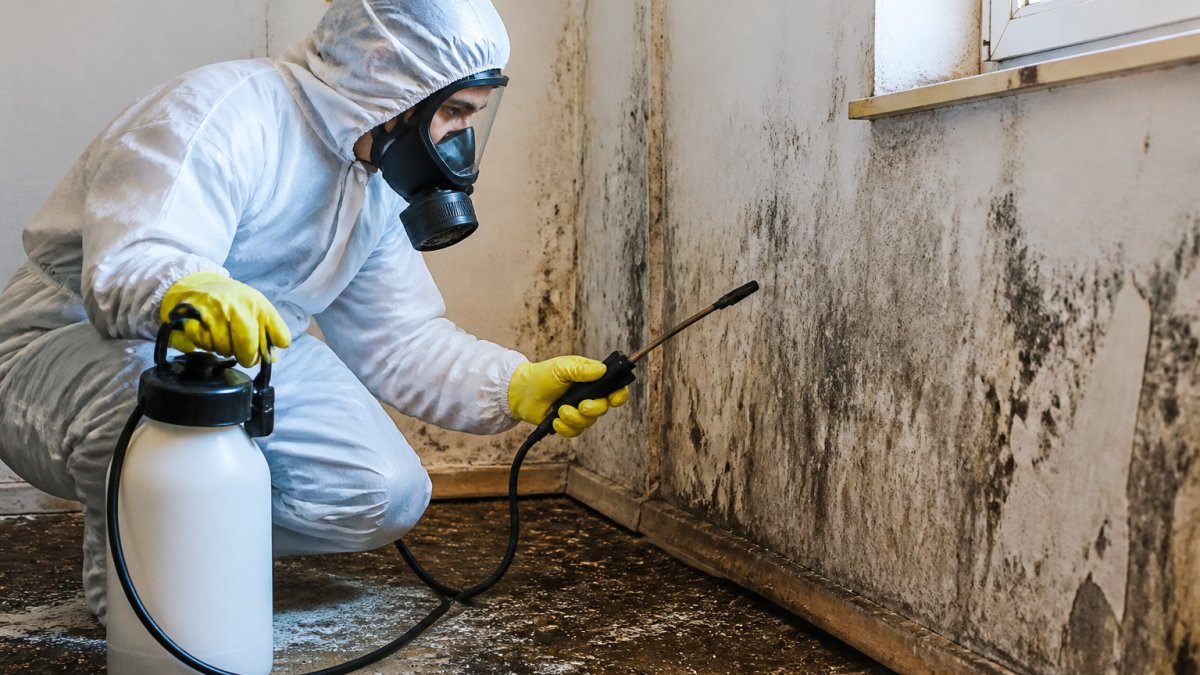
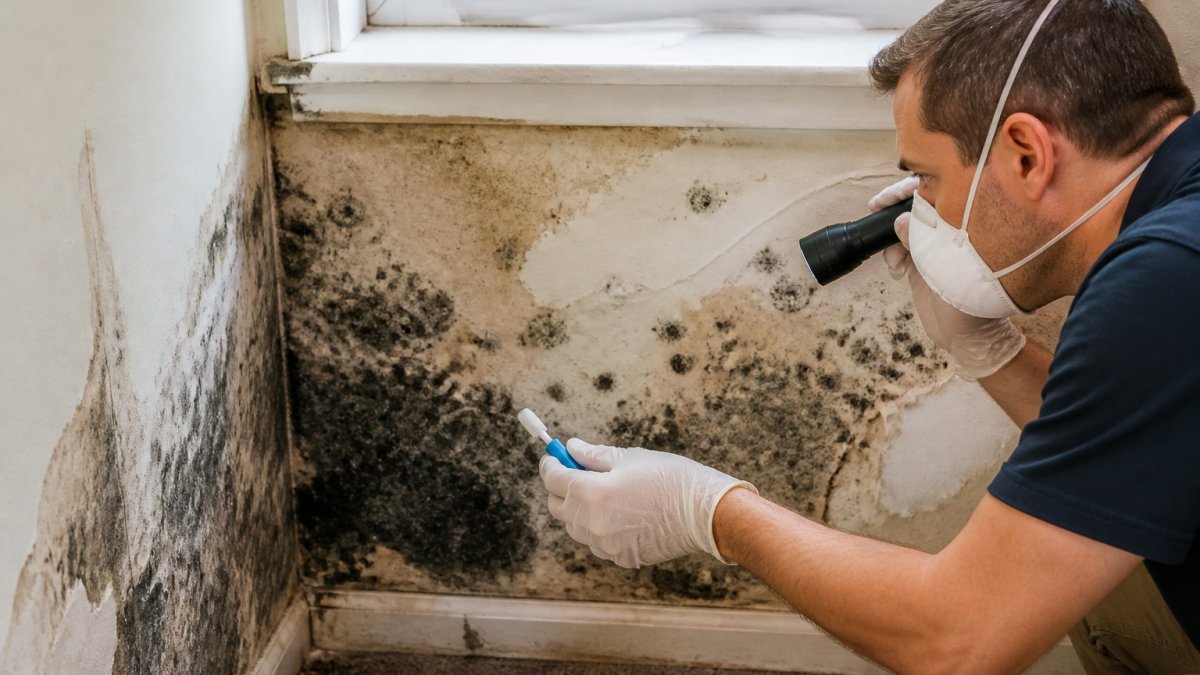
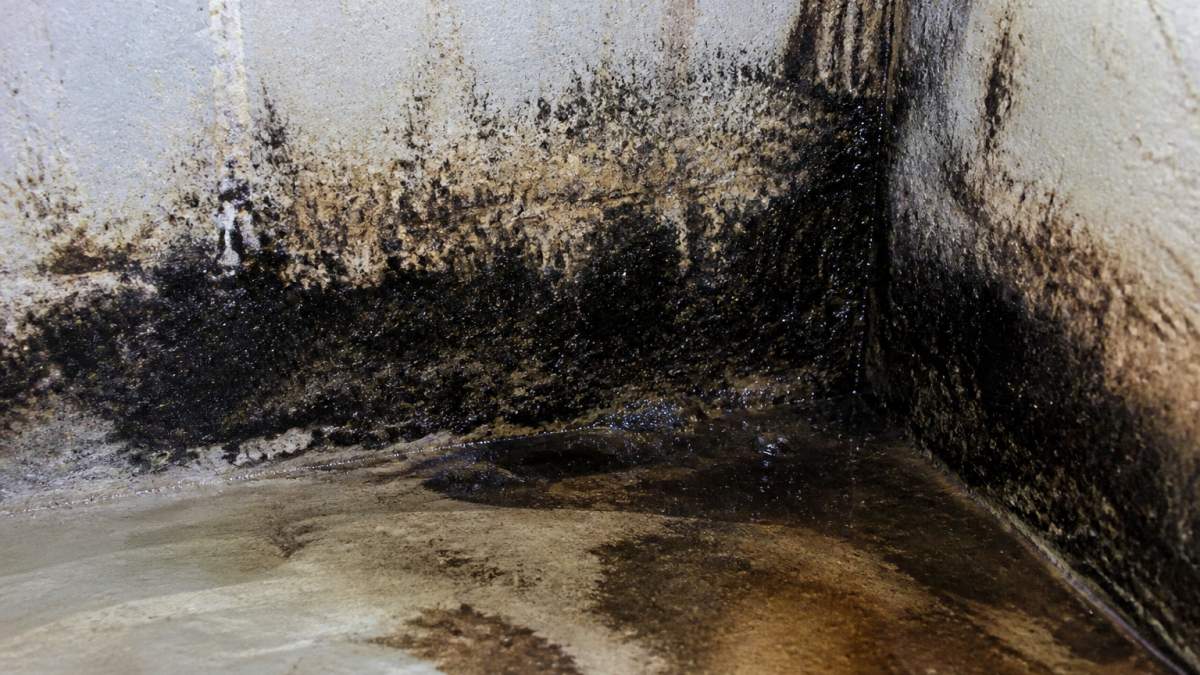
Black mold, scientifically known as Stachybotrys chartarum, is identified by its dark color, deep black to dark green, and a slimy, glossy, wet appearance rather than the fuzzy texture of other molds.
When learning how to identify toxic black mold in homes, texture matters as much as color. It grows in clusters in areas of sustained moisture, expanding over weeks or months.
Visual characteristics of Stachybotrys chartarum
The key visual markers for Stachybotrys chartarum include:
- Dark coloring: Deep black or very dark green appearance
- Slimy texture: Wet or glossy surface, not powdery or fuzzy
- Clustered growth: Forms in patches rather than scattered spots
Black mold thrives in high moisture and poor air circulation, basements, bathrooms, crawl spaces, and areas around water damage. It needs sustained dampness, so it won't appear in dry areas.
Distinguishing black mold from other household mold types
Not all dark mold is toxic black mold. Many common household molds appear dark but lack the mycotoxin-producing properties of Stachybotrys chartarum.
Common household molds that aren't Stachybotrys chartarum:
- Aspergillus: Often gray or black but has a powdery texture
- Cladosporium: Dark but typically fuzzy, not slimy
- Penicillium: Usually blue-green, can appear dark but feels different
The slimy texture is the biggest differentiator: wet and glossy points to Stachybotrys chartarum, while fuzzy or powdery suggests something else.
We recommend professional confirmation before assuming you're dealing with toxic black mold.
Where to Check for Mold in Your Home
Mold follows moisture, so focus on high-moisture areas and water intrusion points.
High-moisture areas and water intrusion points
Start with predictable locations: showers, tubs, and under-sink areas in bathrooms, plus kitchens around dishwashers and hidden leaks.
Priority inspection zones:
- Basement walls and floors
- Crawl spaces beneath homes
- Around windows and door frames
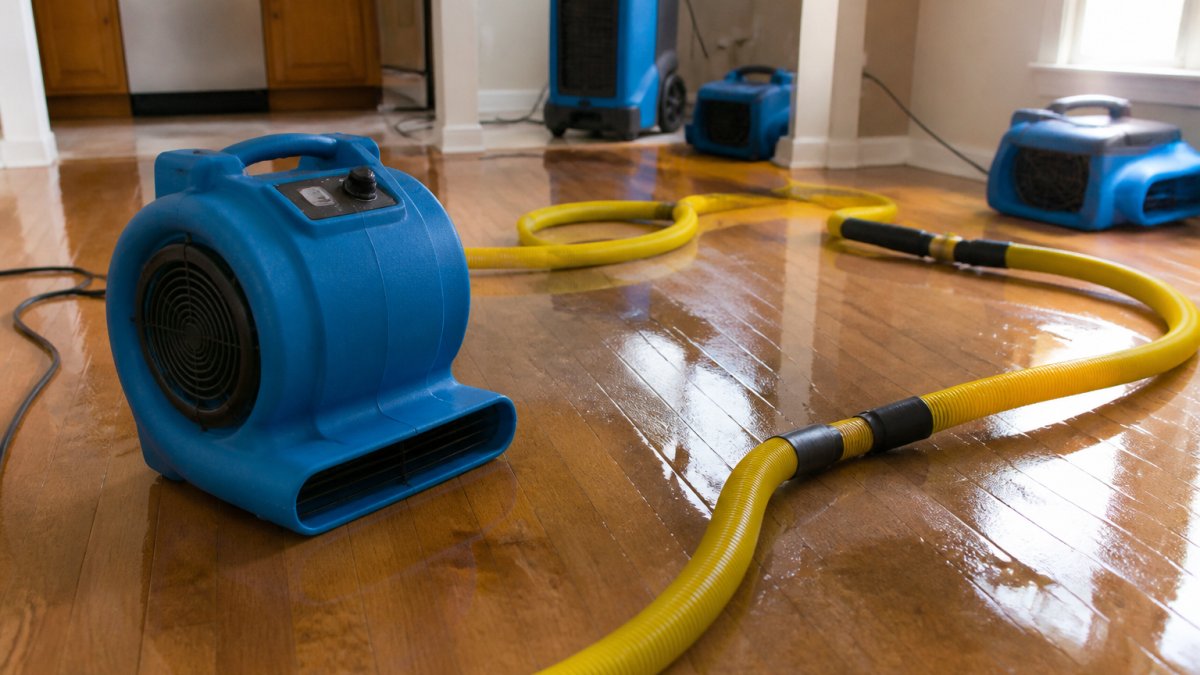
After flooding, plumbing leaks, or roof damage, inspect thoroughly, mold can develop within 24-48 hours of water intrusion.
Look for discoloration on walls, ceilings, and subflooring, water stains often precede visible mold by days or weeks.
HVAC systems and indoor air quality concerns
Your HVAC system circulates air throughout your home, so mold spores colonizing ducts or the unit itself spread to every room.
Inspect these HVAC elements:
- Air returns and intake vents
- Ductwork in basements and crawl spaces
- Around the furnace or air handler unit
Musty odors from vents signal potential HVAC mold, and professional inspection can find colonies you can't see. Relative humidity above 60 percent encourages HVAC mold growth; dehumidification or ventilation prevents it.
The Smell Test: Detecting Musty Odors
Your nose often detects mold before your eyes do, but "musty" is vague. Isolating the odor signature of active growth, and ruling out lookalike smells, turns smell into a diagnostic tool.
What mold actually smells like
The odor comes from microbial volatile organic compounds (MVOCs), alcohols, aldehydes, ketones, and terpenes fungi release while digesting organic material. Different species produce different MVOC profiles, so mold odor is often described as:
- Earthy and damp, like wet soil or a forest floor after rain
- Musty and stale, similar to a basement that hasn't been aired out
- Sharp or acrid in heavy growth, sometimes compared to old gym socks or rotting leaves
Stachybotrys chartarum produces a distinctly earthy, cellar-like odor. It isn't usually the sharpest-smelling mold, Aspergillus and Penicillium can be more pungent, so mild but persistent mustiness in a wet area deserves the same attention as an overwhelming smell.
Smells that mimic mold (and how to rule them out)
Before you tear into a wall, eliminate the common false positives:
- Dirty socks or laundry odor from a front-loading washer with a mildewed door gasket, check the rubber seal and detergent drawer first.
- Wet dog or damp carpet smell from a recent spill that never fully dried, this can be bacterial, not fungal, but still signals moisture that mold will follow.
- Sour or sewage-like odor from a dry P-trap or a failing drain line, that's a plumbing issue, not mold, though the moisture it creates can feed mold.
A useful test: mold odor intensifies in enclosed, humid conditions and fades when the space is ventilated and dried. If the smell returns every time humidity climbs, you're likely dealing with active growth rather than a lingering odor.
Using smell to locate hidden mold
MVOCs diffuse through porous materials and travel along air paths, so the strongest smell isn't always at the mold itself. A practical protocol:
- Close the space for 30-60 minutes with doors and windows shut and HVAC off. This concentrates MVOCs.
- Enter and breathe normally near the threshold, don't stick your nose against surfaces, which desensitizes you within seconds.
- Move slowly through zones (floor level, mid-wall, ceiling) and note where the odor strengthens.
- Check the air path, not just the source. Odors often read strongest at electrical outlets, baseboards, and door frames where air escapes from wall cavities.
- Repeat after ventilating to confirm the smell returns with humidity.
When smell alone isn't enough
MVOCs are a signal, not a diagnosis. A musty odor confirms microbial activity somewhere, but not whether the source is Stachybotrys chartarum, a benign Cladosporium colony, or bacteria in a drain pan, nor whether growth is active or dormant.
How to Test for Black Mold
Visual inspection and smell give you clues; testing tells you what you're dealing with, but only if you understand what each test can and cannot prove. A positive result from a $20 hardware-store kit is not a confirmed Stachybotrys identification, and "black mold" and "toxic mold" are not interchangeable terms.
The distinction most guides skip: black mold vs. toxic black mold
"Black mold" is a color description. "Toxic black mold" refers specifically to mycotoxin-producing species, most commonly Stachybotrys chartarum, though some Aspergillus, Penicillium, and Fusarium species also qualify. Plenty of molds are black or dark and harmless in the mycotoxin sense:
- Cladosporium, the most common dark mold indoors; fuzzy texture, no mycotoxins
- Aspergillus niger, black and powdery; some strains produce ochratoxin but most household exposures are not mycotoxin-driven
- Alternaria, dark olive to black, often on window frames and damp sills
A test reporting only "black mold present" tells you almost nothing about health risk. You need species-level identification, and ideally mycotoxin testing, to know whether it's a cosmetic nuisance or a genuine hazard.
DIY test kits: what they can and cannot tell you
DIY kits fall into two categories, both with hard limits manufacturers rarely emphasize.
Surface sampling kits (tape lifts, swabs)
- Cost: roughly $15-$40 per kit, plus lab fees in some cases
- What it does: captures material from a visible patch and sends it to a lab for microscopic or culture-based identification
- What it proves: whether mold is present on that specific spot, and often the genus
Air sampling kits (spore traps, settle plates)
- Cost: roughly $30-$60 per kit, plus lab analysis
- What it does: captures airborne spores over a set period and reports spore counts by genus
- What it proves: relative spore concentration indoors, which can be compared to an outdoor baseline
A single DIY sample is a snapshot, not a diagnosis. Labs typically report genus-level results, and many don't culture for Stachybotrys because it's a slow grower outcompeted on a petri dish by faster species, so a DIY kit can miss it even when present.
Professional testing: what you're actually paying for
Professional inspection adds three things DIY kits cannot replicate: calibrated equipment, sampling strategy, and interpretation.
- Calibrated air samplers (Anderson impactors, spore traps) draw a known volume of air, so results are quantitative and comparable to outdoor control samples.
- Multiple sampling locations, problem area, adjacent room, and outdoor baseline, which is the minimum needed to interpret whether indoor spore levels are elevated.
- Moisture mapping with pin or pinless meters to find the water source feeding the growth, which is the actual root cause.
Professional reports commonly compare indoor versus outdoor spore counts by genus. Elevated indoor counts of a water-damage indicator genus (Stachybotrys, Chaetomium, Ulocladium) relative to outdoor levels is a stronger signal than any single positive sample.
Mycotoxin testing: when and why it matters
Mycotoxin testing is separate from spore identification. It detects the toxic compounds themselves, satratoxins, roridins, verrucarins in Stachybotrys, rather than the mold that produces them.
When mycotoxin testing is worth it:
- You have confirmed or strongly suspected Stachybotrys growth
- Household members have unexplained respiratory or neurological symptoms
- You need documentation for a landlord dispute, insurance claim, or real estate transaction
When it is not worth it:
- You have a small, dry, powdery patch that wipes away easily
- No one in the home has symptoms and the growth is confined to a non-living space
- You haven't yet confirmed the species, mycotoxin testing without species ID is premature
Mycotoxin testing is not a first-line screen but a confirmatory tool, used after visual inspection, moisture mapping, and species identification have narrowed the question.
A practical testing sequence
- Document the visible growth and moisture conditions with photos and a moisture meter reading.
- Rule out lookalikes, if the patch is dry and powdery, it is unlikely to be Stachybotrys.
- Sample the surface (tape lift or swab) to confirm mold is present and get a genus-level ID.
- Sample the air at the problem area and outdoors to compare spore loads.
- Order mycotoxin testing only if species ID or symptoms justify it.
- Re-test after remediation to verify clearance, a step most DIY guides omit entirely.
EPA mold testing and cleanup guidance
Health Risks and Respiratory Symptoms
Exposure to toxic black mold creates health concerns, especially for people with respiratory sensitivity, allergies, or compromised immune systems.
Stachybotrys chartarum produces mycotoxins that can trigger respiratory distress when inhaled.
Common respiratory symptoms from mold exposure:
- Persistent cough
- Wheezing or shortness of breath
- Nasal congestion
People with existing respiratory conditions face greater risk, and children and the elderly often show symptoms faster than healthy adults.
Professional Mold Inspection and Remediation
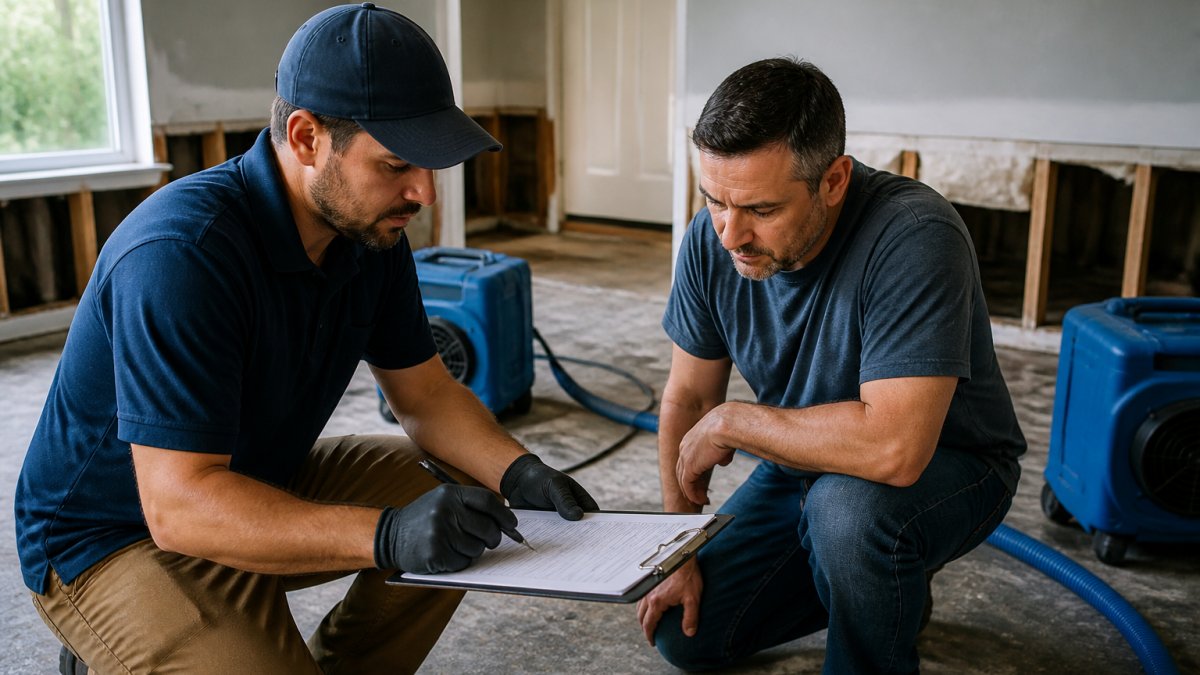
When you've identified or suspect black mold, professional inspection clarifies the situation and guides next steps.
When to call a mold remediation professional
Some situations demand professional attention immediately. Patches larger than 10 square feet require professional remediation in most cases, as does mold in HVAC systems, crawl spaces, or structural areas.
Call a professional when:
- You discover visible mold larger than a few square inches
- You smell musty odors but can't locate the source
- You've had water damage or flooding
AFC Cleaning & Restoration provides professional mold inspection and remediation throughout the greater Kansas City area. Our IICRC-certified technicians assess mold extent, identify moisture sources, and execute comprehensive remediation plans.
Post-remediation verification and prevention
After remediation, verification testing confirms success: professional teams collect samples to verify spore counts have returned to normal and mycotoxin presence is eliminated.
Prevention strategies after remediation:
- Maintain indoor humidity between 30-50 percent
- Ensure proper ventilation in bathrooms and kitchens
- Fix plumbing leaks immediately
Preventing recurrence requires addressing the moisture sources that allowed initial growth; professional remediation includes moisture assessment and prevention recommendations.
Next Steps After Finding Black Mold
Discovery of black mold triggers a decision point. Immediate action prevents the situation from worsening.
If you've confirmed black mold through inspection or testing, contact a professional remediation company.
Document the mold with photos before calling professionals; this helps with insurance claims and provides a baseline for remediation assessment.
Contact AFC Cleaning & Restoration for professional mold inspection and remediation.
Frequently Asked Questions
How can you tell if mold in your home is black mold?
Black mold (Stachybotrys chartarum) typically appears as dark greenish-black, slimy patches on porous materials like drywall, wood, or insulation. It grows in areas with persistent moisture and water damage. However, visual identification alone is not reliable, many mold types appear black. Professional air sampling or surface testing can confirm whether mold colonies contain mycotoxins. If you suspect black mold, avoid disturbing it and contact a professional for proper identification and remediation.
Where should you look for suspected black mold in a house?
Check areas with high moisture and water intrusion: basements and crawl spaces, around windows and doors, under sinks and near plumbing leaks, HVAC systems and ductwork, bathrooms with poor ventilation, and attics with roof leaks. Black mold thrives where relative humidity stays above 55% and water damage has occurred. Inspect porous materials like drywall, insulation, and wood framing. If you find visible mold growth or detect a musty odor, document the location and contact a professional for surface sampling or air quality testing.
When should you call a mold remediation professional?
Call a professional if mold covers an area larger than 10 square feet, if you suspect Stachybotrys chartarum or other mycotoxin-producing species, if mold has contaminated HVAC systems, or if you have respiratory symptoms or allergic reactions. Professionals use proper containment, air filtration, and post-remediation verification to prevent bioaerosols and ensure complete removal. Immediate professional intervention prevents structural damage and protects occupant health.
Is it safe to live in a house with black mold?
No. Black mold produces mycotoxins that can cause respiratory distress, allergic reactions, and other health hazards, especially for children, elderly people, and those with compromised immune systems. Airborne spores from mold colonies spread through HVAC systems and settle on surfaces throughout your home. Prolonged exposure increases the risk of toxic exposure and structural damage. Remediation should begin immediately after confirmation. Until professional removal is complete, limit time in affected areas, improve ventilation, and monitor for worsening symptoms.
Finding black mold in your home creates understandable concern. Professional remediation removes the threat and restores your indoor environment. AFC Cleaning & Restoration specializes in rapid mold removal with post-remediation verification to ensure complete elimination. Our IICRC-certified team responds 24/7 to emergency mold situations. Contact us for immediate assessment and comprehensive remediation that protects your family and property.