 how-to
How to Verify IICRC Certified Technicians
Table of Contents
- Why Verification Matters Before Hiring
- Step 1: Use the IICRC Global Locator Tool
- Step 2: Check Active Certification Status
- IICRC Certified Firm vs Technician: What's the Difference
- Benefits of Hiring IICRC Certified Restoration Companies
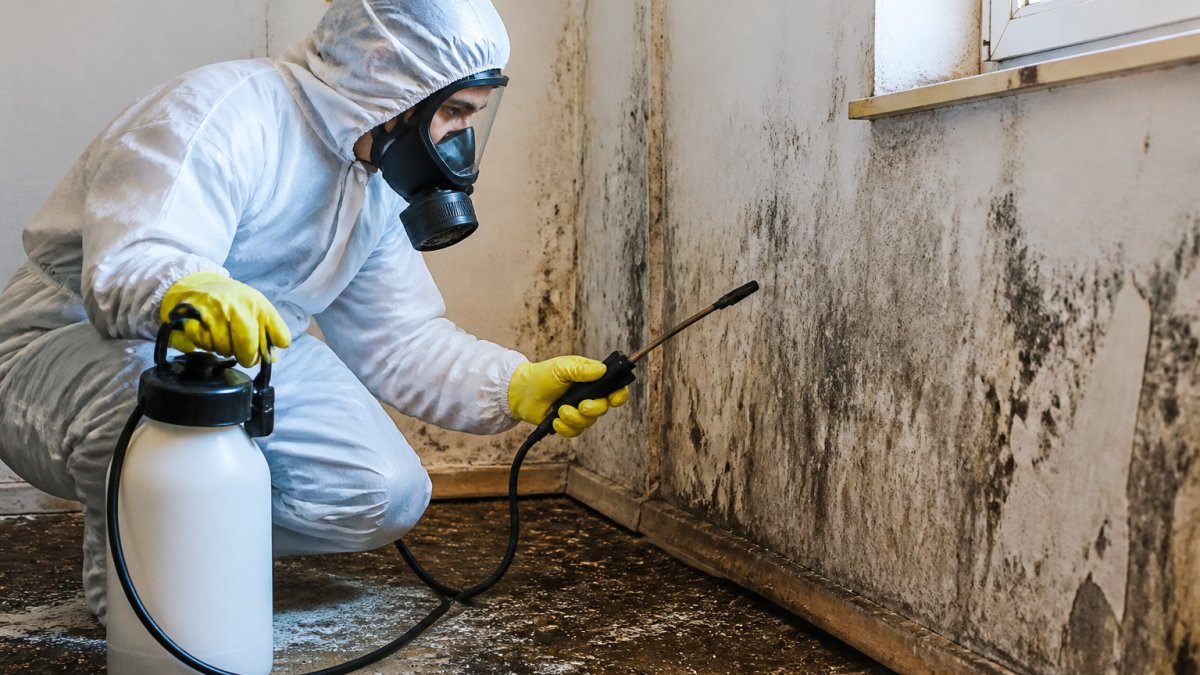
- What to Look for in a Mold Remediation Company
- Red Flags and How to Spot Fraudulent Claims
- Frequently Asked Questions
Last Updated: September 18, 2026
Hiring a restoration professional is one of the biggest decisions you'll make after water damage, mold, or fire strikes your property. But how do you know if the technician showing up at your door actually has the credentials they claim? This guide explains how to verify IICRC certified technicians and protect yourself from fraudulent claims. We'll walk you through the verification process step by step so you can hire with confidence.
Why Verification Matters Before Hiring
Restoration work requires specialized knowledge. Poor execution can leave hidden mold, structural damage, or contamination that costs far more to fix later. The IICRC sets industry standards and certifies professionals who meet rigorous training and exam requirements. But anyone can claim certification. Some contractors exaggerate credentials or use expired certifications. Without verification, you could hire someone unqualified for your damage type. The IICRC maintains a free, public database that takes minutes to search, this single step separates professional restoration from amateur work.
Step 1: Use the IICRC Global Locator Tool
The fastest way to verify IICRC certified technicians is through the official IICRC Global Locator Tool. Visit the IICRC website, enter your zip code, select the certification type you need (Water Damage Restoration, Mold Remediation, Fire & Smoke Restoration, etc.), and review the results. Note the technician's name, certification number, and expiration date. If a technician doesn't appear in this database, they don't have active IICRC certification, regardless of what they claim.

Step 2: Check Active Certification Status
Finding a name in the IICRC database isn't enough. You need to confirm the certification is active and hasn't expired.
What the Database Shows You
Each certified technician has a certification number. When you find someone in the locator tool, you'll see:
- Their full name
- Certification number
- Certification type (WRT, ASD, CCRN, etc.)
- Expiration date
- Firm affiliation (if applicable)
- Status (Active, Inactive, Pending, or Expired)
Understanding Certification Status
Active means the technician holds a current, valid certification. This is the only status that matters.
Expired means the certification lapsed. The technician is not currently certified. Do not hire someone with an expired certification.
Inactive means the technician voluntarily suspended their certification or the IICRC placed it on hold. Do not hire someone with inactive status.
Pending means the technician applied for certification or renewal but hasn't completed the process. They are not yet certified.
The Certification Renewal Cycle
IICRC certifications are not lifetime credentials. They expire and must be renewed. Here's what you need to know:
- Renewal frequency: Most IICRC certifications require renewal every 3 years.
- Continuing education requirement: Technicians must complete approved continuing education hours to renew, ensuring they stay current with best practices and safety protocols.
- Re-examination: Some certifications require passing an updated exam as part of renewal to demonstrate competency.
- Cost: Renewal involves fees paid by the technician, showing investment in professional standing.
Ask a technician: "When does your certification expire?" A technician who knows this date off the top of their head is actively managing their credentials.
Red Flags in Certification Status
Multiple expired certifications: If only one of several certifications is active, they may not be maintaining a broad skill set.
Long gaps between renewal: Unexplained gaps in certification history may indicate the technician wasn't actively practicing.
Certification expiring soon: If expiring in the next 30-60 days, confirm they're actively renewing.
How to Verify Directly with the Technician
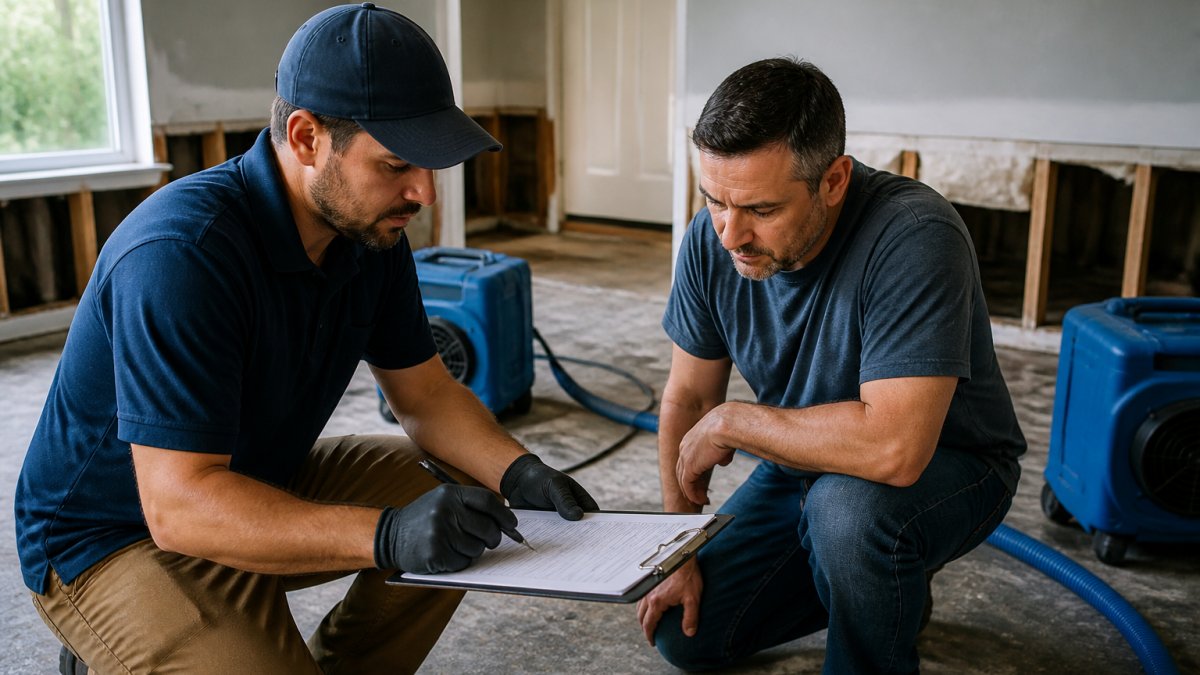
Ask the technician directly: "What's your certification number and expiration date?" Verify it matches the database in real time. If they can't provide this information or it doesn't match, that's a red flag. Professional companies can provide this information instantly.
IICRC Certified Firm vs Technician: What's the Difference
Understanding the difference between a certified firm and a certified technician protects you from confusion during hiring.
A certified technician is an individual who has passed IICRC exams and holds active credentials. They've demonstrated technical proficiency in specific areas like water damage restoration, mold remediation, or fire cleanup. When you hire a technician, you're hiring their expertise.
A certified firm is a company verified by IICRC to meet professional standards. It employs certified technicians, maintains documented procedures, conducts regular training, enforces professional conduct standards, and carries insurance and bonding.
When you hire a certified firm, you're getting organizational accountability. If something goes wrong, you have recourse through the company, not just the individual technician.
The best scenario is hiring a certified firm where the technician assigned to your project is also individually certified. This combines individual expertise with organizational backing. You get a trained professional supported by a company that's invested in maintaining standards.
Benefits of Hiring IICRC Certified Restoration Companies
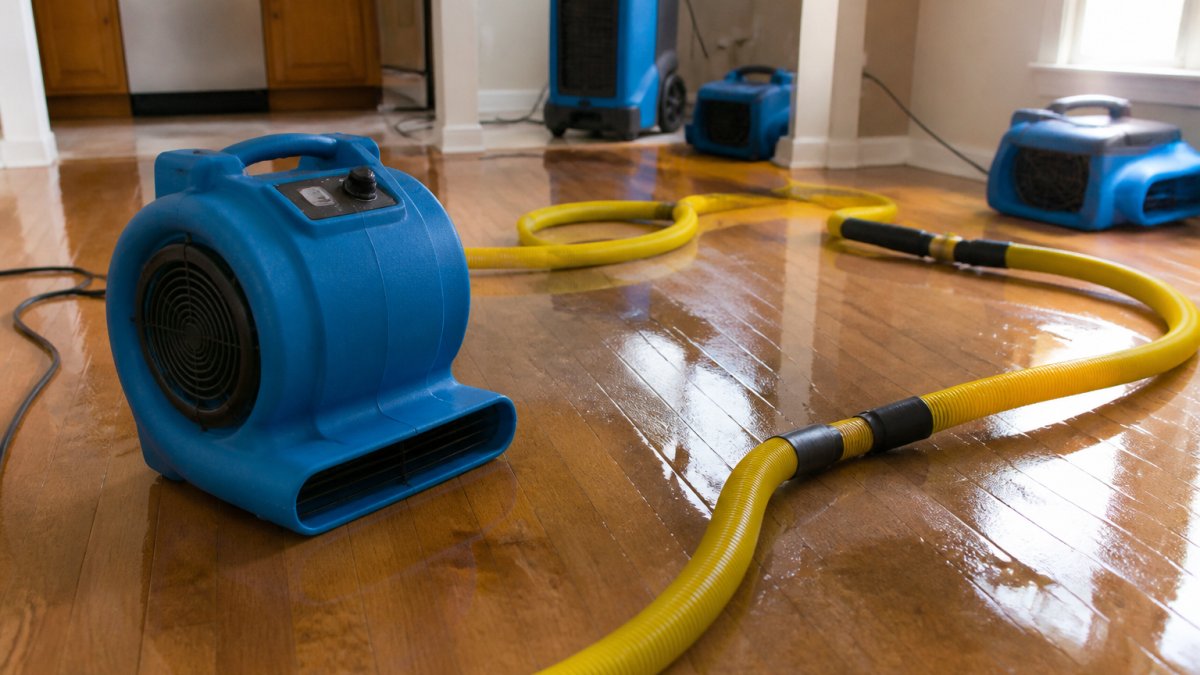
Certified professionals follow standardized procedures and understand restoration science. They use industry-standard equipment, document work, and follow safety protocols. Insurance companies recognize IICRC certification and often cover certified work more favorably or require it for claim approval. Certified firms have accountability, the IICRC can revoke certification for misconduct or poor workmanship. Speed matters in restoration; certified professionals assess damage accurately and execute quickly, saving time and money.
What to Look for in a Mold Remediation Company
Mold remediation requires specific expertise. Not every water damage specialist is equally qualified for mold work.
When evaluating a mold remediation company, look for these credentials:
- IICRC Mold Remediation Technician (CMR) certification
- IICRC Applied Structural Drying (ASD) certification
- IICRC Water Damage Restoration Technician (WRT) certification
- State licensing (where required)
- Insurance and bonding
Ask about their process.
Red Flags and How to Spot Fraudulent Claims
Some contractors misrepresent their qualifications. Knowing the warning signs protects you. Beyond checking the online database, you should also be able to spot red flags in how a technician presents themselves and their credentials in person.
Red Flags in Verbal Claims
A technician who can't provide their certification number is a major red flag. Watch for vague language like "IICRC-trained" or "IICRC-affiliated", these don't mean certified. Honest professionals say: "I hold IICRC Water Damage Restoration Technician certification, number [X], expiring [date]." Expired certifications indicate they're not current with best practices.
Red Flags in Physical Credentials
If a technician shows you a physical IICRC badge or certificate, inspect it carefully. Fraudulent credentials are rare but do exist. Here's what to look for:
Legitimate IICRC credentials have:
- Crisp, clear IICRC logo (not pixelated)
- Technician's full name matching the online database
- Certification number matching the database
- Clear expiration date
- Specific certification type (WRT, ASD, CMR, CCRN, etc.)
- Professional-grade card or certificate stock
- IICRC contact information
Suspicious signs:
- IICRC logo looks off (wrong colors, outdated design, pixelated)
- Technician's name doesn't match their legal name or introduction
- Certification number doesn't appear in the online database
- Expiration date has passed
- Cheap lamination or plastic
- Blurry, misaligned, or uneven text
- Missing security features (holograms, watermarks)
- Generic "IICRC Certified" label without specific certification type
Red Flags in Business Practices
Be skeptical of extremely low quotes, cheap work often means incomplete work. Pressure to start immediately without inspection is suspicious. Check online reviews for patterns of incomplete work or billing disputes. Ask about insurance and bonding; request proof and verify independently.
A Quick Verification Script for Your Door
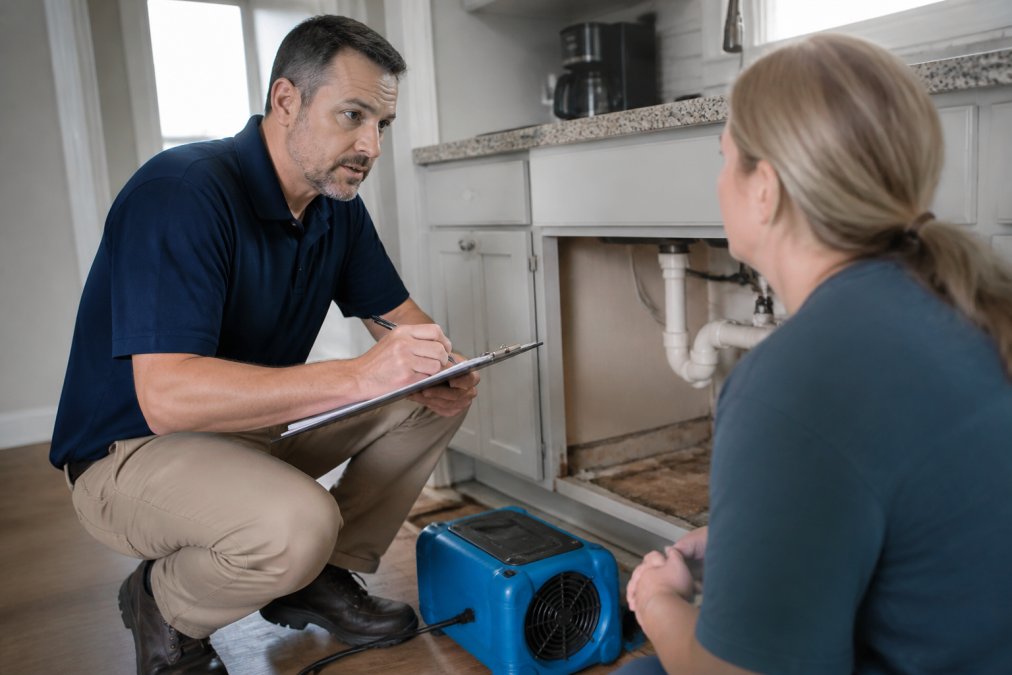
When a technician arrives, use this simple script to verify credentials on the spot:
- Ask directly: "Can you provide your IICRC certification number and expiration date?"
- Verify immediately: Pull up the IICRC Global Locator Tool on your phone and search for their name and certification number.
- Confirm match: "I see you in the database with certification number [X], expiring [date]. Is that correct?"
- Ask about specialization: "Your certification is in [WRT/ASD/CMR]. Is that the right specialty for the work we need done?"
- Check the firm: "Are you employed by [Company Name]? Let me verify that too."
What to Do If You Spot a Red Flag
If a technician can't be verified in the database, their credential looks suspicious, or their story doesn't add up, do not hire them. Thank them politely, end the conversation, and contact the IICRC directly if you suspect fraud. Report the contractor to your state's licensing board or attorney general's office. Leave an honest review online.
Frequently Asked Questions
How do I use the IICRC Global Locator tool to verify IICRC certified technicians?
Visit the official IICRC website and navigate to their Global Locator tool. Enter your zip code or city, select the certification type you need (WRT for water restoration, ASD for applied structural drying, etc.), and search. The results display certified technicians and firms in your area with their credential status. Always verify the technician's name, certification number, and expiration date match their official profile.
What is the difference between an IICRC Certified Technician and a Certified Firm?
An IICRC Certified Technician is an individual who has passed the required exam and maintains active credentials through continuing education. An IICRC Certified Firm is a business that meets organizational standards, employs certified technicians, and maintains professional conduct and quality protocols. When hiring, you want both: a firm with institutional accountability and technicians with individual expertise and valid certifications.
Do IICRC certifications expire, and how do I check if one is still active?
Yes, IICRC certifications expire and must be renewed through continuing education. Most certifications are valid for three years. Use the IICRC Global Locator tool to confirm the technician's certification is active and has not lapsed. You can also ask the company directly for their current certification cards or verification documents before work begins.
What should I do if I cannot verify a technician's IICRC credentials?
Do not hire them. If a technician cannot be verified in the IICRC database or their certification has expired, they do not meet professional standards for restoration work. A legitimate company will provide proof of credentials immediately and without hesitation. Contact another certified firm instead to protect your property and ensure regulatory compliance with your insurance claim.