 comparison
Mold Remediation Cost Per Square Foot: 2026 Pricing Guide
Table of Contents
- Mold Remediation Cost Per Square Foot: What You'll Actually Pay in 2026
- Black Mold Remediation Cost and Contamination Severity
- Crawl Space Mold Remediation Cost
- Key Mold Remediation Cost Factors That Drive Your Estimate
- Getting a Mold Remediation Estimate: What to Expect
- Regional Price Variation and Insurance Coverage
- Frequently Asked Questions
Last Updated: October 20, 2026
Mold Remediation Cost Per Square Foot: What You'll Actually Pay in 2026
Understanding mold remediation cost per square foot is essential when you're facing a contamination problem. The per-square-foot rate forms the foundation of most professional estimates, but it's only part of the picture. The first question is always about cost.
The challenge most people face is that mold remediation pricing varies dramatically based on severity, location, and what's actually included in the quote. A basement with minor surface mold costs far less than a crawl space with hidden contamination spreading through structural materials.
How Per-Square-Foot Pricing Works
Per-square-foot rates typically range from $10 to $25 for residential mold remediation, though some jobs fall outside this band.
What trips up most homeowners is what "affected area" actually means. It's not just the visible mold patch.
The per-square-foot model works because it scales with project complexity. A small, accessible bathroom mold problem costs less per square foot than a crawl space contamination that requires special equipment, protective measures, and disposal protocols.
Typical Project Costs and Minimums
Most residential mold remediation projects fall between $1,200 and $3,750 for typical home-sized jobs. However, many contractors impose minimum charges of $500 to $1,500, regardless of affected area.
The minimum matters more than you'd think. If your affected area is only 30 square feet and the rate is $15 per square foot, the math says $450.
Large projects, say, 500+ square feet of contamination across multiple rooms, may see per-square-foot rates drop slightly as contractors achieve better efficiency.
Black Mold Remediation Cost and Contamination Severity
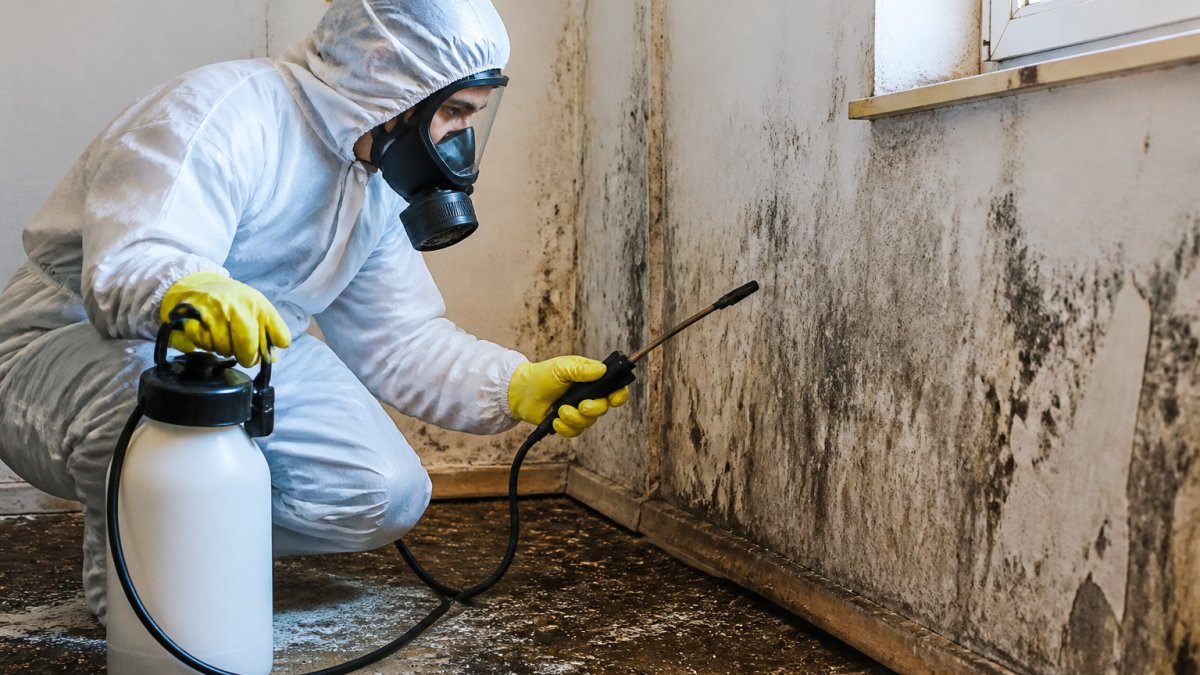
Black mold commands higher remediation costs per square foot than other mold types, primarily because of regulatory concerns and the specialized handling required. However, the term "black mold" is often misunderstood. Many mold types appear black; what matters for pricing is the contamination severity level, not the color.
Remediation costs scale directly with severity. The table below uses consistent scope definitions so you can compare tiers like-for-like. Ranges reflect typical residential work; your quote will vary with access, materials, and moisture source repair.
| Severity tier | Affected area | Typical scope | Per-square-foot range | Example project total |
|---|---|---|---|---|
| Minor | Under 10 sq ft | Containment, surface treatment, spot removal, basic verification | $10-$15 | 20 sq ft at $12 = about $240, often raised to a $500-$800 minimum |
| Moderate | 10-50 sq ft | Material removal and replacement, structural drying, moisture source identification | $15-$20 | 40 sq ft at $17.50 = about $700, plus minimums and moisture repair |
| Heavy | Over 50 sq ft or structural/HVAC involvement | Full containment, air filtration, structural removal, comprehensive drying, multiple visits | $25-$35+ | 100 sq ft at $30 = about $3,000, before reconstruction |
Minor Contamination
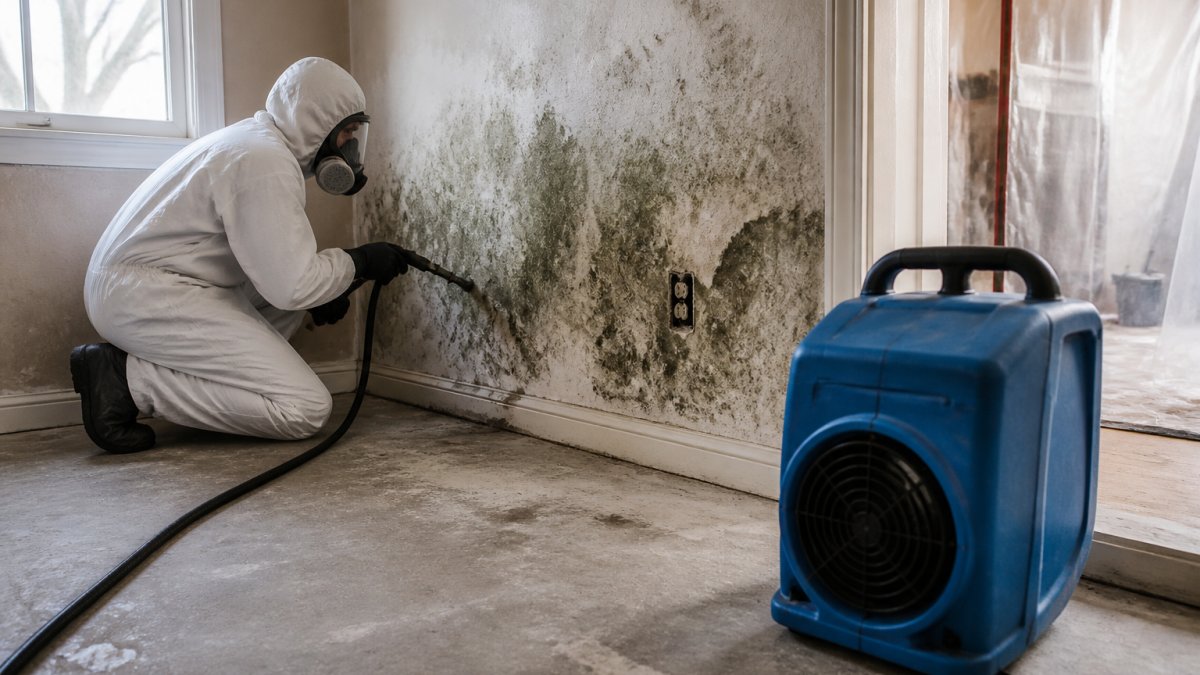
Minor contamination involves visible mold growth in a limited area, typically under 10 square feet, with no structural damage or HVAC involvement. Surface mold on drywall, tile, or painted surfaces falls here.
At the minor level, per-square-foot costs typically run $10-$15. The work is straightforward, requiring standard personal protective equipment and basic containment. No specialized equipment or hazmat-level disposal is needed. A 20-square-foot bathroom mold problem at $12 per square foot costs around $240, plus the contractor's minimum charge (usually bringing the total to $500-$800).
Moderate Contamination
Moderate contamination spreads across 10-50 square feet or involves mold on materials that require removal and replacement. This includes drywall sections, insulation, and areas where moisture has penetrated deeper into building materials.
Costs at this level typically range from $15-$20 per square foot. A 40-square-foot moderate job runs $600-$800 in materials and labor, though many contractors' minimums will set the baseline higher. Moderate jobs often involve moisture source identification and repair, which adds time and cost but prevents recurrence.
Heavy Contamination
Heavy contamination spans areas larger than 50 square feet, involves structural materials like framing or joists, or includes HVAC system involvement. Mold has typically been present for months or longer, allowing deep penetration into building materials.
Per-square-foot costs climb to $25-$35 or higher because of the complexity, equipment requirements, and disposal protocols. A 100-square-foot heavy contamination job easily reaches $2,500-$3,500. These projects often require multiple visits, specialized equipment, and coordination with moisture repair work.
Crawl Space Mold Remediation Cost
Crawl space mold remediation cost per square foot typically runs 20-40% higher than above-grade spaces because of access challenges, moisture persistence, and the structural importance of crawl space integrity.
Crawl spaces present unique complications. Limited headroom requires technicians to work in confined spaces with heavy protective equipment.
A 200-square-foot crawl space contamination at $18-$22 per square foot costs $3,600-$4,400 before moisture remediation work. Adding drainage correction or vapor barrier installation can push the total to $5,000-$7,000.
Key Mold Remediation Cost Factors That Drive Your Estimate
Several factors push per-square-foot costs higher or lower. Understanding these helps you anticipate what your quote will include and why two contractors might price the same job differently.
Affected Area and Containment Needs
Larger contaminated areas typically cost less per square foot due to contractor efficiency. A 500-square-foot job might run $12 per square foot, while a 50-square-foot job costs $18 per square foot. However, the total bill scales with size. Containment complexity also matters. If mold is in an isolated bathroom, containment is simple and cheap. If contamination spans multiple rooms or involves HVAC ductwork, containment becomes labor-intensive and expensive.
Moisture Source Repair and Hidden Mold
Identifying and repairing the moisture source is critical and often adds significant cost. A leaky roof, failed plumbing, or foundation crack must be fixed, or mold returns. Some contractors include basic moisture assessment in their remediation quote; others charge separately. Hidden mold, contamination behind walls, under flooring, or inside HVAC ducts, requires invasive inspection and adds material and labor costs.
HVAC System Involvement and Material Removal
If mold has contaminated HVAC ductwork or the system has spread spores throughout the home, duct cleaning or replacement becomes necessary. This can add $500-$2,000 to the project. Material removal and replacement also escalates costs. Removing and replacing drywall, insulation, or flooring is more expensive than surface cleaning alone. Structural materials like framing lumber require careful handling and specialized disposal.
Getting a Mold Remediation Estimate: What to Expect
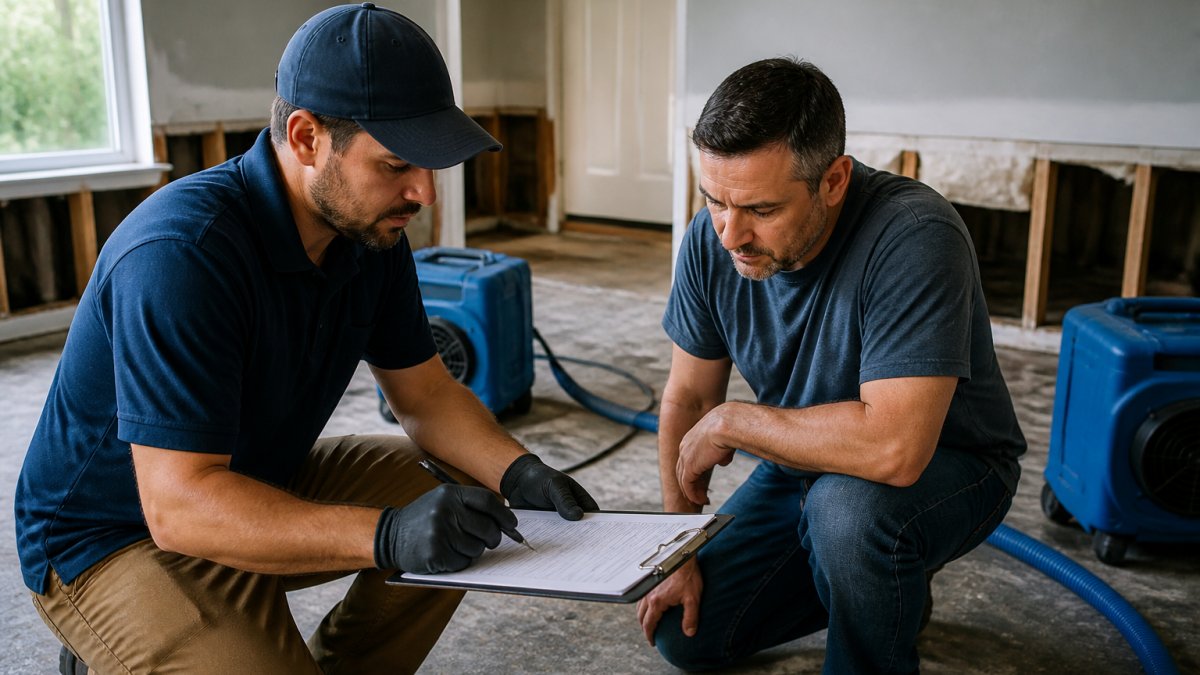
A professional mold remediation estimate should clearly itemize costs and explain what's included. Many homeowners receive vague quotes that create confusion and disputes later.
Inspection and Testing Fees
Professional mold inspection typically costs $300-$700 and includes visual assessment, moisture mapping, and sometimes laboratory testing. Some contractors include inspection in the remediation quote; others charge separately. Testing (sending samples to a lab for species identification) adds $150-$400 per sample. You don't always need lab testing, visual assessment often suffices for remediation decisions, but it's useful if you're uncertain about contamination extent or type, or if insurance is involved.
What's Included in Your Quote
A complete quote should list:
- Containment and air filtration setup
- Mold removal and surface treatment
- Material removal and disposal (if applicable)
- Drying and dehumidification
- Post-remediation verification
- Moisture source repair (or separate estimate)
Many contractors bundle these into a per-square-foot rate. Others itemize labor, materials, equipment rental, and disposal separately. Itemized quotes are easier to compare and understand.
Comparing Estimates and Hidden Charges
When you receive multiple estimates, look for inconsistencies in affected area measurements, scope of work, and what's included. One contractor might measure 100 square feet; another might say 150 because they're including buffer zones differently.
Ask each contractor:
- How did you measure the affected area?
- What's included in the per-square-foot rate?
- Are moisture source repairs included or separate?
- Will you provide a post-remediation verification report?
- What happens if mold returns within 12 months?
Hidden charges often emerge after work starts. Contractors discover additional contamination, structural damage, or complications that weren't visible during the initial estimate. Get a clause in writing that limits change orders and requires approval before exceeding the estimate by more than 10-15%.
Regional Price Variation and Insurance Coverage
Mold remediation costs vary by region due to labor rates, material availability, and local regulatory requirements. Urban areas typically cost 20-40% more than rural areas. The Northeast and Pacific Coast command higher rates than the Midwest or South. A job costing $2,000 in the Midwest might cost $2,800 on the Pacific Coast. These are broad patterns, not quotes; use them to sanity-check local bids, not to set a budget.
Regional and Urban-Rural Variation
A more useful way to read regional pricing is to separate labor from materials and access. Labor rates drive most of the difference: dense urban markets carry higher wages, permit costs, and scheduling premiums.
When comparing bids across regions, ask each contractor to quote the same severity tier and scope. A lower per-square-foot rate in one region may exclude moisture source repair or post-remediation verification that another region's quote includes.
Remediation Versus Restoration Costs
A major source of quote confusion is whether the estimate covers mold removal only or also restoration. Remediation typically includes containment, removal of contaminated materials, cleaning, drying, and verification. Restoration includes rebuilding what was removed: drywall, insulation, flooring, trim, and paint. Many per-square-foot rates cover remediation only. If your quote does not state this, assume reconstruction is separate and budget for it.
Insurance Coverage
Insurance coverage for mold remediation is limited and often exclusionary. Most homeowners policies exclude mold damage unless it results from a covered peril (like a burst pipe or storm damage) and is discovered within a specific timeframe.
Commercial property insurance sometimes covers mold remediation more broadly, but exclusions are standard. Review your policy and discuss coverage limits with your agent before remediation work begins. Keep remediation and restoration invoices separate; insurers often reimburse them under different policy sections.
Frequently Asked Questions
How much does mold remediation cost per square foot in 2026?
Mold remediation typically ranges from $10 to $25 per square foot for residential properties, based on 2026 industry guidance. However, the final cost depends on contamination severity, affected area size, moisture source repair needs, and whether hidden mold is present. Small jobs under 100 square feet often carry minimums of $500-$1,500 regardless of area. For an accurate mold remediation estimate, a professional inspection is essential because visual assessment alone cannot determine the full scope of contamination or remediation requirements.
What factors affect the cost of mold remediation?
Major cost drivers include the affected area's size and location (crawl spaces and HVAC systems cost more), contamination severity (minor versus heavy mold growth), whether the moisture source requires repair (water damage or leak repair), and the extent of material removal needed. Black mold or hidden mold behind walls increases costs because containment and air filtration systems are required. Labor intensity, professional equipment, protective gear, and disposal of contaminated materials also influence your final price. A professional remediation company will assess these factors during inspection to provide a detailed quote.
How much does black mold remediation cost?
Black mold remediation typically falls within the standard $10-$25 per square foot range, but actual costs often run higher due to the additional containment and safety measures required. Black mold contamination demands strict protocols: specialized air filtration, full protective equipment for technicians, and careful removal and disposal of affected materials. If black mold has spread to your HVAC system or requires moisture source identification and repair to prevent recurrence, costs can exceed typical estimates. Professional remediation companies will charge more for black mold jobs because of regulatory compliance and the expertise required to prevent spore dispersal.
Does homeowners insurance cover mold remediation?
Insurance coverage for mold remediation depends on the cause of mold growth. If mold results from sudden water damage (burst pipe, storm flooding), your homeowners insurance may cover remediation costs. However, mold caused by ongoing moisture issues, humidity, or lack of maintenance is typically not covered. Many policies exclude mold damage or cap coverage at $1,000-$5,000. Review your policy and contact your insurer immediately if you discover mold after a water event. Professional remediation companies can often assist with insurance claims and documentation, helping you understand what your policy covers.