 how-to
Why Your House Smells Musty After Heavy Rain
Table of Contents
- Why Your House Smells Musty After Heavy Rain
- Water Intrusion After Heavy Rain: Common Entry Points
- Musty Smell in One Room After Rain: Identifying Problem Areas
- How to Find Hidden Moisture in a House
- Distinguishing Musty, Earthy, and Sewer Odors
- How to Get Rid of Musty Smell in Your House
- Preventing Musty Odors Through Exterior Water Management
- Frequently Asked Questions
Last Updated: October 6, 2026
Why Your House Smells Musty After Heavy Rain
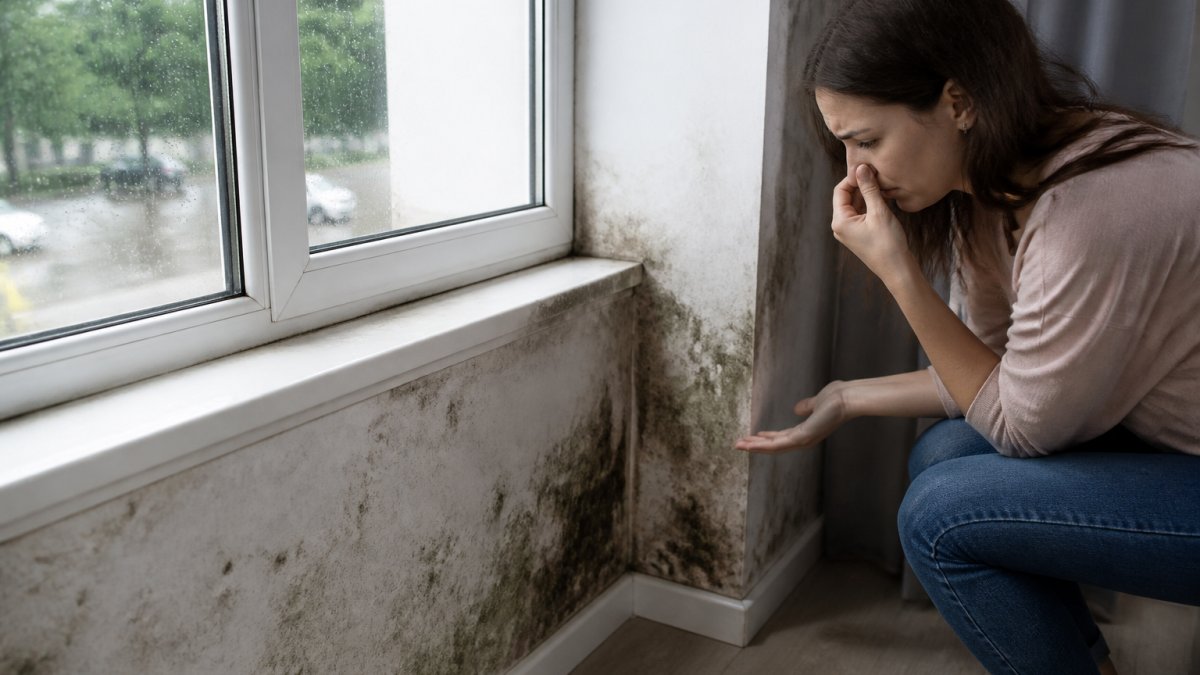
The musty smell after rain is your home's way of signaling excess moisture. That earthy, stale odor typically means water has entered somewhere, either visibly or hidden behind walls and under floors. At AFC Cleaning & Restoration, we help homeowners track down these moisture sources before they turn into bigger problems like mold growth or structural damage.
The smell itself comes from mold, mildew, and bacteria thriving in damp conditions. When rain falls hard, water finds its way in through roofs, windows, basements, and drainage problems around your foundation. Once inside, trapped moisture creates the perfect breeding ground for these odor-causing organisms.
Here's the good news: identifying the source is often straightforward if you know where to look. Most musty smells after rain point to one of a few common culprits, and catching them early prevents costly repairs down the road.
Water Intrusion After Heavy Rain: Common Entry Points
Water gets into homes through predictable paths. Heavy rainfall puts pressure on your building envelope, and any weak spot becomes a leak. Understanding where water typically enters helps you spot problems before they spread.
Roof and window leaks
Your roof takes the first hit during heavy rain. Missing shingles, cracked flashing, or deteriorated sealant around vents and chimneys create openings for water to seep through. Once inside the attic, water drips down into walls and insulation, creating trapped moisture that smells musty for weeks.
Windows are another common entry point. Water runs down the glass and pools at the sill if the frame seal is broken or the drainage holes are clogged. This moisture gets trapped inside the wall cavity where you can't see it drying out.
Check these areas after rain:
- Attic insulation for wet spots or discoloration
- Ceiling corners for stains or soft drywall
- Window sills for water pooling or damage
- Flashing around roof penetrations for gaps or rust
Basement and crawl space moisture
Basements and crawl spaces are naturally prone to moisture because they sit below ground level. During heavy rainfall, water pressure builds against foundation walls. Even small cracks allow water to seep through concrete and into your basement.
Crawl spaces under raised homes collect standing water easily. Poor ventilation means this moisture stays trapped, creating ideal conditions for mold and mildew growth. The musty smell rises up through floor joists into the living spaces above.
Look for these signs of basement moisture:
- Efflorescence (white powder) on concrete walls
- Visible water stains on foundation walls
- Wet insulation or rotting wood framing
- Condensation on pipes and metal surfaces
Poor drainage and water pooling
Gutters, downspouts, and yard grading direct water away from your foundation, or they should. Clogged gutters cause water to overflow and pool against your house. Downspouts that drain too close to the foundation send water right where it shouldn't go. Sloped yards that drain toward the house instead of away from it create persistent moisture problems.
When water pools around your foundation, it seeps through cracks and finds its way into basements and crawl spaces. This standing water is often the source of that musty smell after rain.
Improve drainage by:
- Cleaning gutters and downspout screens twice yearly
- Extending downspouts at least 4-6 feet from the foundation
- Regrading soil away from the house (at least 6 inches drop over 10 feet)
- Installing French drains or sump pumps in chronically wet areas
Musty Smell in One Room After Rain: Identifying Problem Areas
A musty smell isolated to one room narrows down the source significantly. It tells you the water intrusion is localized, not a whole-house problem. This makes diagnosis faster and repairs more targeted.
A room that smells musty after rain usually has water entering through that room's exterior walls, roof section, or foundation. Check the room's exterior walls first, look for roof leaks directly above, window damage, or foundation cracks at that location.
Basements and crawl spaces under that room are prime suspects too. If the smell is strongest near the floor or in one corner, water is likely entering at the foundation or through the subfloor in that area.
Use these steps to pinpoint the problem:
- Note exactly where the smell is strongest
- Check exterior walls and roof above that area
- Look for water stains, discoloration, or soft materials
- Feel for damp spots on drywall, flooring, or insulation
- Inspect the basement or crawl space directly below
How to Find Hidden Moisture in a House
Hidden moisture is the real danger. Water trapped inside walls, under flooring, or in insulation creates conditions for mold growth long after the rain stops. Finding these hidden sources before they cause serious damage is critical.
Visual inspection checklist
Start with your eyes and nose. Walk through your home after heavy rain and note where the musty smell is strongest. That's your starting point.
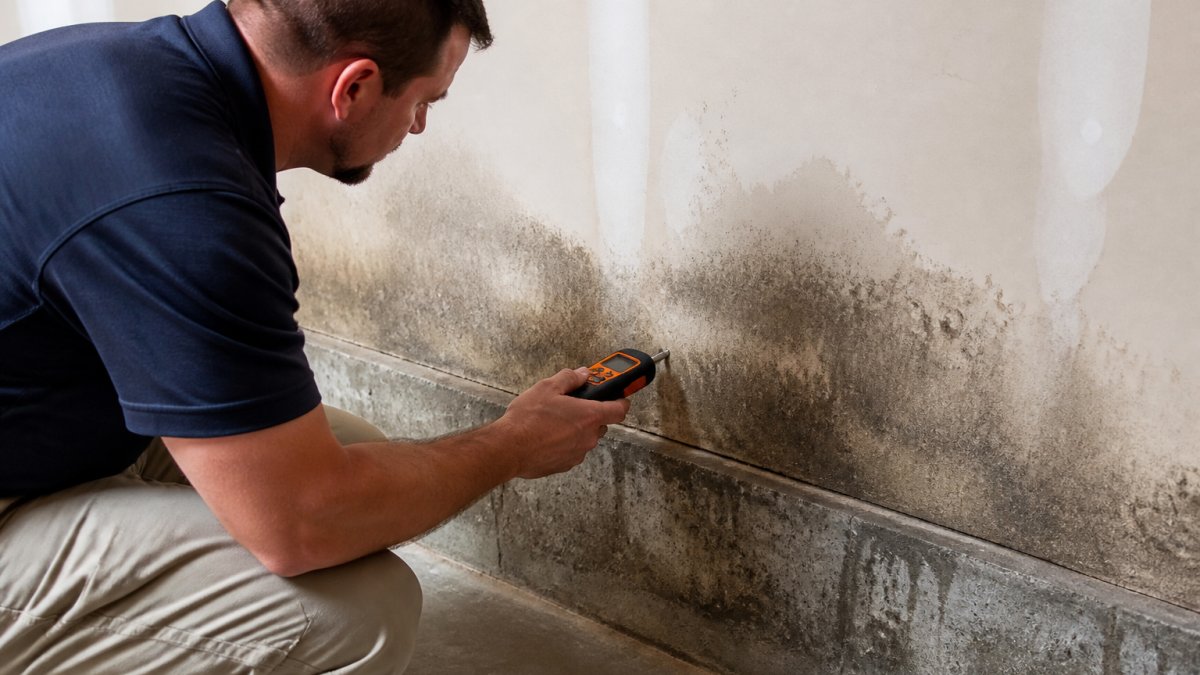
Check these areas systematically:
- Attic: look for wet insulation, water stains on rafters, soft spots in wood
- Crawl space: inspect for standing water, wet soil, moisture on joists
- Basement walls: examine for efflorescence, water stains, cracks with moisture
- Under sinks and around plumbing: check for soft drywall or wet insulation
- Around windows and doors: look for water stains on trim and surrounding drywall
- Exterior: inspect gutters, downspouts, foundation cracks, and yard grading
Soft or discolored drywall is a red flag. Press gently on walls in damp areas, soft spots indicate water damage. Visible mold or mildew growth means moisture has been present for days.
Using a moisture meter
A moisture meter gives you hard data about where water is hiding. These inexpensive tools measure moisture content in wood, drywall, and other materials. Readings above 20% indicate a moisture problem.
Moisture meters come in two types: pin meters (which puncture the surface slightly) and pinless meters (which read through the surface). Pinless meters work faster and don't damage finished surfaces, but pin meters give more precise readings.
Scan suspect areas methodically:
- Test multiple spots on basement walls and floors
- Check drywall around windows and doors
- Test wood framing in attics and crawl spaces
- Scan flooring near the foundation or under windows
- Compare readings in wet areas to dry areas, the difference is telling
Readings above 20% mean moisture is present. Readings above 25% indicate serious water damage. Once you find high readings, you've located where water is hiding.
Distinguishing Musty, Earthy, and Sewer Odors
Not all bad smells after rain mean the same thing. Identifying which type of odor you're smelling helps pinpoint the source and urgency of the problem.
Musty smell, earthy, stale, like old basement air. This is mold and mildew growing in damp materials. It's the most common smell after heavy rain and usually indicates trapped moisture in walls, crawl spaces, or attics.
Earthy odor, fresh, soil-like smell, sometimes pleasant. This often comes from wet soil, mulch, or decomposing organic matter in crawl spaces or near the foundation. It's less concerning than musty smells but still indicates excess moisture and poor drainage.
Sewer smell, sharp, unpleasant, like rotten eggs or sewage. This points to a different problem entirely: sewer gases entering your home. This smell requires immediate attention and professional help.
If you smell sewer odors, don't delay. Call a plumber or professional restoration company right away. Sewer gases are hazardous and indicate a plumbing emergency.
How to Get Rid of Musty Smell in Your House
Once you've found the moisture source, the next step is drying things out and removing the smell. Speed matters here, the longer moisture sits, the more mold grows.
Immediate steps to dry out affected areas
Start drying immediately after identifying wet areas. The goal is to get moisture below 20% before mold spreads aggressively.
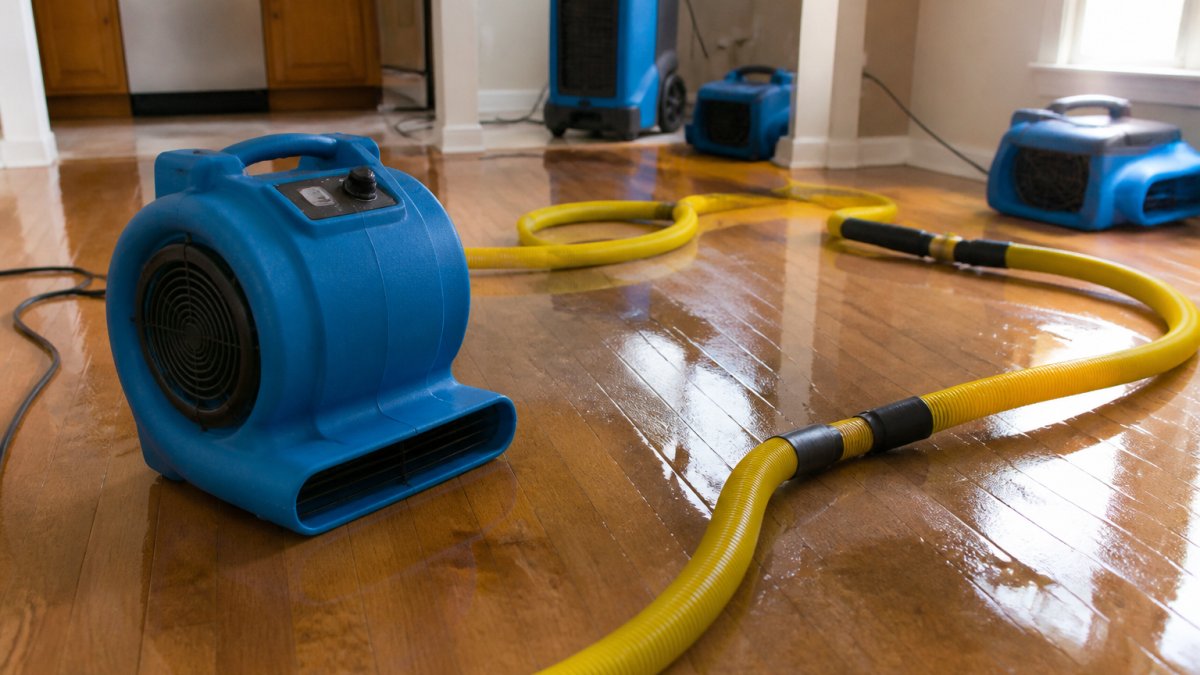
Open windows and doors to increase air circulation. Run fans to move air across wet surfaces. In basements and crawl spaces, use a dehumidifier to pull moisture from the air. Portable dehumidifiers work well for small areas; larger spaces may need industrial-grade units.
Remove wet materials if they're not structural. Wet drywall, insulation, and flooring should come out if they've been wet for more than 48 hours. Mold colonizes these materials quickly, and removal is often cheaper than remediation.
Increase ventilation by:
- Opening all windows and doors (weather permitting)
- Running exhaust fans continuously
- Setting up portable fans to move air across wet surfaces
- Using a dehumidifier to pull moisture from the air
Dry out the space completely before closing it up again. This typically takes 3-7 days depending on the amount of moisture and ventilation available.
When to call a professional
DIY drying works for minor moisture problems, a small wet spot in the basement or slight dampness in a crawl space. But larger water intrusion, mold growth, or structural damage requires professional help.
Call a restoration professional if:
- Water covers more than a small area (more than a few square feet)
- Drywall or insulation is visibly wet or moldy
- The smell doesn't improve after 48 hours of drying
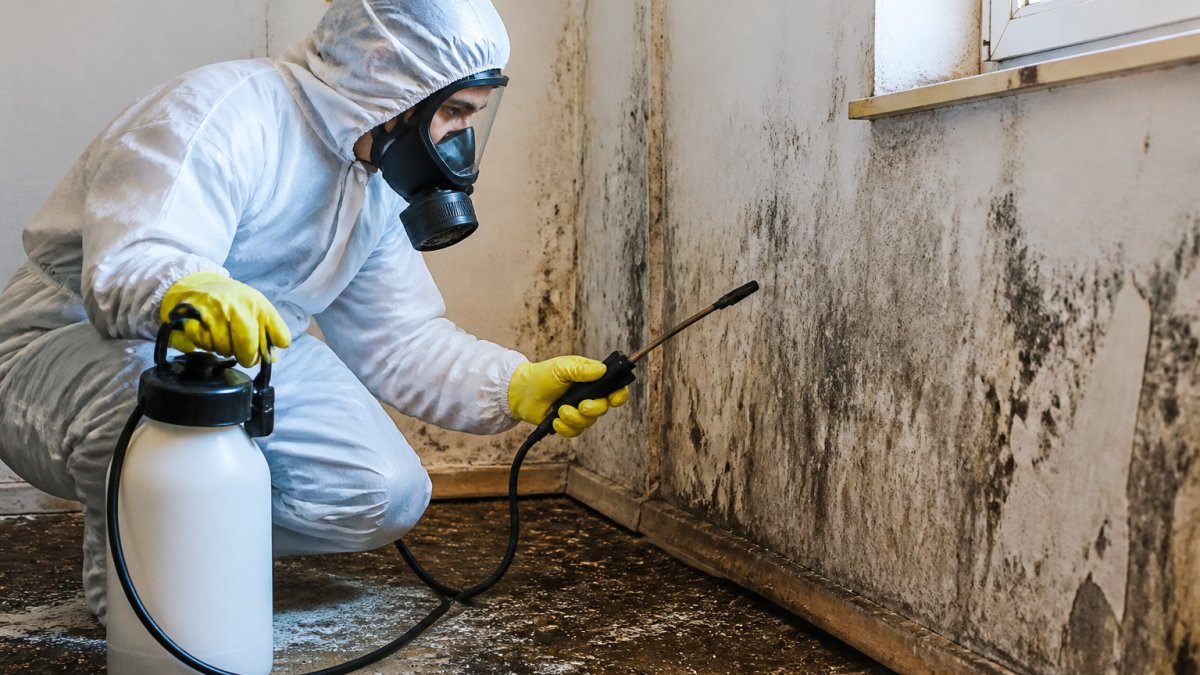
- You see mold growth on surfaces or in materials
- Moisture readings stay above 20% after drying attempts
- Water entered through the foundation or basement
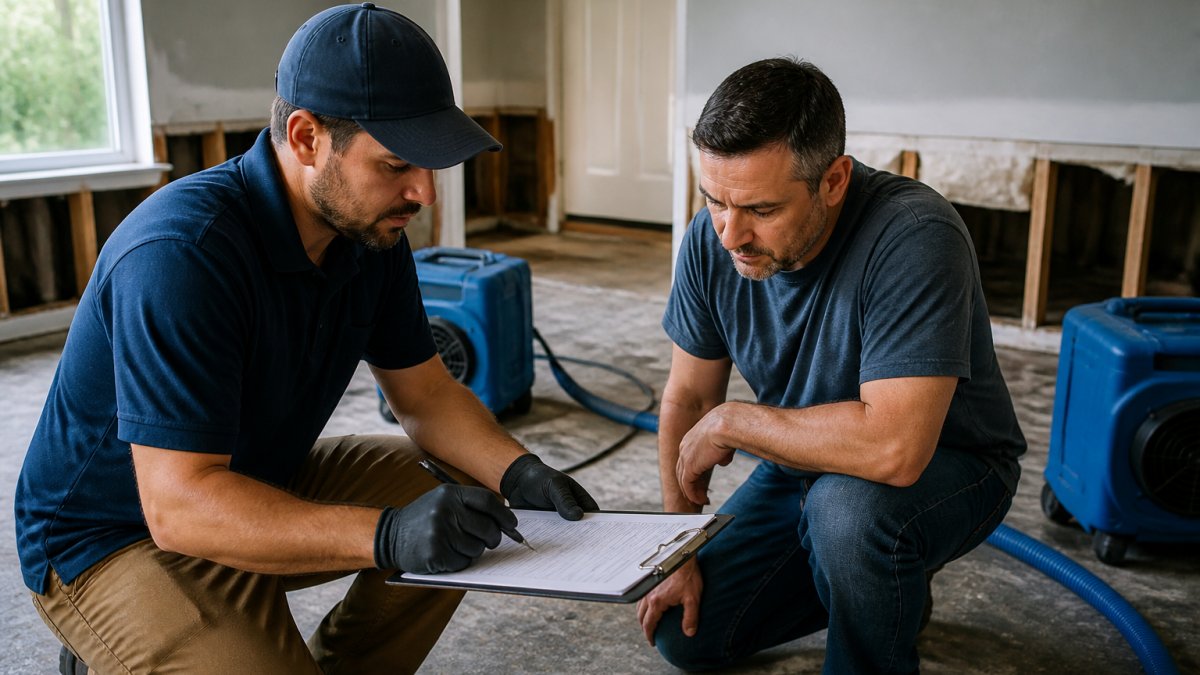
Professional restoration teams have industrial-grade dehumidifiers, air movers, and moisture detection equipment. They can dry spaces quickly and thoroughly, preventing mold growth. AFC Cleaning & Restoration handles these situations 24/7, we respond to emergency water damage and can have equipment on site within hours to prevent further damage.
Preventing Musty Odors Through Exterior Water Management
The best fix is prevention. Managing water on the outside of your home stops it from getting inside in the first place.
Maintain your gutters and downspouts. Clean gutters twice a year (spring and fall) to prevent overflow. Downspouts should extend at least 4-6 feet from the foundation.
Inspect and seal cracks in the foundation. Hairline cracks in concrete allow water to seep through under pressure.
Install or maintain sump pumps in basements. A sump pump removes water that collects at the foundation before it can seep into the basement.
Improve crawl space ventilation. Crawl spaces need air movement to prevent moisture buildup. Install or upgrade vents, or use a crawl space dehumidifier to control moisture.
These exterior improvements cost less than fixing water damage later. They also prevent the musty smell from returning after you've cleaned it up.
A musty smell after heavy rain is fixable, but it requires quick action.
Frequently Asked Questions
Why does my house smell musty after heavy rain?
Heavy rain can force water into your home through roof leaks, window seals, foundation cracks, and poor drainage around the foundation. This excess moisture creates an environment where mold and mildew thrive, producing that characteristic musty smell. The odor intensifies when moisture gets trapped in walls, under flooring, or in crawl spaces where air circulation is poor. If the smell appears only after rain, water intrusion is almost certainly the culprit.
Can a musty smell after rain indicate hidden water damage?
Yes. A musty smell often signals hidden water damage in areas you cannot see, such as inside walls, under subfloors, or within concrete slabs. Mold and mildew grow rapidly in damp materials like drywall, insulation, and wood framing. If the smell persists after a few days of drying, or if it gets worse, professional inspection with a moisture meter is recommended to locate the source and assess whether mold remediation is needed.
How do I know when to call a professional for musty smell after rain?
Contact a professional if the musty smell lingers more than 48 hours after rain stops, if you see visible mold or mildew, if affected areas are extensive, or if moisture readings indicate a problem on a moisture meter. Professional remediation is essential if mold is present, as improper removal can spread spores throughout your home. IICRC-certified technicians have the equipment and expertise to safely identify hidden moisture, remove mold, and restore your home to pre-damage condition.
What's the difference between a musty smell and a sewer odor after rain?
A musty smell is earthy and associated with mold, mildew, and damp materials. A sewer odor is sharp and unpleasant, often caused by heavy rain overwhelming drainage systems or backing up into plumbing vents. Sewer gases can enter your home through drains, toilets, and foundation cracks when water pressure increases during storms. If you detect a sewer smell, check for slow drainage or gurgling sounds in drains, and contact a plumber or water damage professional immediately.