 how-to
Preventing Mold Growth After Water Leaks
Table of Contents
- Stop the Water Source Immediately
- How Quickly Mold Grows After Water Damage
- Remove Standing Water and Wet Materials
- Drying Out a Room After a Water Leak
- What to Spray After Water Damage to Prevent Mold
- Control Indoor Humidity Levels
- Inspect Hidden Moisture and Verify Drying
- When to Call a Water Damage Restoration Professional
- Frequently Asked Questions
Last Updated: October 14, 2026
Stop the Water Source Immediately
The first step in preventing mold growth after water leaks is stopping the leak itself. You cannot dry out a space while water continues to flow in. Find the source and shut it off as quickly as possible.
For plumbing leaks, locate your main water shut-off valve. It's usually in the basement, crawl space, or near the front of your home where the water line enters the building. Turn it clockwise until it stops.
For roof leaks, you may not be able to stop the water immediately, but you can minimize damage. Move belongings away from the leak, place buckets to catch water, and document everything with photos for insurance purposes.
For foundation or basement leaks caused by groundwater or poor drainage, the issue requires a different approach. Focus on redirecting water away from the structure through gutters, downspouts, and grading.
The faster you stop the water source, the less time mold has to develop. Time is critical here.
How Quickly Mold Grows After Water Damage
Mold growth after water damage happens faster than most people realize. Under the right conditions, mold can begin to grow within 24 to 48 hours of water exposure (the CDC). Some mold species start growing even sooner, within 12 hours in warm, humid environments.
This timeline is why speed matters so much. The window to prevent serious mold colonization is narrow. If you wait more than two days before drying affected areas thoroughly, you're fighting an uphill battle.
Temperature and humidity play major roles in how quickly mold develops:
- Warm temperatures (70-90°F): Mold thrives in warmth. Summer water damage can accelerate growth significantly.
- High humidity (above 55%): Excess moisture in the air feeds mold spores. The longer humidity stays elevated, the faster colonies establish.
- Porous materials: Drywall, carpet, insulation, and wood absorb water and hold moisture longer, giving mold more time to root itself.
At AFC Cleaning & Restoration, we respond 24/7 to emergency water damage calls.
Remove Standing Water and Wet Materials
After stopping the water source, remove standing water immediately. Use a wet vacuum, pump, or mop and bucket depending on the volume. The goal is to eliminate pooled water so the drying process can begin.
For large volumes of water, consider renting a submersible pump or calling a professional. Trying to mop up thousands of gallons by hand wastes time and energy. The faster standing water is gone, the sooner you can focus on drying affected areas.
Once standing water is removed, assess which materials are salvageable:
- Carpet and padding: If wet for more than 24 hours, these typically need removal. Carpet holds moisture and becomes a breeding ground for mold. Pull it up, dispose of it, and dry the subfloor underneath.
- Drywall: If drywall is saturated but hasn't been wet for more than 48 hours, you may be able to dry it in place with fans and dehumidifiers. If it's been wet longer or shows soft spots, cut out the damaged section and replace it.
- Insulation: Wet insulation loses its effectiveness and harbors mold. Remove and replace it.
- Wood flooring: Solid hardwood can sometimes be saved with aggressive drying. Engineered wood and laminate usually cannot, they delaminate and warp. Remove and replace them.
- Belongings: Move wet furniture, boxes, and personal items out of the affected area so they can dry separately. Don't stack wet items on top of each other, air needs to circulate around everything.
The key decision is this: if something is saturated and porous, removing it is usually faster and safer than trying to save it. Mold prevention is cheaper than mold remediation.
Drying Out a Room After a Water Leak
Drying is where most people fail. They remove water but don't dry thoroughly, leaving hidden moisture that feeds mold growth. This is the phase that determines whether you prevent mold or spend thousands removing it later.
Opening Windows and Improving Airflow
Open windows immediately to create cross-ventilation. Air movement is essential for drying. If weather permits, open windows on opposite sides of the room to create airflow that pushes moisture out.
Check weather forecasts before opening windows. If it's humid outside, opening windows actually brings more moisture in. On dry, breezy days, windows are your best tool. On humid days, keep windows closed and rely on fans and dehumidifiers instead.
Remove interior doors to allow air to flow between rooms. Close exterior doors to prevent moisture from spreading to unaffected areas. Use hallways and stairwells as pathways for air movement.
Using Fans and Dehumidifiers
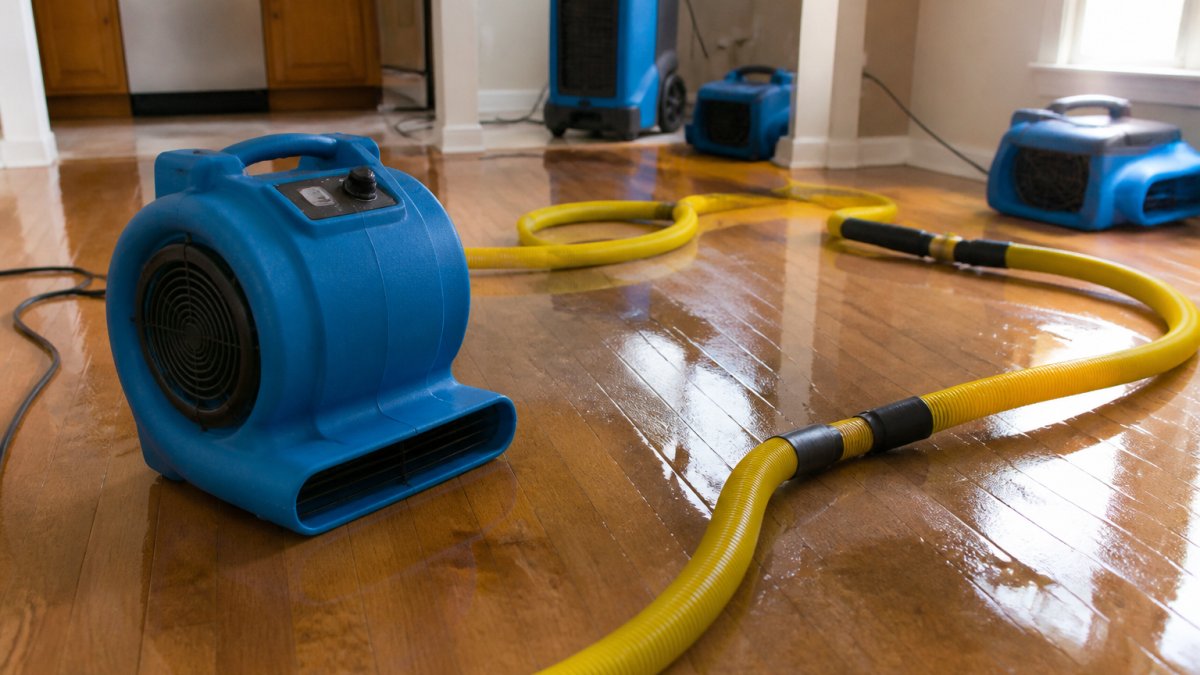
Fans accelerate evaporation. Position them to blow air across wet surfaces and toward windows or doors where moisture can escape. Don't just point a fan at the wall, angle it so air circulates throughout the room.
Dehumidifiers remove moisture from the air itself. As water evaporates from surfaces, the dehumidifier captures that moisture before it can settle on other materials and feed mold.
For large areas, you may need multiple fans and dehumidifiers. A single box fan and one dehumidifier won't dry a flooded basement fast enough. Professional restoration teams use industrial-grade equipment that moves air at much higher volumes.
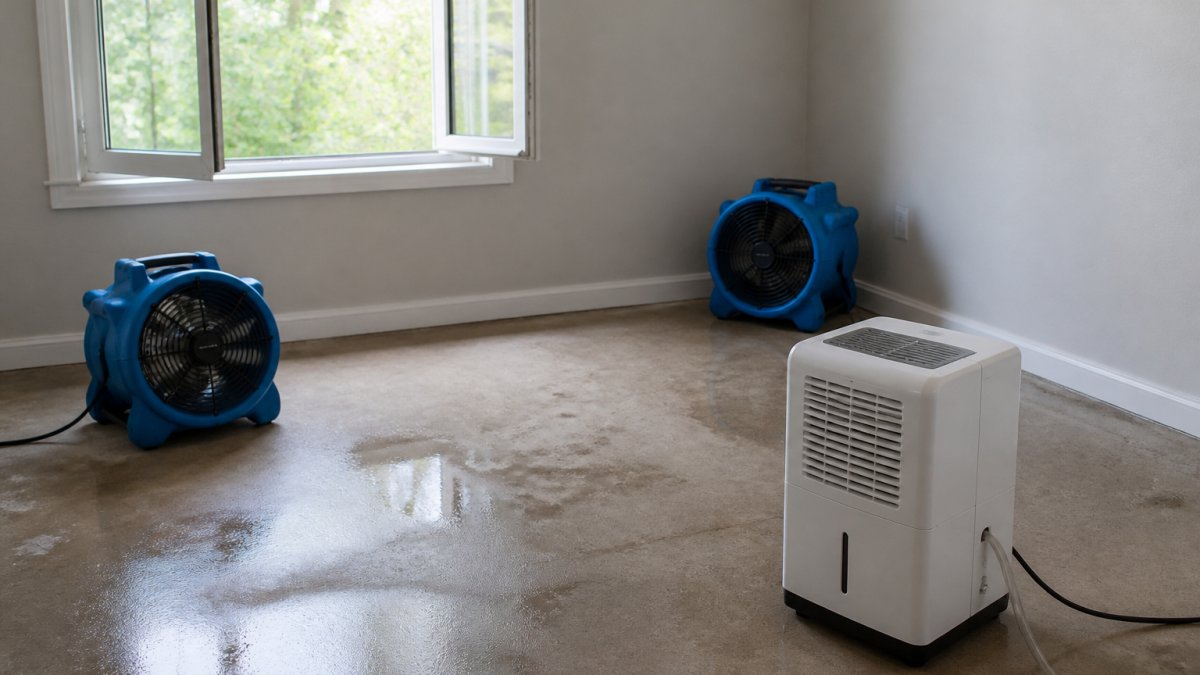
Leave equipment running for at least 72 hours. Many people turn fans off after 24 hours thinking the job is done. Deep drying, especially of walls, subfloors, and insulation, takes longer.
What to Spray After Water Damage to Prevent Mold
After water damage, many people ask whether spraying a substance will prevent mold. The honest answer is that spraying alone won't work. Mold prevention depends primarily on removing moisture, not on antimicrobial sprays.
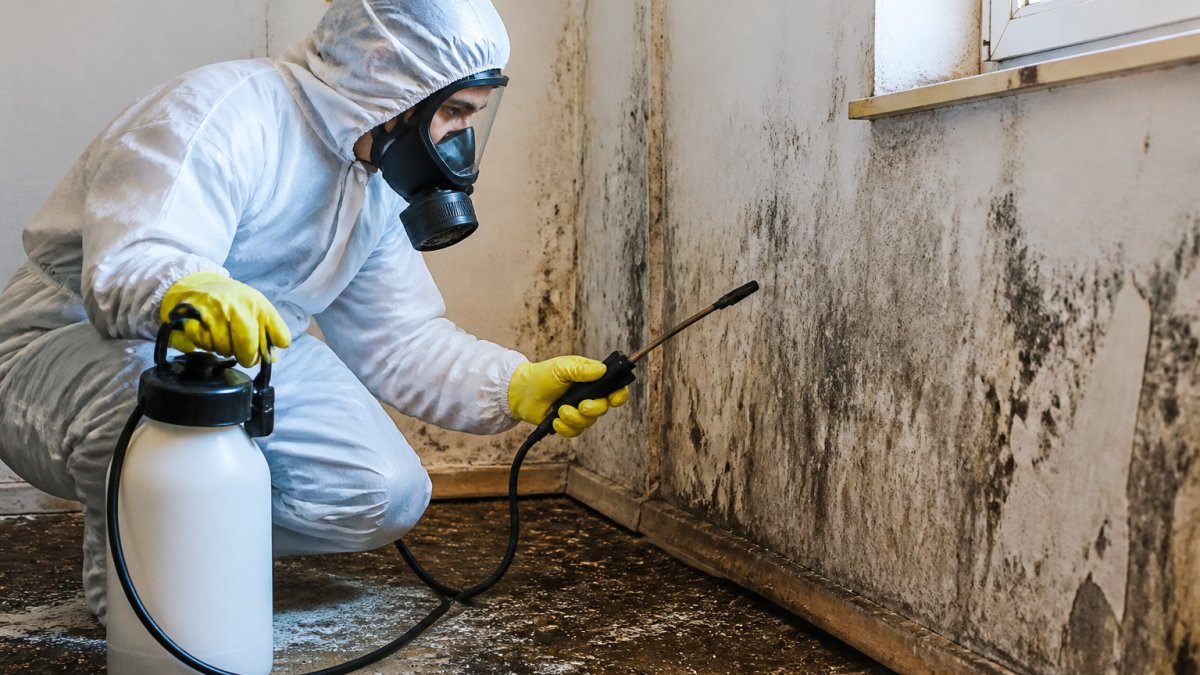
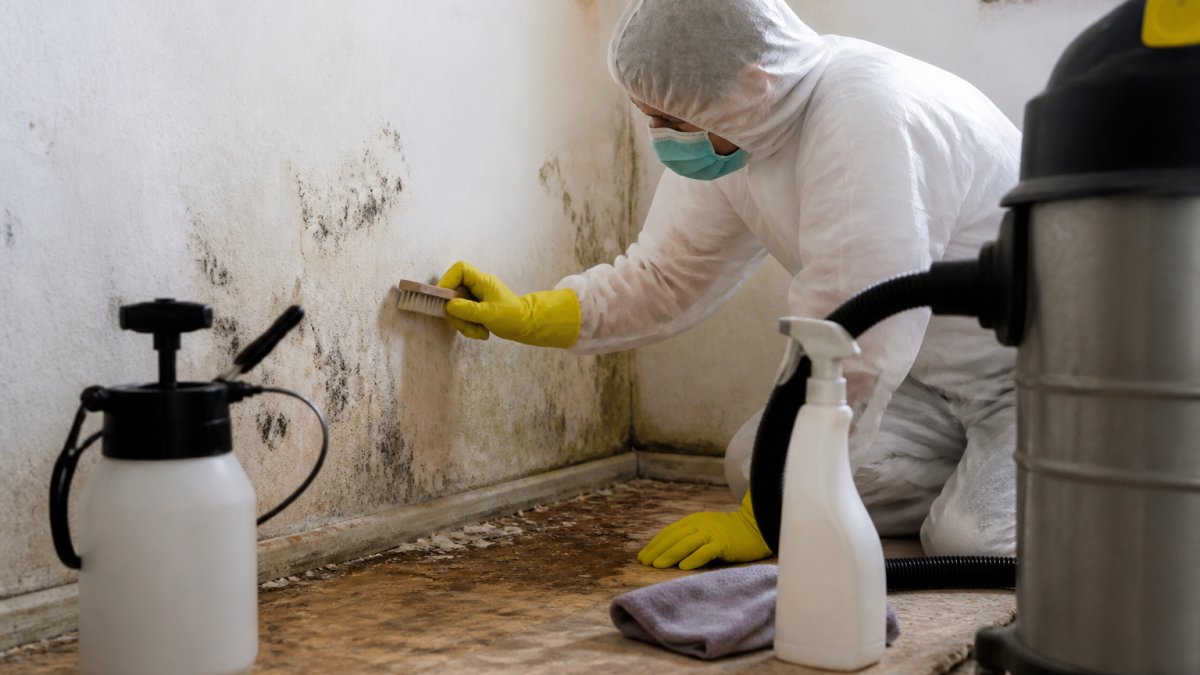
That said, once an area is dried, a disinfectant spray can help clean surfaces and reduce mold spores. Use a solution of one part bleach to ten parts water, or a commercial mold-prevention spray designed for post-water-damage cleanup. Spray affected surfaces, let them sit for 10 minutes, and wipe clean.
Important cautions:
- Never spray before drying. Spraying a wet surface seals moisture inside, making the problem worse.
- Spray only after surfaces are dry. Once humidity is controlled and materials are dry to the touch, then spray.
- Ventilate during and after spraying. Bleach fumes are harmful. Open windows and run fans while spraying.
- Wear protective equipment. Gloves, eye protection, and a respirator mask protect you from fumes and mold spores.
The spray is a finishing step, not the main defense. Your primary defense is drying everything thoroughly within 24 to 48 hours.
Control Indoor Humidity Levels
Indoor humidity is the silent factor that determines whether mold grows or stays dormant. Keeping humidity in the safe range prevents mold from establishing, even if some moisture remains hidden.
The target range is 30 to 50% relative humidity. Above 55% humidity, mold begins to thrive. Below 30%, most mold cannot grow.
After water damage, use a dehumidifier to bring humidity into the safe range. Leave it running even after visible drying is complete. Mold can develop in hidden spaces, inside walls, under flooring, in attic spaces, if humidity stays high.
Monitor humidity with an inexpensive hygrometer (around $15 to $30). Place it in the affected room and check it daily. Once humidity is below 50% and stays there for a week, you've likely prevented mold from establishing.
Keep humidity controlled long-term by:
- Running exhaust fans in bathrooms and kitchens to remove moisture from daily activities
- Using air conditioning, which dehumidifies as it cools
- Ensuring gutters and downspouts direct water away from the foundation
- Maintaining proper grading so water doesn't pool near the house
Humidity control is the final piece of prevention.
Inspect Hidden Moisture and Verify Drying
The most dangerous mold grows where you can't see it. Behind walls, under flooring, and inside insulation, moisture can persist even after visible surfaces feel dry. This is where most DIY efforts fail.
Conduct a room-by-room inspection for hidden moisture:
Walls: Press your hand against drywall and insulation. If it feels cool or damp, moisture remains inside. Check corners, baseboards, and areas near the original leak. Drywall can feel dry on the surface while staying wet inside.
Floors: Lift carpet or flooring in affected areas. Check the subfloor and padding underneath. Smell for musty odors, which indicate mold growth or trapped moisture.
Crawl spaces and basements: These areas dry slowly. Check for standing water, wet insulation, and condensation on pipes. Use a flashlight to inspect corners and low spots where water collects.
HVAC systems: If water reached your furnace, air handler, or ductwork, moisture can spread mold spores throughout the house. Have a professional inspect these systems.
Attics: Water can travel upward through walls into attics. Check for water stains, wet insulation, and soft roof decking.
If you find areas that are still wet after 48 hours of aggressive drying, you need professional help. Hidden moisture requires specialized equipment like moisture meters and thermal imaging to locate and dry.
When to Call a Water Damage Restoration Professional
Some water damage situations are beyond DIY capability. Knowing when to call a professional prevents costly mistakes and health risks.
Call a professional immediately if:
- The water damage is extensive. More than a few hundred square feet of affected area requires professional-grade equipment and expertise.
- The water source is contaminated. Sewage, floodwater, or water from unknown sources contains harmful bacteria and pathogens. Professional crews use proper safety protocols and disposal methods.
- Water has entered walls, crawl spaces, or attics. Hidden moisture requires specialized detection and drying equipment.
- Drywall or insulation is saturated. These materials need professional removal and replacement to prevent mold.
- You have health concerns. If anyone in your home has respiratory issues, asthma, or immune system problems, professional restoration reduces mold exposure risk.
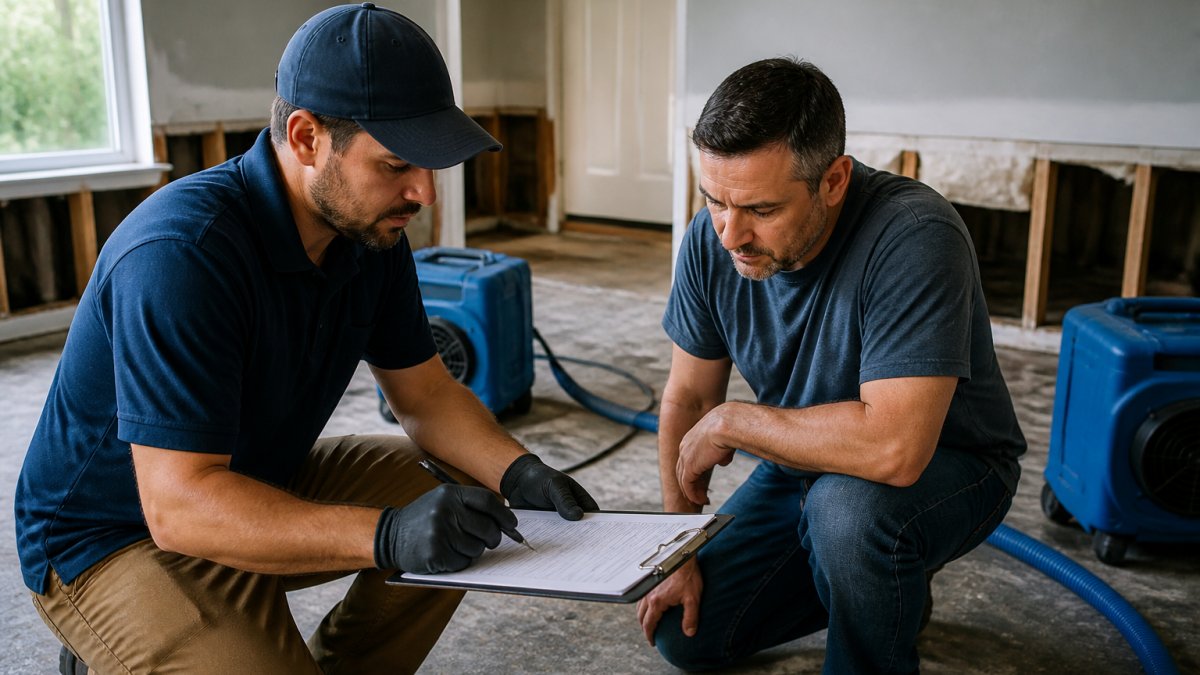
- You're uncertain about drying progress. A professional can measure moisture levels and verify that drying is complete before you declare the job done.
AFC Cleaning & Restoration is available 24/7 for emergency water damage situations. Our IICRC-certified technicians have handled everything from burst pipes to basement floods across the Kansas City area since 2003. We bring industrial-grade equipment, moisture detection technology, and the expertise to dry hidden areas most homeowners miss.
The cost of professional restoration is significant, but it's usually less than the cost of mold remediation later. Prevention is always cheaper than cure.
Water damage doesn't automatically mean mold will follow. By stopping the leak quickly, removing standing water, drying thoroughly within 24 to 48 hours, and controlling humidity, you can prevent mold from taking hold. The key is speed and thoroughness, don't leave moisture behind. If the situation feels overwhelming or if you discover hidden moisture, contact a certified water damage restoration professional immediately.
Frequently Asked Questions
How quickly can mold grow after a water leak?
Mold can begin to grow within 24-48 hours of water exposure, especially on porous materials like drywall, carpet, and insulation. The exact timeline depends on temperature, humidity, and material type. Warm, humid environments accelerate mold growth significantly. This is why stopping the water source and starting the drying process immediately is critical to preventing mold growth after water damage.
What should I do immediately after discovering a water leak?
First, shut off the water supply if the leak comes from plumbing. Turn off electricity to the affected area if water is near outlets or appliances. Open windows and doors to increase airflow, remove standing water with a wet vacuum or pump, and move wet belongings to a dry location. Document the damage with photos for insurance. If the water source is from a roof leak, gutter issue, or sewage backup, or if the affected area is large, contact a professional immediately.
Can I prevent mold if I clean up a small leak myself?
Small leaks from clean water sources can often be managed with DIY cleanup if you act fast. Remove standing water, dry the area thoroughly within 24-48 hours using fans and dehumidifiers, and clean surfaces with appropriate disinfectants. However, if water has soaked into walls, insulation, or subflooring, or if the leak source is unclear, hidden moisture often remains and will cause mold to grow. Professional moisture measurement and verification ensure complete drying and prevent costly mold problems later.
What humidity level should I maintain to prevent mold?
Keep indoor humidity between 30-50% to prevent mold growth. Relative humidity above 55% creates conditions where mold thrives, especially on damp surfaces. Use a humidity monitor to track levels, and run a dehumidifier continuously during and after the drying process. Ensure proper ventilation by opening windows when weather permits and using exhaust fans in bathrooms and kitchens. Maintaining these humidity levels is essential for preventing mold growth after water damage.