 how-to
Residential Water Damage Repair in Kansas City: 2026 Guide
Table of Contents
- Emergency Residential Water Damage Repair in Kansas City: First Steps
- Signs of Hidden Water Damage in Walls You Should Never Ignore
- Basement Flood Cleanup Timeline: What Happens in the First 48 Hours
- Water Damage Insurance Claim Tips for Kansas City Homeowners
- Why IICRC Certification Matters for Residential Water Damage Repair
- Frequently Asked Questions
Last Updated: September 23, 2026
Emergency Residential Water Damage Repair in Kansas City: First Steps
Water damage doesn't wait for business hours, and neither should your response. Residential water damage repair in Kansas City starts with two urgent actions: shut off the power and water, then document everything before moving a single item. At AFC Cleaning & Restoration, we've responded to flooded basements across the metro since 2003, and quick action on these first steps can lead to better outcomes.
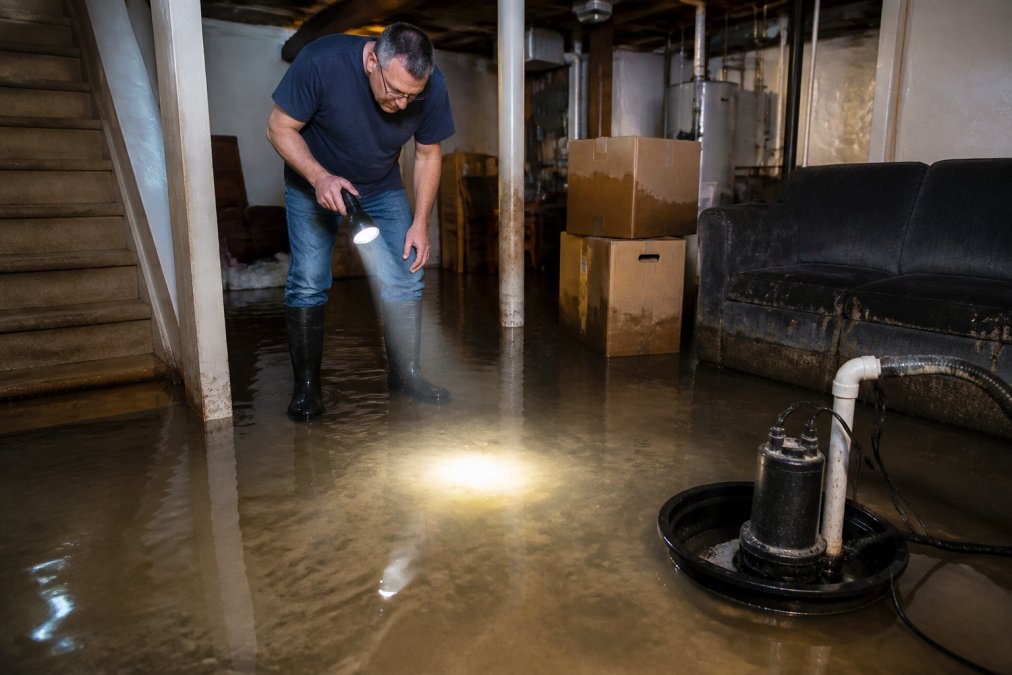
Safety First: Shut Off Power and Water
The first priority is eliminating hazards, not saving belongings. Water and electricity together create a lethal combination, so cut power to the affected area at the breaker box before you step into standing water. If the breaker panel itself is wet or submerged, don't touch it. Call an electrician or your utility provider instead.
Next, stop the water source if you can do so safely. A burst supply line has a shutoff valve nearby; a failed water heater has its own valve on top. For sewage backups or rising groundwater, there's nothing to shut off. Evacuate the space and call a professional restoration crew.
A common mistake is wading in first to grab valuables. That's how people get shocked or injured by hidden debris under murky water.
Document Everything Before You Touch Anything
Your insurance claim lives or dies on documentation. Before you move furniture or start extracting water, photograph and video every room from multiple angles. Capture water lines on walls, damaged furniture, ruined electronics, and any visible mold.
Keep a written inventory of damaged items with approximate purchase dates. The Insurance Information Institute's homeowner claim guidance recommends documenting damage immediately and keeping receipts for any emergency expenses, including hotel stays if your home becomes uninhabitable.
Don't throw anything away until your adjuster has seen it or approved disposal. Once it's in the dumpster, it's gone from your claim.
Signs of Hidden Water Damage in Walls You Should Never Ignore
Visible puddles are the easy part. The damage that costs homeowners the most hides behind drywall, under flooring, and inside wall cavities. Watch for these warning signs in the weeks after any water event:
- Musty odors that don't fade after ventilation
- Paint or wallpaper that bubbles, peels, or feels soft
- Warped baseboards or swelling at the bottom of walls
- Discolored patches on ceilings or walls that spread over time
- Soft or spongy flooring near bathrooms, kitchens, or exterior walls
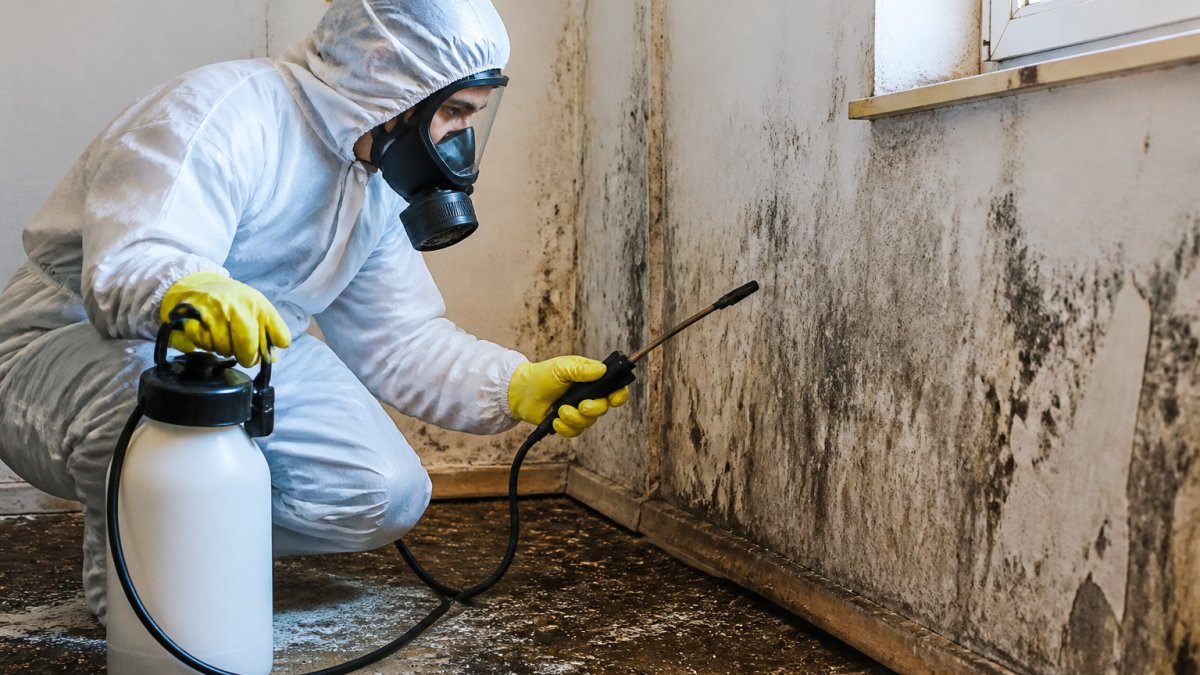
These signs point to moisture trapped inside building materials. Left alone, that moisture feeds mold growth, which can begin within 24 to 48 hours of a water event, according to FEMA's flood damage guidance. By the time you smell it, the problem is already established.
Basement Flood Cleanup Timeline: What Happens in the First 48 Hours
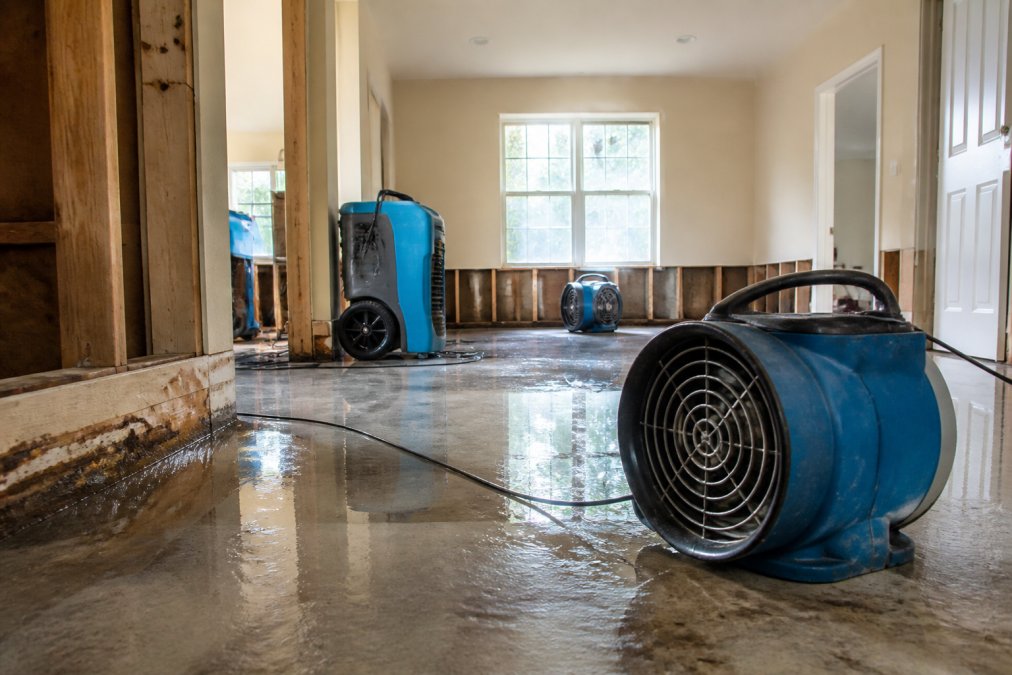
The basement flood cleanup timeline is unforgiving: water extraction should begin within hours, and structural drying must be underway within 24 to 48 hours to prevent permanent damage and mold colonization. Here's how that window typically unfolds.
| Timeframe | Priority Action | Why It Matters |
|---|---|---|
| 0-2 hours | Shut off power/water, document damage | Prevents injury and preserves your claim |
| 2-6 hours | Call a restoration crew, begin extraction | Limits how far water wicks into materials |
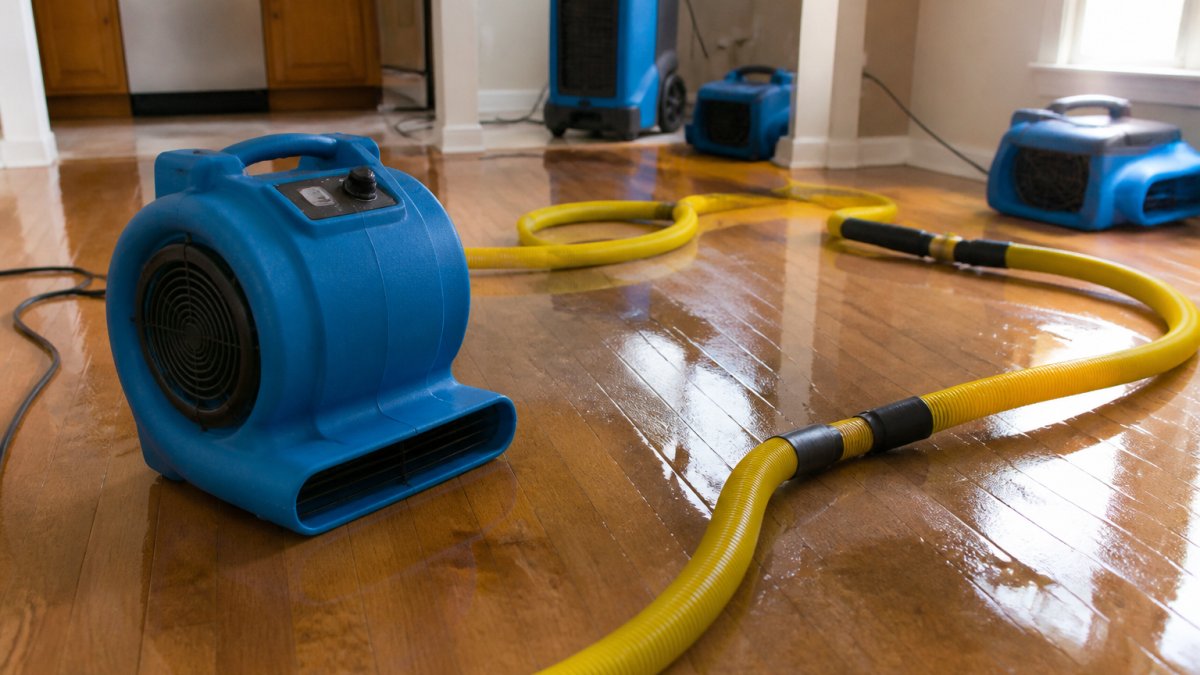
| 6-24 hours | Remove standing water, start air movers | Cuts humidity before mold can establish |
| 24-48 hours | Drywall assessment, dehumidification | Determines what can be saved vs. replaced |
| 48+ hours | Mold inspection, repairs, rebuild | Addresses secondary damage before it spreads |
Professional crews use moisture meters and thermal imaging to find water you can't see. That's the difference between a basement that dries completely and one that grows mold behind the drywall six weeks later.
Water Damage Insurance Claim Tips for Kansas City Homeowners
Most standard homeowner policies cover sudden and accidental water damage, but they exclude gradual leaks and neglected maintenance. That distinction decides whether your claim gets paid. These water damage insurance claim tips keep your claim on track:
- Report the loss immediately. Most policies require prompt notice, and delays give adjusters a reason to question the claim.
- Keep every receipt. Emergency lodging, temporary repairs, and replacement items all count toward reimbursement.
- Don't accept the first settlement without review. Get an independent estimate from a licensed restoration contractor.
- Ask about additional living expenses. If your home is uninhabitable, your policy may cover temporary housing.
- Document the cause, not just the damage. A failed supply line is covered; a slow leak you ignored for months often isn't.
The National Association of Insurance Commissioners publishes state-by-state resources on filing home insurance claims and understanding your policy's exclusions, which is worth reviewing before you sign anything.
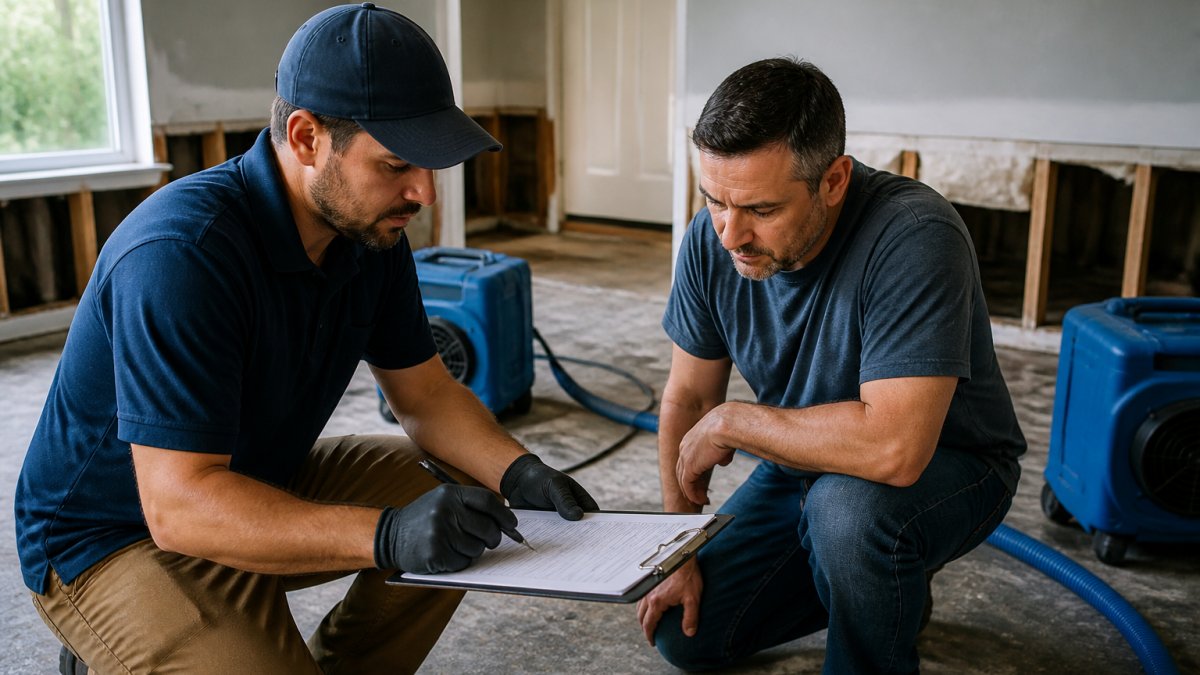
AFC Cleaning & Restoration works directly with insurance adjusters throughout the claims process, providing detailed moisture readings, photo documentation, and scope-of-work reports that support your claim rather than complicate it.
Why IICRC Certification Matters for Residential Water Damage Repair
IICRC certification is the restoration industry's recognized standard for water damage technicians, covering proper extraction methods, drying science, and mold remediation protocols. An uncertified crew may dry your basement by feel. A certified one dries it by measurement.
The Institute of Inspection, Cleaning and Restoration Certification sets the S500 standard for water damage restoration, which defines how much moisture materials can retain before they're considered dry. Technicians trained to that standard use calibrated meters, not guesswork, to confirm the job is actually finished.
This matters because "dry to the touch" is not dry. Drywall, framing, and subflooring hold moisture long after surfaces feel normal. Skip proper verification and you're setting up a mold problem that surfaces months later.
AFC Cleaning & Restoration's technicians hold IICRC certifications including WRT (Water Restoration Technician), ASD (Applied Structural Drying), and CCRN credentials. That training is why our drying reports hold up with insurance adjusters and why we can tell you with confidence when a structure is genuinely dry.
Water damage in your home is stressful, time-sensitive, and easy to get wrong in the first few hours. AFC Cleaning & Restoration responds 24/7, 365 days a year across the greater Kansas City area with IICRC-certified technicians who handle extraction, structural drying, mold remediation, and full restoration to pre-disaster condition. We've served residential and commercial properties since 2003, and we work directly with your insurance company so you're not coordinating the claim alone. Contact us the moment water hits your floor, and we'll take it from there.
Frequently Asked Questions
What is the first thing to do when you find water damage in your home?
Shut off the main water supply and electricity to the affected area if it is safe to do so. Then document the damage with photos and call a professional residential water damage repair company. Do not wade into standing water without ensuring the power is off. Quick action limits structural damage and reduces mold risk. AFC Cleaning & Restoration offers 24/7 emergency response in Kansas City.
How long does it take for mold to grow after water damage?
Mold can begin growing within 24 to 48 hours after water damage occurs. In humid conditions, it may start even sooner. That is why the basement flood cleanup timeline matters: extraction and drying should begin immediately. If you notice signs of hidden water damage in walls, such as peeling paint or a musty odor, call a certified mold remediation professional right away.
Does homeowners insurance cover water damage in this area?
Most homeowners insurance policies in Kansas City cover sudden and accidental water damage, like burst pipes or appliance failures. Flood damage from heavy rain typically requires separate flood insurance. Review your policy and follow water damage insurance claim tips: document everything, keep receipts, and contact your insurer promptly. AFC Cleaning & Restoration can help you navigate the claims process.
How do I prevent basement flooding during heavy rain?
Install a sump pump with a battery backup, clean gutters and downspouts regularly, and ensure the ground slopes away from your foundation. Consider a backwater valve to prevent sewage backup. If your basement has flooded before, a professional can assess drainage issues.