 blog
ServPro vs BELFOR: Property Restoration Comparison
Table of Contents
- ServPro vs BELFOR: Side-by-Side Comparison
- Emergency Response and Availability
- Water Damage Mitigation and Structural Drying
- Fire and Smoke Cleanup Standards
- How to Choose a Water Damage Restoration Company
- Restoration Company Insurance Claim Process
- Does Homeowners Insurance Cover Mold Removal?
- Conclusion
- Frequently Asked Questions
Last Updated: September 22, 2026
ServPro vs BELFOR: Side-by-Side Comparison
Choosing the right restoration company after water damage, fire loss, or mold affects response time, quality, and insurance claim handling. A property restoration comparison examines how franchise models, corporate structures, and local specialists differ in emergency response and mitigation capability. This property restoration comparison examines how franchise models, corporate structures, and local specialists differ in emergency response and mitigation capability.
| Aspect | ServPro | BELFOR | AFC Cleaning & Restoration |
|---|---|---|---|
| Franchise Model | Independent franchises | Corporate-owned and franchised mix | Local specialist (Kansas City area) |
| 24/7 Availability | Franchise-dependent | Consistent corporate standard | Yes, 365 days/year |
| IICRC Certification | Varies by location | Typically present | Yes, all technicians |
| Response Time | 1-4 hours (varies) | 1-2 hours typical | Rapid local response |
| Water Damage Mitigation | Full service | Full service | Specialized expertise |
| Insurance Coordination | Franchise-handled | Corporate protocols | Direct advocacy |
Emergency Response and Availability
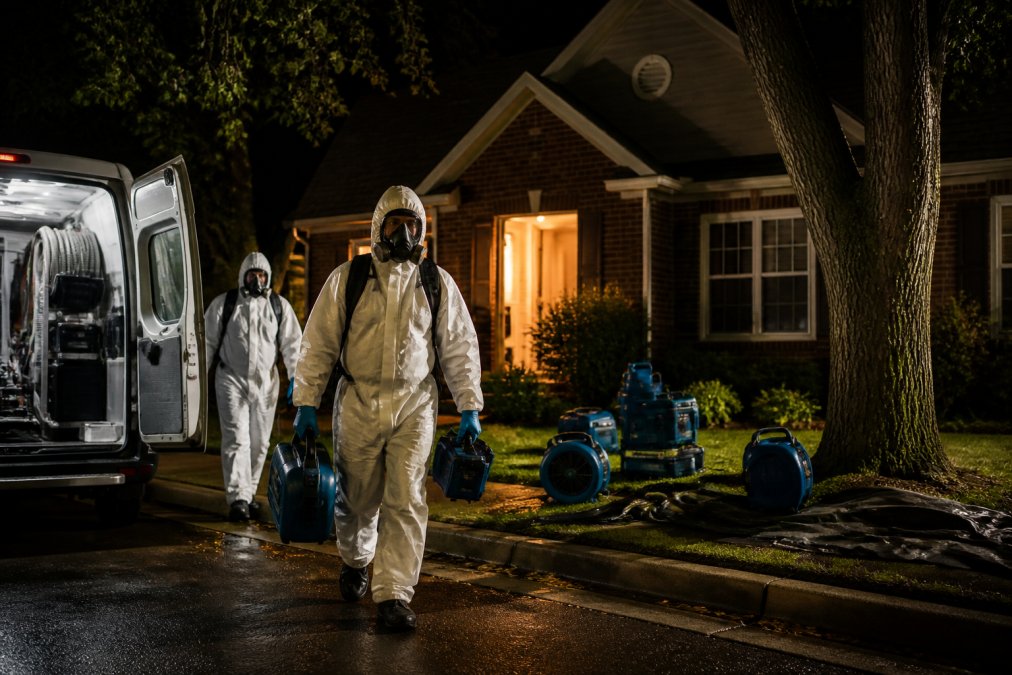
Emergency response determines whether water damage becomes mitigation or replacement. The first 24 hours are critical, and response time matters only if the arriving company has proper equipment and certified technicians.
Why Franchise Response Varies
ServPro franchises operate independently, so response time depends on local franchise investment and capacity. Some franchises specialize in water damage with dedicated crews; others treat it as one service line and dispatch whoever is available. A franchise owner in a wealthy suburb might invest heavily in water damage equipment because it's their primary revenue source. A rural franchise owner might maintain minimal capability because they primarily do carpet cleaning. You won't know your local franchise's actual capability until you call during crisis.
BELFOR maintains corporate ownership in many markets, creating standardized response protocols and 1-2 hour response time commitments. Corporate structure enforces equipment standards and training requirements, though rural areas may lack local presence and corporate protocols can limit flexibility on non-standard situations.
How to Evaluate Your Local Franchise Before You Need It
Don't wait for a disaster to discover your local restoration company's actual capability. Evaluate them now while you have time to ask detailed questions and verify answers.
1. Ask About Current Capacity and Equipment
Ask: "If I had a basement flood right now, what's your actual response time?" Listen for specifics, not vague estimates. Ask whether they own dehumidification equipment or rent it, owned equipment deploys faster. Ask who arrives first: a trained technician or franchise owner. You want certified technicians, not business owners learning on the job.
2. Check Franchise Ownership Stability
ServPro and BELFOR franchises change hands, sometimes affecting service standards. Ask how long your local franchise has operated under current ownership. If ownership changed recently, ask the new owner about water damage experience and equipment investment.
3. Verify Technician Certification
Ask: "Do your water damage technicians hold current IICRC certification?" IICRC certification requires formal training in structural drying, moisture assessment, and mold prevention. A company claiming certification but unable to name certified technicians is hedging.
4. Evaluate After-Hours Availability
Ask: "If I call at 2 AM on a Sunday, who answers the phone?" A company with true 24/7 availability has someone answering immediately, not voicemail. Ask the typical response time for 2 AM emergencies. Hesitation indicates unreliable after-hours response.
5. Check Online Reviews
Google reviews and Better Business Bureau complaints reveal franchise-specific issues. Look for patterns: one complaint is an outlier; multiple complaints about slow response or poor equipment suggest systemic problems.
AFC Cleaning & Restoration operates as a local specialist with 24/7 availability, 365 days a year. No franchise variability. No corporate bureaucracy. When you call at 2 AM, you reach our team directly, not a franchise owner juggling multiple service lines or an answering service. We maintain IICRC certification across all technicians, and deploy to residential and commercial emergencies throughout the Kansas City area with rapid response.
Water Damage Mitigation and Structural Drying
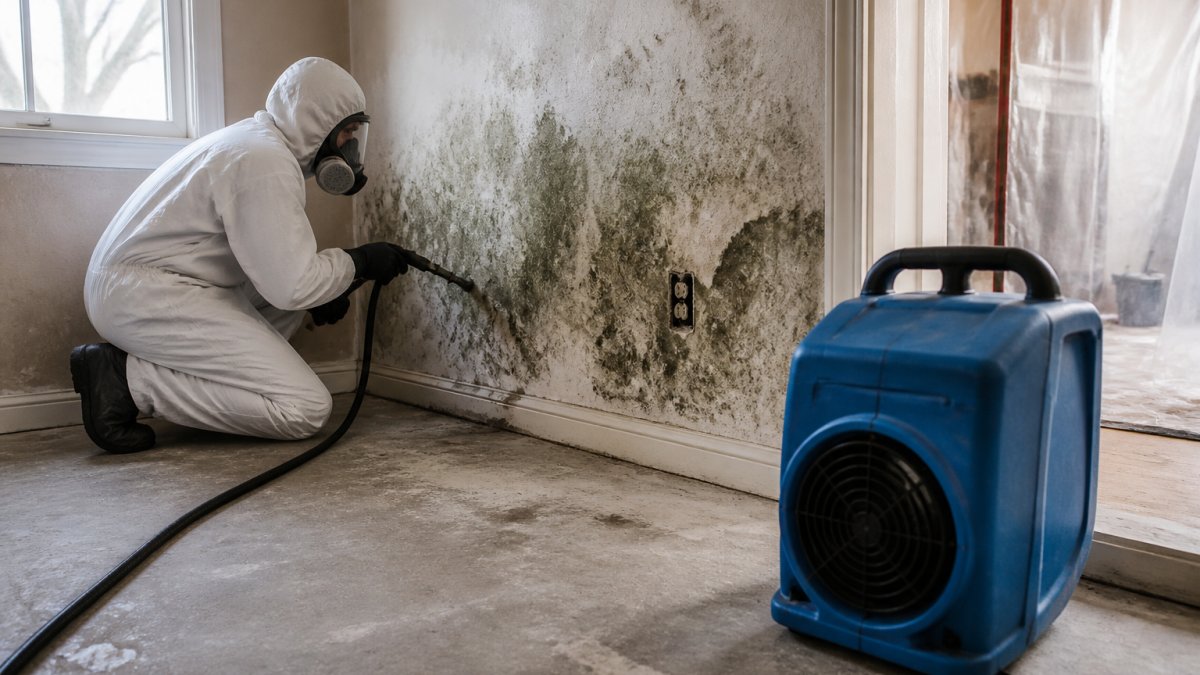
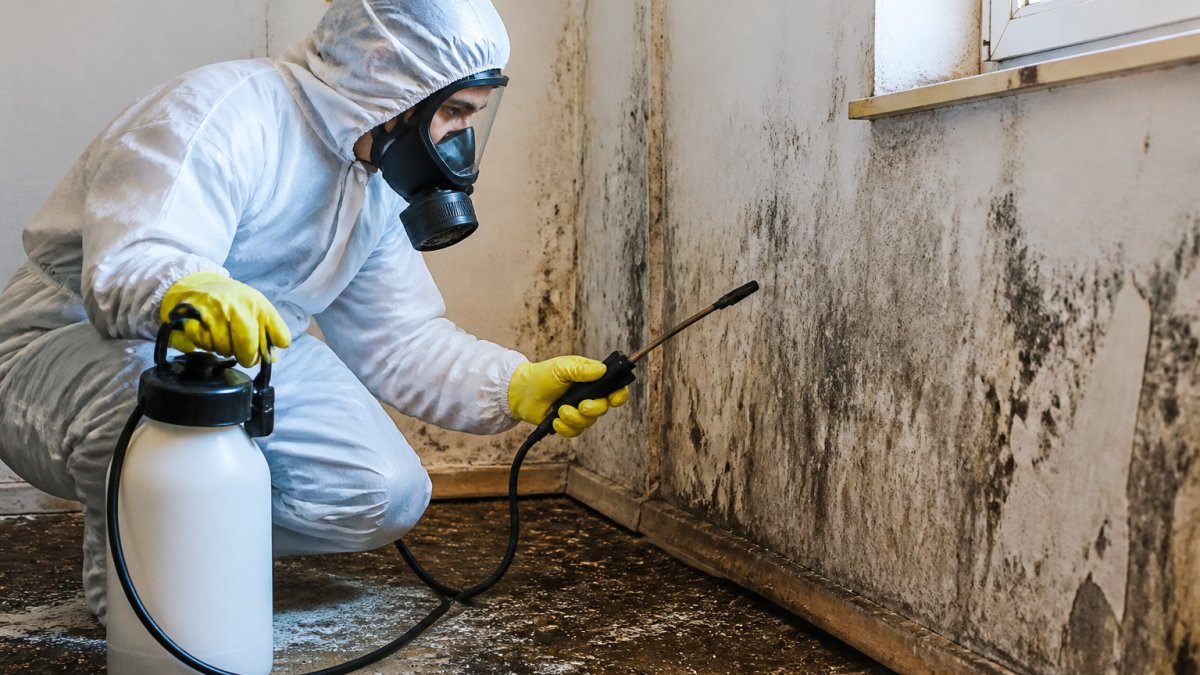
Water damage mitigation requires speed and precision. Moisture left in walls and cavities becomes mold within 48-72 hours. Both ServPro and BELFOR offer full mitigation services, but equipment deployment and consistency differ significantly.
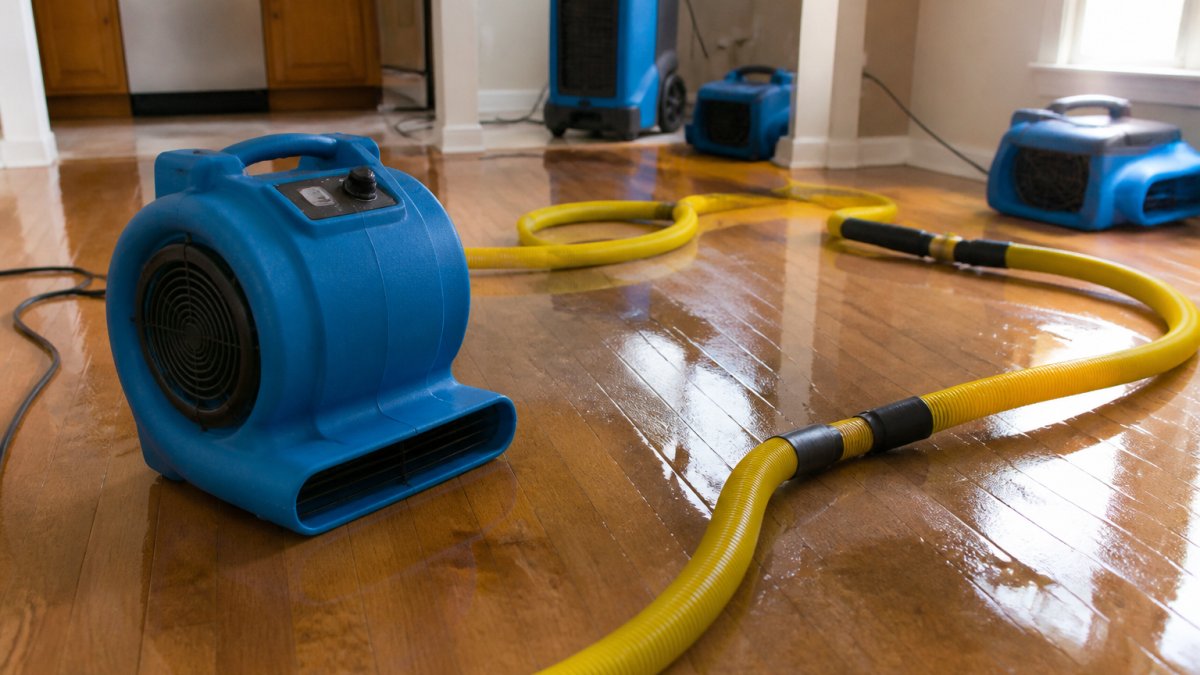
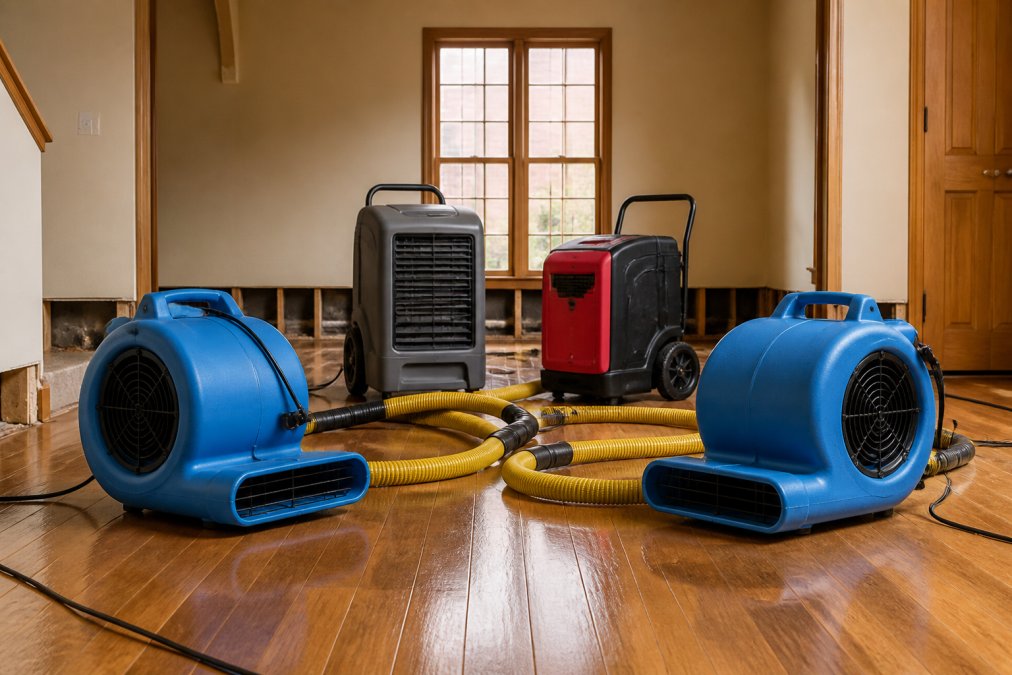
ServPro franchises vary in equipment investment. High-performing franchises maintain industrial-grade dehumidifiers; undercapitalized ones rely on smaller equipment, extending dry times and increasing mold risk. BELFOR maintains consistent equipment standards across locations, ensuring commercial-grade dehumidification on larger losses.
Incomplete structural drying creates hidden mold that emerges months later behind walls. AFC Cleaning & Restoration deploys proper equipment immediately and uses moisture mapping to verify drying completion, not guesswork.
Fire and Smoke Cleanup Standards
Fire damage restoration requires structural cleanup, smoke odor remediation, and content restoration. ServPro quality varies by franchise investment; BELFOR maintains standardized protocols with dedicated crews in larger markets. Smoke damage requires thermal fogging equipment and detailed content restoration, incomplete remediation means odor returns months later.
AFC Cleaning & Restoration handles fire and smoke cleanup with comprehensive protocols. We address structural damage, deploy thermal fogging for odor remediation, and coordinate content restoration to recover salvageable items. IICRC certification ensures we follow industry standards for fire loss documentation and mitigation.
How to Choose a Water Damage Restoration Company
Evaluate restoration companies before disaster strikes using five specific criteria.
1. Verify IICRC Certification
IIRC certification sets industry standards for water damage mitigation, fire cleanup, and mold remediation. Ask: "Do your technicians hold current IICRC certification?" Get names. A company claiming certification but unable to name certified technicians is a red flag.
2. Assess Equipment
Ask what dehumidification capacity they deploy on residential jobs. Industrial-grade dehumidifiers remove 100+ gallons daily; smaller units remove 30-50 gallons and extend dry times dangerously. Ask about moisture mapping capability. They should use moisture meters to verify drying, not visual inspection or time estimates.
3. Evaluate Insurance Claim Handling
Ask: "Do you work directly with insurance adjusters?" and "Can you provide scope documentation the adjuster needs?" Direct coordination saves stress during claims.
4. Check Response Time
Ask: "What's your actual response time for emergency water damage calls at 2 AM on a Sunday?" The answer reveals real capacity, not marketing promises.
5. Verify Experience
Ask for examples of similar projects completed. Hesitation or vague answers indicate lack of specific experience.
Restoration Company Insurance Claim Process
Insurance claim handling creates stress when homeowners are caught between the restoration company and insurance adjuster with conflicting interests. The adjuster determines coverage and authorizes scope; the restoration company documents additional damage discovered during mitigation. Friction emerges when scope is incomplete.
Supplemental Billing
Supplemental billing occurs when mitigation reveals additional damage not visible initially. Proper documentation ensures adjusters approve additional costs. Some restoration companies submit accurate supplementals and advocate for approval; others submit vague requests that adjusters deny, then pressure homeowners to pay the difference. The worst operators submit inflated supplementals, then bill homeowners for denied portions.
Adjuster Disputes
Coordination Models
What to Require in Your Restoration Contract
Before signing any restoration agreement, require these specific insurance-related provisions:
- Written commitment that the company will not bill you for work denied by insurance due to coverage limits or policy exclusions
- Agreement to submit all supplemental requests with photographic evidence and detailed scope descriptions
- Permission to share all adjuster communications with you directly
- Specification of what happens if the adjuster's approved scope is insufficient (will they advocate for supplemental approval, or will you be responsible for additional costs?)
- Timeline for submitting supplemental claims (within 5 business days of discovering additional damage, not weeks later)
Does Homeowners Insurance Cover Mold Removal?
Homeowners insurance covers mold removal when it results directly from a covered water damage event. If a pipe bursts and causes mold growth, that's covered. If water damage from a storm leads to mold, that's covered. But mold from ongoing moisture problems, poor ventilation, or deferred maintenance is typically excluded.
Conclusion
Choosing between ServPro, BELFOR, and other restoration providers comes down to what matters most in your situation: franchise consistency, corporate standardization, or local expertise. Each model has genuine advantages depending on your property type and location.
Frequently Asked Questions
Does homeowners insurance cover mold removal?
Most homeowners insurance policies do not cover mold removal if the mold results from a covered peril like sudden water damage. However, if mold develops from an insurable event such as a burst pipe or storm damage, the initial water damage restoration is typically covered. Mold remediation itself is often excluded unless it's directly tied to the covered loss. Review your policy or contact your insurance adjuster to confirm coverage before hiring a property restoration company.
What should I look for when hiring a property restoration company?
Verify IICRC certification for technicians, confirm 24/7 emergency availability, and check experience with projects matching your damage type (water, fire, mold). Request references from similar residential or commercial jobs, ask about their insurance claim handling process, and get a detailed scope of work in writing. Confirm they use industry-standard equipment for structural drying, moisture mapping, and dehumidification. A reputable company will provide transparent estimates and explain how supplemental billing works if scope changes.
What's the difference between a franchise and corporate-owned restoration company?
Franchise networks like ServPro operate through independently owned locations with varying service quality, equipment standards, and response times. Corporate-owned operations typically maintain stricter quality control and standardized processes across all locations. Franchise variability means your experience depends heavily on the individual franchise owner's training, equipment investment, and commitment. Ask whether the company is franchise or corporate-owned, and request references specific to your local service area to assess consistency.
How do restoration companies handle insurance claims?
Professional restoration companies typically work directly with your insurance adjuster, provide detailed damage assessments, and submit estimates to your insurer. Many handle supplemental billing if the scope of work expands beyond the initial estimate. The best companies act as claim advocates, helping document losses and manage the claims process. Confirm upfront whether the company coordinates directly with your adjuster, handles all billing communication, or requires you to manage the insurance side yourself.