 how-to
Signs of Hidden Mold After Flood: 10 Warning Signs
Table of Contents
- Musty Smell in House After Flood: The First Clue
- Visible Signs of Water Damage and Hidden Mold
- Structural Changes That Reveal Hidden Mold
- Health Symptoms: Allergic Reactions and Respiratory Irritation
- Mold Growth Timeline After Water Damage: The 24-48 Hour Window
- How to Test for Mold Behind Walls: Tools and Techniques
- High-Risk Areas: Basements, Crawl Spaces, and HVAC Systems
- When to Call a Professional Inspector
- Frequently Asked Questions
Last Updated: September 17, 2026
Musty Smell in House After Flood: The First Clue
A musty smell in the house after a flood is often the first sign of hidden mold, and it usually appears before any visible damage. That persistent, earthy odor comes from microbial growth feeding on wet drywall, insulation, and wood framing. At AFC Cleaning & Restoration, our IICRC-certified technicians have responded to flood calls across the Kansas City area since 2003: if you can smell it, spores are already active somewhere you can't see.
The nose is a surprisingly reliable instrument here. A musty odor means volatile organic compounds are off-gassing from active fungal colonies, typically inside wall cavities, under flooring, or within crawl spaces. If the smell lingers after you run a dehumidifier for a day or two, the moisture source is still present and the problem is structural, not surface-level.
Below, we'll walk through the ten warning signs that separate a cosmetic damp issue from a genuine hidden mold problem, plus the tools and safety steps to confirm it.
Visible Signs of Water Damage and Hidden Mold
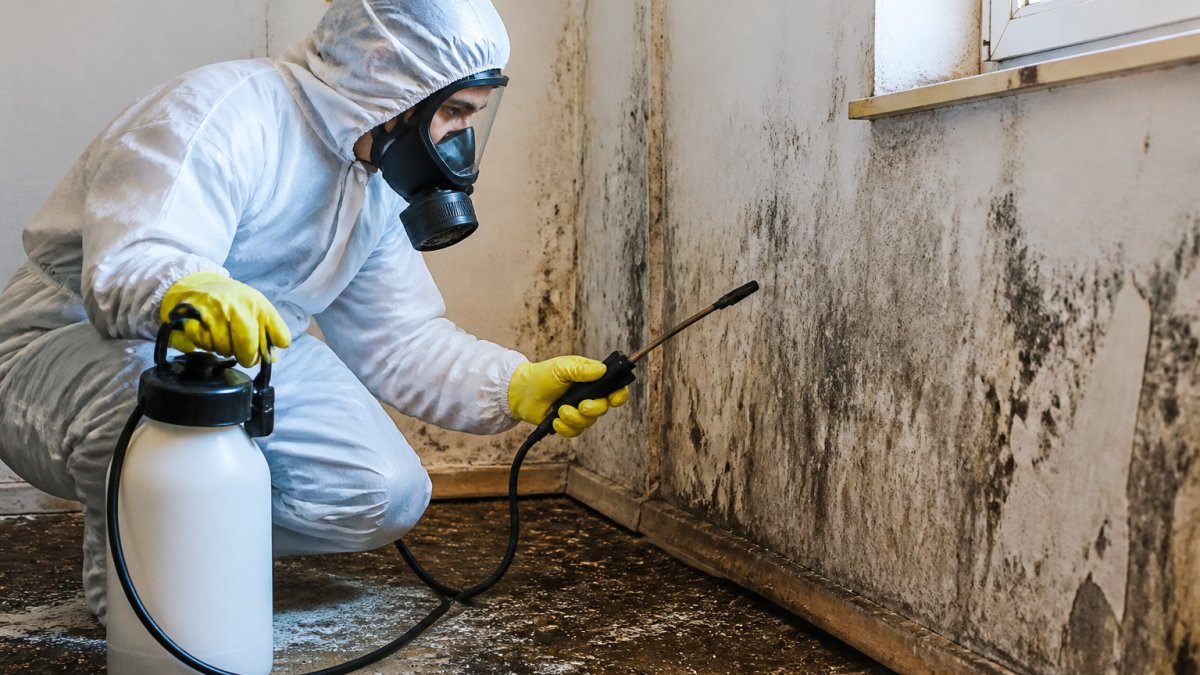
Surface staining is the most reliable visible indicator of hidden mold. Look for yellow-brown rings on ceilings, dark speckling along baseboards, and blistering paint that peels away from the wall. Each of these points to water intrusion that has saturated the material behind the finished surface.
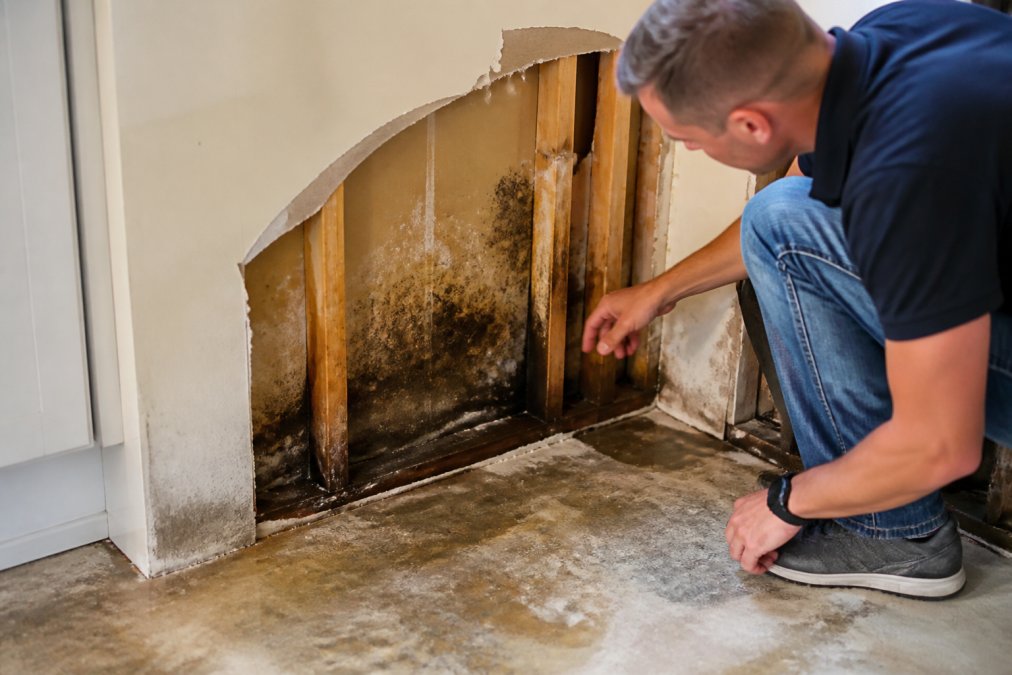
Discoloration on drywall differs from a simple water stain. Water stains tend to have defined edges and fade as they dry. Mold growth spreads outward in irregular patches that darken over time, often with a fuzzy or powdery texture at the edges. Porous materials like drywall, ceiling tile, and carpet padding hold moisture long after the surface feels dry, which is why hidden mold so often survives a quick cleanup.
Check these spots first:
- Ceiling corners below bathrooms or roof lines
- Baseboards along exterior walls
- Window and door frames
- Under sinks and behind appliances
- Carpet edges near exterior doors
Structural Changes That Reveal Hidden Mold
Warping, buckling, and bubbling are structural warnings that moisture has reached the load-bearing layers. When drywall saturation goes untreated, the paper facing separates from the gypsum core and the panel begins to sag. Buckling flooring, whether hardwood or laminate, indicates that water is trapped beneath the surface and the subfloor has absorbed it.
These changes matter beyond appearance. Prolonged moisture weakens structural integrity in framing, subflooring, and joists. A soft spot underfoot or a wall that feels spongy when pressed is a sign that the material has lost strength, not just finish. If you notice any of these, treat the area as contaminated until an inspection proves otherwise.
Health Symptoms: Allergic Reactions and Respiratory Irritation
Health symptoms are often the loudest signal that mold is present, especially when occupants react but visitors don't. Common complaints include a persistent cough, sneezing, itchy or watery eyes, nasal congestion, and skin irritation that worsens when you're inside the building. People with asthma or allergies typically notice symptoms first and most intensely.
The pattern matters as much as the symptoms. Reactions that ease when you leave the house and return when you come back point to an indoor air quality problem rather than a seasonal allergy. Headaches, fatigue, and difficulty concentrating can also accompany prolonged exposure to mold spores. Anyone with a compromised immune system or pre-existing respiratory condition should limit time in the affected area and seek medical advice, though only a doctor can diagnose a mold-related condition.
Mold Growth Timeline After Water Damage: The 24-48 Hour Window
The mold growth timeline after water damage is unforgiving: fungal colonies can begin establishing within 24 to 48 hours of water intrusion. Spores are already present in most indoor environments, and they only need moisture and a food source, both of which a flood provides in abundance.
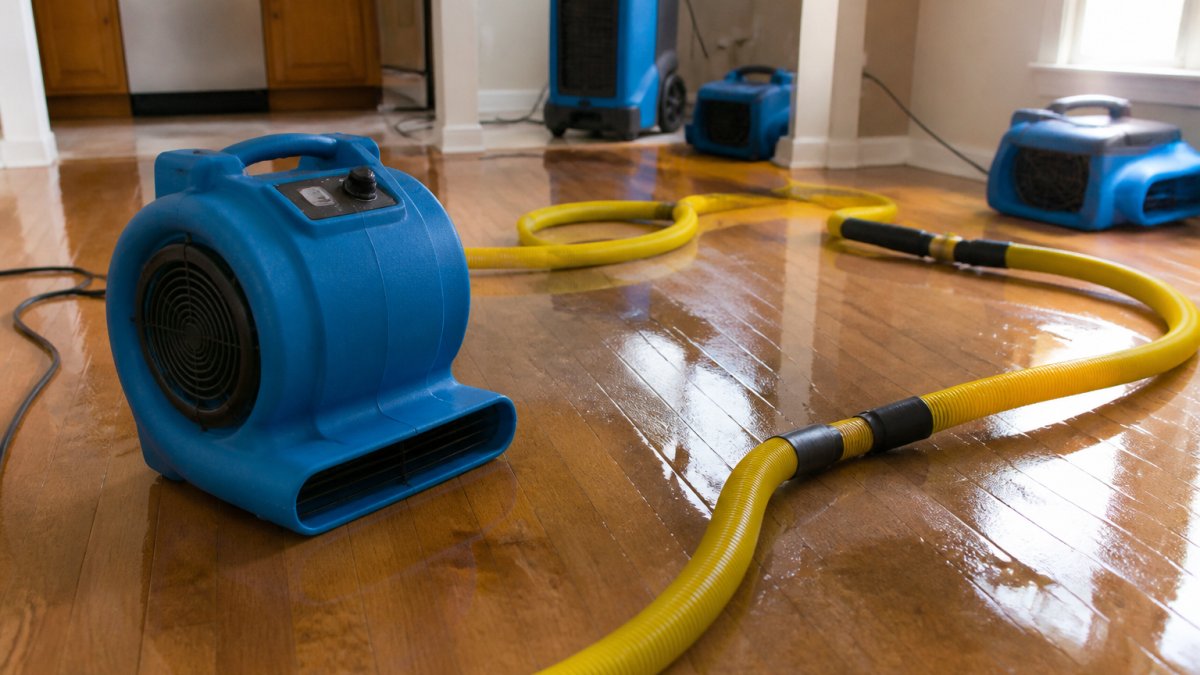
That window is why water extraction and drying need to start immediately, not the next morning. The longer porous materials stay wet, the deeper the contamination reaches. Materials that dry within the first day or two can often be saved. Materials saturated for a week or more usually need removal and replacement. The timeline doesn't reset when the surface feels dry, because trapped moisture inside wall cavities keeps feeding growth long after the visible water is gone.
How to Test for Mold Behind Walls: Tools and Techniques
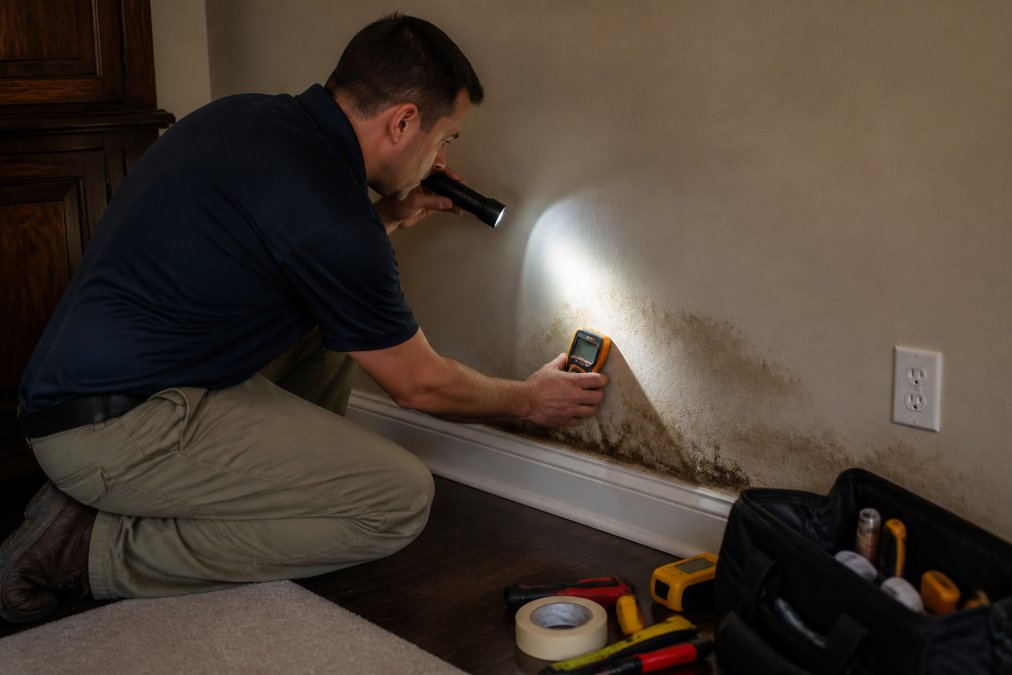
Testing for mold behind walls starts with moisture detection, not a mold test kit. Mold needs sustained moisture, so the first job is proving the cavity is wet. A pin-type moisture meter drives two probes into drywall, wood, or subfloor and returns a percentage reading on the material's own scale. A pinless (capacitive) meter scans through the surface without leaving holes, which makes it the better first pass on finished walls you don't want to damage.
Here's how to check a suspect wall:
- Set your moisture meter and scan the full height of the wall, top to bottom
- Mark any reading that's clearly higher than a dry reference point
- Check the room's relative humidity with a hygrometer and note whether it stays above 60%
- Look behind outlets and switch plates on exterior walls, where air leaks and condensation collect
- Inspect the base of the wall and the floor seam, where water wicks upward
- If readings stay elevated, stop probing and call a professional
High-Risk Areas: Basements, Crawl Spaces, and HVAC Systems
Basements and crawl spaces top the list of high-risk areas because they sit below grade, where water intrusion and poor ventilation combine. These spaces often stay humid even when the rest of the house is dry, giving mold a permanent foothold. Attics are vulnerable too, particularly after roof or flashing leaks, and the underside of roof decking is where staining shows first.
How to inspect the HVAC system for hidden mold:
- Turn the system off at the thermostat before opening anything
- Remove the return-air grille and look at the inside of the duct and the filter slot for dark speckling or fuzzy growth
- Open the air handler cabinet and inspect the evaporator coil, drain pan, and insulation lining for standing water, slime, or discoloration
- Check the condensate drain line and pan for clogs or overflow stains
- Look at supply registers in each room for dust that clings or dark streaks around the edges
- If you smell a musty odor at the vents when the system kicks on, treat the ductwork as suspect until inspected
| High-Risk Area | Why It's Vulnerable | First Sign to Check |
|---|---|---|
| Basement | Below grade, poor ventilation | Musty odor, damp walls |
| Crawl space | Ground moisture, low airflow | Sagging floors, humidity |
| Attic | Roof and flashing leaks | Stained roof decking |
| HVAC ducts | Pulls damp air through building | Musty smell at vents |
| Air handler | Wet coil and drain pan | Standing water, slime, overflow stains |
When to Call a Professional Inspector
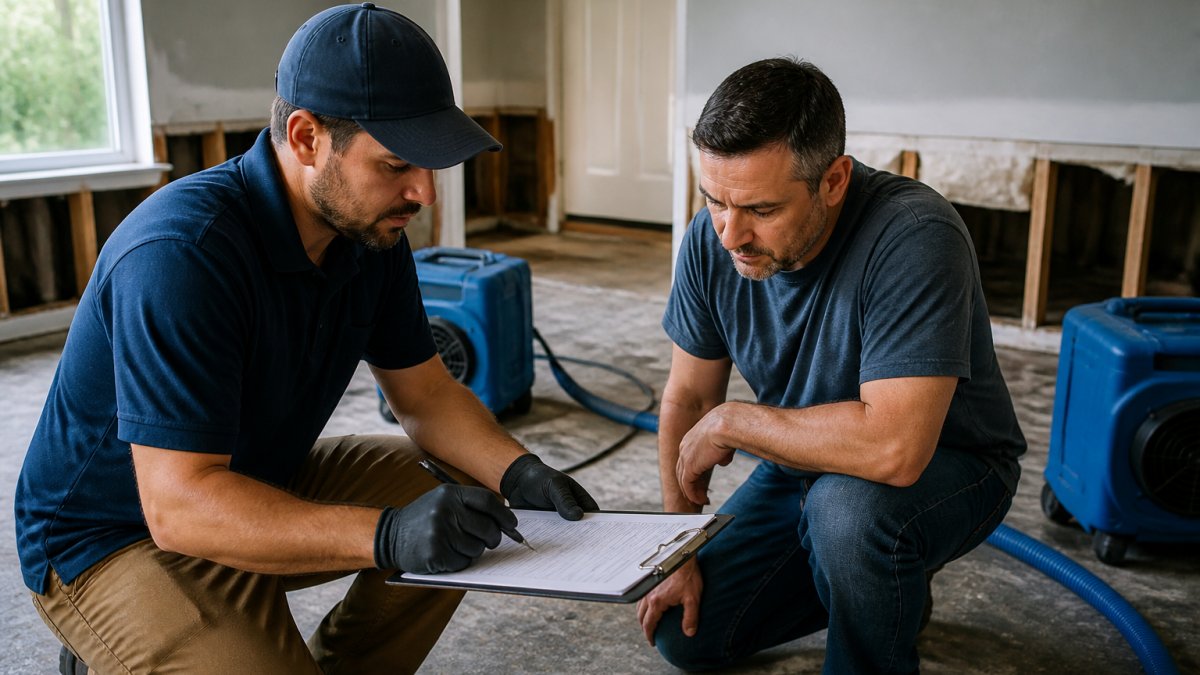
Call a professional inspector when the moisture source isn't obvious, when readings stay elevated after drying, or when the affected area is larger than a few square feet. Hidden mold behind drywall, under flooring, or inside HVAC ducts is difficult to confirm and dangerous to disturb without containment.
Frequently Asked Questions
How long does it take for mold to appear after a flood?
Mold can start growing within 24 to 48 hours after water damage if moisture remains. Spores need only a damp surface to colonize. In humid conditions, visible mold may appear within 2-3 days, but hidden mold behind walls can grow undetected for weeks. The key is to dry affected areas within 48 hours to prevent spore growth. If you miss that window, watch for musty odors or discoloration as early signs of hidden mold.
What are the most common places for mold to hide after water damage?
Hidden mold often hides behind drywall, under flooring, in crawl spaces, and inside HVAC ducts. Basements and attics are high-risk due to poor ventilation. Water can seep into porous materials like wood and insulation, creating ideal conditions for fungal colonies. Check areas with water staining, buckling flooring, or blistering paint. A musty smell in these spots is a strong indicator. Professional inspection can reveal mold behind walls.
Is it safe to stay in a house with hidden mold?
Staying in a house with hidden mold can pose health risks, especially for those with allergies or respiratory conditions. Mold spores can trigger allergic symptoms like sneezing, coughing, and skin irritation. Prolonged exposure may worsen asthma. If you suspect hidden mold, improve ventilation and reduce humidity with a dehumidifier. However, if mold is extensive, it's best to vacate until professional remediation is complete. Consult a mold remediation specialist for safe handling.
What professional tools are used to detect hidden mold?
Professionals use moisture meters, thermal imaging cameras, and hygrometers to detect hidden mold. Moisture meters measure water content in walls, while thermal cameras reveal temperature differences caused by dampness. Hygrometers monitor relative humidity levels. These tools help locate mold without destructive testing. If you suspect hidden mold, a certified inspector can assess contamination and recommend remediation.