 how-to
Steps to Sanitize Basement After Sewer Backup
Table of Contents
- Immediate Safety Assessment and Evacuation
- Stop the Source and Identify the Backup
- Understand Sewer Backup Health Hazards
- Gear Up: Personal Protective Equipment and Safety
- Remove Standing Sewage and Contaminated Water
- What to Throw Away After a Sewer Backup
- Clean and Disinfect Hard Surfaces
- Sewage Cleanup Drying Time and Mold Prevention
- Frequently Asked Questions
Last Updated: October 11, 2026
Immediate Safety Assessment and Evacuation
A sewer backup in your basement is a health emergency, and you must sanitize basement sewer backup areas immediately to prevent serious illness. Your first step is to keep people safe and stop anyone from entering the contaminated area until you've assessed the situation.
Check for these immediate hazards:
- Standing sewage or contaminated water
- Electrical hazards (water near outlets, breakers, or appliances)
- Structural damage to walls or floors
- Strong odors indicating toxic gases
If you see electrical hazards, water covering outlets, or smell strong chemical odors, evacuate immediately and call a professional restoration company, which operates 24/7 with equipment and training to handle dangerous situations safely.
For less severe backups, open all windows and doors to ventilate, turn off the basement electrical breaker if safe, and keep children and pets away until cleanup is complete.
Stop the Source and Identify the Backup
Stop the sewage from flowing into your basement before cleaning. The source determines your next action.
Is the backup from your home's plumbing?
If toilets, showers, and sinks all drain slowly or back up, the problem is likely in your main sewer line. A plumber can use a camera to inspect the line and identify blockages, tree root intrusion, or pipe damage.
Is the backup from the municipal sewer system?
Heavy rain or a city sewer overflow can force sewage back through your home's clean-out. If neighbors are also experiencing backups, contact your local water authority and stop using water to prevent more sewage from entering your basement.
Is the backup from a septic system failure?
If your home uses a septic system, a backup indicates the tank is full or the system has failed. Do not use any water until a septic professional pumps and inspects the system.
Once you've identified the source, call a licensed plumber or your local water authority. AFC Cleaning & Restoration can coordinate the full restoration process once the source is stopped.
Understand Sewer Backup Health Hazards
Sewage contains dangerous pathogens. Understanding these hazards helps you take proper precautions during cleanup.
Bacteria in sewage water:
Sewage contains E. coli, Salmonella, Campylobacter, and other bacteria that cause gastrointestinal infections, fever, and diarrhea, surviving on surfaces for days or weeks.
Viruses in sewage:
Hepatitis A, norovirus, and rotavirus are present in sewage and spread rapidly without proper hygiene during cleanup.
Parasites and fungi:
Cryptosporidium and other parasites thrive in contaminated water, while mold and fungal spores grow quickly in damp environments.
Ammonia and methane gases:
Decomposing sewage releases toxic gases. Ammonia irritates eyes, nose, and lungs. Methane is flammable and can accumulate in poorly ventilated basements.
The longer sewage sits, the more hazards spread. Mold begins growing within 24-48 hours and bacteria contaminate porous materials. Rapid response and professional remediation prevent long-term health and structural damage.
Gear Up: Personal Protective Equipment and Safety
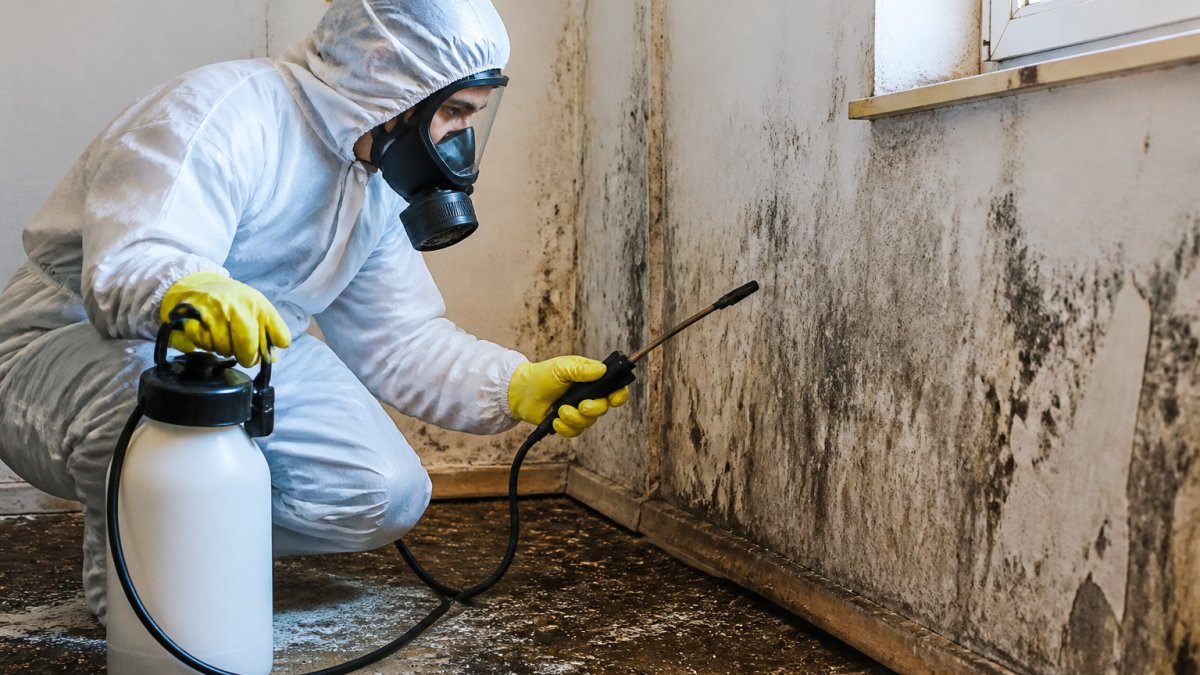
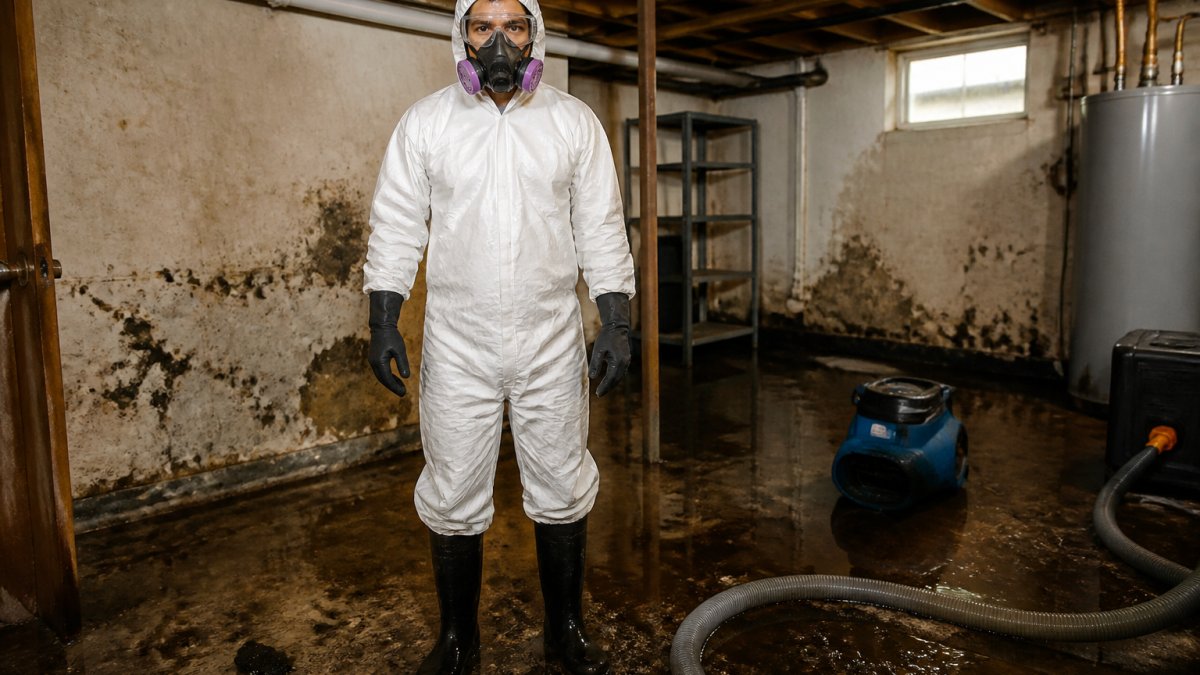
Never enter a sewage-contaminated basement without proper protective equipment. The right gear creates a barrier against skin contact, inhalation, and ingestion hazards.
Essential protective equipment:
- Rubber gloves: Use heavy-duty nitrile or latex gloves extending past your wrists.
- Protective boots: Wear waterproof boots covering your ankles.
- Eye protection: Wear safety glasses or a face shield.
- Respirator mask: Use an N95 or P100 respirator; cloth masks do not protect you.
- Full-body coverage: Wear long sleeves, long pants, and a waterproof apron or coveralls. Remove all clothing immediately after cleanup and wash separately.
Hygiene during cleanup:
Wash your hands thoroughly with soap and warm water before eating, drinking, or touching your face. Do not touch your eyes, nose, or mouth while wearing contaminated gloves.
If you have cuts or open sores on your hands, do not attempt cleanup. For households with young children, elderly members, or immunocompromised people, professional cleanup is the safer choice.
Remove Standing Sewage and Contaminated Water
Standing sewage must be removed before cleaning and disinfecting surfaces. The longer water sits, the more damage spreads and mold grows.
Initial water removal:
Use a submersible pump or wet/dry vacuum to remove standing water. Pump sewage into a designated area away from your home, never into storm drains or landscaping.
For large volumes, professional water removal equipment removes water faster and more completely.
Disposal of pumped water:
Most municipalities require sewage water to be pumped into the sanitary sewer system. Check local regulations with your plumber or water authority.
Document for insurance:
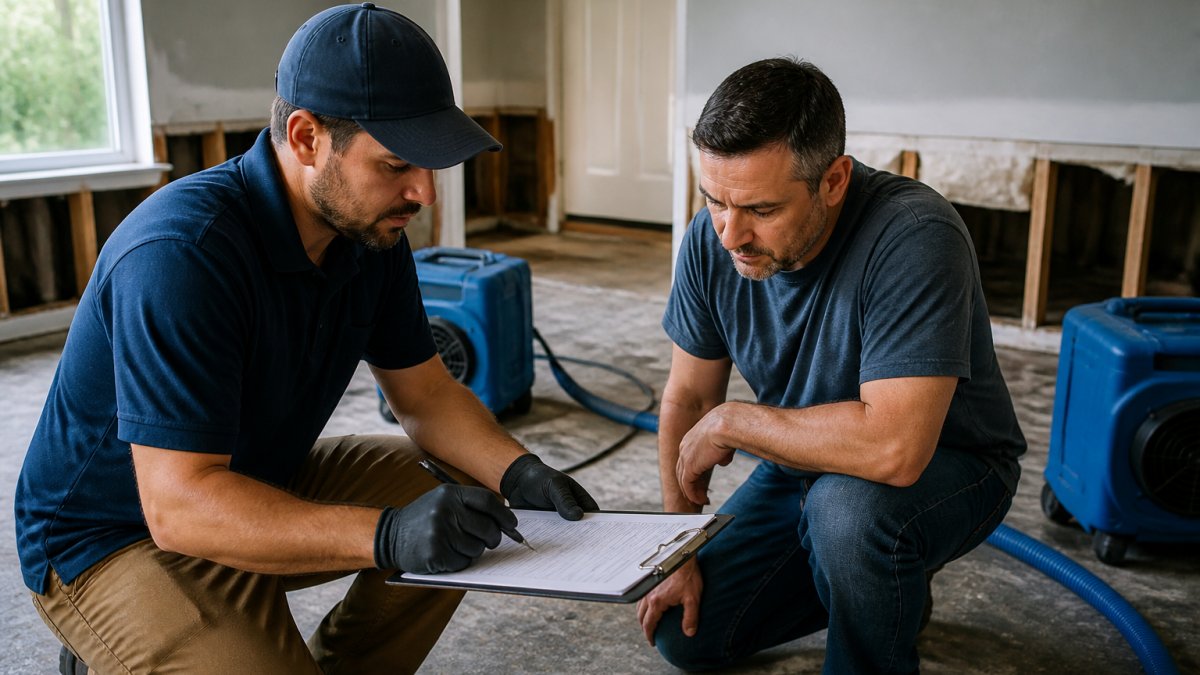
Take photos and videos of all damage before removing water. Document standing water, affected materials, and contaminated items to protect your insurance claim and help restoration professionals understand the scope.
Ventilation during removal:
Open all windows and doors and use fans to push air out. Proper ventilation reduces sewage gas exposure and speeds drying.
What to Throw Away After a Sewer Backup
Porous materials absorb sewage and cannot be fully cleaned. They must be discarded to prevent mold growth and contamination.
Materials to throw away:
- Drywall and insulation: Remove and discard all drywall and insulation that contacted sewage.
- Carpet and padding: Remove and discard all carpet, padding, and tack strips.
- Wood framing and flooring: Particle board, plywood, and engineered wood must be discarded; solid wood may be salvaged if cleaned and dried quickly.
- Upholstered furniture: Discard couches, chairs, and mattresses.
- Cardboard and paper products: Discard boxes, books, documents, and paper items.
- Soft goods: Discard clothing, linens, towels, and curtains unless washed in hot water with detergent immediately.
Items that can be salvaged:
Hard, non-porous items like plastic bins, metal shelving, and glass can be cleaned and disinfected, as can concrete flooring if not cracked or damaged.
Place all discarded materials in heavy-duty trash bags and seal them. Check local regulations for hazardous waste disposal and special collection options.
Clean and Disinfect Hard Surfaces
Once standing water is removed and contaminated materials are discarded, sanitize basement sewer backup surfaces by cleaning and disinfecting remaining hard surfaces in three steps: soap cleaning, rinsing, and disinfecting.
Choosing the Right Disinfectant
Not all disinfectants kill sewage pathogens effectively. Choose a disinfectant appropriate for the contamination level and surface type.
Disinfectants approved for sewage cleanup:
- Household bleach solution: Mix 1 part bleach to 10 parts water. This kills most bacteria and viruses and is inexpensive.
- Quaternary ammonium compounds (Quats): Found in many commercial disinfectants, effective against bacteria and some viruses. Follow label instructions.
- Phenolic compounds: Effective against a broad range of pathogens but more expensive than bleach.
Read the label to verify effectiveness against bacteria, viruses, and fungi. Check the contact time, most disinfectants require 5-10 minutes of wet contact to work.
Avoid these disinfectants:
- Alcohol-based hand sanitizers (not strong enough for sewage)
- Vinegar (not effective against sewage pathogens)
- Hydrogen peroxide alone (limited effectiveness)
Cleaning Process: Soap, Water, and Application
Cleaning removes visible dirt and debris. Disinfecting kills pathogens. Both steps are necessary.
Step 1: Clean with soap and water
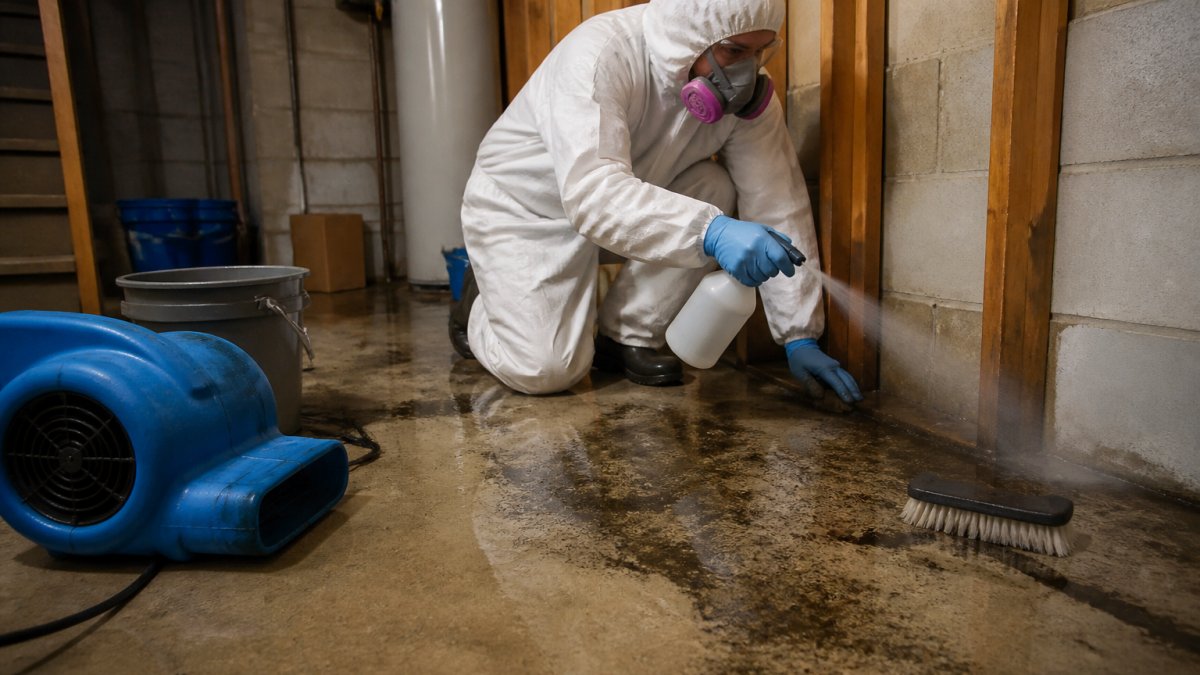
Use a low-suds detergent or dish soap mixed with warm water. Scrub all hard surfaces, paying special attention to corners, cracks, and pooled sewage areas.
Rinse thoroughly with clean water to remove all soap residue, which interferes with disinfectant effectiveness.
Step 2: Apply disinfectant
Mix your chosen disinfectant according to label instructions. Apply generously to all cleaned surfaces using a spray bottle, mop, or cloth.
Let the disinfectant sit for the contact time specified on the label, usually 5-10 minutes, to kill pathogens.
Step 3: Rinse again
Rinse all surfaces with clean water to remove disinfectant residue. Leftover disinfectant can damage surfaces and is harmful if touched by children or pets.
Rinsing and Contact Time
Rinsing is as important as disinfecting. Residual disinfectant can corrode metal, damage paint, and create slippery surfaces.
Proper rinsing:
Use clean, warm water. For large areas, a mop and bucket work well. For smaller areas or tight spaces, use a cloth or sponge. Rinse until the surface no longer smells of disinfectant and no visible residue remains.
Contact time matters:
The disinfectant must remain wet on the surface for its full contact time to be effective. If the surface dries before the contact time is up, the disinfectant has not killed all pathogens. Reapply if necessary.
In warm, dry conditions, surfaces dry quickly. Work in smaller sections and keep surfaces wet. In cool, humid conditions, surfaces stay wet longer, giving the disinfectant more time to work.
Sewage Cleanup Drying Time and Mold Prevention
Drying is the final critical step. Moisture remaining in your basement after cleanup promotes mold growth.
Drying methods:
- Open windows and doors: Create natural airflow. Open all basement windows and exterior doors to allow air circulation.
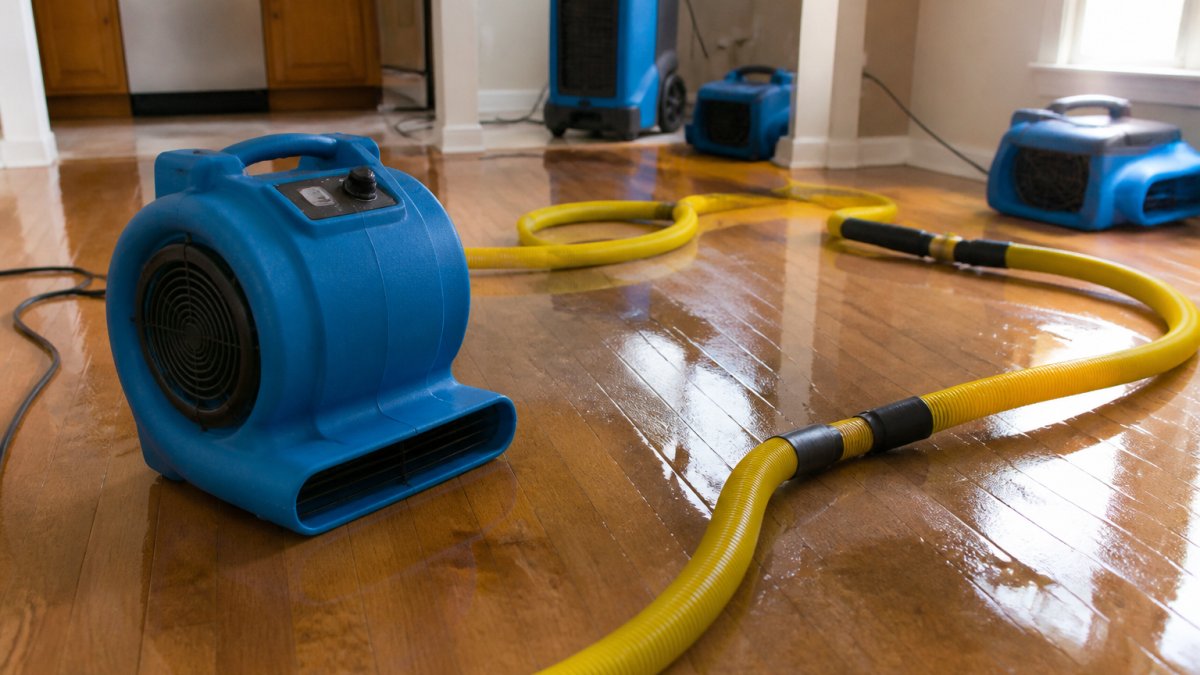
- Run fans: Position fans to push moist air out of the basement and pull dry air in. Box fans in windows work well for this.
- Use a dehumidifier: A dehumidifier removes moisture from the air. Rent or purchase a commercial-grade unit for large basements. Empty the collection tank regularly.
- Run HVAC systems: If your home's heating and cooling system has a basement return air duct, running the system helps dry the space. Make sure the system's filters are clean to avoid spreading contamination through your home.
Drying timeline:
Concrete and hard surfaces dry within 2-7 days with proper ventilation and dehumidification. Porous materials like wood studs take longer. Some materials may take weeks to dry completely.
Check moisture levels regularly. Use a moisture meter to verify that materials have dried.
Mold prevention:
Mold begins growing when moisture remains above 50% humidity for more than 24-48 hours. Continue running fans and dehumidifiers until your basement reaches normal humidity levels (30-50%).
If mold does appear, it usually shows up within the first two weeks after a backup. Black, green, or white spots on walls, floors, or remaining materials indicate mold.
When to call a professional:
If your basement is large, if the backup was severe, or if you're uncertain about drying progress, professional restoration services ensure the job is done right.
Frequently Asked Questions
What should you do first after a sewer backup in the basement?
First, assess safety and evacuate if sewage has contaminated more than a small area or if electrical hazards exist. Stop the source by shutting off water at the main if the backup is active. Open windows and doors for ventilation, and keep family and pets away from contaminated areas. If the backup is extensive or you're unsure about safety, call a professional immediately. Document the damage with photos for insurance purposes before cleanup begins.
Is sewage backup a health hazard?
Yes. Sewage contains harmful bacteria, viruses, and parasites that cause serious infections. Exposure can lead to gastrointestinal illness, skin infections, and respiratory problems. Sewage backup health hazards are particularly severe for children, elderly people, and those with weakened immune systems. Never attempt cleanup without proper protective equipment, and always wash thoroughly after exposure. If anyone shows symptoms of infection after contact with contaminated water, seek medical attention.
What is the best disinfectant for sewage cleanup?
The best disinfectant for sewage cleanup depends on the surface. For hard surfaces, use a solution of household bleach diluted according to label instructions, typically 1 part bleach to 10 parts water. Allow contact time as directed on the product label, usually 10-15 minutes. Alternatively, use EPA-registered disinfectants labeled for sewage or wastewater contamination. Always follow manufacturer instructions for dilution and contact time. Never mix bleach with ammonia or other cleaners. For porous materials like drywall or carpeting, professional-grade disinfectants and equipment are often necessary.
How long does it take to dry a basement after sewage cleanup?
Sewage cleanup drying time typically ranges from 3-7 days for most basements, depending on humidity, temperature, and ventilation. Use fans, dehumidifiers, and open windows to accelerate drying. Moisture levels should be monitored to prevent mold growth. In humid climates or poorly ventilated spaces, drying may take 2-3 weeks. Professional restoration services use industrial-grade dehumidifiers and moisture meters to verify complete drying and prevent mold. Incomplete drying is a common cause of mold development, so patience and proper equipment are essential.