 how-to
Steps to Take After Basement Flooding (2026 Guide)
Table of Contents
- Step 1: Ensure Safety Before Entering the Basement
- Step 2: Stop the Water Source and Assess the Damage
- Step 3: Document Everything for Your Insurance Claim
- Step 4: How to Dry Out a Flooded Basement
- Step 5: Know the Signs of Mold After Basement Flooding
- Step 6: When to Call Emergency Water Extraction Services
- Step 7: Prevent Future Basement Flooding
- Conclusion: Your Path to a Dry, Safe Basement
- Frequently Asked Questions
Last Updated: September 7, 2026
Step 1: Ensure Safety Before Entering the Basement
Basement flooding turns a home upside down in minutes, and the instinct to rush downstairs and start moving belongings is almost overwhelming. Resist it. The single most important rule in any water emergency is that steps to take after basement flooding begin before you touch a single item, starting with your own physical safety.
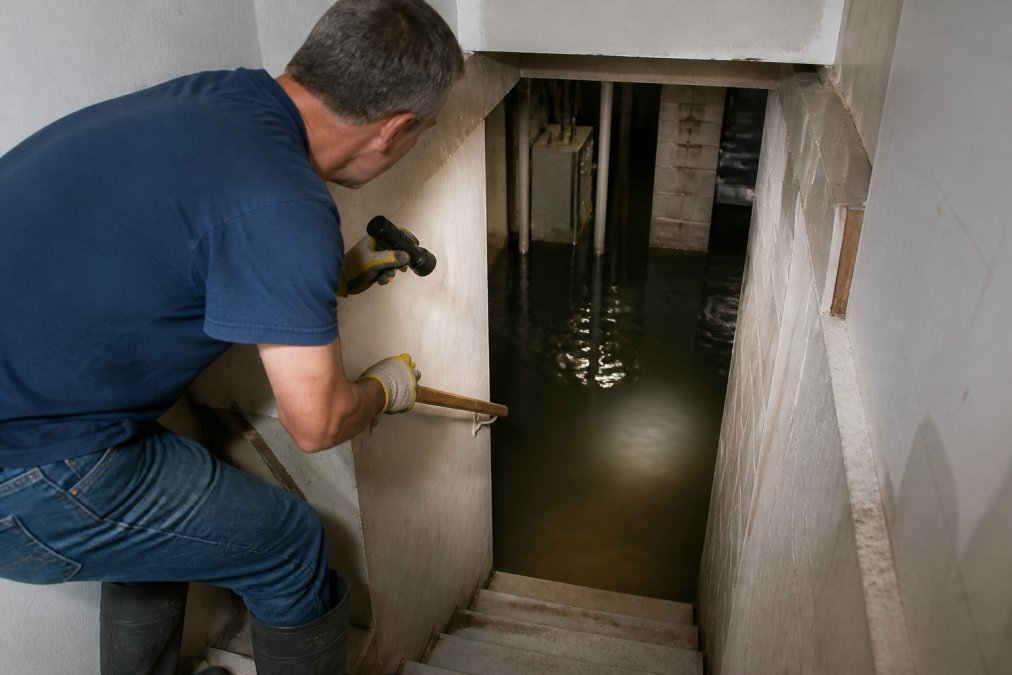
The greatest dangers in a flooded basement are invisible. Standing water conducts electricity with lethal efficiency, so if the water has reached any electrical outlets, appliances, or your breaker panel, do not step into it. If the floodwater is contaminated with sewage, the health risks from bacteria and pathogens are severe. Before descending the stairs, shut off the electricity at the main breaker if you can do so without standing in water, and turn off the gas supply if you smell natural gas or suspect a leak.
A flooded basement can hide structural damage, shifting walls, or floating debris beneath murky water. Wear rubber boots with thick soles, heavy work gloves, and ideally a respirator mask to avoid inhaling mold spores that may already be circulating. If the water level is deep or you have any doubt about the electrical situation, wait for a professional rather than risking your safety.
Step 2: Stop the Water Source and Assess the Damage
Once you have confirmed the space is safe to enter, your next move is to identify where the water is coming from and stop it. The flood source determines everything that follows, from your cleanup approach to how your insurance claim is handled.
Start by checking the obvious culprits: a burst pipe, an overflowing sump pump, a failed washing machine hose, or heavy rain seeping through foundation cracks. If the water is coming from a municipal sewer line or a natural water source, you cannot stop it yourself, so contact your local utility or a plumber immediately. If the source is a burst pipe inside your home, shut off the main water valve right away.
Categorizing the water type is one of the most important steps to take after basement flooding, because it directly affects safety and your insurance claim. Professionals classify floodwater into three categories:
- Category 1 (Clean Water): From a broken pipe, sink overflow, or rainwater. This water poses no immediate health threat.
- Category 2 (Gray Water): From appliances like washing machines or dishwashers. Contains some contamination and can cause illness.
- Category 3 (Black Water): From sewage backups, rising floodwater, or standing water that has begun to grow bacteria. Highly dangerous and requires professional handling.
Step 3: Document Everything for Your Insurance Claim
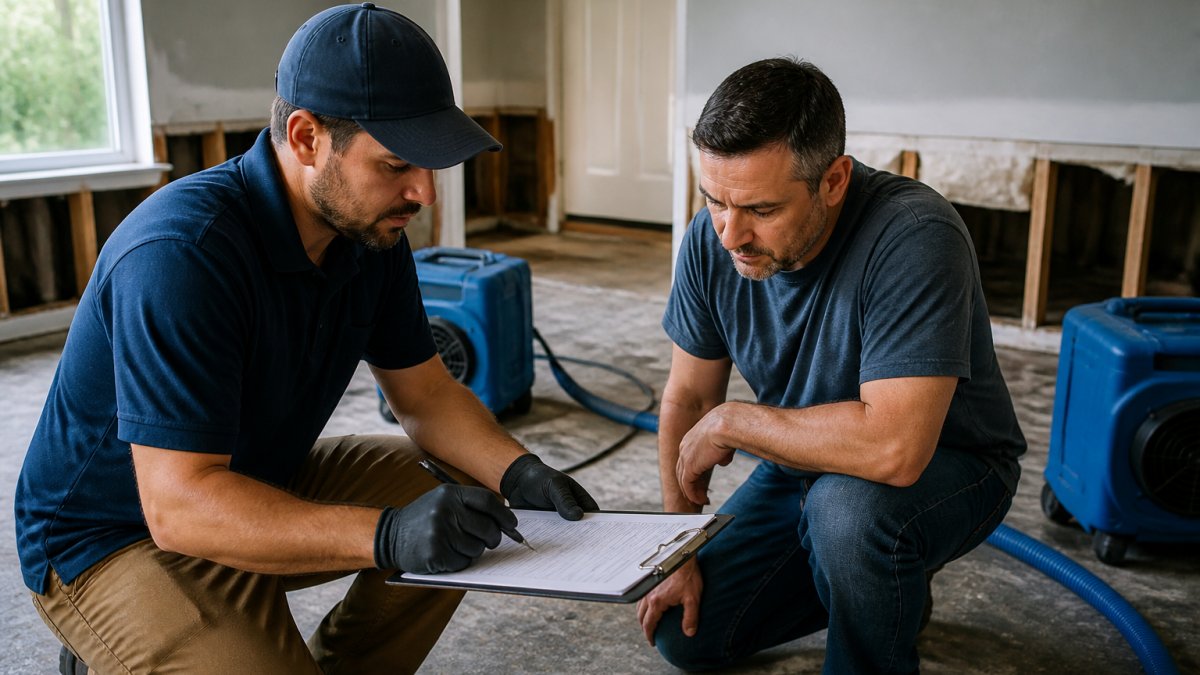
Most homeowners discover too late that their standard policy does not cover basement flooding, particularly when the source is groundwater or a sewer backup. Understanding your basement water damage insurance coverage before you file a claim is essential. Review your policy documents or call your agent to confirm what is covered, and note that separate flood insurance through the National Flood Insurance Program is often required for groundwater flooding, as documented by FEMA's flood insurance guidance.
If you have coverage, documentation is your strongest tool. Insurers rely on evidence, not memory, so take a methodical approach before any cleanup begins:
- Photograph and video the entire basement, capturing the water level, the source if visible, and every affected item.
- Record the date and time the flooding was discovered and when you contacted your insurer.
- Keep samples of carpet, drywall, or other materials if your adjuster requests them.
- Save receipts for any emergency purchases like pumps, dehumidifiers, or fans.
- List every damaged item with its approximate age and original cost.
Contact your insurance company within 24 hours of discovering the flood. Most policies require prompt notice, and early contact lets you ask about coverage limits, deductibles, and whether they will arrange for a professional inspection. The Insurance Information Institute's guide on filing water damage claims recommends keeping a detailed log of every conversation with your insurer, including dates, names, and what was discussed.
Step 4: How to Dry Out a Flooded Basement
Drying a flooded basement is a race against time. Mold can begin growing within 24 to 48 hours of water exposure, so the faster you remove standing water and reduce humidity, the better your chances of saving your walls, floors, and belongings.
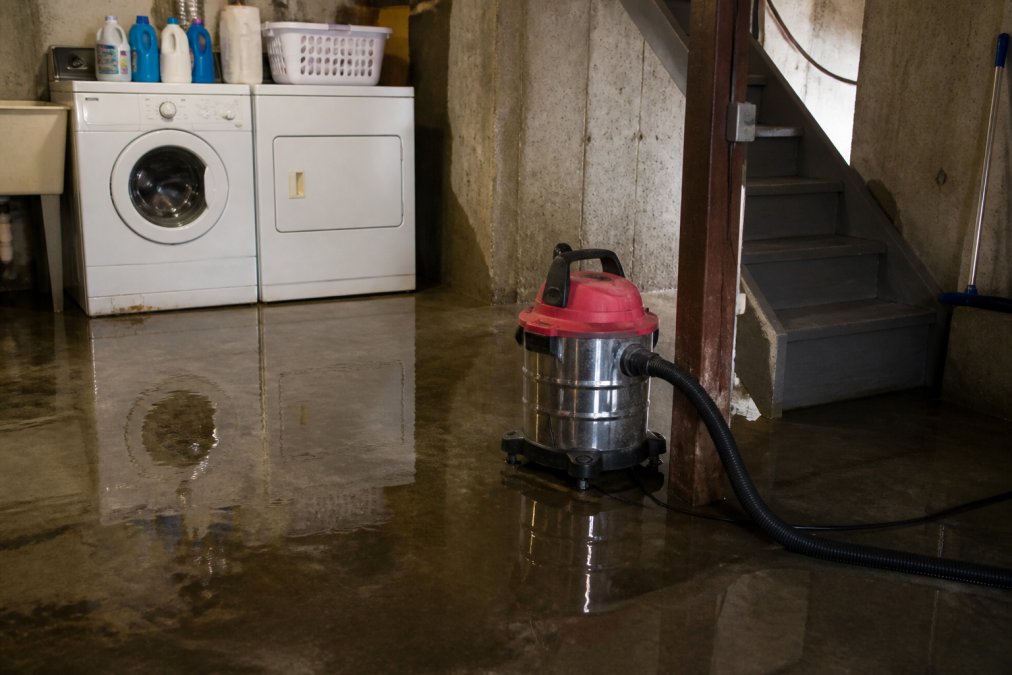
How to dry out a flooded basement depends on how much water you are dealing with. For shallow water under an inch or two, a wet-dry vacuum is the most practical tool for homeowners. For deeper water, a submersible pump removes water far faster than any vacuum. Rent one from a local hardware store if you do not own it, and discharge the water well away from your foundation to avoid creating hydrostatic pressure that can cause new cracks.
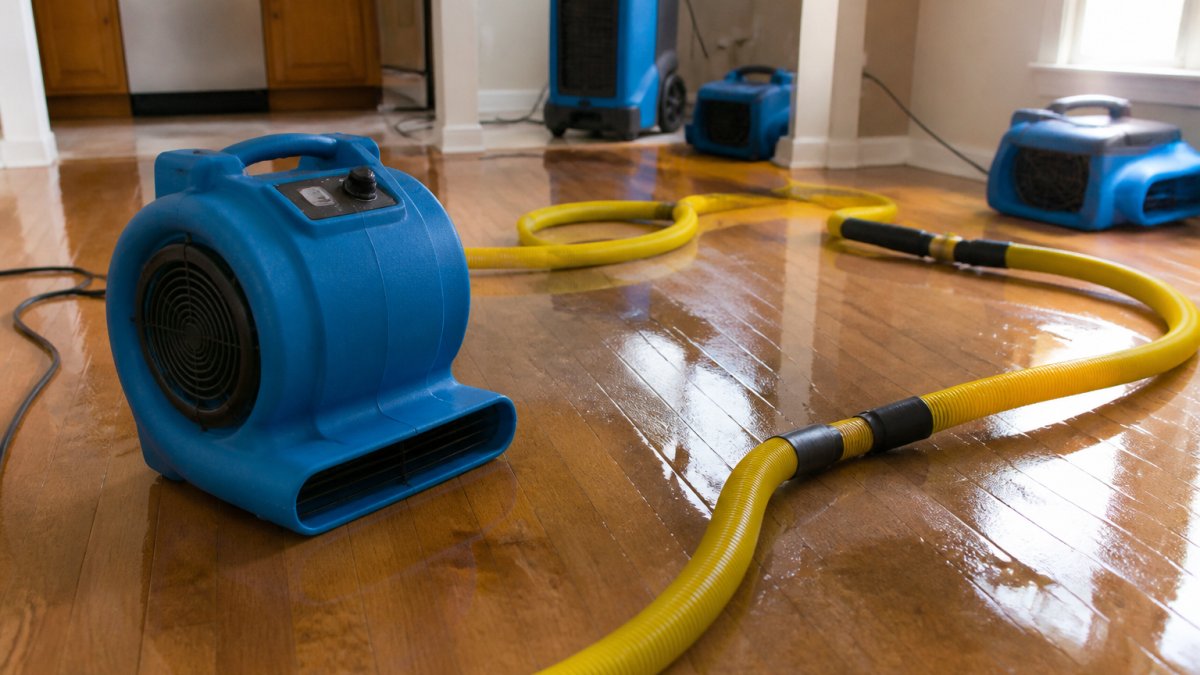
Once the standing water is gone, the real work begins. Use a dehumidifier running continuously to pull moisture from the air, and position fans to create air circulation across wet surfaces. Open basement windows if the outdoor humidity is lower than indoors. Remove wet carpet, padding, and any soaked drywall, since these materials wick water upward and trap moisture behind walls where mold thrives.
A common mistake is drying only the visible areas and ignoring what is behind walls and under flooring. If the water level rose high enough to soak the bottom of your drywall, the wall cavity is likely wet. In many cases, the lower portion of the drywall must be cut away and replaced to dry the wall framing behind it. This is where the decision to call a professional often becomes clear.
Step 5: Know the Signs of Mold After Basement Flooding
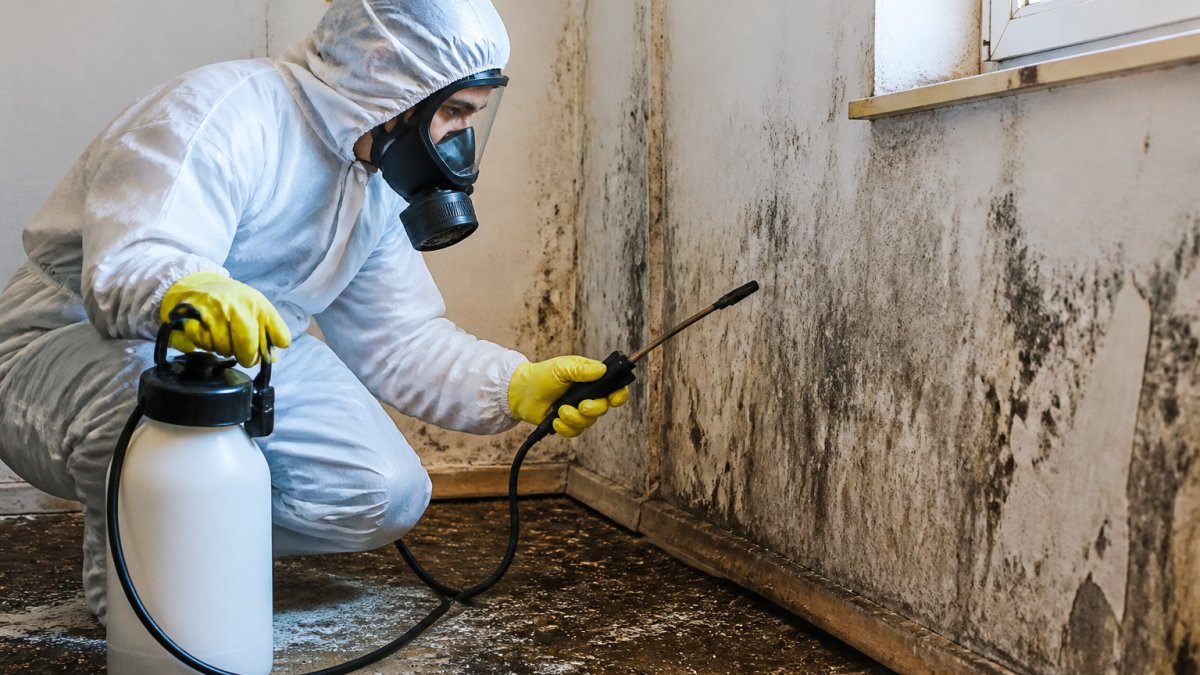
Mold is the most persistent threat after any water event, and the signs of mold after basement flooding are not always obvious. Visible black or green patches on walls, floors, or belongings are the most obvious indicator, but mold often grows hidden behind drywall, under carpet, or inside wall cavities where you cannot see it.
Trust your nose. A musty, earthy odor that persists after drying is one of the earliest signs that mold is growing somewhere. Other warning signs include:
- New or worsening allergy symptoms like sneezing, coughing, or itchy eyes when you are in the basement
- Discoloration or staining on walls, baseboards, or ceiling tiles
- Warping or bubbling paint and drywall
- A damp feeling that lingers despite running a dehumidifier
Post-flood air quality is a real concern. When mold colonies are disturbed during cleanup, spores become airborne and can aggravate asthma and respiratory conditions. The EPA guide on mold remediation in homes and buildings advises that any porous material with visible mold growth should be removed, and that hard surfaces should be cleaned with a mild detergent solution, not bleach, which does not kill mold at the roots on porous surfaces.
If you find mold covering more than about 10 square feet, or if it is growing inside walls or ductwork, do not attempt to clean it yourself. Disturbing a large mold colony without proper containment releases heavy spore concentrations into your air. Professional remediation uses air scrubbers, negative air pressure, and proper disposal to remove mold safely and prevent it from returning.
Step 6: When to Call Emergency Water Extraction Services
There is a clear threshold where DIY cleanup stops being practical and professional help becomes necessary. If you are facing any of the following situations, call an emergency water extraction service rather than continuing on your own:
- Water depth exceeds several inches or the flooding is from sewage or contaminated sources
- The water has been standing for more than 24 hours
- Flooding has affected more than one room or a large portion of your basement
- You cannot identify or stop the water source
- You have health conditions like asthma, allergies, or a compromised immune system
- Structural elements like walls, ceilings, or the floor are visibly damaged or sagging
Professional water damage restoration brings equipment that most homeowners do not have access to: industrial-grade dehumidifiers, air movers, moisture meters, and sometimes air scrubbers. Certified technicians also know how to dry wall cavities and subflooring properly, which prevents the hidden mold growth that causes problems months later.
AFC Cleaning & Restoration provides 24/7 emergency restoration and cleaning services for residential and commercial properties throughout the greater Kansas City area. Our IICRC-certified technicians specialize in flood water damage repair, mold removal, and comprehensive building restoration, dedicated to restoring your peace of mind by delivering high-quality, reliable service that makes it feel like disaster never happened.
Step 7: Prevent Future Basement Flooding
Once your basement is dry and your belongings are safe, the final step is to reduce the odds of a repeat event. The most effective prevention strategies to prevent future basement flooding address the two most common causes: water entering through the foundation and water backing up through drains.
Start outside your home. Ensure gutters and downspouts are clean and direct water at least several feet away from your foundation. Grade the soil around your home so it slopes away from the walls rather than toward them. If you have window wells, install covers to keep rain and debris out.
Inside the basement, a sump pump is your first line of defense against groundwater. Test it regularly by pouring water into the sump pit to confirm the float switch activates the pump. Consider installing a battery backup system so the pump still works during a power outage, which is exactly when flooding is most likely to occur during a heavy storm. A backup pump or a secondary water alarm can also alert you to rising water before it becomes a flood.
For properties with a history of sewer backups, a backwater valve installed on your main drain line prevents sewage from flowing backward into your basement. This requires a plumber and may require a permit, but it is the most reliable protection against Category 3 water. According to Ready.gov guidance on basement flooding preparedness, regular maintenance and inspection of these systems is the key to preventing flood damage before it starts.
| Prevention Measure | What It Does | Maintenance Frequency |
|---|---|---|
| Clean gutters and downspouts | Directs rainwater away from foundation | Twice per year |
| Test sump pump | Confirms pump activates when water rises | Every 3 months |
| Grade soil away from foundation | Prevents water pooling against basement walls | Check annually |
| Install backwater valve | Blocks sewage from backing up into drains | Inspect annually |
Conclusion: Your Path to a Dry, Safe Basement
Basement flooding is overwhelming, but the recovery process does not have to be chaotic. By following the steps to take after basement flooding in order, safety first, stopping the source, documenting the damage, drying thoroughly, watching for mold, and calling in professionals when the job exceeds your capacity, you protect both your home and your health.
The difference between a successful recovery and a recurring mold problem comes down to speed and thoroughness. The faster water is removed and materials are dried, the less damage your home sustains. AFC Cleaning & Restoration offers 24/7 emergency response and IICRC-certified technicians for restoring both residential and commercial properties in the Kansas City area. When flooding strikes, contact us and let our team restore your basement and your peace of mind.
Frequently Asked Questions
How can I quickly dry out my basement after a flood?
Start by removing standing water with a submersible pump or wet-dry vacuum. Then, run a dehumidifier and place fans to create air circulation. Remove all wet carpets, padding, and drywall that has been soaked, as these materials hold moisture. The drying process can take several days depending on the extent of the flooding and humidity levels. For severe cases, professional water damage restoration teams have industrial-grade air movers and dehumidifiers that can dry the space much faster and prevent secondary damage like mold growth.
Will insurance cover basement flooding?
Coverage depends on the cause of the flood. Standard homeowners policies typically cover sudden and accidental water damage, such as from a burst pipe or sump pump failure, but they do not cover flooding from external sources like heavy rain or rising groundwater. For that, you need a separate flood insurance policy through the National Flood Insurance Program. Review your policy and document all damage thoroughly. Contact your insurance company promptly to start the claims process and ask about coverage for water extraction and professional drying services.
Is it safe to enter a flooded basement with standing water?
No, it is not safe to enter a flooded basement if water is touching electrical outlets, appliances, or the breaker panel. The water could be electrified. Turn off the power at the main breaker only if you can do so without stepping into the water. If you cannot reach the breaker safely, call an electrician or your utility company. Also be aware of natural gas leaks, sewage contamination, and structural damage. If you smell gas or suspect a leak, leave the area and call the gas company from outside.
How long does it take to dry out a basement after a flood?
It typically takes 2 to 5 days for a basement to dry completely, but this can vary. The drying time depends on the volume of water, the materials affected (concrete, drywall, wood), humidity levels, and the drying equipment used. Porous materials like drywall and carpet may need to be removed, which speeds up the process. Professional restoration crews can often dry a basement in 3 days using high-capacity dehumidifiers and air movers. They also use moisture meters to verify that walls and floors are fully dry, which prevents hidden mold growth.