 ultimate-guide
Water Damage Repair Cost Breakdown 2026
Table of Contents
- Water Damage Repair Cost Breakdown by Severity
- What Factors Influence Your Total Restoration Cost
- Water Damage Restoration Insurance Coverage Explained
- Emergency Response and Mitigation Costs
- Water Damage Mitigation Timeline and Labor Expenses
- Drywall Repair Cost After Water Damage
- Hidden Costs and Secondary Damage You Should Expect
- Frequently Asked Questions
Last Updated: September 19, 2026
Water damage strikes without warning, and homeowners often face sticker shock when restoration bills arrive. Understanding what actually drives these costs separates informed decisions from panic-driven choices. The water damage repair cost breakdown varies dramatically based on severity, location, and how quickly you respond, and the difference between a $2,000 mitigation job and a $50,000+ restoration can come down to hours.
Water Damage Repair Cost Breakdown by Severity
Category 1 (clean water) comes from broken supply lines, melting snow, or overflowing bathtubs. Restoration focuses on extraction, dehumidification, and structural drying. Affected areas dry faster, mold risk is lower, and materials often survive intact.
Category 2 (grey water) originates from washing machines, dishwashers, or toilet overflow. This requires sanitization beyond simple drying, and affected drywall, carpet, and subfloor typically require removal and replacement.
Category 3 (black water) means sewage, flooding from external sources, or water sitting long enough to develop pathogens. This requires specialized containment, professional-grade air scrubbers, complete material replacement, and mandatory post-remediation verification before reoccupancy.
What Factors Influence Your Total Restoration Cost

Square footage matters most. Extraction, dehumidification runtime, and labor hours all scale with size. Cost per square foot typically ranges from $3 to $10 depending on severity and material types.
Material types determine replacement costs. Hardwood flooring warps and must be replaced, saturated drywall requires full replacement, and carpet, padding, and wet insulation almost always need removal. HVAC systems may require cleaning or replacement depending on contamination.
Structural complexity drives labor rates. Multi-story homes with crawlspaces and complex ductwork cost more than single-story ranches.
Water Damage Restoration Insurance Coverage Explained
Most homeowners policies cover sudden, accidental water damage. A burst pipe is typically covered; gradual leaks usually aren't. Sump pump failure is often excluded unless you purchased additional coverage. Your deductible applies to the claim; many policies include a separate water damage deductible, sometimes $1,000 or higher.
What insurance typically covers:
- Water extraction and dehumidification (mitigation costs)
- Structural drying and moisture mapping
- Drywall replacement if wet drywall cannot be salvaged
- Carpet and padding removal
- Subfloor repair or replacement
- HVAC cleaning if water contamination is documented
What insurance often excludes:
- Flood damage (requires separate flood insurance)
- Gradual leaks or seepage
- Sump pump failure (unless specifically added)
- Damage from backed-up sewers (depends on policy)
- Cosmetic restoration beyond structural necessity
Insurance Claim Documentation: A Step-by-Step Process
Step 1: Document immediately, before cleanup begins. Take photos and video of all affected areas from multiple angles, including wide shots and close-ups of specific damage (wet drywall, discolored carpet, water stains). Timestamp your photos to prove the extent of damage before mitigation obscures it.
Step 9: Request a detailed claim settlement statement. After the adjuster completes their inspection, ask for a written breakdown of what's covered, what's excluded, and the dollar amount approved. If the settlement is lower than your estimates, ask the adjuster to explain which costs they deemed unreasonable and why. This conversation often leads to adjustments if your documentation is strong.
Emergency Response and Mitigation Costs
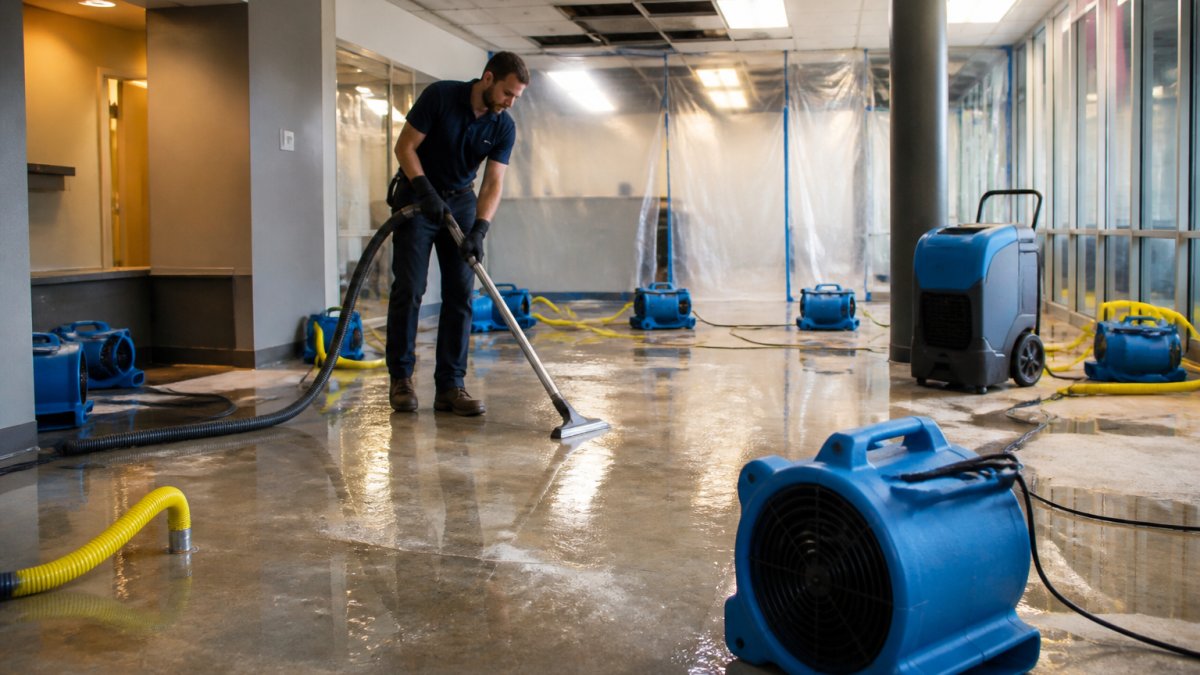
Emergency response fees apply when you call outside normal business hours. Many restoration companies charge premium rates for after-hours service. Mitigation, the immediate response to stop water spread and begin extraction, is often the most cost-effective investment, removing standing water quickly and preventing saturation before mold colonization begins.
Mitigation typically includes:
- Water extraction using truck-mounted or portable equipment
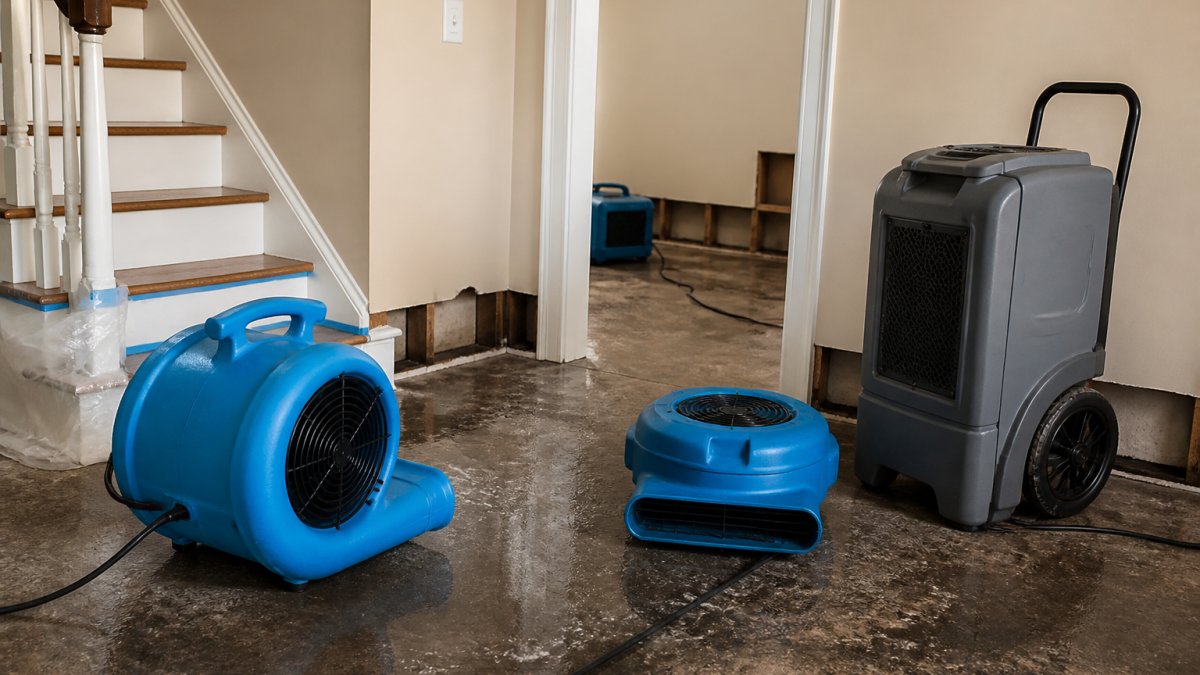
- Placement of dehumidifiers and industrial air movers
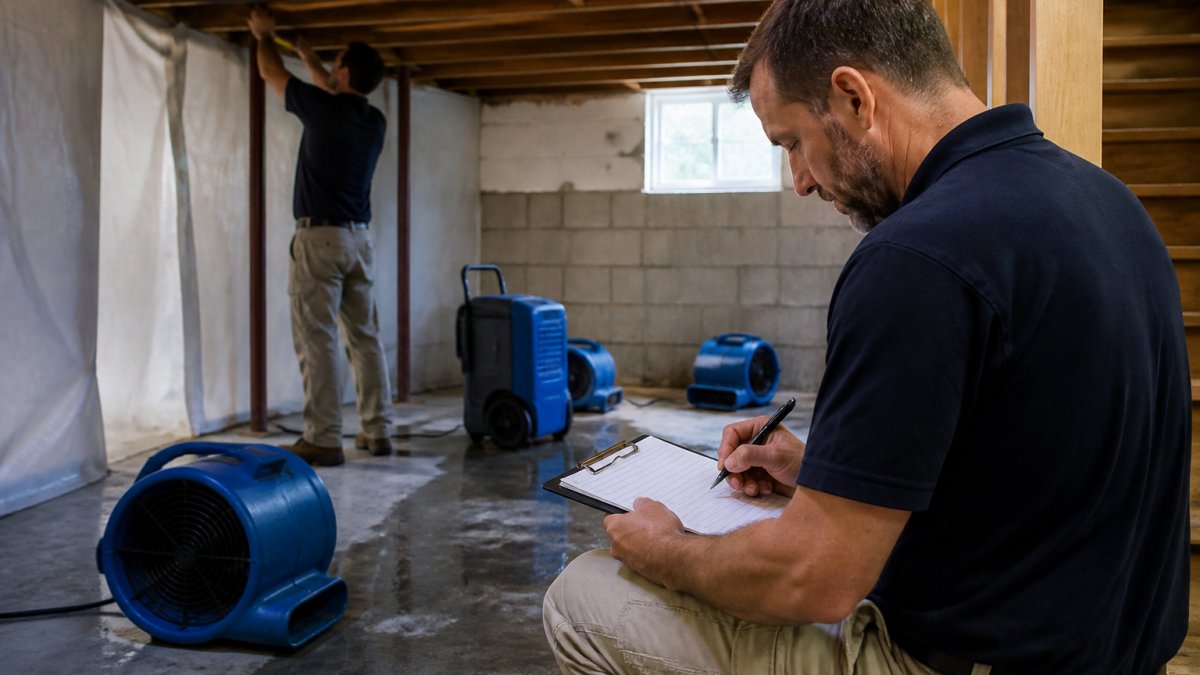
- Initial moisture mapping to identify affected zones
- Removal of saturated materials (carpet, padding, baseboards)
- Documentation for insurance claims
Water Damage Mitigation Timeline and Labor Expenses
Mitigation typically takes 24-48 hours from initial call to equipment placement and water removal. Structural drying then continues 3-7 days depending on humidity, saturation, and HVAC capacity. Labor costs scale with project complexity and crew size; IICRC-certified technicians command higher rates because their training ensures proper moisture mapping and drying verification.
| Phase | Typical Duration | Labor Intensity | Cost Driver |
|---|---|---|---|
| Emergency response | Same day | 2-4 technicians | After-hours premium |
| Water extraction | 4-8 hours | High | Equipment + labor |
| Structural drying | 3-7 days | Medium | Dehumidifier rental |
| Damage assessment | 1-2 days | Medium | Scope documentation |
| Material replacement | 3-10 days | High | Drywall, flooring, HVAC |
| Final verification | 1 day | Low | Moisture testing |
Drywall Repair Cost After Water Damage
Wet drywall is almost always replaced, not repaired. Once drywall absorbs water, it becomes structurally compromised and a mold vector. Replacement costs depend on affected square footage and accessibility; removing saturated drywall creates disposal costs requiring proper handling.
Hidden Costs and Secondary Damage You Should Expect
Mold remediation isn't always obvious upfront. Mold often appears weeks after the initial water event in hidden cavities. Secondary damage compounds costs: water seeping into wall cavities causes hidden structural decay, electrical systems may require replacement, and HVAC ductwork needs thorough cleaning or replacement to prevent mold spore circulation.
Post-Restoration Verification: A Homeowner's Checklist
Moisture Levels and Structural Integrity:
- Request final moisture readings for all affected materials. Acceptable moisture content for wood is 12-16%; for drywall, 12% or lower.
- Inspect drywall for soft spots, warping, or discoloration. Spongy drywall indicates incomplete drying and mold risk.
- Check subfloor and framing. Structural wood should feel dry with no visible swelling or discoloration.
- Verify all saturated materials were removed. Incomplete removal leaves moisture pockets that spawn mold.
Dehumidification and Air Movement:
- Confirm dehumidifiers ran for the full drying period. Ask for equipment logs showing runtime hours.
- Check that air movers were strategically placed. Stagnant air pockets prevent drying.
- Inspect HVAC returns and vents for dust or debris. Request HVAC cleaning documentation if water exposure occurred.
Mold Prevention and Air Quality:
- Look for visible mold or mildew. Any visible mold indicates incomplete drying or inadequate sanitization.
- Smell the affected area. A musty odor suggests hidden moisture or mold. Lingering odors warrant air quality testing.
- Request air quality testing results. Spore counts should return to normal baseline levels.
- Verify contaminated materials were sanitized or replaced. Ask what sanitization products were used.
Documentation and Contractor Accountability:
- Obtain a final inspection report signed by an IICRC-certified technician. This should include moisture readings, equipment runtime logs, materials removed, and verification that drying standards were met.
- Request before-and-after moisture mapping documentation to verify moisture was actually reduced.
- Confirm all equipment was removed. Equipment left on-site suggests incomplete drying.
- Get a written warranty or guarantee (typically 30-90 days). Reputable contractors address mold or moisture issues during the warranty period at no additional cost.
Long-Term Monitoring (Weeks 2-8 After Restoration):
- Monitor for signs of moisture return. If humidity spikes, odors return, or discoloration reappears, contact the contractor immediately.
- Check humidity levels weekly. Humidity above 60% indicates ongoing moisture problems.
- Watch for new mold growth. If mold appears after the contractor leaves, the restoration was inadequate.
- Listen for musty odors. Persistent odors suggest hidden moisture and warrant professional air quality testing.
Why This Matters: Incomplete drying leads to mold growth weeks or months later, creating health risks and expensive remediation costs. Verification during the final walkthrough protects you financially and legally.
Frequently Asked Questions
How much does water damage repair cost on average?
Water damage repair costs vary significantly based on damage severity, affected area size, and restoration scope. Category 1 clean water damage typically costs less than Category 2 grey water or Category 3 black water requiring sewage cleanup. Costs include water extraction, structural drying, dehumidification, and material replacement. Since pricing depends on your specific situation, contact AFC Cleaning & Restoration for a detailed assessment and quote tailored to your property.
Does homeowners insurance cover water damage restoration?
Standard homeowners insurance typically covers sudden, accidental water damage from burst pipes or storms, but excludes flood damage, which requires separate flood insurance. Coverage limits and deductibles vary by policy. Your claims adjuster will assess the damage and determine what your policy covers. AFC Cleaning & Restoration works with insurance companies and can help document the scope of work for your claim, reducing coordination stress and ensuring proper coverage evaluation.
What's the difference between water damage mitigation and full restoration?
Mitigation stops further damage through emergency water extraction, dehumidification, and structural drying, typically occurring within the first 24-72 hours. Full restoration follows, including drywall replacement, flooring repair, HVAC cleaning, and mold remediation. Mitigation costs are usually lower but essential to prevent secondary damage and mold growth. The water damage mitigation timeline directly affects total costs, faster response prevents costlier structural damage and mold remediation later.
How much does drywall replacement cost after water damage?
Drywall repair cost after water damage depends on the affected area's size and damage extent. Partial repairs cost less than full sheet replacement. Labor rates and material costs vary, but drywall repair is typically a significant portion of restoration expenses. The extent of water saturation, mold growth, and structural integrity issues determines whether repair or full replacement is necessary. Get a professional assessment from AFC Cleaning & Restoration to understand your specific drywall repair costs.