 how-to
What to Do When Pipes Burst in Kansas City
Last Updated: November 4, 2026
Quick Summary
If pipes burst, shut off the main water supply first to stop the flow, then open a low faucet to drain pressure. Keep out of standing water until power to the area is off, and document the damage with photos before cleaning up.
- Shut off the main water supply valve, usually where the service line enters the house.
- Open a faucet on a lower floor to relieve pressure and reduce spraying.
- Do not enter flooded rooms with outlets, cords, or appliances until power is safely cut.
- Photograph and video every damaged room before moving anything for your insurance claim.
- Call a licensed plumber, your insurer, and a restoration company within the first hour.
Table of Contents
- Your First Hour: Shut Off the Water and Stop the Flow
- Staying Safe Around Standing Water and Electricity
- Containing the Water and Starting Burst Pipe Water Damage Cleanup
- Documenting Losses for Your Burst Pipe Insurance Claim
- How to Prevent Pipes from Freezing in a Kansas City Winter
- Booking Emergency Help for Your Kansas City Property
- Frequently Asked Questions
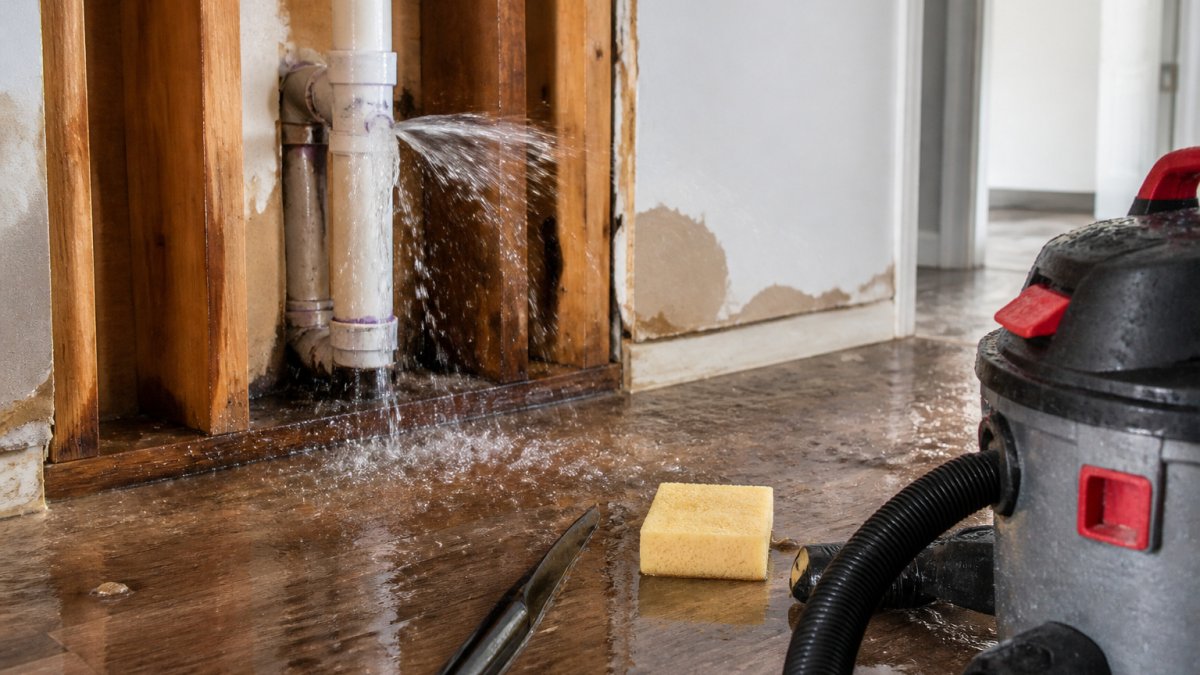
Water spraying from a pipe burst can ruin a home in minutes, and the first hour decides how much damage follows. If you are dealing with a burst pipe in Kansas City, this guide from AFC Cleaning & Restoration walks you through what to do right now, how to stay safe, how to limit the damage, and how to set up your insurance claim and prevent it from happening again.
Your First Hour: Shut Off the Water and Stop the Flow
The first hour after a pipe bursts is a sequence, not a checklist. Work through it in order, and do not skip ahead to cleanup while water is still flowing.
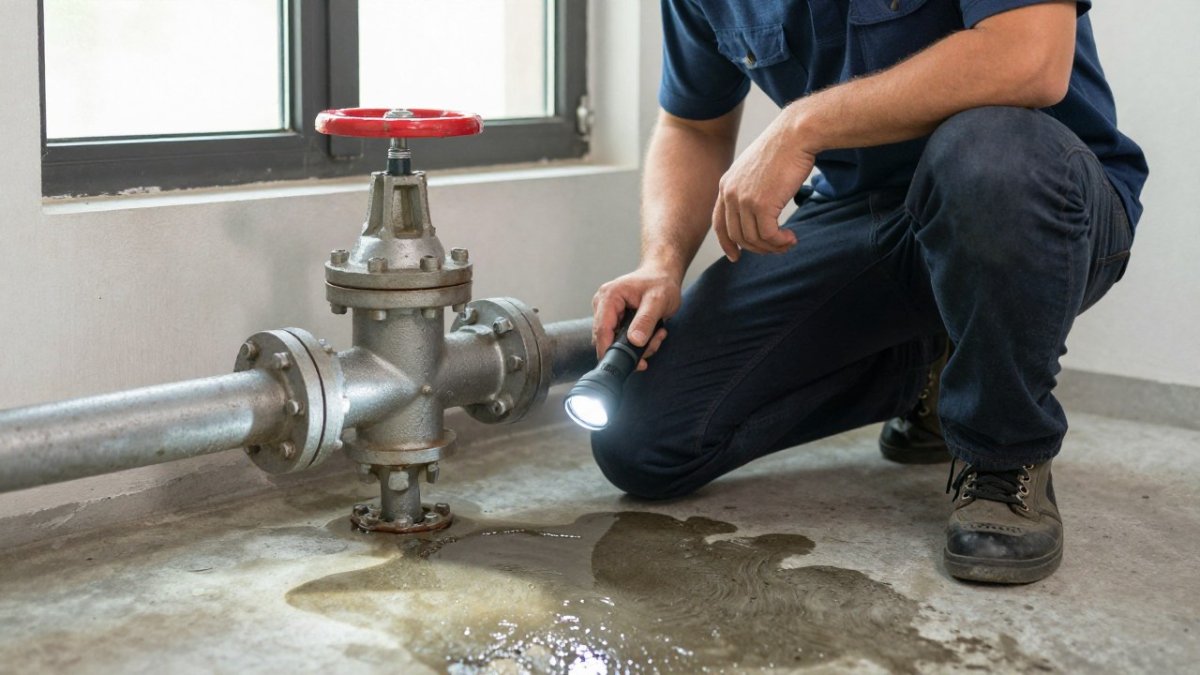
Minute 0-5: Stop the flow. Shut off the main water supply. If you know where the burst is and there is a fixture shutoff valve on that branch, close that first to stop the spray, then close the main.
Minute 5-10: Relieve pressure. Open a faucet on a lower floor, usually a basement sink or a first-floor bathroom tap. This drains trapped water and drops line pressure so the break sprays less. Leave it open until flow stops.
Minute 10-20: Make the electrical call. Before you enter a flooded room, look at what the water is touching. If water is at or near outlets, cords, appliances, or the panel, do not enter.
Minute 20-30: Contain and document. Move furniture, rugs, and electronics out of the wet zone. Put towels or a wet/dry vacuum at the edge of the water to slow its spread. Take photos and video of every affected room before you move anything, this is the record your insurer will ask for.
Minute 30-60: Call for help. Call a licensed plumber for the repair and your insurer's claims line for next steps. If water is spreading into multiple rooms, call a restoration company now rather than after you finish mopping; extraction equipment works best before materials soak through.
Locating the Main Water Shut-Off Valve
Most homes in the area have the main valve where the service line enters the house, a basement wall, a utility closet, or a crawl space near the front. Look for a round wheel handle or a lever on the pipe. Turn it clockwise to close. Older gate valves can be stiff; use steady pressure rather than jerking the handle. If the valve will not move or breaks, call the water utility and keep buckets and towels ready.
Watch out: in some older homes the main valve is at the curb or in a meter box outside, and the indoor valve only shuts off part of the house. If you close the indoor valve and water keeps flowing, you have found a partial shutoff, call the utility to locate the curb stop.
Write down where the valve is and show everyone in the house. A burst pipe at 2 a.m. is much easier to handle when you already know where to go.
Opening Faucets to Relieve Pressure
Once the main is off, open the faucet closest to the break, usually a kitchen or bathroom tap on a lower floor. This lets trapped water drain and lowers pressure in the lines. Leave it open until the water stops flowing, and watch the drain so the sink does not overflow.
Electrical and Structural Safety Around Standing Water
Standing water and electricity are the most common cause of injury after a burst pipe. Before you walk into a flooded room, stop and check the area.
- Turn off power at the breaker panel only if you can reach it without standing in water.
- Never touch an outlet, cord, or appliance while your feet are wet or submerged.
- Stay out of rooms where water reaches outlets, wiring, or the main panel.
- Call an electrician before turning power back on to any wet area.
Water also weakens floors and ceilings. Bulging or sagging drywall can collapse. Keep children and pets out until a professional confirms the structure is safe. If you smell gas or see sparking, leave the house and call 911.
The first hour follows a clear sequence, with each stage tied to a time window.
| Time window | Action | Purpose |
|---|---|---|
| Minute 0-5 | Shut off the main water supply | Stop the flow |
| Minute 5-10 | Open a faucet on a lower floor | Relieve pressure |
| Minute 10-20 | Check electrical risk; cut power only if safe | Prevent shock |
| Minute 20-30 | Move items, contain water, document damage | Limit loss and build records |
| Minute 30-60 | Call a plumber, insurer, and restoration company | Get professional help |
Staying Safe Around Standing Water and Electricity
Standing water and electrical equipment are a dangerous mix. Before you walk into a flooded room, stop and check the area. Many people get hurt by skipping this step.
- Turn off power at the breaker panel if you can reach it without standing in water.
- Never touch an electrical outlet, cord, or appliance while your feet are wet or submerged.
- Stay out of rooms where water reaches outlets, wiring, or the main electrical panel.
- Call an electrician before you turn power back on to any wet area.
Water also makes floors and ceilings weak. If the water reaches cabinets, bedding, or upholstery, odor and contamination cleaning can help with the affected area. Ceilings with bulging spots or sagging drywall can collapse. Keep children and pets out of the area until a professional confirms the structure is safe.
Containing the Water and Starting Burst Pipe Water Damage Cleanup
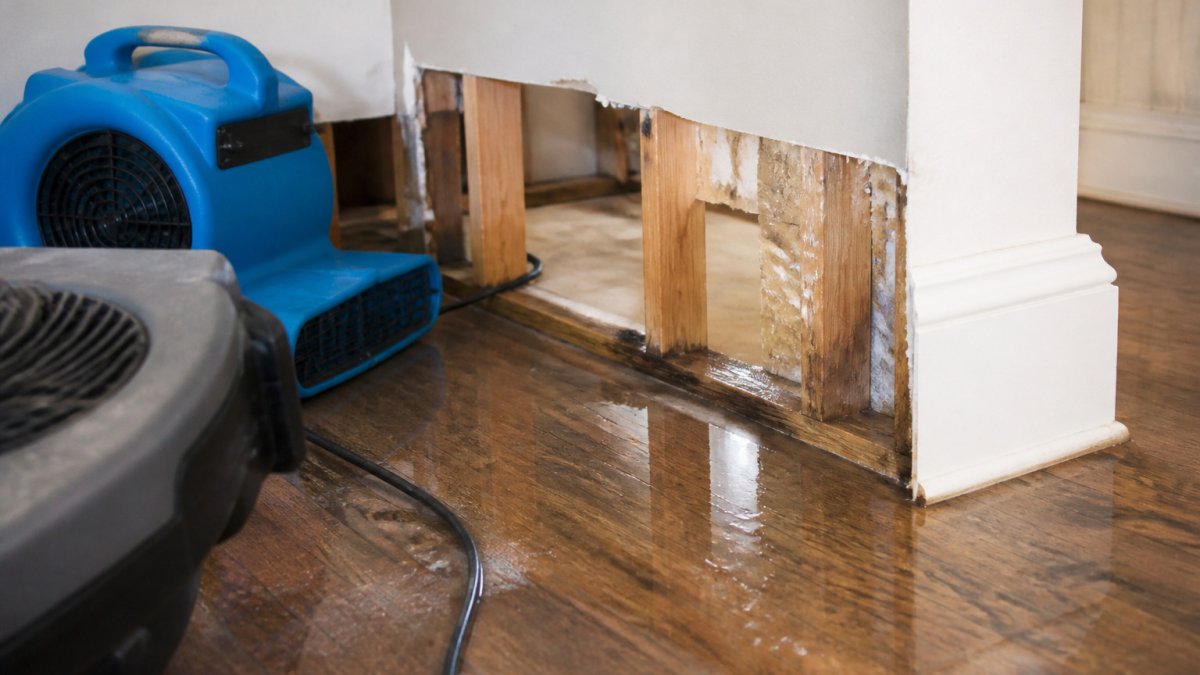
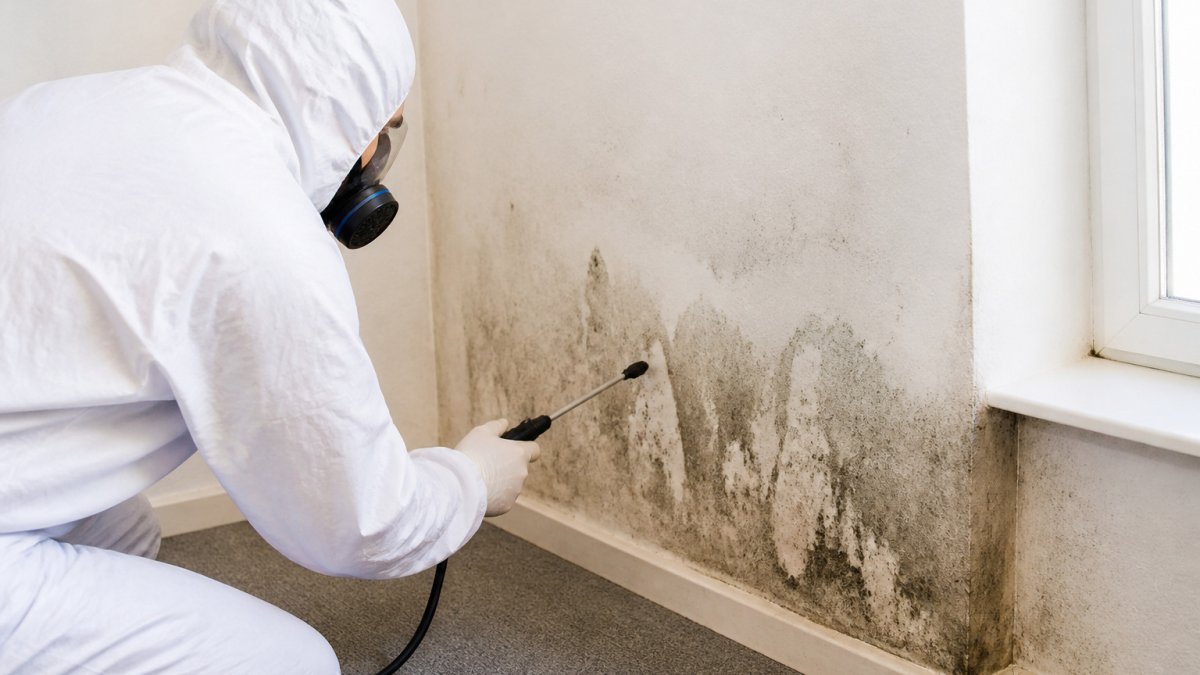
Once the flow stops, your job is to contain the water and start drying the space. For a fuller look at repair scope in this area, see our Kansas City residential water damage guide. Speed matters here. Wet materials can start to grow mold within a day or two.
Start with the basics:
- Move furniture, rugs, and electronics to dry areas.
- Mop or pump standing water out as fast as you can.
- Pull up wet carpet and padding if the water has soaked through.
- Run fans and open windows to move air through the room.
- Set up a dehumidifier to pull moisture from the air.
Many homeowners try to clean up alone and miss water hiding behind walls or under floors. A moisture meter can show where the wetness has spread. If the damage covers a large area, or if the water came from a sewer line or dirty source, call a professional restoration company.
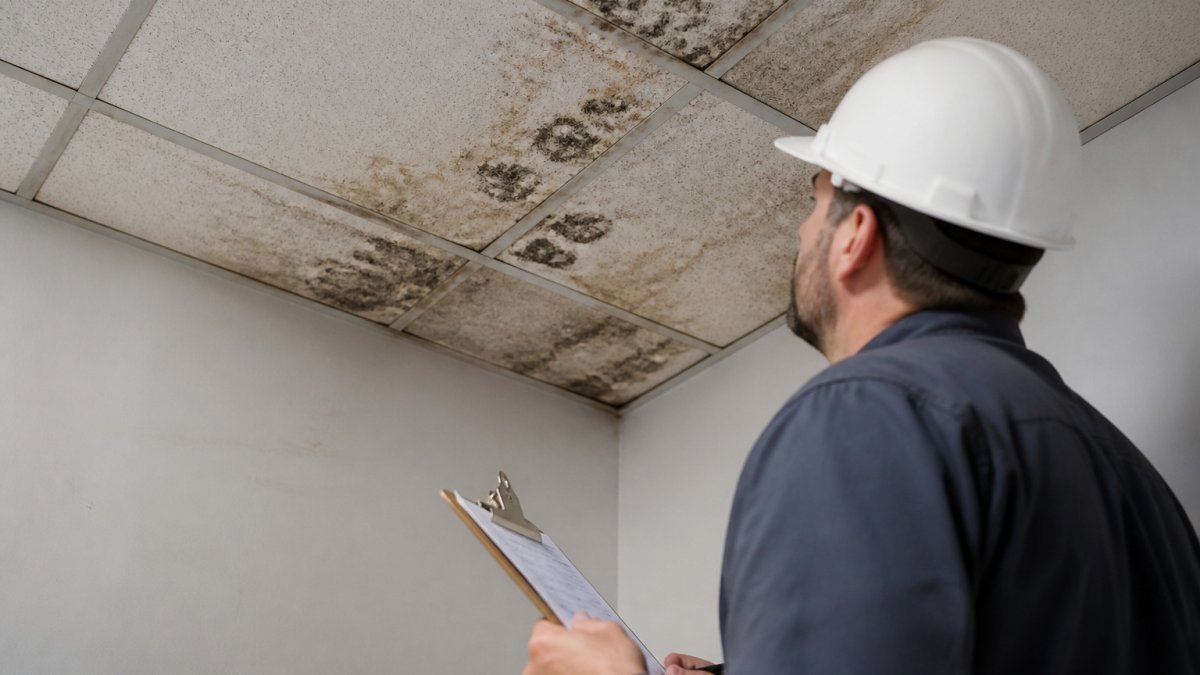
Keep the cleanup going until the materials are dry. Damp drywall, wood, and insulation can keep causing problems long after the visible water is gone. What to do after the leak is stopped matters just as much as the first hour. Check the area daily for new stains, soft spots, or musty smells.
Documenting Losses for Your Burst Pipe Insurance Claim
Documenting from the first minute can help an insurance claim move more smoothly. The goal is a clean record: what happened, when, what was damaged, and what you spent.
Before you clean up:
- Take photos and video of every damaged room, including wide shots and close-ups of the break, wet materials, and damaged belongings.
- Keep the broken pipe section if you can remove it safely; adjusters often want to see the failure point.
- List each damaged item with its age, brand, and estimated value. A phone note is fine, just capture it before items are discarded.
- Note the date and time you discovered the leak and when you shut off the water.
- Save receipts for cleanup supplies, hotel stays, and emergency repairs.
Call your insurer early, not after cleanup. Ask what they need from you and whether they want to inspect before you remove damaged materials. Most policies cover sudden water damage from a burst pipe, but exclusions often apply to long-term leaks or freezing that was not prevented. Our article on whether business insurance covers storm damage explains common coverage questions. A clear record of events helps the claim move forward.
Renters: notify your landlord in writing the same day, text or email is fine, and keep a copy. Document the damage yourself even if the landlord is handling it, and follow up in writing if repairs are delayed. Your renters policy may cover your belongings even though the landlord's policy covers the building.
After the leak is stopped: keep drying and checking for hidden moisture. Damp drywall, wood, and insulation can keep causing problems long after the visible water is gone. Check the area daily for new stains, soft spots, or musty smells, and call a restoration company if the damage covers a large area or came from a sewer line or dirty source.
How to Prevent Pipes from Freezing in a Kansas City Winter
Cold winter temperatures can split pipes, especially in unheated spaces. Taking a few steps before the cold arrives can help prevent a burst line.
- Insulate exposed pipes in basements, crawl spaces, and garages with foam sleeves.
- Seal cracks and gaps near pipes where cold air can get in.
- Let faucets drip slightly during very cold nights to keep water moving.
- Keep the thermostat at a steady temperature, even when you are away.
- Open cabinet doors under sinks so warm air reaches the pipes.
- Disconnect outdoor hoses and shut off outdoor spigot valves before freezing weather.
If a pipe does freeze, avoid open flames and high-heat tools to thaw it. Use warm towels or a hair dryer on low, and work from the faucet toward the frozen section. Never leave a heater running unattended near pipes or walls.
Booking Emergency Help for Your Kansas City Property
A burst pipe does not wait for business hours, and neither does AFC Cleaning & Restoration. AFC Cleaning & Restoration provides emergency restoration and cleaning services for residential and commercial properties throughout the greater Kansas City area.
If water is spreading through your property, contact us now so we can start containing the damage. You can also review our home and business restoration services before you call.
For a burst pipe, the sooner you stop the water and start drying, the less you lose. Keep this checklist handy, document everything, and call a professional when the damage is more than you can safely handle.
Frequently Asked Questions
What should I do first if a pipe bursts?
Shut off the main water supply right away, then open the nearest faucet to relieve pressure and drain the lines. Next, turn off electricity to affected areas if water is near outlets or fixtures, and avoid standing in water. Move valuables and photograph the damage before cleaning. If the leak is large or you cannot find the shut-off, call an emergency plumber or water restoration company without delay.
Should I turn off the electricity if a pipe bursts?
Yes, if water is near outlets, panels, appliances, or light fixtures. Do not step into standing water to reach a breaker. If the breaker panel is dry and you can reach it safely, switch off power to the affected circuits. If water is in contact with electrical equipment or the panel itself, leave the area and call an electrician or your utility provider. Electrical hazards are a serious risk during any water emergency.
How long can pipes burst before I need to call a professional?
Call a professional as soon as the water is flowing and you cannot stop it within minutes. Water can soak drywall, flooring, and subfloors within hours, and moisture left in building materials can lead to mold growth within a few days. Prompt water extraction and drying lower the risk of structural damage and long-term problems. AFC Cleaning & Restoration is available 24/7, 365 days a year, across the greater Kansas City area.
What should I document for my insurance claim after a pipe bursts?
Photograph and video every affected area before cleanup, including standing water, damaged materials, and the burst pipe itself if accessible. Keep receipts for emergency repairs, temporary lodging, and cleanup supplies. Make a written list of damaged items with approximate age and value. Save any plumber reports and repair invoices. Share this documentation with your insurer promptly and keep copies for your records.