 how-to
9 Common Causes of Home Water Damage to Check First
Quick Summary
Common causes of home water damage include burst and leaking pipes, roof leaks and ice dams, clogged gutters with poor drainage, and failing appliances such as washing machines and water heaters. Hidden leaks behind walls are the hardest to spot, so watch for growing stains, musty odors and rising water bills.
- Pipes in exterior walls, crawl spaces and unheated garages are most vulnerable to freezing.
- Clean gutters and downspouts at least twice a year to keep rain away from the foundation.
- Replace older rubber washing machine hoses with braided stainless steel versions.
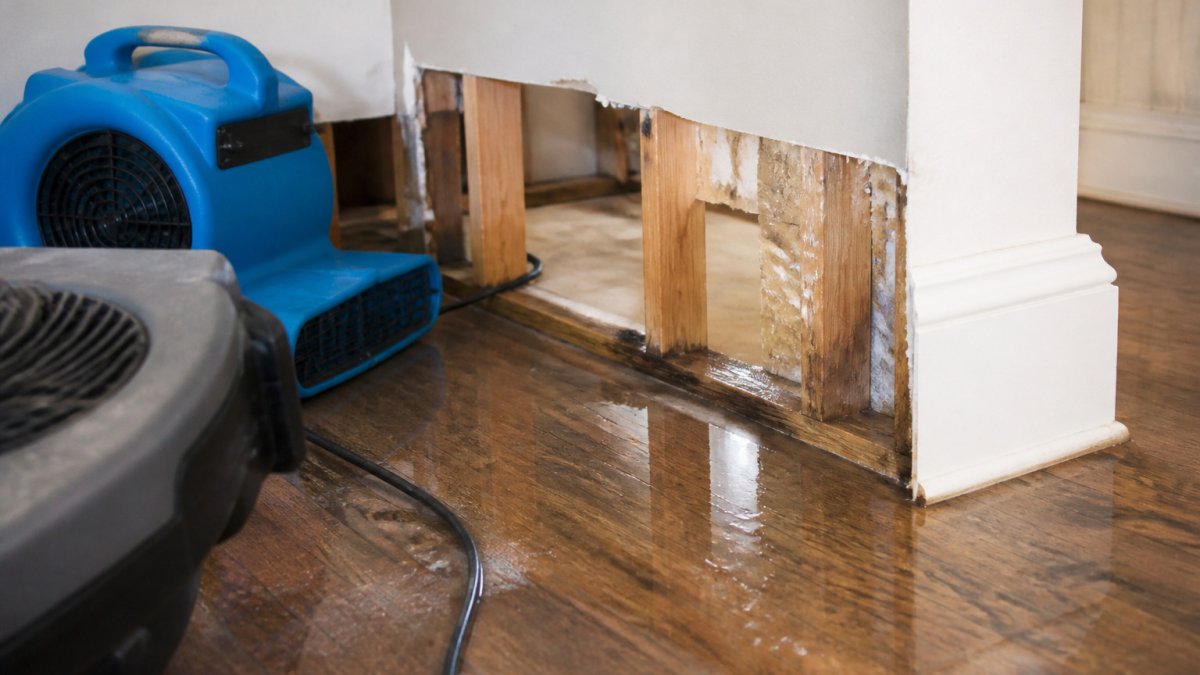
- Shut off the water and confirm the area is dry before cutting into drywall to chase a leak.
- Check attic decking and insulation after a storm for damp spots and staining.
Table of Contents
- Burst and Leaking Pipes: The Most Frequent Culprit
- Roof Leaks, Ice Dams and Storm Damage
- Clogged Gutters and Poor Drainage Around the Foundation
- Appliance Failures: Washing Machines, Water Heaters and Dishwashers
- Early Signs of Water Damage in Walls and Hidden Leaks
- Water Damage House Repair Costs and What Drives Them
- Does Homeowners Insurance Cover Mold Removal and Water Losses?
- Booking a Professional Inspection Before Damage Spreads
- Frequently Asked Questions
Burst and Leaking Pipes: The Most Frequent Culprit
Last Updated: November 2, 2026
Identifying common causes of home water damage starts with the pipes, and the pipes cause more trouble than most homeowners expect.
Burst pipes often come from pressure changes, sudden temperature drops, or plain wear over time. FloodSmart guidance for new homeowners on protecting against water damage makes the same point: small, steady leaks can do serious harm long before a pipe fails outright.
Watch for these early signs of a pipe problem:
- Water stains on ceilings or walls that keep growing
- A musty smell that comes and goes
- Water meter readings that rise when no one is using water
- Warped baseboards or soft spots in the floor
- Cabinets under sinks that feel damp to the touch
A common mistake is waiting for a visible puddle. By the time water pools on the floor, it has usually been traveling through the structure for some time.
Freezing Temperatures and Pipe Pressure
Cold weather is one of the most common triggers for pipe failure. Water expands as it freezes, and that expansion can split a pipe even when the pipe itself looks fine. Pipes in exterior walls, crawl spaces and unheated garages are the most vulnerable.
Keep your home heated during cold snaps, let faucets drip on the coldest nights, and know where your main shutoff valve is before you need it.
Roof Leaks, Ice Dams and Storm Damage
Roof problems rank among the most expensive causes of water damage because water enters at the top and travels downward.
ConsumerAffairs analysis of homeowners insurance water damage claims reflects how often storms and roof failures show up in these claims.
Ice dams deserve special attention in cold climates.
After any major storm, check your attic for damp insulation, look for stains on upper-floor ceilings, and inspect the roof from the ground for missing or curled shingles.
Clogged Gutters and Poor Drainage Around the Foundation
Gutters carry rainwater away from your home. When they clog with leaves and debris, water spills over the edge and runs straight down the foundation walls. Over time, that water can seep into basements and crawl spaces.
Poor grading makes the problem worse. If the soil slopes toward the house instead of away from it, rain pools against the foundation and finds every crack.
Quick checks you can do this season:
- Clean gutters and downspouts at least twice a year
- Make sure downspouts carry water at least several feet from the foundation
- Look for soil that slopes toward the house
- Check basement walls for damp spots or white mineral deposits after rain
Appliance Failures: Washing Machines, Water Heaters and Dishwashers
Appliances connected to water lines are a frequent source of indoor flooding. Washing machine hoses can crack or burst, dishwasher seals can fail, and water heaters can leak from corroded tanks or faulty fittings.
These failures often happen while no one is home, which is why the damage can grow so large. Inspect supply hoses regularly, replace older rubber hoses with braided stainless steel versions, and keep an eye on the area around the water heater.
Early Signs of Water Damage in Walls and Hidden Leaks
Hidden leaks are the hardest causes to spot, which makes them the most dangerous.
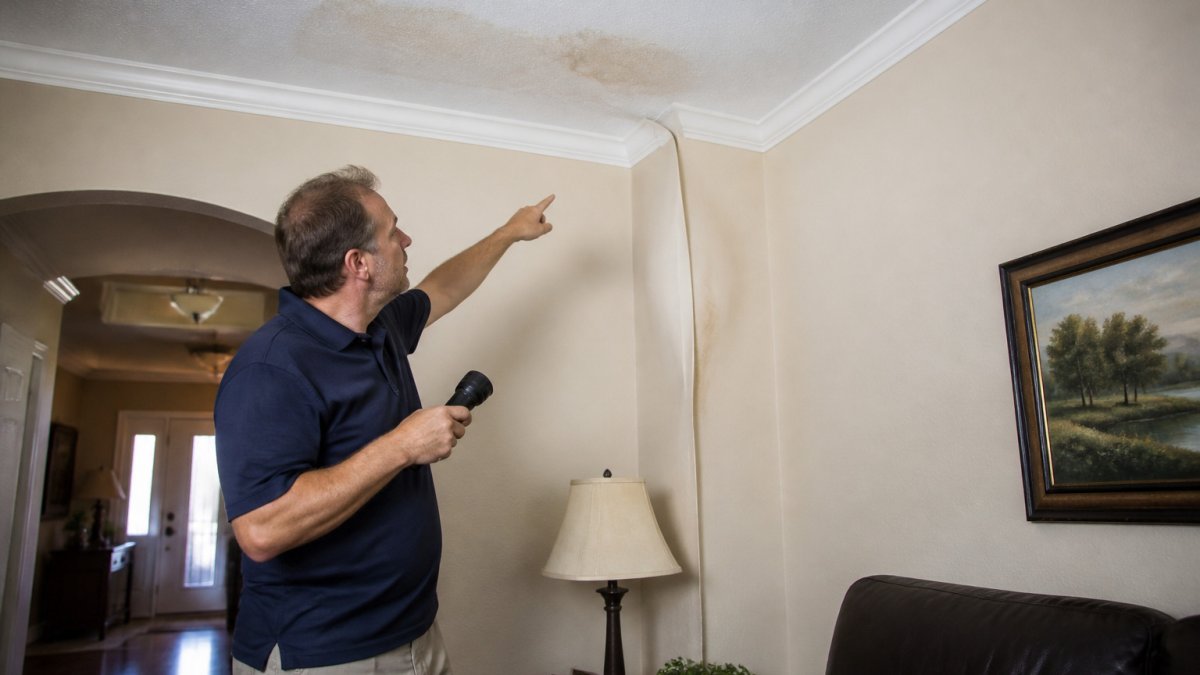
Use this cause-to-symptom guide to narrow down where the water is coming from:
- Ceiling stain that grows after rain: suspect the roof, flashing, or an ice dam above that spot. Check the attic decking and insulation directly uphill of the stain, not just the ceiling itself.
- Ceiling stain that grows after every shower or load of laundry: suspect a supply line, drain line, or fixture seal in the bathroom or laundry above. Run the fixture for several minutes while someone watches the stain.
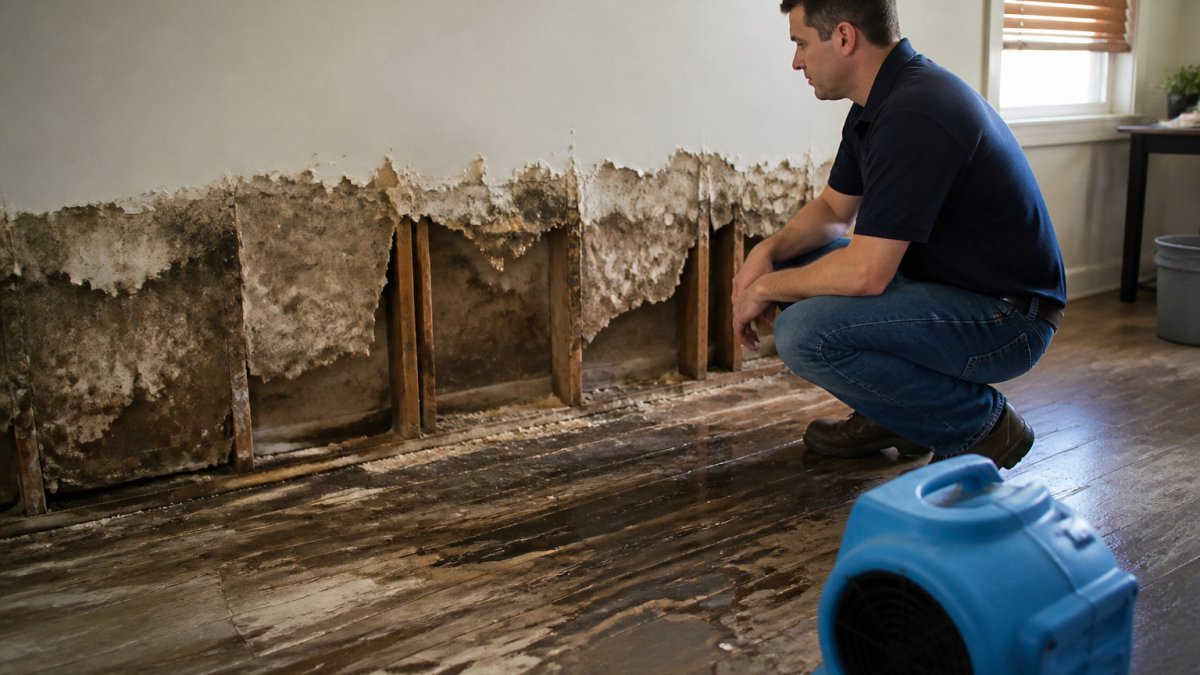
- Warped or cupped flooring near a wall: suspect a slow supply-line leak or a leaking exterior door or window. Check the baseboard and the wall cavity behind it with a moisture meter.
- Musty odor confined to one room: suspect moisture trapped in carpet, padding, or a wall cavity. A musty smell with no visible stain usually means the leak is small and has been running a long time.
- Peeling paint or bubbling wallpaper: suspect water vapor or a slow leak behind the drywall. Bubbling that spreads is a sign the drywall paper is saturated.
- Soft or discolored drywall near plumbing: suspect a fitting, valve, or drain connection inside the wall. Shut off the fixture's supply and probe gently, soft drywall crumbles under light pressure.
- Higher water bill with no change in use: suspect a running toilet, an irrigation line, or a slab leak. Shut every fixture off and watch the meter; if the dial still moves, the leak is on the supply side.
A common pattern is that the symptom appears far from the source.
Early signs of water damage in walls are easy to miss, but they often show up as small changes in a room's appearance or smell.
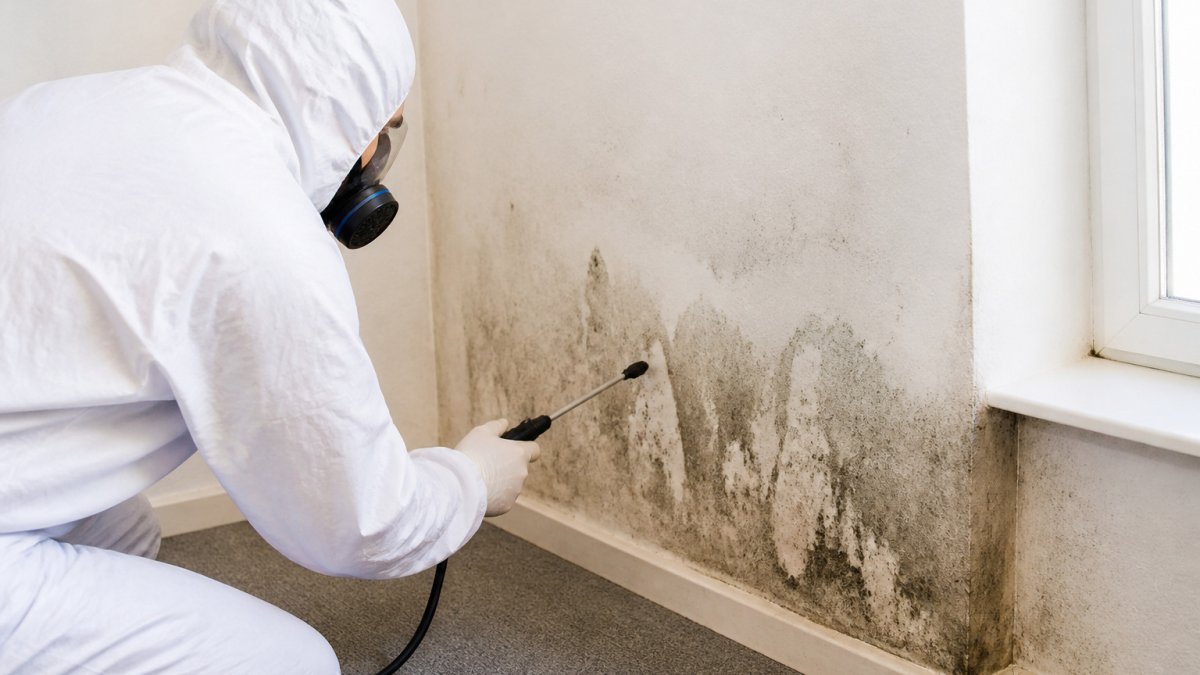
Our mold removal team serves homeowners across the Kansas City area and can help track down moisture behind walls and remove mold safely. EPA guidance on mold cleanup and moisture control
The article maps common symptoms to their most likely sources, so you can narrow down where hidden water is coming from.
| Symptom | Likely source | First check |
|---|---|---|
| Ceiling stain that grows after rain | Roof, flashing or ice dam above | Attic decking and insulation uphill of the stain |
| Ceiling stain that grows after showers or laundry | Supply line, drain line or fixture seal above | Run the fixture for several minutes while someone watches |
| Warped or cupped flooring near a wall | Slow supply-line leak or leaking door or window | Baseboard and wall cavity with a moisture meter |
| Musty odor confined to one room | Moisture trapped in carpet, padding or wall cavity | Inspect carpet, padding and wall cavity |
| Peeling paint or bubbling wallpaper | Water vapor or slow leak behind drywall | Check whether bubbling is spreading |
| Soft or discolored drywall near plumbing | Fitting, valve or drain connection inside the wall | Shut off supply and probe gently |
| Higher water bill with no change in use | Running toilet, irrigation line or slab leak | Shut every fixture off and watch the meter |
| White mineral deposits on basement walls | Water wicking through foundation after rain | Check basement walls after rain |
Water Damage House Repair Costs and What Drives Them
Repair costs depend on how much material is affected, how quickly the water was removed, and whether mold has spread.
The main cost drivers include the size of the affected area, the type of materials involved, whether the water was clean or contaminated, and whether structural framing has been compromised. Pricing depends on these factors, so the most reliable way to get a figure is a professional on-site assessment.
Does Homeowners Insurance Cover Mold Removal and Water Losses?
Coverage varies widely by policy. Many standard homeowners policies cover sudden water losses, such as a burst pipe, while excluding damage from long-term leaks, poor maintenance, or flooding from outside the home.
Read your policy carefully, document damage with photos before cleanup, and keep receipts for emergency services. For step-by-step help, see our guide to managing insurance claims for water damage.
Booking a Professional Inspection Before Damage Spreads
Before you book anything, run your own walk-through. A structured inspection tells you whether you are dealing with a minor fix or an active loss, and it gives a technician a head start when you call.
Immediate safety priorities first. If water is actively running, shut off the main shutoff valve before anything else.
Room-by-room inspection checklist:
- Under every sink: run your hand along the supply lines and the cabinet floor. Look for corrosion at the fittings, dark rings on the wood, and swollen particleboard.
- Around the water heater: check the tank base, the relief valve, and the fittings for crust or rust. A relief valve that has discharged leaves mineral residue on the discharge pipe.
- Behind and beside the washing machine: inspect both hoses for bulging or cracks, and check the wall box and drain for drips during a cycle.
- Around the dishwasher: look under the unit and at the cabinet sides for swelling, and check the door seal for tears.
- Bathroom fixtures: check the caulk line at the tub and shower, the toilet base for wobble or staining, and the floor around the toilet flange.
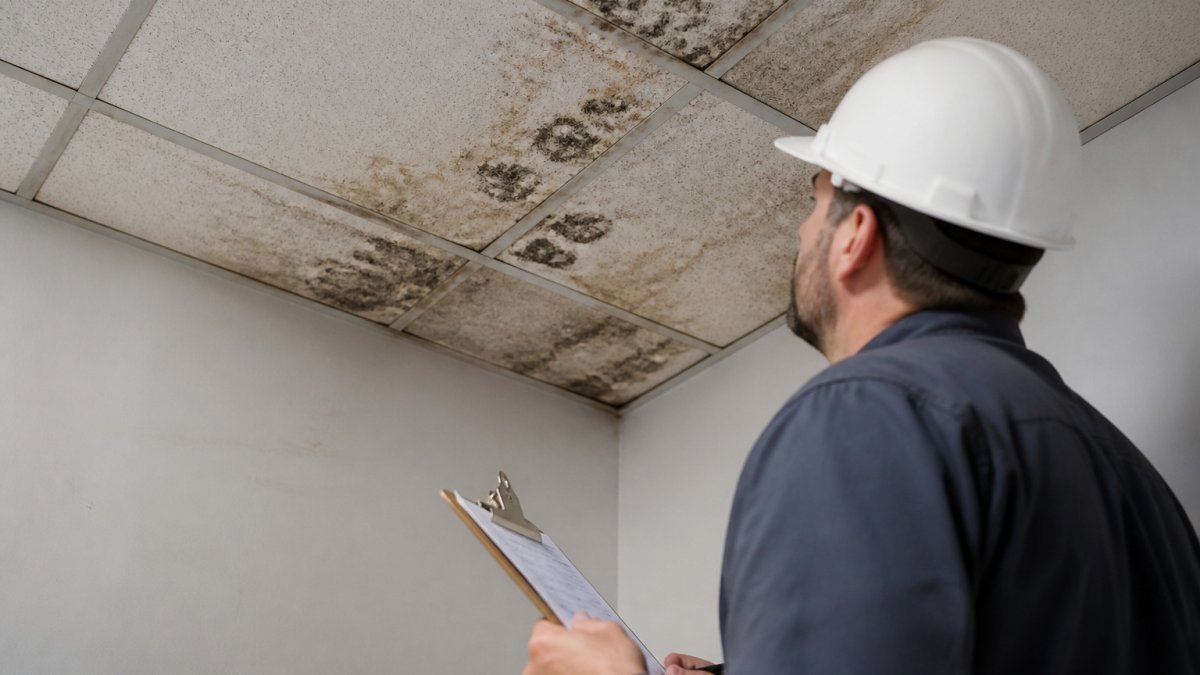
- Ceilings and upper walls: scan for rings, sagging, or paint that has pulled away. Look above windows and doors where exterior water enters.
- Attic: check the roof decking and insulation for damp spots, dark staining, or daylight at penetrations. Look at the underside of the roof at valleys and chimneys.
- Basement and crawl space: check the base of foundation walls, the floor joists, and any piers for dampness or efflorescence after rain.
What a professional inspection adds. Moisture meters and thermal imaging can help locate water you cannot see, and mapping the extent of wet materials helps ensure drying equipment is sized correctly.
Before you call, shut off the water source if you can do so safely, move valuables out of the affected area, and take photos. If you are weighing whether to handle cleanup yourself, our comparison of DIY cleanup versus professional water damage repair explains where the line falls.
AFC Cleaning & Restoration provides 24/7 emergency response across the greater Kansas City area, with IICRC-certified technicians serving homes and businesses since 2003. Our team can restore your property to its pre-damage condition. To see what the emergency restoration process looks like, read our emergency water damage restoration guide, or contact us today for a professional inspection.
Frequently Asked Questions
What is the most common cause of water damage in houses?
Leaking or burst plumbing is generally the most frequent source of residential water damage. Supply lines, water heaters, and drain connections fail over time from wear, pressure changes, or freezing temperatures, and they often release water slowly inside walls or under floors. Because the leak may run for days before anyone notices, the damage tends to be larger than the visible problem suggests. Checking visible supply lines and fittings for drips, staining, or corrosion once a year is a simple way to catch these failures early.
Does homeowners insurance cover mold removal?
Coverage depends on the policy and on what caused the mold. Many homeowners policies cover mold that results from a sudden, covered event such as a burst pipe, but they often exclude mold caused by long-term leakage, poor maintenance, or humidity. Policies frequently set sublimits for mold remediation. Reviewing your declarations page and asking your insurer specifically about mold coverage before a loss occurs will give you a clearer answer than assumptions.
How can I tell if a water stain is old or active?
Press a pencil eraser or dry finger gently against the stain. A soft, damp, or cool surface suggests active moisture, while a hard, dry, and discolored stain usually indicates past water exposure. Fresh stains often have darker edges and may still spread, while older stains tend to have uniform color. Using a moisture meter, if you have one, can confirm whether the material behind the surface is still wet.
What are the early warning signs of hidden water damage?
Musty odors, warped or buckled flooring, peeling paint, soft drywall, and water meter readings that climb when no water is running are common early signs. Ceiling stains, cracked caulk around tubs and sinks, and unexplained increases in your water bill also point to hidden leaks. If you notice any of these, shut off the affected water source if possible and arrange an inspection promptly, since moisture left inside walls can lead to mold growth and structural problems.
Identifying common causes of home water damage is the first step toward protecting your property. Check pipes, roofs, gutters, appliances and hidden areas regularly, and call a professional the moment something looks wrong.