 how-to
Does Water Damage Affect Property Value?
Last Updated: October 29, 2026
Quick Summary
Yes, does water damage affect property value, and buyers often lower their offers when they spot stains, soft floors or musty smells. Appraisers may reduce value for unrepaired damage, and some buyers avoid the home entirely. Well-documented, professional repairs usually reduce the loss.
- Buyers often lower offers after spotting stains, soft floors or musty smells.
- Appraisers may reduce value when damage has not been fully repaired.
- Hidden structural damage worries buyers more because they fear surprise repair bills.
- Clean, professional repairs with documentation reassure buyers and protect value.
- Disclosure rules for water damage vary by state, so check requirements before listing.
Table of Contents
- How Water Damage Affects a Home's Market Value
- Factors That Determine How Much Value Is Lost
- Mold, Health Concerns and Buyer Hesitation
- Selling a House With Water Damage
- Water Damage Disclosure When Selling a House
- Water Damage Repair Documentation That Protects Value
- Scheduling Your Restoration and Preparing for Resale
- Frequently Asked Questions
How Water Damage Affects a Home's Market Value
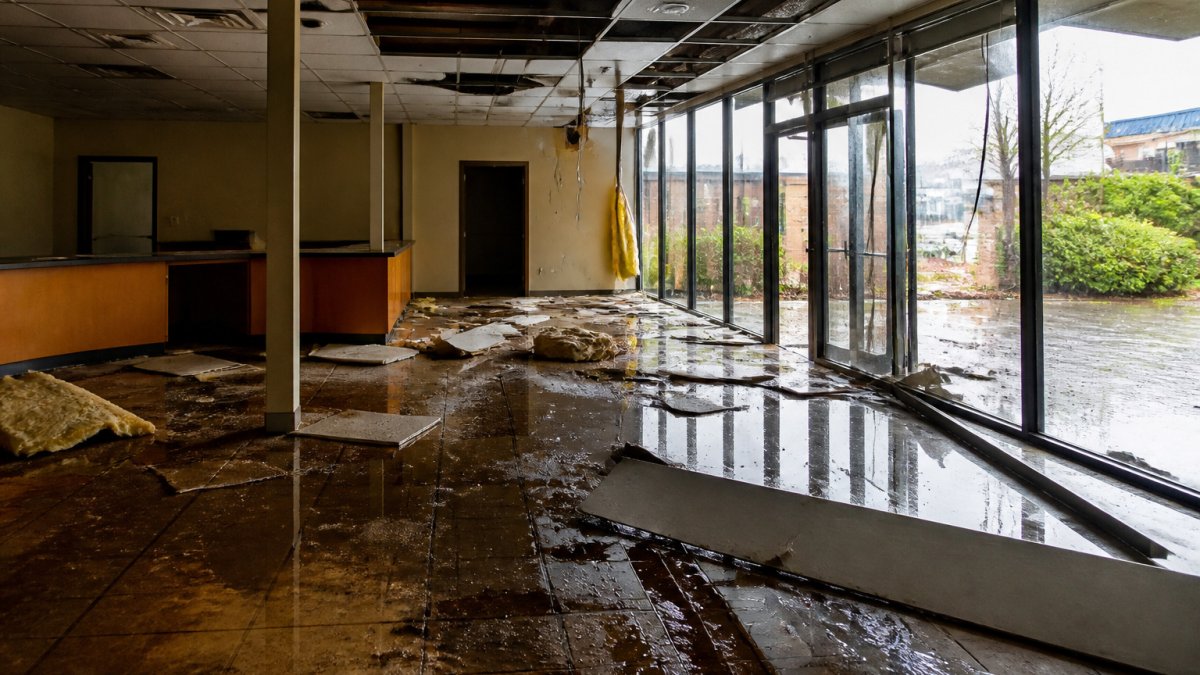
Water damage can lower a home's market value, and buyers often notice it fast. Many buyers walk in looking for signs of past trouble, like stains on ceilings, soft floors or a musty smell. When they find these, they start asking questions and often lower their offers. Water damage changes how a home feels to buyers, even before anyone knows the full cost of the repair.
The effect shows up in three main ways. First, appraisers may reduce the value if they see damage that has not been fully repaired. Second, buyers may ask for a lower price to cover repairs they expect to make. Third, some buyers skip the home altogether because they do not want the risk. Each of these hits the final sale price, and sometimes the house sits on the market longer.
Water damage that was repaired well and documented carefully often causes less harm. A clean repair record gives buyers confidence that the problem is solved. This is why the way you handle the damage matters as much as the damage itself.
Factors That Determine How Much Value Is Lost
The amount of value lost depends on several factors. Location, age of the home, severity of the damage and quality of the repair all play a part. A water problem in a high-demand neighborhood may matter less than the same problem in a slower market, because buyers have more options in a hot market.
Look at these factors when you think about your own home:
- Cause of the water: A one-time event, like a burst pipe, usually worries buyers less than a recurring leak.
- Size of the affected area: A small spot in one room is different from damage across a whole floor.
- Repair quality: Clean, professional work with proper drying reassures buyers.
- Time since the event: Buyers ask more questions when damage is recent or obviously unrepaired.
- Local market conditions: Buyers in a competitive market may be less picky.
Minor Versus Major Water Damage
Minor water damage usually means a small area, quick drying and no structural harm. A stained ceiling tile after a dishwasher leak is one example. Major damage involves wide areas, long standing water or harm to framing, subfloors and foundations. Major damage almost always lowers value more, and it can take months to fully repair.
The line between minor and major is not always clear. Water that sits for a day or two can cause more trouble than it first looks like. Get a professional opinion if you are not sure which category your damage falls into.
Visible Damage Versus Hidden Structural Damage
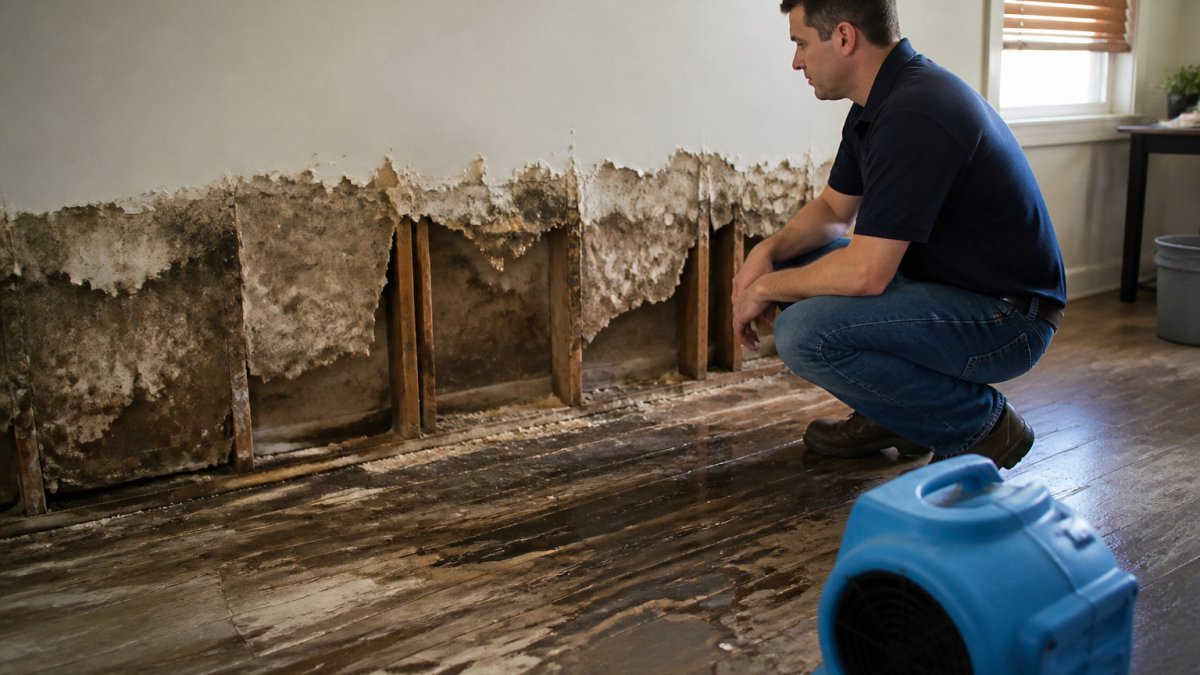
Visible damage is what buyers can see: stains, warped flooring, bubbling paint and damaged walls. These signs make a strong first impression, and they often lead to lower offers. Hidden damage is harder to spot. It can include rot inside wall cavities, weakened subfloors or moisture trapped under flooring.
Hidden damage worries buyers even more, because they fear surprise repair bills. A home inspector may flag moisture readings or soft spots, which can slow or stop a sale. Fixing hidden damage properly and keeping the records is one of the best ways to protect value.
The effect on value depends on several factors, and the damage type and size shape how much buyers will discount the home.
| Factor | Why it matters | Effect on value |
|---|---|---|
| Cause of water | One-time event vs recurring leak | One-time worries buyers less |
| Affected area | Small spot vs whole floor | Larger area lowers value more |
| Repair quality | Clean, professional drying | Reassures buyers |
| Time since event | Recent or unrepaired damage | Buyers ask more questions |
| Local market | Competitive market | Buyers may be less picky |
Mold, Health Concerns and Buyer Hesitation
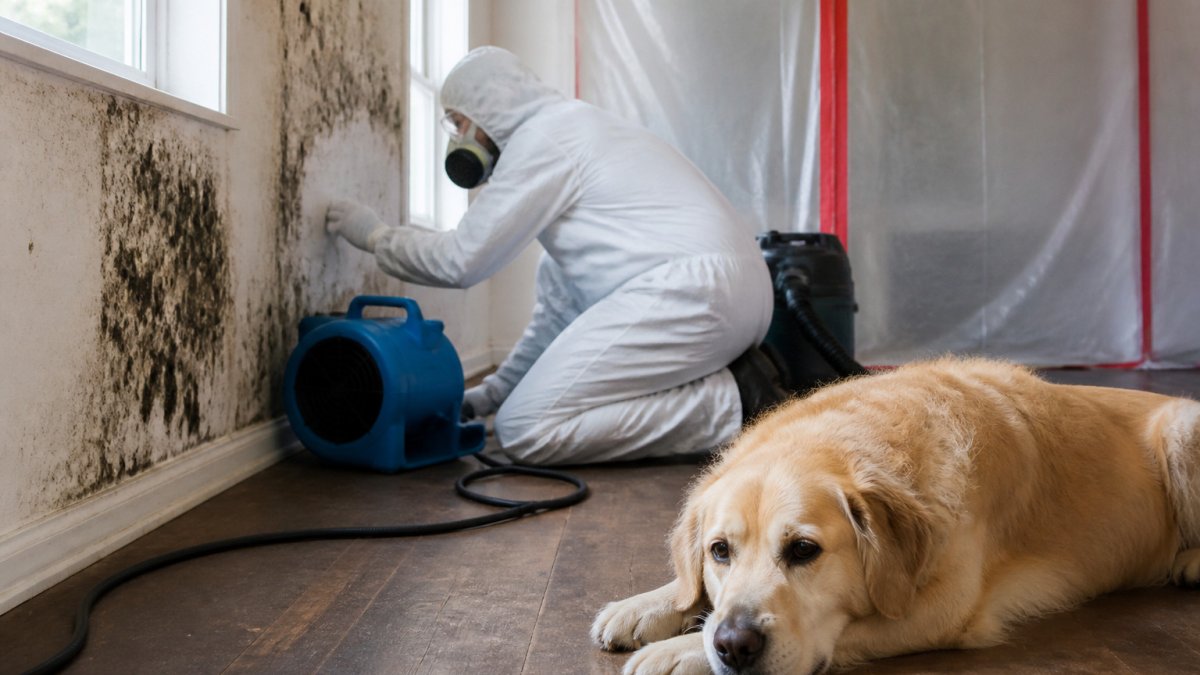
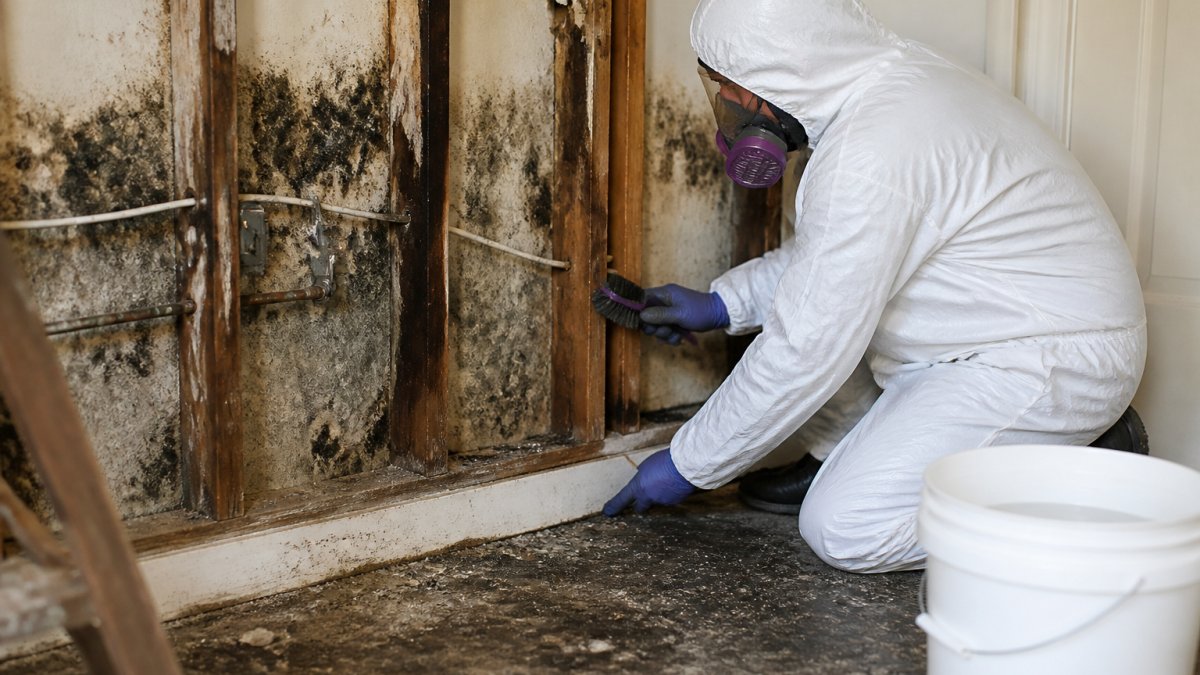
Mold is one of the biggest reasons water damage hurts a sale. Mold can grow within a day or two when materials stay wet, and it often shows up in places buyers cannot see easily. Many buyers worry about health effects, and they may ask for mold testing or walk away from the deal.
Fast action after water damage helps prevent the mold problem that scares buyers. A home that shows no sign of mold after a clean, documented restoration is much easier to sell.
If you see mold, do not try to hide it. Buyers and inspectors often find it anyway, and hidden mold can lead to legal trouble. Address it with a professional before listing.
Selling a House With Water Damage
You can still sell a house with water damage, but you need a clear plan. Start by getting a repair estimate and deciding whether to fix the damage before listing or sell as-is. Repairing before listing usually brings a better price, but it costs money up front. Selling as-is can work for investors or buyers who plan their own renovation, though offers tend to be lower.
Price the home based on its condition and what similar homes have sold for in the area. A real estate agent who knows your market can pull comparable sales, which help set a fair price. Be ready for buyers to request an inspection and possibly a lower offer after it.
Keep records of all repairs, including invoices, photos and warranties. These papers reassure buyers and make the sale process smoother.
Water Damage Disclosure When Selling a House
Disclosure is where water damage most often turns into a legal problem, and the rules are not uniform. Disclosure rules for water damage vary by state, so check your state's requirements and the seller disclosure form before listing.
The practical distinction is between past damage that was fully repaired and an unresolved defect, and buyers and their inspectors tend to treat them very differently.
Several transaction mechanics also matter:
Before listing, pull together your repair records, write a plain-language summary of what happened and what was fixed, and review your state's disclosure form with a local real estate attorney or your agent.
Water Damage Repair Documentation That Protects Value
Documentation of water damage repair can help buyers, appraisers and insurers understand what was done.
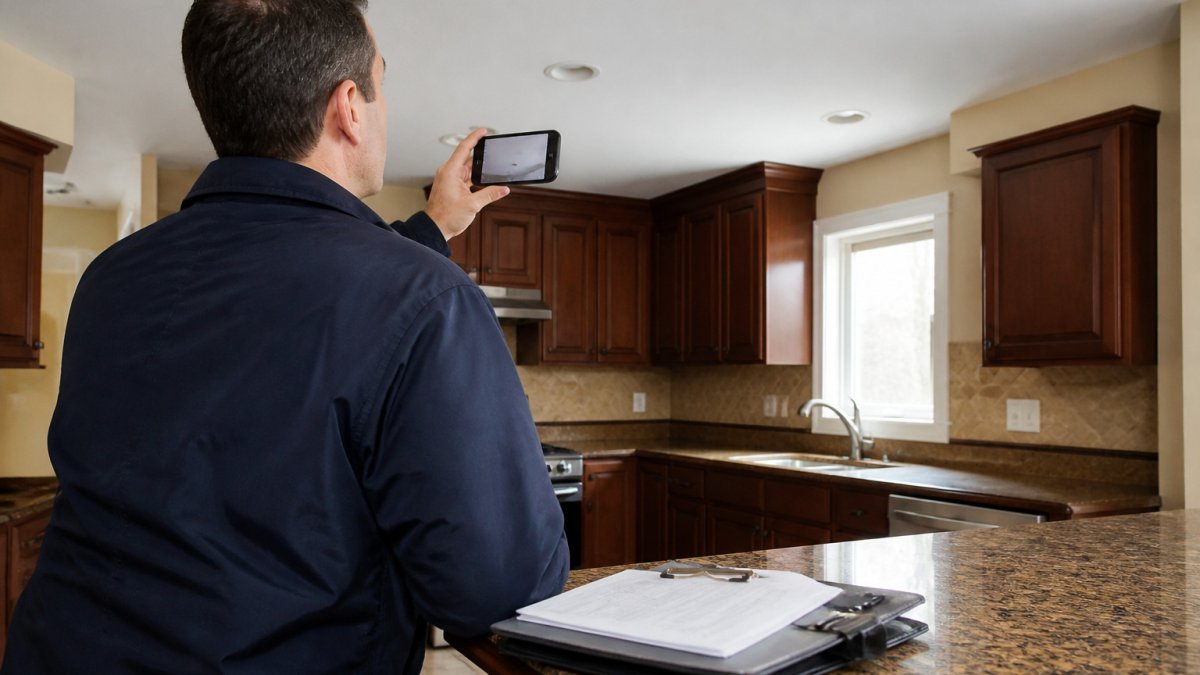
Step 1: Inspect and record before anything is covered up
Walk the affected area with a phone and a moisture meter if you have one, and record in this order:
- Source and extent. Photograph the failed component (supply line, appliance hose, roof flashing, foundation crack) and the wet materials around it. Note the date and time the water was discovered and when it was stopped.
- Moisture readings. Take readings at the baseboard, subfloor, and any adjacent wall cavity, and photograph the meter display next to the location.
- Hidden areas. If drywall or flooring is opened, photograph the cavity before it is closed. This is the single most persuasive image for a buyer who fears hidden rot.
- Scope map. Sketch or photograph a simple floor plan marking affected rooms and the square footage of each. Appraisers and adjusters both work from scope, not adjectives.
Step 2: Build the evidence file in a fixed order
Keep a single digital folder with subfolders in this sequence so anyone reviewing it can follow the story:
- Incident record, date, cause, who responded, and the stop-work time.
- Drying and remediation records, contractor's daily logs, moisture maps, equipment placement, and the final dry standard.
- Mold assessment, if any mold was found, the assessment, scope of remediation, and clearance documentation.
- Repair invoices and contracts, itemized, with contractor license numbers where required by the state, and permits pulled for structural or electrical work.
- Before, during, and after photos, dated and labeled by room.
- Warranties and manufacturer specs, for flooring, drywall, and any structural materials replaced.
- Insurance file, claim number, adjuster report, scope of loss, and payment records. Keep the claim file separate from the repair file but cross-reference it.
Step 3: Present it the way each audience reads it
- Appraisers want scope, completion, and permits.
- Buyers want the timeline and the warranty.
- Insurers want the cause of loss and the drying evidence.
A homeowner documenting damage for resale should also keep a simple timeline of events, when the water happened, when it was cleaned up, and when repairs were completed. A clear timeline shows buyers the problem was handled quickly, and it is the document most likely to be requested during a buyer's inspection response.
If you are dealing with an insurance claim, keep copies of everything and cross-reference the claim number in the repair summary. Guidance on managing the insurance claim process for water damage can help you organize these records.
Scheduling Your Restoration and Preparing for Resale
Timing matters when you plan restoration and listing. Start the restoration as soon as possible, because delays can allow mold to grow and damage to spread. Before committing, you can compare DIY cleanup against professional water damage repair.
Ask your restoration provider for a timeline that covers drying, repair and final inspection. If the damage needs quick attention, see what emergency water removal involves and how to get started.
AFC Cleaning & Restoration provides emergency water removal, drying and restoration services across the Kansas City area, available 24/7. Contact us to talk through your situation and get a clear plan for repairs before you list your home.
Frequently Asked Questions
Does water damage always lower a home's value? Not always. Small problems that are repaired well and documented often cause little or no lasting loss. Major damage, hidden structural problems or mold usually has a bigger effect.
How much value does water damage remove? The loss depends on the size of the damage, the repair quality, the local market and the buyers you reach.
Do I have to tell buyers about past water damage? Disclosure rules vary by state. Check your state's requirements before listing.
Can I sell a house with water damage without repairing it? Yes, but offers are often lower. Selling as-is may suit investors or buyers planning their own renovations.
Will mold stop a sale? It can slow or stop a sale if buyers or inspectors find it. Address mold with a professional before listing, and keep the testing and remediation records.
Frequently Asked Questions
Does water damage lower a home's value?
Water damage can lower a home's value, especially when it is ignored, poorly repaired or left out of disclosures. Buyers and appraisers tend to discount homes with visible staining, warped flooring, mold or structural concerns. Properly dried, repaired and documented damage usually has a much smaller effect. Documentation showing the cause, scope of the work and the completion date gives buyers confidence that the problem was resolved rather than hidden.
How much can water damage devalue a house?
The amount depends on the extent of the damage, whether it was structural, whether mold developed and how well it was repaired. Minor, fully repaired damage may have little lasting effect, while extensive or unresolved damage can push buyers to offer substantially less or walk away. A local real estate agent or appraiser can estimate the impact using comparable sales of homes with and without similar history.
Do sellers have to disclose past water damage?
Disclosure rules for water damage vary by state, so check the seller disclosure form and state requirements before listing. Providing repair records along with the disclosure can help show the issue was addressed.
How can I prove water damage was properly repaired?
Keep the restoration company's moisture readings, drying logs, photos before and after the work, the scope of repairs, permits where required and final invoices. A written report that names the cause and confirms the area was dried and rebuilt gives buyers and appraisers something concrete to review. Ask your restoration provider to supply these documents at project completion.