 how-to
7 Steps to Tell if Mold Remediation Is Dangerous for Pets
Table of Contents
- Why Mold Remediation Can Put Pets at Risk
- Step 1: Recognize Common Mold Exposure Symptoms in Dogs
- Step 2: Watch for Mold Exposure Symptoms in Cats
- Step 3: Assess Remediation-Specific Risks to Your Pets
- Step 4: Plan Pet Safety During Mold Remediation
- Step 5: Decide How Long Pets Should Stay Away After Cleanup
- Step-by-Step Pet Safety Checklist for Homeowners
- When to Call a Veterinarian About Possible Mold Exposure
- Frequently Asked Questions
7 Steps to Tell if Mold Remediation Is Dangerous for Pets
Last Updated: October 29, 2026
Why Mold Remediation Can Put Pets at Risk
Mold is more common indoors than most homeowners expect. Dampness and mold problems are common in indoor environments, which is why mold remediation pet safety deserves attention early. That means there's a good chance mold is part of your home's story at some point, and it may affect the animals who live there with you.
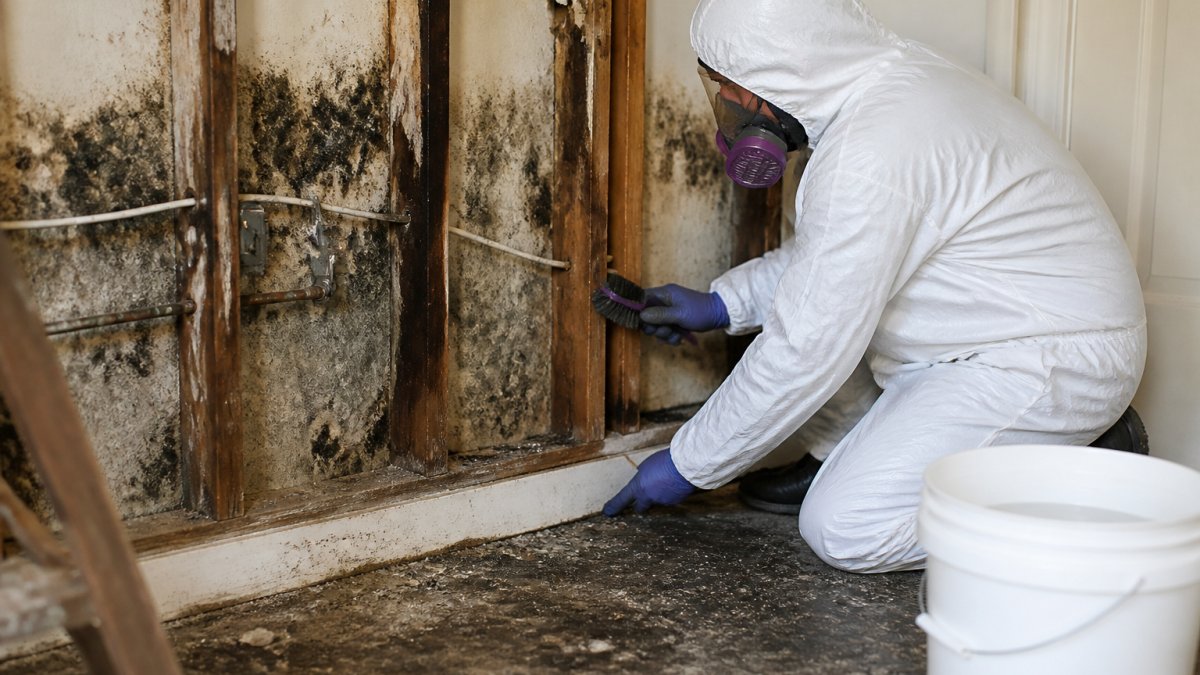
Mold remediation can change the air your pets breathe, because the cleanup process itself can disturb spores. Mold is a fungus that releases spores, and removing it can send those spores into the air.
Here's the key point: the cleanup can be as risky as the mold itself. Remediation disturbs walls, flooring, and insulation, and that can release more spores in a short window of time. Pets spend their days low to the ground and often sleep in the same rooms where the work happens.
Keeping pets out of the work zone during remediation is a sensible precaution, even when the mold seems small.
This guide walks through seven steps to help you judge whether mold remediation is dangerous for your pets. It covers symptoms in dogs and cats, the specific risks of remediation work, how to plan safe housing, and when to call a veterinarian.
Step 1: Recognize Common Mold Exposure Symptoms in Dogs
Dogs can show signs of mold exposure, and the signs often look like other common illnesses. Watch for the following changes in your dog.
- Frequent sneezing or coughing
- A runny nose or watery eyes
- Excessive scratching or skin irritation
- Difficulty breathing
Sneezing, coughing, and breathing trouble are the most important signs to track.
Watch for changes in behavior too. A dog that suddenly sleeps more, eats less, or seems tired may be reacting to something in its environment. Note when the symptoms start, and whether they get better when the dog is away from the affected room.
Pets and people can both be affected by the same indoor exposure to water damage and mold.
Step 2: Watch for Mold Exposure Symptoms in Cats
Cats can react to mold too, and they often hide illness well. Cat owners should look for changes in breathing, grooming, and daily habits.
- Sneezing, nasal discharge, or wheezing
- Watery or itchy eyes
- Over-grooming or patchy fur loss
- Lower energy or hiding more than usual
- Changes in appetite
Cats spend a lot of time grooming, so mold particles on their fur may get swallowed. Watch the litter area and sleeping spots near damp areas.
Cats are also sensitive to changes in their routine. A cat that starts avoiding a room where restoration work is happening may be telling you something. Keep notes on what changes you see and share them with your vet.
Step 3: Assess Remediation-Specific Risks to Your Pets
Remediation creates hazards that are different from the mold itself. The work disturbs building materials, introduces chemicals and equipment, and changes airflow. Before work starts, ask your contractor to walk you through the work plan and write down the answers. Use the following categories to judge whether the plan is pet-safe.
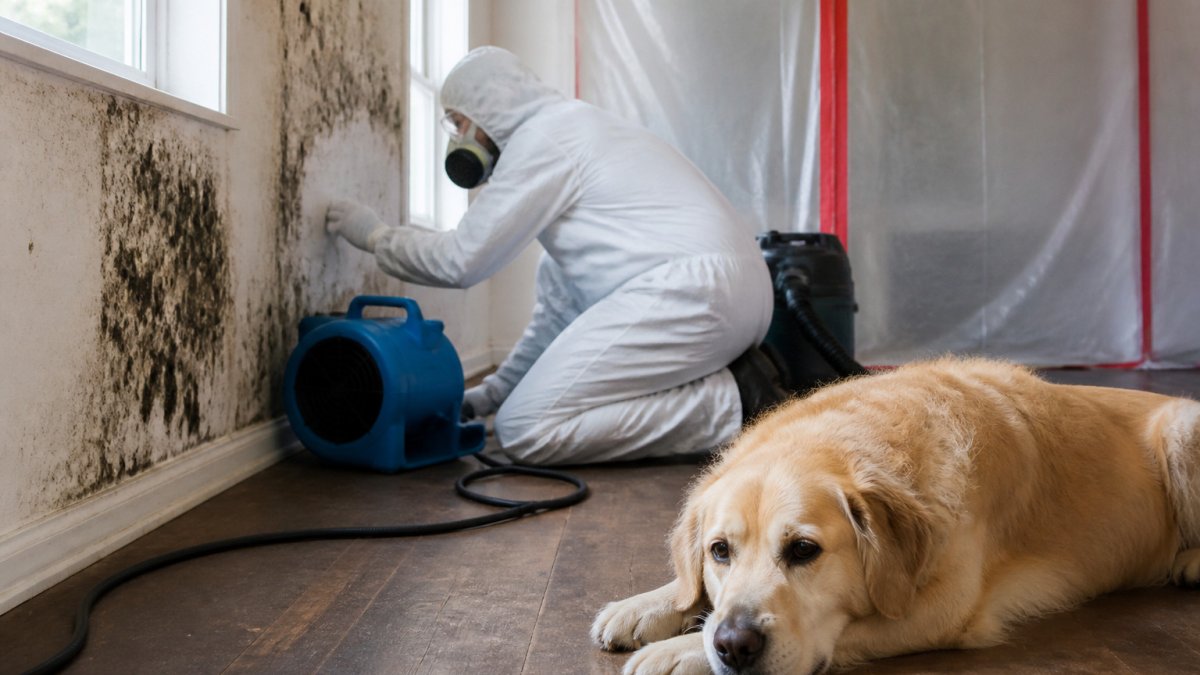
1. Containment and airflow. Professional remediation typically uses plastic sheeting and negative air pressure to keep spores inside the work zone. Ask whether the work area will be sealed with barriers, whether air filtration will run during the work, and where the exhaust air will go.
2. Products and residues. Ask for the safety data sheets (SDS) for every disinfectant, biocide, or encapsulant the crew will use. Ask which disinfectants and cleaners the crew will use. Many labels carry warnings to keep pets and children away until surfaces are dry and ventilated. Some products leave residues that pets can lick from floors or fur.
3. Dust, debris, and equipment. Demolition of drywall, insulation, and flooring generates dust even inside containment. Ask how debris will be bagged and carried out, and whether the path from the work zone to the exit passes through rooms your pets use.
4. Species-specific sensitivity. Cats and dogs are the most commonly discussed pets, but birds, rabbits, reptiles, and small mammals may be more sensitive to airborne irritants.
5. Hidden growth and scope changes. Mold behind walls is a common concern because opening walls can release a burst of spores. Readers can also check for concealed growth using a step-by-step guide to identifying mold behind walls.
A practical way to evaluate the plan is to ask three questions: What will be sealed, what will be sprayed, and where will the air go? If the contractor cannot answer clearly, treat the plan as incomplete and ask for a revised scope before work begins.
Step 4: Plan Pet Safety During Mold Remediation
Planning ahead keeps your pets away from the most dangerous part of the job. A good plan answers one question: where will your pets stay while work is underway?
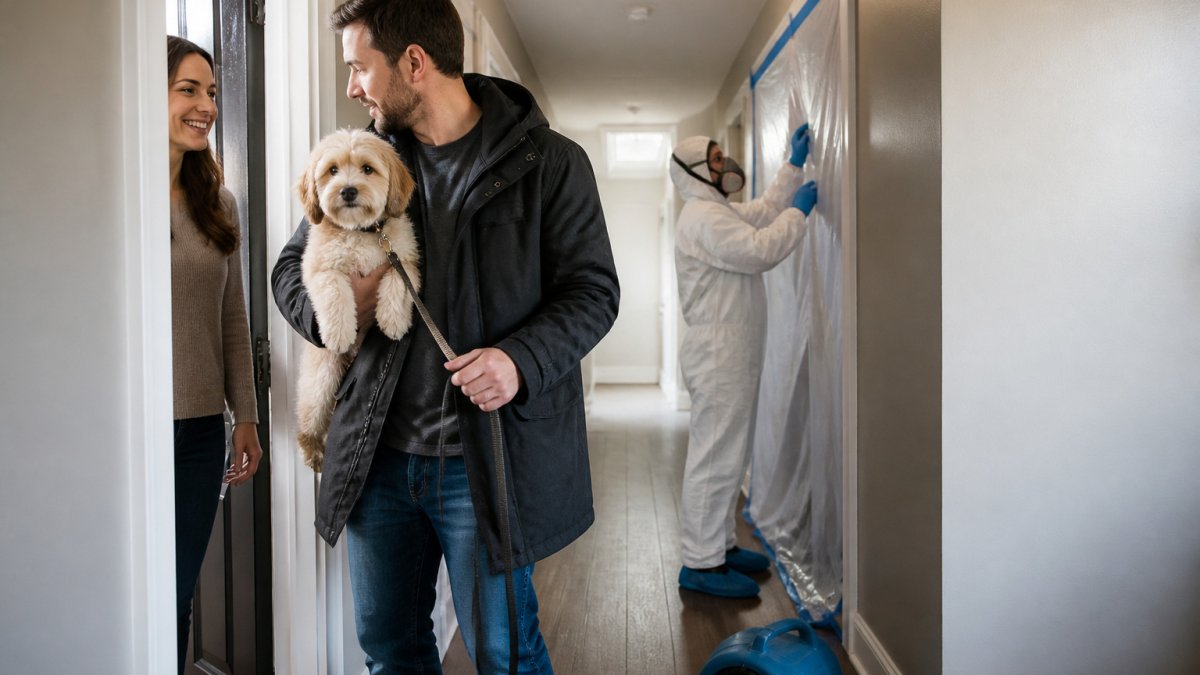
Consider temporary housing first. Many homeowners move pets to a friend's home, a boarding facility, or a family member's house during active removal. This is the safest option when it is available.
If your pets must stay home, keep them out of the work zone. Close doors, use barriers, and set up a clean room far from the affected area. Ask your contractor to confirm the containment plan in writing.
Use this checklist before work begins:
- Choose a location for each pet away from the work area
- Pack food, water, bedding, medications, and litter
- Keep carriers or leashes ready for quick moves
- Confirm the containment plan with your contractor
- Ask how long the work will take each day
Step 5: Decide How Long Pets Should Stay Away After Cleanup
There is no single number of days that fits every job. To understand the stages that determine when a site is ready, see the commercial mold remediation process explained. The right answer depends on what was removed, what products were used, and whether the work area has been cleaned and dried. Use the following criteria to decide when pets can return.
Do not return pets while work is active. Keep pets out until demolition, cleaning, and drying are finished and equipment has been removed. If the crew is still running negative air machines or dehumidifiers, the job is not done.
Confirm three things before re-entry.
- Visual clearance. The work area is free of visible dust, debris, and standing water, and containment plastic has been removed.
- Dryness. Surfaces and materials are dry. Keeping indoor humidity moderate helps prevent mold growth, so check the humidity in the work area before pets return (the EPA).
- Product clearance. Any disinfectant or biocide has fully dried and the area has been ventilated according to the product label. If the label says to keep pets away for a specific time, follow it even if the room looks and smells clean.
Ask about post-remediation verification. Some contractors offer post-remediation verification, which may include a visual inspection and, in some cases, air or surface sampling. There are no universal standards for acceptable mold levels, and testing alone cannot determine whether health effects will occur (the EPA). That means a test result is one piece of information, not a guarantee.
Use a staged return. When the criteria above are met, bring pets back gradually. Start with short supervised visits to the previously affected area, then extend time if no symptoms appear. Watch for sneezing, coughing, itching, or behavior changes for several days. If symptoms appear, move the pet out again and call your veterinarian.
Keep the rest of the home stable. Returning pets to a clean room does not help if the rest of the house is still damp. Fix leaks, run bathroom and kitchen exhaust fans, and keep humidity in the 30% to 50% range. A common pattern is for mold to return when moisture problems are not corrected, which can put pets back in the same situation.
If you are unsure whether the area is ready, wait. A few extra days away from the work zone is a small cost compared with a respiratory or skin problem that is harder to treat.
The article lists the criteria that decide when pets can safely return after cleanup.
| Criterion | What to check | Why it matters |
|---|---|---|
| Visual clearance | No visible dust, debris or standing water | Confirms the work area is cleaned up |
| Dryness | Surfaces and materials are dry | Dampness can let mold return |
| Product clearance | Disinfectant fully dried and area ventilated | Follows label re-entry instructions |
| Indoor humidity | Kept in the 30% to 50% range | Helps prevent new mold growth |
| Post-cleanup verification | Visual inspection, possibly air or surface sampling | Provides a documented all-clear |
Step-by-Step Pet Safety Checklist for Homeowners
Use this checklist to keep your pets safe from the first sign of trouble through the return home.
- Note symptoms early. Record sneezing, coughing, skin problems, or changes in energy.
- Ask for a written plan. Get containment and timing details before work begins.
- Move pets out if possible. Choose a safe place away from the work zone.
- Keep the work zone sealed. Confirm barriers, air handling, and cleaning methods.
- Watch pets during and after work. Track symptoms every day.
- Verify before return. Ask for post-cleanup air testing and a clear all-clear.
- Control moisture afterward. Keep indoor humidity in the 30% to 50% range.
Mold color does not tell you how dangerous it is. If you want to learn what to look for, read how to identify toxic black mold in homes. Mold color does not necessarily indicate whether mold is more or less harmful. Treat all visible growth as a reason to plan carefully.
When to Call a Veterinarian About Possible Mold Exposure
Call your veterinarian if your pet shows any of the following signs after mold exposure or during remediation.
- Ongoing coughing, wheezing, or trouble breathing
- Nasal discharge that does not clear up
- Skin or eye irritation that keeps getting worse
- Lethargy, weakness, or loss of appetite
- Any sudden change in behavior
Tell your vet about the mold, the work, and when symptoms began. Bring photos or notes if you have them. A veterinarian can examine your pet and decide what tests or treatment are needed.
Household mold tests cannot diagnose a pet. Clinical findings must be interpreted by a veterinarian. Do not rely on home tests alone when your pet is sick.
For a broader view, read how to identify mold behind walls before your next inspection. Early detection can keep your pets out of harm's way.
Frequently Asked Questions
Can mold hurt pets?
Yes. Mold can affect pets, particularly through respiratory irritation, allergic reactions, and skin or eye irritation. Mold spores can become airborne during removal, which raises inhalation risk. Keeping indoor relative humidity moderate helps prevent mold growth in the first place. If you suspect your pet has been exposed, contact your veterinarian promptly and describe the environment where your pet has been spending time.
Should pets leave the house during mold remediation?
In most cases, yes, if it is practical to do so. Mold removal can release spores into the air, increasing inhalation risk for animals and people. Relocating pets to a friend's home, a boarding facility, or another part of the property that is fully separated from the work area reduces exposure. Ask your remediation contractor about containment and air quality testing so you know when the home is safe for pets to return.
How long should pets stay away after mold remediation?
Pets should stay away until post-remediation air quality testing confirms that mold levels have returned to acceptable ranges. Visual cleanup alone is not enough. Ask the contractor whether they will provide written results for any post-cleanup testing. Keep pets out of areas where remediation chemicals or equipment were used until ventilation is complete and surfaces have dried, following the contractor's written instructions.
When should I call a veterinarian if my pet may have been exposed to mold?
Call your veterinarian if your pet shows persistent coughing, sneezing, nasal discharge, difficulty breathing, itchy skin, watery eyes, lethargy, or changes in appetite or behavior after exposure to a moldy environment. Household mold tests cannot diagnose a pet, so a veterinarian must interpret clinical findings. Bring details about the exposure, including how long your pet was in the area and whether remediation was underway.