 comparison
Which Basement Wall Sealant Actually Stops Mold?
Last Updated: October 31, 2026
Quick Summary
The best basement wall sealant for mold prevention depends on your moisture source: a penetrating silicate sealer like RadonSeal suits damp walls you cannot fully dry, while a mold-resistant coating like DRYLOK Extreme works on dry walls and is rated to 15 psi hydrostatic. No basement wall sealant fixes active leaks or hydrostatic pressure, so diagnose and correct the water source first.
- Tape plastic sheeting to the wall for a day: moisture behind it means seepage, not condensation.
- Fix grading, extend downspouts, and confirm the sump pump runs before sealing anything.
- Penetrating sealers leave no film for mold to feed on and let vapor escape.
- Keep basement humidity below 60% with a dehumidifier and a hygrometer after sealing.
- Call a professional when mold covers more than a small patch or the musty smell returns.
Table of Contents
- Why Most Basement Wall Sealants Fail at Mold Prevention
- Condensation, Seepage, or Plumbing Leak: Diagnose Before You Seal
- Top Basement Wall Sealants for Mold Prevention Compared
- How to Seal Basement Walls So Moisture Stays Out
- Concrete Basement Wall Sealer: Penetrating vs. Surface Coatings
- Basement Waterproofing Paint: What It Can and Cannot Do
- How to Keep Mold Out of a Basement After Sealing
- When to Call AFC Cleaning & Restoration for Mold Remediation
- Frequently Asked Questions
Why Most Basement Wall Sealants Fail at Mold Prevention
Walk into any hardware store and you'll find shelves of products promising to keep your basement dry.
A sealant is a barrier, not a cure.
Basement wall sealant is a coating or penetrating treatment applied to concrete or masonry to limit moisture movement through the wall surface.
Most guides skip that distinction, ranking products by price and coverage rate.
U.S. Environmental Protection Agency guidance on mold and moisture control
Condensation, Seepage, or Plumbing Leak: Diagnose Before You Seal
The correct diagnosis comes before any product choice, because each moisture source needs a different fix. Condensation forms when warm humid air meets a cold wall and leaves droplets on the surface.
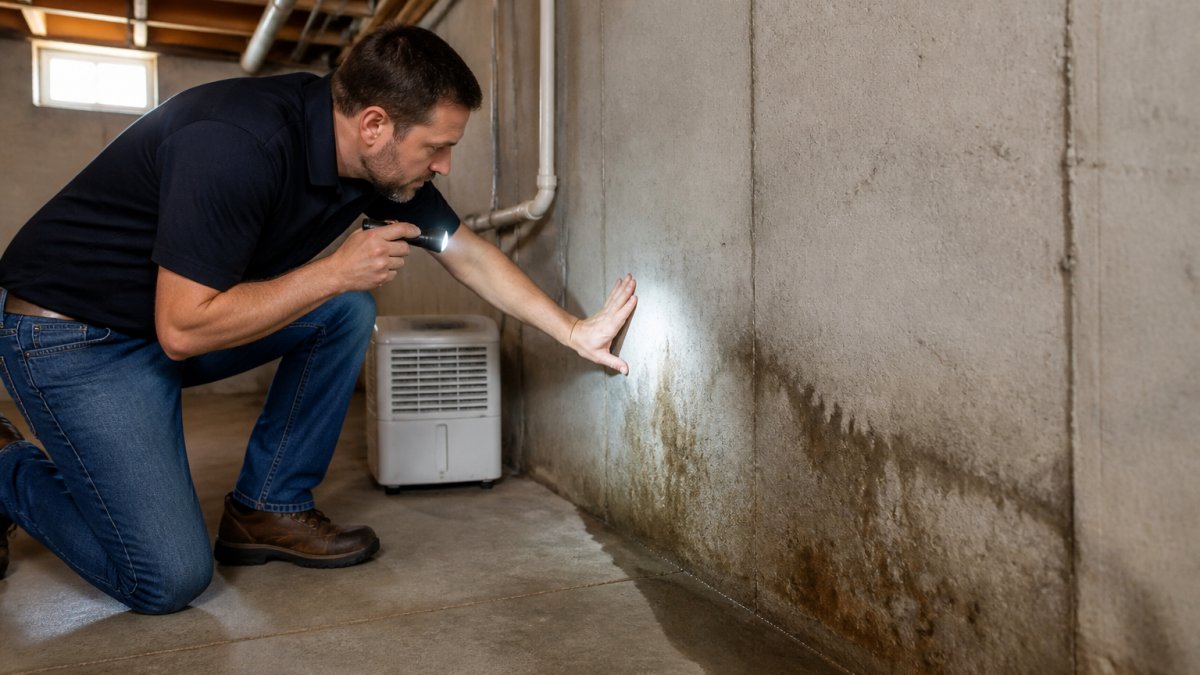
A simple test separates them. Tape a square of plastic sheeting to the wall for a day. Moisture on the room side points to condensation, which calls for a dehumidifier and better ventilation, not a sealer.
Get this wrong and no product on this list saves you. If you suspect a leak is the source, our guidance on preventing mold growth after water leaks walks through the cleanup sequence before you close anything up.
Top Basement Wall Sealants for Mold Prevention Compared
Product comparisons often rank sealants by price and coverage rate, but those factors alone do not determine mold prevention. A product only helps against mold if it keeps the wall dry enough that spores cannot germinate, and that depends on the moisture source, the wall substrate, and whether the coating traps vapor. The table below compares four commonly recommended products on several factors relevant to mold outcomes.
| Product | Type | Substrate fit | Water-pressure resistance | Vapor behavior | Cure / recoat window | Mold-relevant strength | Mold-relevant limitation |
|---|---|---|---|---|---|---|---|
| DRYLOK (mold-resistant latex waterproofer; Extreme line) | Film-forming surface coating | Poured concrete and masonry, clean and dry | Extreme rated to 15 psi hydrostatic per product materials | Low-permeability film | Typically 2 coats; recoat within label window | Mold-resistant finish on damp-but-stable walls | Traps moisture if the wall is wet or actively leaking |
| RadonSeal | Penetrating silicate | Dense poured concrete | Pore-blocking, not a pressure-rated film | Breathable; no film to peel | Single application; cure measured in days | No film for mold to feed on; vapor can escape | No verified mold-specific claim in available data |
| KILZ waterproofing paint | Waterproofing paint | Dry, sound concrete and masonry | Limited; not for hydrostatic pressure | Low-permeability film | Multiple thin coats; full cure before topcoat | Low-cost surface dampness control | Thin film, limited crack bridging, no pressure resistance |
| Liquid Rubber | Elastomeric sealant | Clean, dry concrete and masonry | Moderate; bridges moving hairline cracks | Low-permeability, flexible film | Full cure between coats; several days to full cure | Stretches over cracks that rigid coatings fail at | Bubbles if applied over damp substrate |
Selection criteria that matter for mold prevention
Use these five questions to narrow the field before you buy. They map directly to the conditions mold needs.
- Is the wall dry or damp right now? A film-forming coating on a damp wall traps moisture and feeds surface mold. A penetrating sealer is safer when you cannot fully dry the substrate.
- Is there active water pressure? Only products with a stated hydrostatic rating, DRYLOK Extreme's 15 psi is the clearest example, are designed for pressure. Paint and elastomeric films are not substitutes for drainage work.
- What is the substrate? Dense poured concrete takes a penetrating silicate well. Concrete block and rough masonry favor a flexible coating that can bridge mortar lines.
- Will vapor need to escape? If the wall stays damp behind the finish, a breathable or penetrating product reduces trapped-moisture risk. A low-permeability film on a wet wall is a mold trap.
- What is the recoat and cure schedule? Coverage rate, coat count, and full cure time determine whether the job performs. A product that needs a dry substrate and several days of cure is a poor fit for a humid week.
DRYLOK: The Mold-Resistant Coating Standard
What most guides miss is the prep burden. A coating bonds only to a clean substrate, so you are wire-brushing, patching, and waiting for a genuinely dry wall before the first coat. And a surface coating still cannot stop water pushing through from behind.
RadonSeal: Penetrating Silicate Protection
RadonSeal belongs to the silicate-based sealer family, which reacts with the concrete to fill pores rather than sitting on top as a film. That is a real advantage on dense poured walls, because nothing peels or blisters when moisture vapor passes through.
KILZ: Budget Waterproofing Paint
On a dry, sound wall that only shows minor dampness, a waterproofing paint can hold up reasonably well.
Set expectations low on durability. Paint-film products offer limited crack bridging and thin coverage, and the available data does not identify a specific KILZ basement product or its specifications. For a rental turnover or quick cosmetic refresh, fine. For a wall with active water intrusion, it is the wrong tool.
Liquid Rubber: Elastomeric Crack Bridging
Liquid Rubber is an elastomeric coating, meaning the cured film stretches instead of cracking when the wall moves.
The tradeoff is surface discipline. Elastomeric products demand a clean, dry substrate and full curing time between coats.
How to Seal Basement Walls So Moisture Stays Out
Follow this sequence and the product has a chance to work. Skip a step and you've wasted the material.
- Fix the water source first. Correct grading, extend downspouts, and confirm the sump pump runs. Sealing over an active leak traps water in the wall.
- Clean the substrate. Remove efflorescence, dust, and old peeling coating. A coating bonds to concrete, not to dirt.
- Repair cracks and voids. Route hairline cracks into a small V, then fill with hydraulic cement for any active weeping. Hydraulic cement sets fast and expands as it cures, which is why it holds back moving water.
- Let the wall dry. Damp walls need days, sometimes weeks, of air movement and dehumidification. Sealing a wet wall traps moisture and invites surface mold.
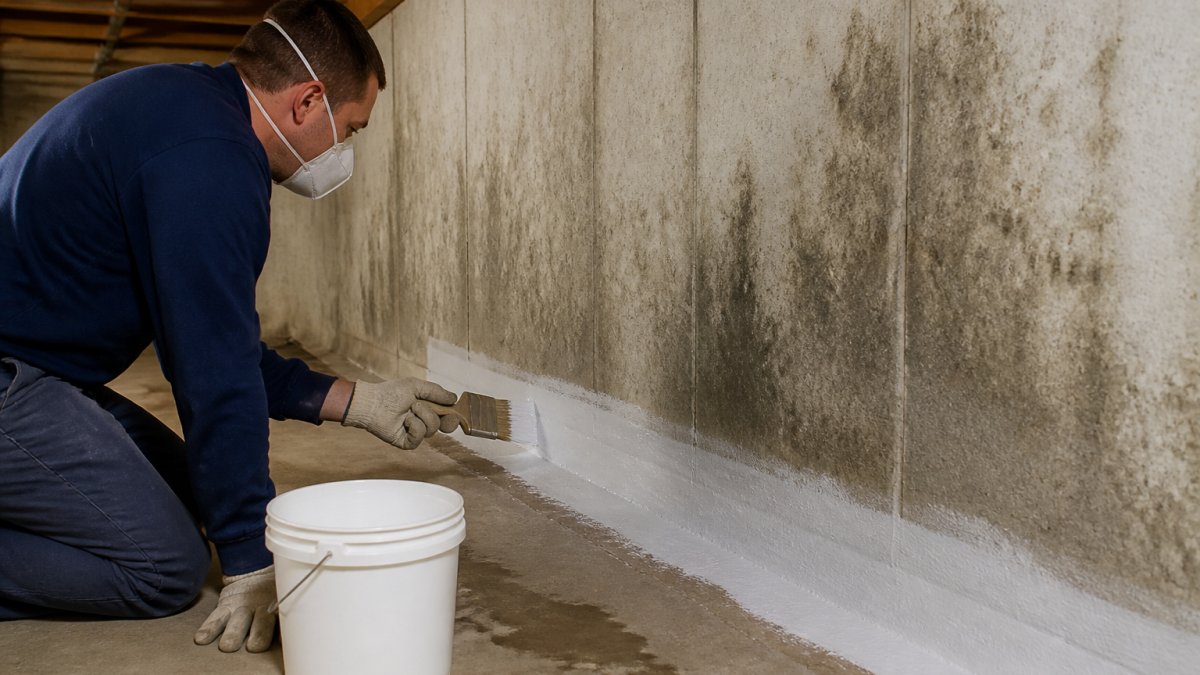
- Apply per the label. Respect coverage rate, coat count, and drying time. Two thin coats beat one heavy coat every time.
- Cure before you judge. Full curing can run several days. Don't test with water early.
Concrete Basement Wall Sealer: Penetrating vs. Surface Coatings
The choice between penetrating and surface products decides how your wall behaves for the next decade. Penetrating sealers, including silicate-based formulas, soak into the concrete and react with it to block pores.
Vapor permeability is the factor most comparison pages ignore. Concrete needs to dry in both directions. A low-permeability film on a wall that stays damp behind it creates a moisture trap, and trapped moisture is mold's favorite condition.
Basement Waterproofing Paint: What It Can and Cannot Do
Waterproofing paint handles surface dampness and minor seepage on a prepared wall, and it does that job at a low price. It cannot stop hydrostatic pressure, repair a failed foundation drain, or bond to a wet substrate.
A U.S. Waterproofing guide on basement wall waterproofing reports that paint-on sealers succeed on roughly 40% of walls, though the publisher doesn't detail its methodology, so treat that figure as their claim rather than a verified benchmark.
How to Keep Mold Out of a Basement After Sealing
Sealing is the start of moisture control, not the end. Mold needs moisture, organic food, and time, so your job after the coating cures is to deny it all three. The steps below cover how to verify the wall is actually dry, how to handle a wall that has already had mold, and how to tell whether a new damp patch means the seal failed or the source was never fixed.
Step 1: Verify the wall is dry before and after sealing
A coating applied over residual moisture is the most common reason a seal job fails. Before you seal, and again after cure, tape a square of plastic sheeting to the wall for a day. Moisture on the room side points to condensation; moisture behind the plastic points to seepage that sealing will not solve. A pin-type moisture meter can give a more precise reading than the plastic test.
Step 2: Clean and remediate a previously affected wall
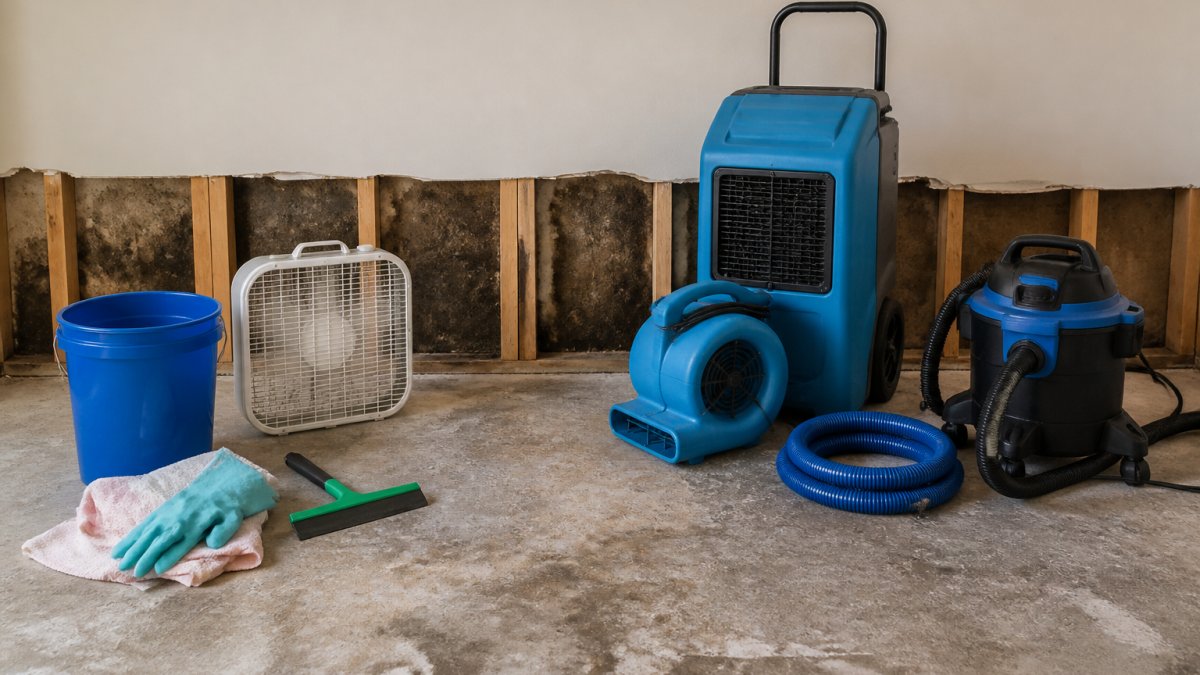
If mold has already grown on the concrete, framing, drywall, or insulation, a coating is not a substitute for removal. The sequence that works is:
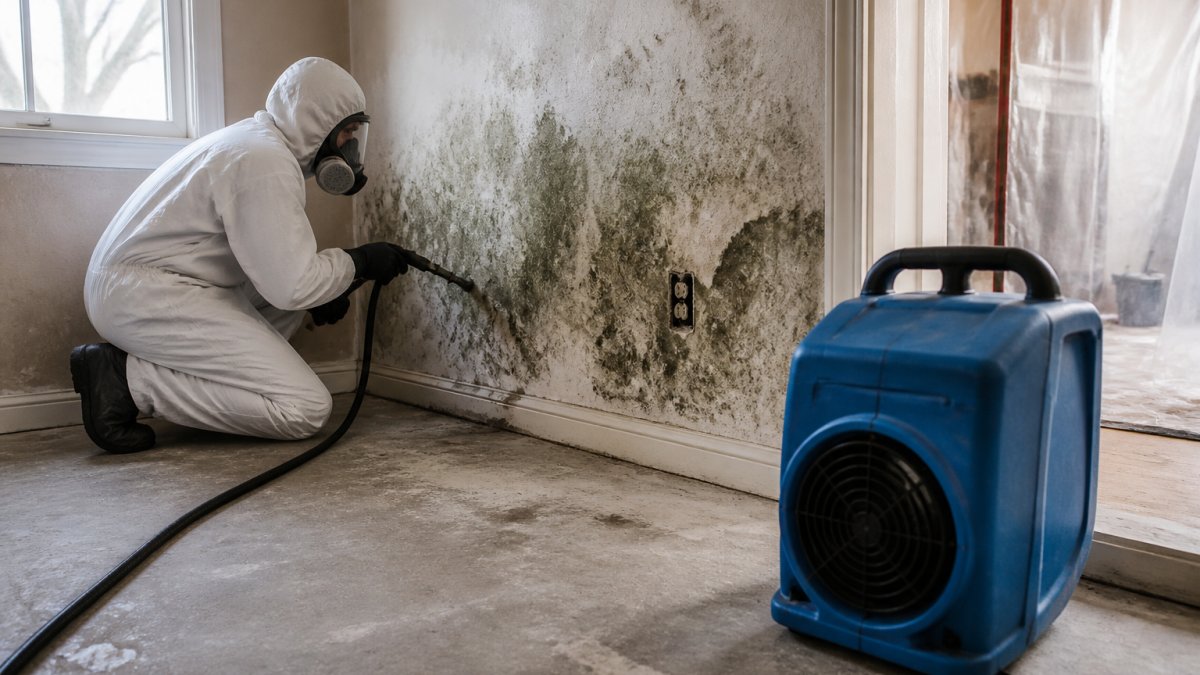
- Contain the area. Use plastic sheeting and negative air pressure if the affected area is larger than a small patch, so spores do not spread to the rest of the basement.
- Remove porous materials that cannot be cleaned. Drywall, paper-faced insulation, and cardboard that have been wet and colonized generally cannot be salvaged.
- Clean hard surfaces. Scrub concrete and framing with a detergent solution, then dry thoroughly. The U.S. Environmental Protection Agency guidance on mold and moisture control recommends fixing the moisture source first and drying the area within 24 to 48 hours of a water event to prevent mold growth.
Step 3: Control humidity and organic food
- Keep indoor humidity in the basement below 60% with a dehumidifier and a cheap hygrometer.
- Run a fan or ventilate during humid months, and never dry laundry in an unvented basement.
- Clean dust and organic debris off the concrete, since that film feeds mold.
Step 4: Know when a new damp patch means the seal failed
A damp patch that appears after every rain usually means water is still entering from behind the wall, the seal is doing its job on the surface, but the source was never fixed.
For the full ongoing routine, our guide on how to stop basement mold growth covers the maintenance cycle in detail.
When to Call AFC Cleaning & Restoration for Mold Remediation
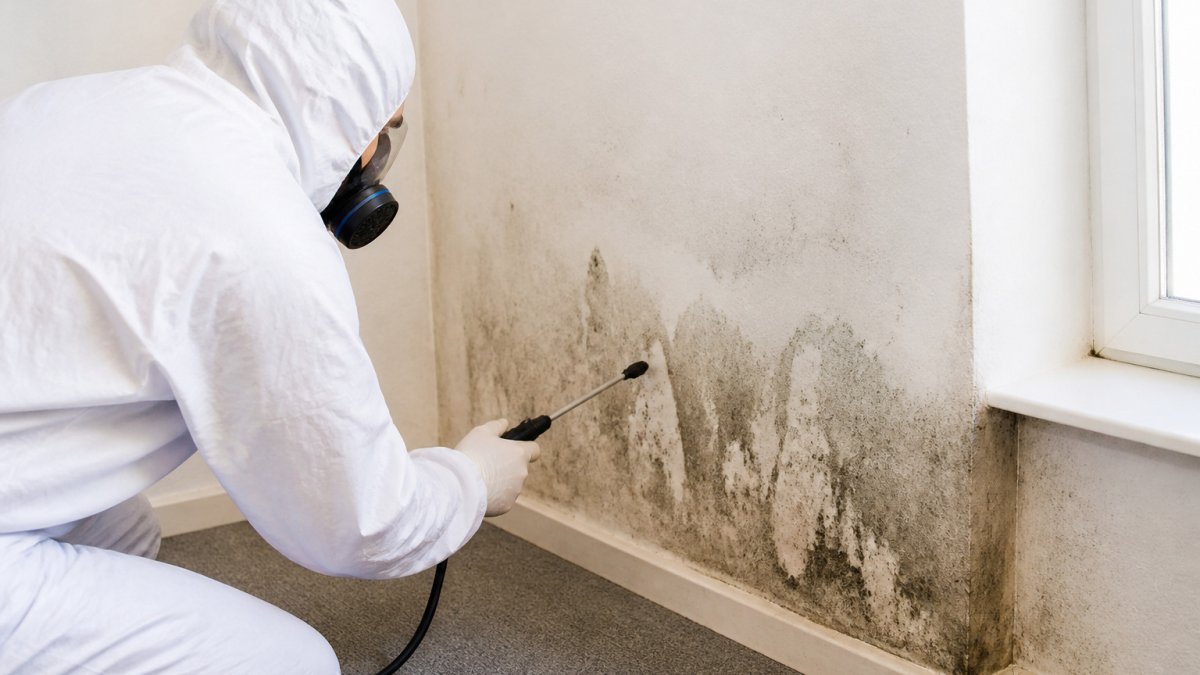
Call a professional when mold covers more than a small patch, when the musty smell returns after cleaning, or when the moisture source isn't obvious. Sealing over colonized drywall, framing, or insulation doesn't remove mold. It covers it, and the growth continues behind the coating.
AFC Cleaning & Restoration provides IICRC-certified technicians for mold removal and building restoration for homes and commercial properties across the greater Kansas City area, available 24/7. If you're weighing DIY against professional help, our article on when to hire professional mold remediators lays out the decision points, and our mold remediation cost per square foot guide explains how pricing is structured. You can also read more about AFC Cleaning & Restoration and the services we offer.
IICRC standards for professional mold remediation
The hard truth about basement mold is that no sealant fixes a water problem it was never designed to solve.
Frequently Asked Questions
Can basement wall sealant prevent mold?
A basement wall sealant can prevent mold only if it stops moisture from reaching the wall surface. Coatings and penetrating sealers are two common approaches to limiting moisture at the wall surface. However, sealant alone won't prevent mold if hydrostatic pressure, poor grading, or plumbing leaks keep feeding the wall with water. Fix the water source first, then seal, and control indoor humidity to help keep mold from returning.
Is Kilz waterproof?
KILZ offers specific waterproofing paint products formulated for basement walls, but not every KILZ primer or paint is waterproof. Look for a product labeled as a waterproofing masonry coating. Performance depends on surface preparation and whether the wall is dry when applied. KILZ works best as a budget option for minor dampness, not active leaks.
Should basement walls be sealed from the inside or outside?
Exterior approaches address water before it reaches the foundation. Interior sealers, including basement waterproofing paint and concrete basement wall sealer, are practical for damp walls and minor seepage but cannot relieve hydrostatic pressure from outside. For active leaks or recurring mold, combine interior sealing with exterior drainage fixes, grading corrections, and a sump pump. A professional assessment can determine which approach your basement needs.
Can you apply waterproofing paint over a damp basement wall?
No. Sealing a wet wall traps moisture inside the concrete, which can lead to mold growth on the surface and spalling. Wait until the wall is dry, usually after fixing the leak source and running a dehumidifier. Test by taping a square of plastic to the wall for 24 hours; if condensation forms underneath, moisture is still moving through and the wall is not ready.
When should a basement wall be repaired instead of sealed?
Repair before sealing when you see active leaking, crumbling mortar, bowing, or cracks wider than a hairline. Hydraulic cement and crack repair methods are commonly used for masonry leaks and cracks. Sealing over a failing wall hides the problem and wastes money. If the wall is structurally compromised or mold covers a large area, call a certified restoration professional rather than relying on a basement wall sealant.