 how-to
How to Tell If Basement Mold Is Making You Sick
Last Updated: November 4, 2026
Quick Summary
Basement mold may be making you sick if you have a stuffy nose, wheezing, coughing, itchy eyes, or skin irritation, symptoms the CDC links to damp indoor spaces. Watch for patterns that worsen with time in the basement and ease when you leave. Only a doctor can confirm the cause.
- Dampness and mold exposure are tied to a 30-50% rise in respiratory illness rates.
- Keep a symptom log for two to four weeks noting location, timing, and relief away from home.
- A musty odor is often the first clue, showing up before any visible growth.
- Keep indoor relative humidity below about 50% where possible.
- Seek urgent care for worsening shortness of breath, chest tightness, or fever with trouble breathing.
Table of Contents
- Is Basement Mold Making You Sick? Start With the Symptoms
- 10 Warning Signs of Mold Toxicity to Watch For
- Symptoms of Mold Poisoning in Adults: What the Evidence Shows
- How to Identify Basement Mold Growth Before It Spreads
- Who Is at Higher Risk From Basement Mold Exposure
- How to Tell Mold Symptoms Apart From a Cold or Allergies
- When Mold Symptoms Need Urgent Medical Care
- Schedule a Basement Mold Inspection Before Symptoms Get Worse
- Frequently Asked Questions
Is Basement Mold Making You Sick? Start With the Symptoms
If you suspect basement mold is making you sick, the telltale symptoms are stuffy nose, wheezing, coughing, itchy eyes, and skin irritation. The CDC's mold health guidance links damp indoor spaces to upper respiratory symptoms in otherwise healthy people.
That is the short answer. The longer one matters more.
Dampness and mold exposure are tied to a 30-50% rise in respiratory illness rates, according to RubyHome's 2026 mold statistics. Roughly 4.6 million asthma cases are attributed to mold and dampness in homes.
Below, we break down the warning signs, who faces the most risk, and when to call a professional.
10 Warning Signs of Mold Toxicity to Watch For
The phrase "mold toxicity" gets thrown around loosely, and that loose usage is part of the problem. No single symptom proves mold is the cause, and the clinical evidence does not support a broad "toxicity" syndrome tied to ordinary indoor mold. What the evidence does support is allergy and irritation in damp spaces. The CDC's mold health guidance frames the concern around damp indoor environments and upper respiratory symptoms rather than a toxin-driven illness. With that caveat in mind, these 10 warning signs appear most often in people living with indoor mold:
- Persistent nasal congestion or a stuffy nose
- Chronic cough that will not clear
- Wheezing or worsening asthma
Fatigue and brain fog are also commonly caused by stress or poor sleep. If they clear up when you leave the house for a few days, that pattern is worth noting, but it is not proof of mold exposure.
Why the "Toxicity" Label Overstates the Evidence
Most practitioners find that the symptoms people attribute to mold toxicity overlap almost entirely with allergic rhinitis, irritant effects, and asthma flare-ups. The National Institute of Environmental Health Sciences notes that mold spores can trigger allergic reactions and that some molds produce mycotoxins, which can cause serious illness if ingested or inhaled in sufficient quantity. That is a narrower and more conditional statement than the broad symptom lists circulating online.
Basement-Specific Exposure Pathways
Seeing mold is only one way a basement affects you. A common pattern is exposure through pathways you cannot see:
- HVAC systems. A return duct or air handler in a damp basement can distribute spores through the whole house, so symptoms may show up upstairs even when the growth is downstairs.
- Stored belongings. Cardboard, paper, upholstered furniture, and clothing hold moisture and can harbor growth that releases spores when moved or disturbed.
- Dampness without visible mold. Concrete walls, floor joists, and carpet padding can stay damp and support growth that is hidden behind finishes or under stairs.
A Practical Symptom-Tracking and Exposure-Check Process
This is not a diagnostic test, and it does not replace a medical evaluation. It is a way to give a clinician concrete information. Keep a simple log for two to four weeks:
- Record the symptom, the date, and the time of day.
- Note where in the home you were in the hours before the symptom started, especially time in the basement.
- Note the weather and whether the basement felt damp or musty that day.
- Note whether symptoms eased after a stretch away from the basement, such as a weekend trip or a day at work.
- Bring the log to a doctor and describe the pattern rather than asking for a mold test.
A common pattern is symptoms that worsen with time in the basement and ease away from it. That pattern is worth discussing with a clinician, but it can also fit other indoor triggers, so let a medical professional weigh it.
Symptoms of Mold Poisoning in Adults: What the Evidence Shows
Symptoms of mold poisoning in adults mostly mirror allergy and irritation, not classic poisoning. The National Institute of Environmental Health Sciences notes that mold spores can trigger allergic reactions and produce mycotoxins, which can cause serious illness if ingested or inhaled.
The clinical picture is narrower than the internet suggests. Healthline's review of black mold claims points out that links between black mold and memory loss are often labeled rumors by mainstream clinical standards, which focus on allergy and irritation.
So what does the evidence support? Adults commonly report:
- Allergy-like reactions: sneezing, runny nose, itchy eyes
- Respiratory irritation: cough, wheeze, shortness of breath
- Skin irritation after touching mold or damp surfaces
If you have COPD or a weakened immune system, symptoms can be more severe. Get a medical evaluation rather than guessing.
How to Identify Basement Mold Growth Before It Spreads
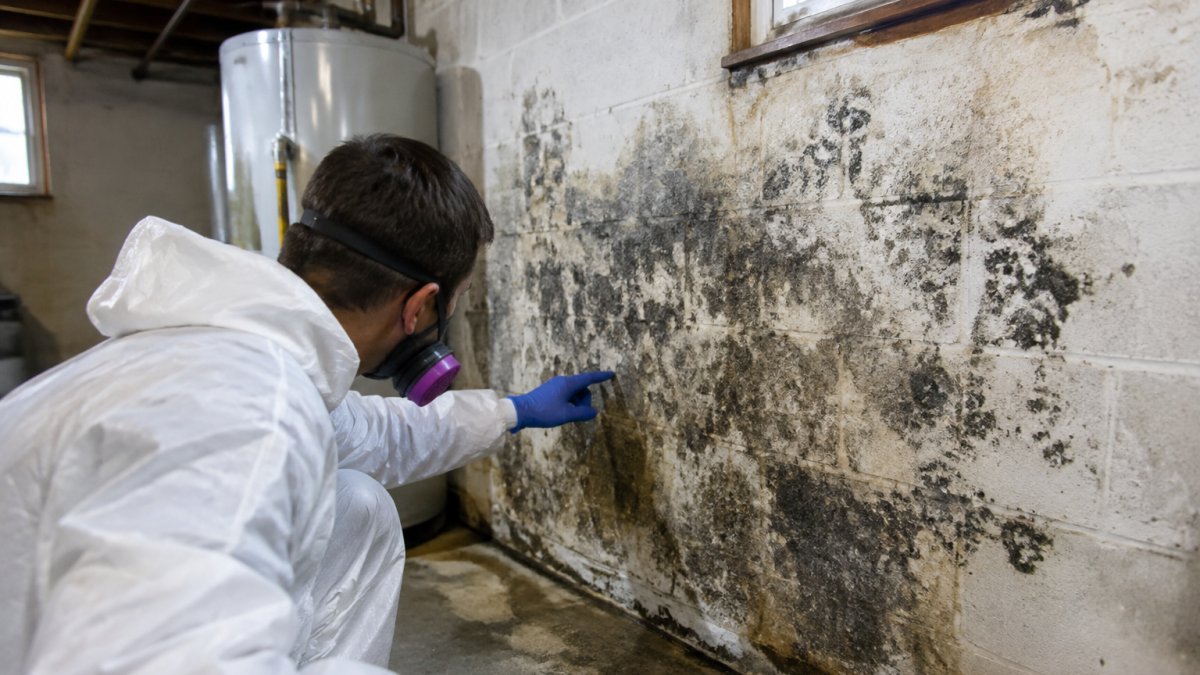
Identifying basement mold early comes down to three things: smell, sight, and moisture. A musty odor is often the first clue, showing up before any visible growth.
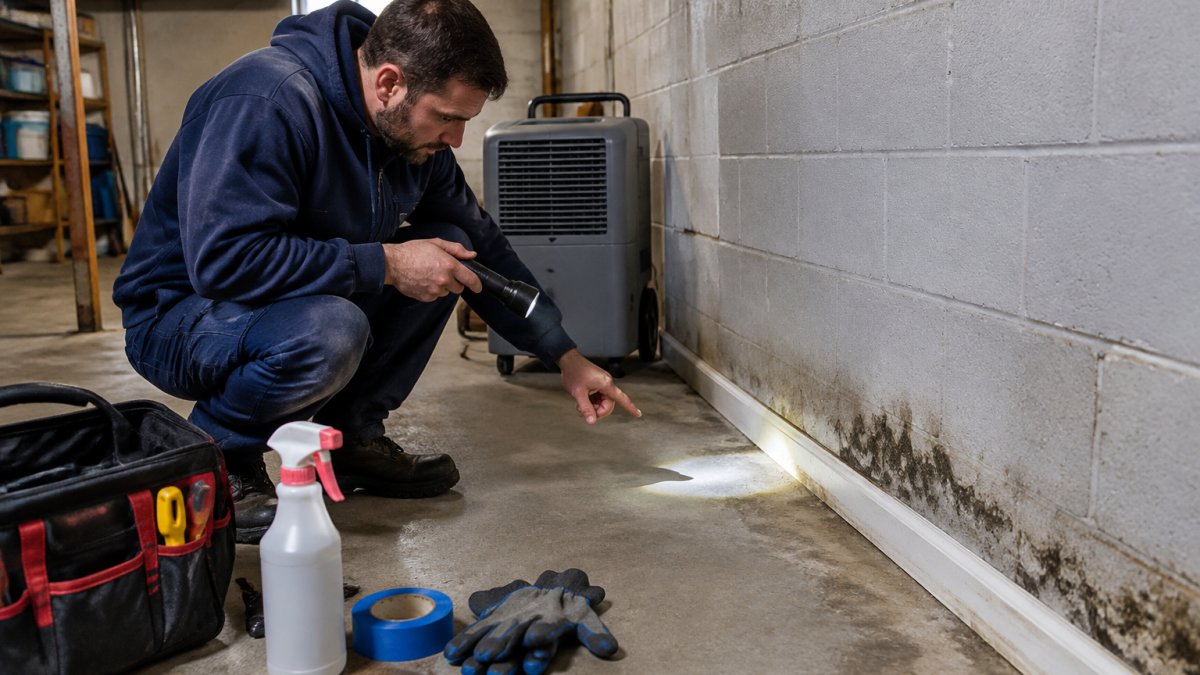
Here is how to check a basement:
- Follow your nose. Musty smells point to dampness and hidden growth.
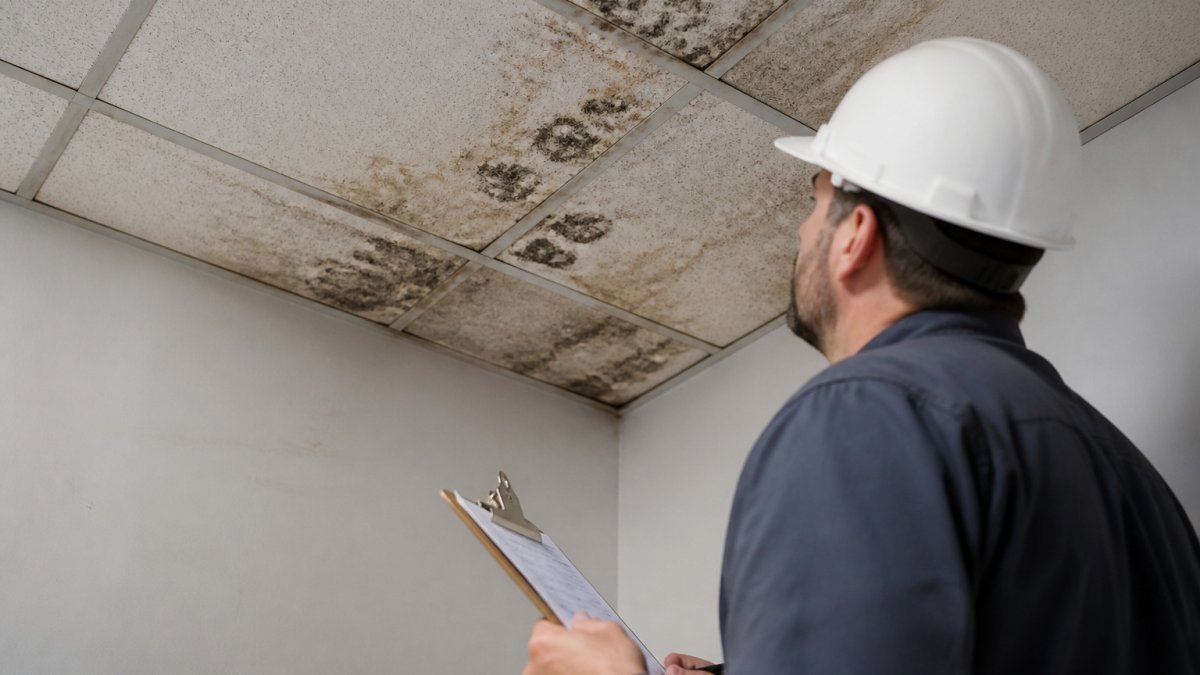
- Look along baseboards, joists, and the bottom of drywall for dark streaks or fuzzy patches.
- Check for water damage: stains, peeling paint, or warped wood.
For a closer look at spotting toxic varieties, see our guide on how to identify toxic black mold in homes. If growth is hiding behind finished walls, this step-by-step guide to finding mold behind walls walks through the process.
Who Is at Higher Risk From Basement Mold Exposure
Some people get sick from basement mold far faster than others. Sensitive individuals feel symptoms at lower exposure levels, while others in the same home notice nothing. The higher-risk groups include:
- People with asthma or mold allergies
- Children and older adults
- Anyone with a weakened immune system
If you fall into one of these groups, plan your remediation carefully. Our article on staying home during mold remediation covers what to expect and how to protect yourself.
Why Basements Concentrate Exposure
A basement is not just another damp room. It sits below grade, where moisture wicks through concrete and foundation walls, and it often holds the equipment that moves air through the rest of the house. That combination means the same visible patch of growth can affect someone upstairs through the HVAC system. Dampness, stored belongings, and time spent in the space all add to exposure beyond simply seeing mold.
Distinguishing Mold Symptoms From Other Causes
Symptom-based diagnosis has real limits. Mold symptoms overlap with seasonal allergies, colds, sinus infections, and other indoor triggers such as dust mites, pet dander, and volatile organic compounds from stored chemicals or new finishes. A clinician may consider all of these before attributing symptoms to mold. This is why a symptom log that records location, timing, and improvement away from the basement is more useful than a self-diagnosis.
Safe Next Steps for Inspection and Cleanup
Before you start cleaning, address the moisture source. Mold will return until the leak, condensation, or high humidity is fixed. A hygrometer is an inexpensive way to check basement humidity; most practitioners suggest keeping indoor relative humidity below about 50% where possible.
For small areas of surface growth on hard materials, cleanup with detergent and water and thorough drying is a common approach. For larger areas, porous materials like drywall and carpet padding usually need removal rather than cleaning.
Watch out: do not disturb growth that covers a large area or sits behind finished walls without a plan, because disturbance can release spores into the air. The EPA's mold cleanup guidance recommends consulting a qualified remediation professional when the affected area is large or when the work involves HVAC systems or sewage-contaminated water.
When Symptoms Require Urgent Care
Separate emergency breathing symptoms from routine allergy symptoms. Seek urgent care for shortness of breath that worsens or does not ease, chest tightness or wheezing that will not stop, a fever with trouble breathing, or a severe reaction in someone with asthma or a weakened immune system. Our guide on when to hire professional mold remediators explains how to judge the situation and what remediation involves.
How to Tell Mold Symptoms Apart From a Cold or Allergies
Mold symptoms can mimic a cold, which is why so many people miss the cause. The key difference is location and timing. Colds fade in a week or two.
Use this quick comparison:
| Clue | Mold Exposure | Cold | Seasonal Allergy |
|---|---|---|---|
| Duration | Weeks to months | 7-10 days | Weeks, seasonal |
| Improves away from home | Yes | No | Sometimes |
| Fever | Rare | Common | Never |
| Trigger | Damp rooms, basement | Virus | Pollen, outdoor |
| Pattern | Worse indoors | Steady | Tied to season |
A simple symptom-tracking process helps. Note when symptoms start, where in the home you were, and whether they ease after time away. Bring that log to a doctor. It gives them something concrete to work with.
When Mold Symptoms Need Urgent Medical Care
Most mold symptoms are irritating, not emergencies. Some need a doctor right away.
Seek urgent care if you notice:
- Shortness of breath that worsens or does not ease
- Chest tightness or wheezing that will not stop
- A fever with trouble breathing
If symptoms are serious, that is also your signal to bring in professional help. Our guide on when to hire professional mold remediators explains how to judge the situation and what remediation involves.
Schedule a Basement Mold Inspection Before Symptoms Get Worse
Symptoms are a warning, not the problem itself. The mold behind your basement wall will keep releasing spores until the moisture source is fixed and the growth is removed.
We have served the area since 2003 with IICRC-certified technicians, and we are available 24/7, 365 days a year. We handle both residential and commercial properties.
If you are ready to stop guessing, schedule mold removal in Kansas City and get a clear assessment of what is growing and why.
Frequently Asked Questions
How do I know if I got sick from basement mold?
There is no simple at-home test that confirms mold is the cause. The CDC notes that damp indoor spaces are linked to upper respiratory symptoms, cough, and wheeze in otherwise healthy people. A practical approach is to track your symptoms against time spent in the basement: if stuffy nose, itchy eyes, or coughing ease when you are away from the space and return when you go back down, that pattern is worth showing a doctor. A medical evaluation plus a professional inspection gives you the clearest picture.
How long does it take for mold exposure to cause symptoms?
Timing varies by person and by how much mold is present. Some people notice irritation within hours of spending time in a damp basement, while others develop symptoms after days or weeks of repeated exposure. People with asthma or mold allergies often react fastest. If symptoms appear each time you enter the basement and fade when you leave, treat that as a signal to get the space inspected rather than waiting for it to resolve on its own.
Can basement mold cause respiratory issues?
Yes. The CDC reports that exposure to damp indoor spaces is linked to upper respiratory tract symptoms, cough, and wheeze in otherwise healthy people, and the National Institute of Environmental Health Sciences notes mold spores can trigger allergic reactions. People with asthma may see their symptoms worsen. Fixing the moisture source matters as much as cleaning the mold.
What should I do if I suspect mold is affecting my health?
See a doctor about your symptoms and describe where and when they appear, including any time spent in a damp basement. At the same time, address the source: mold cannot grow without moisture, so look for water damage, high humidity, or poor ventilation. For growth larger than a small patch, or any mold in HVAC systems or behind walls, call an IICRC-certified restoration team. AFC Cleaning & Restoration handles basement mold inspections and remediation across the greater Kansas City area, 24/7.
Your symptoms deserve a real answer, not another round of antihistamines. Get started with AFC Cleaning & Restoration and breathe easier in a basement that is finally dry, clean, and safe.